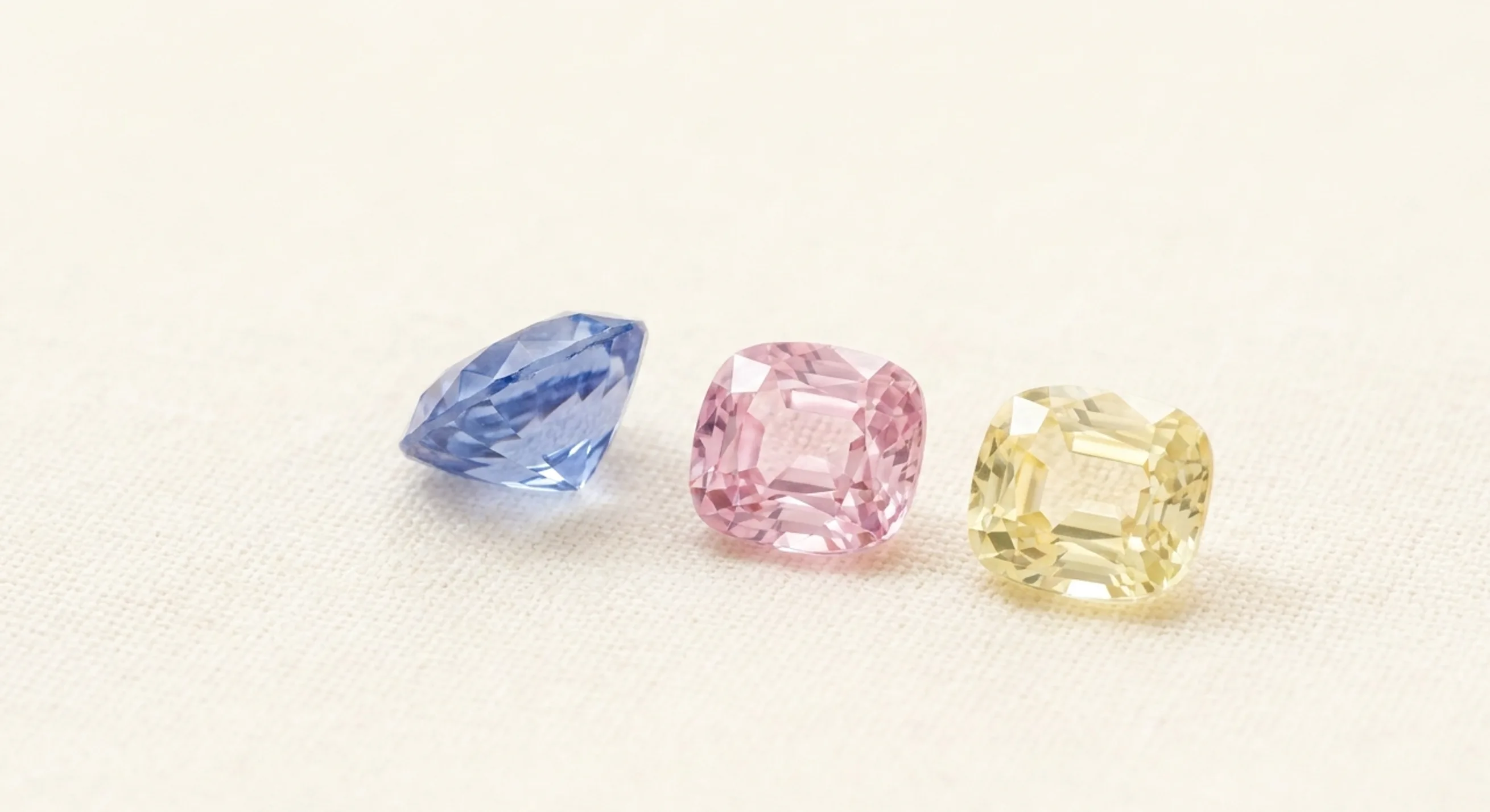
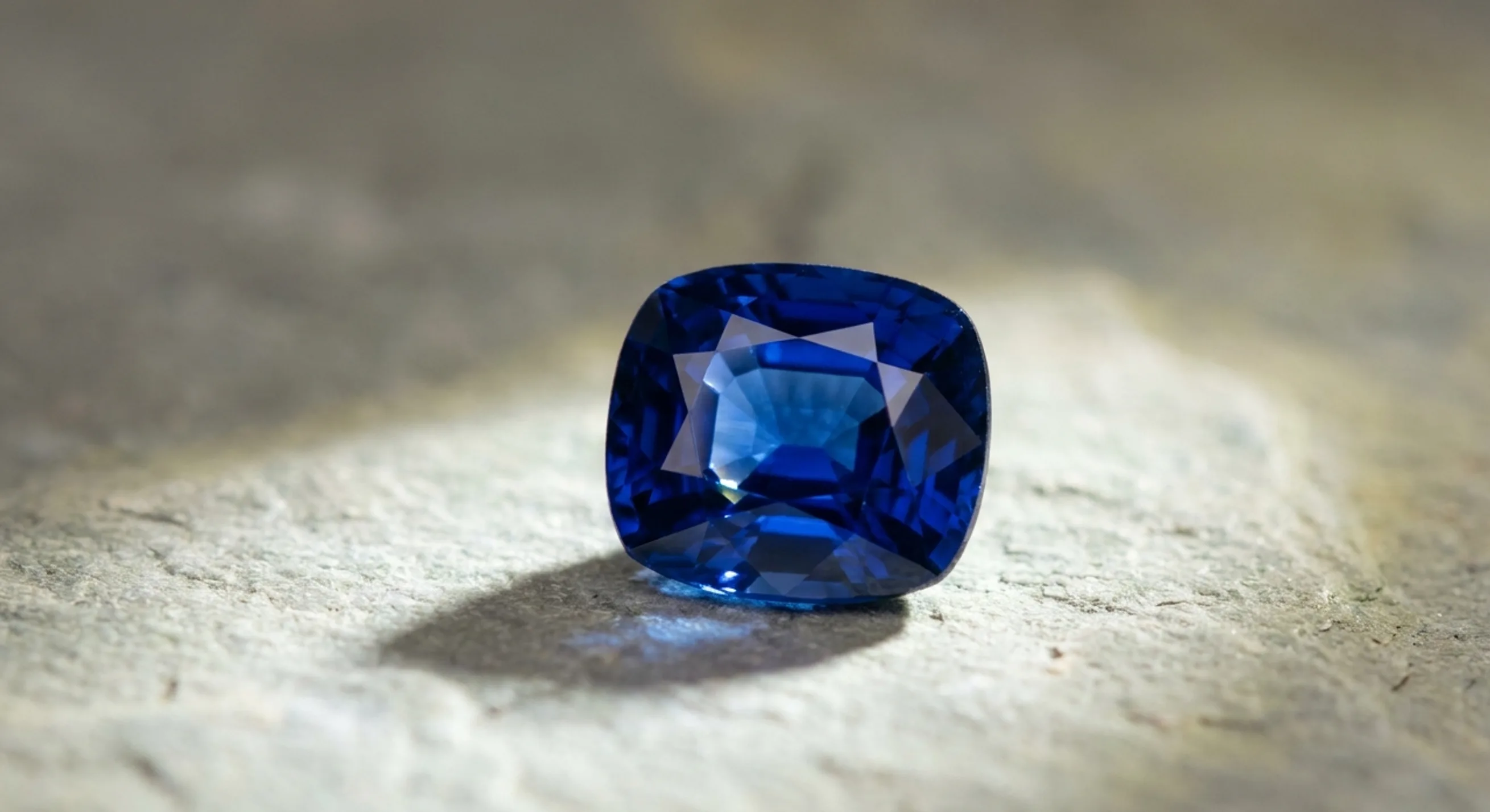
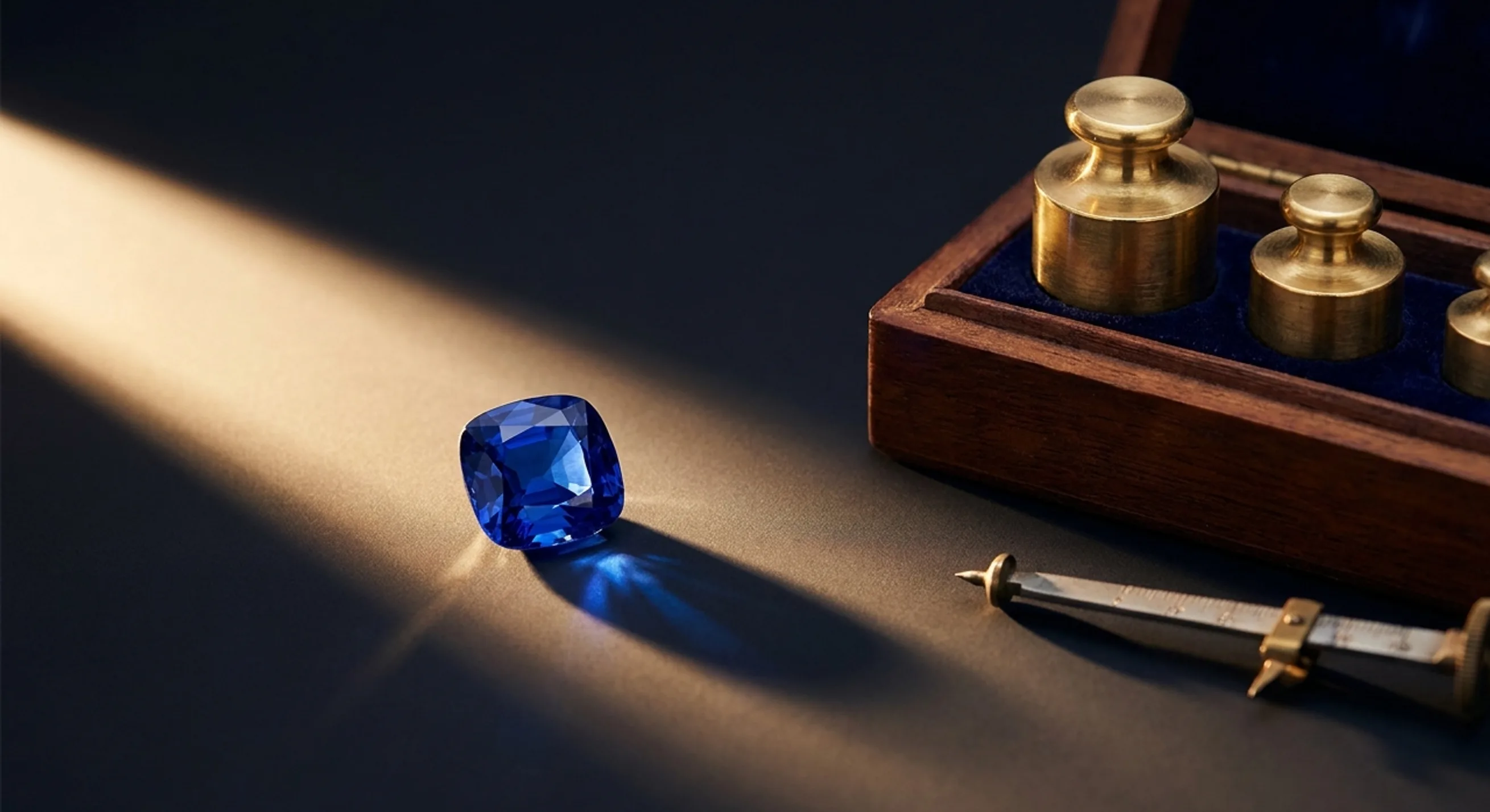
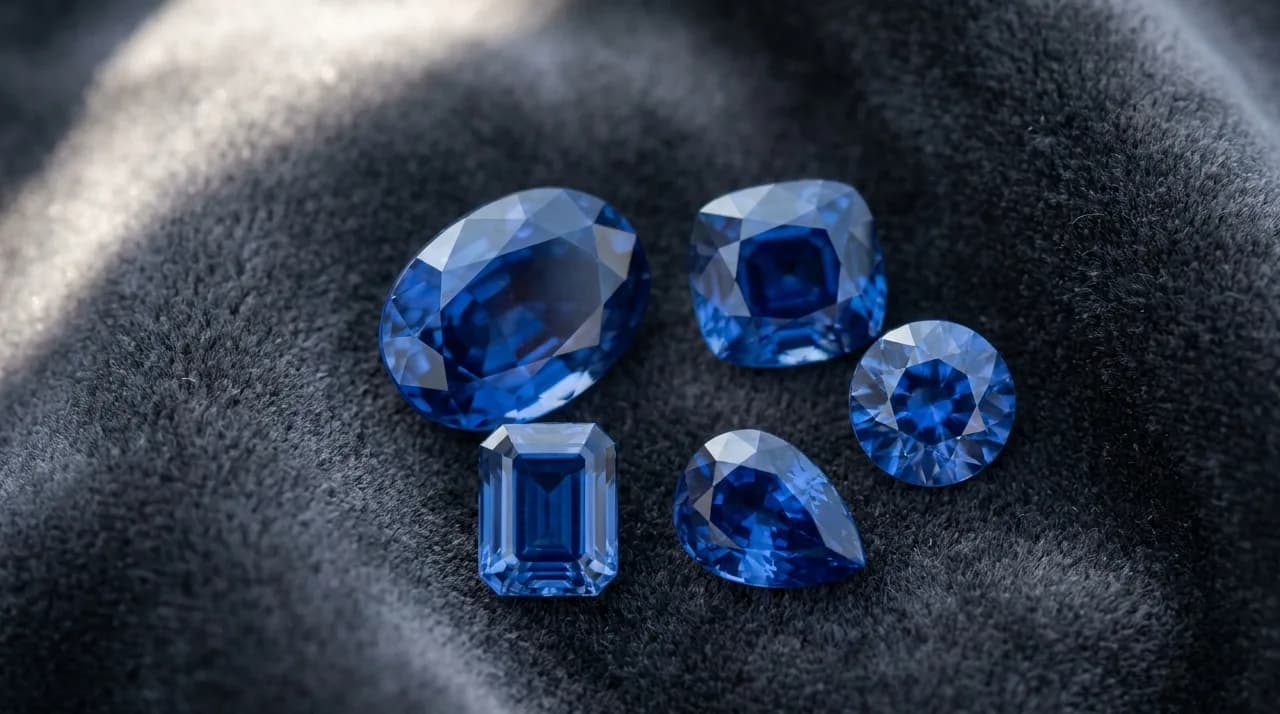
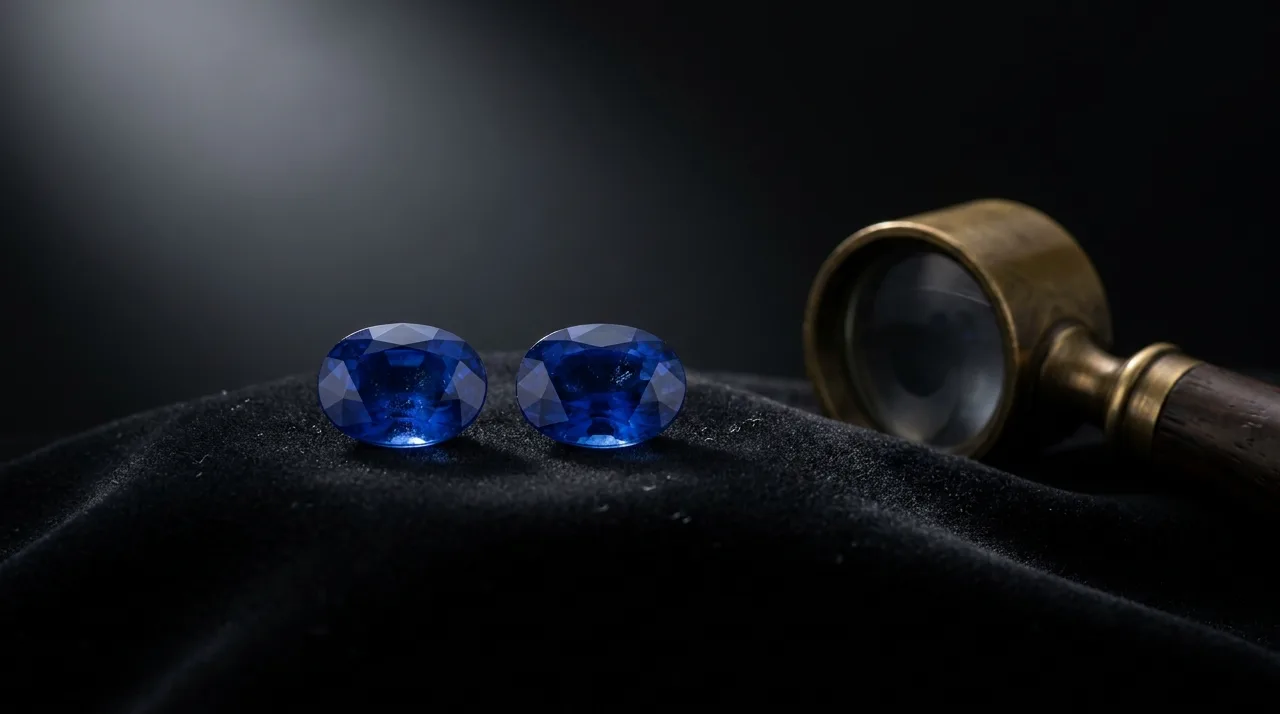
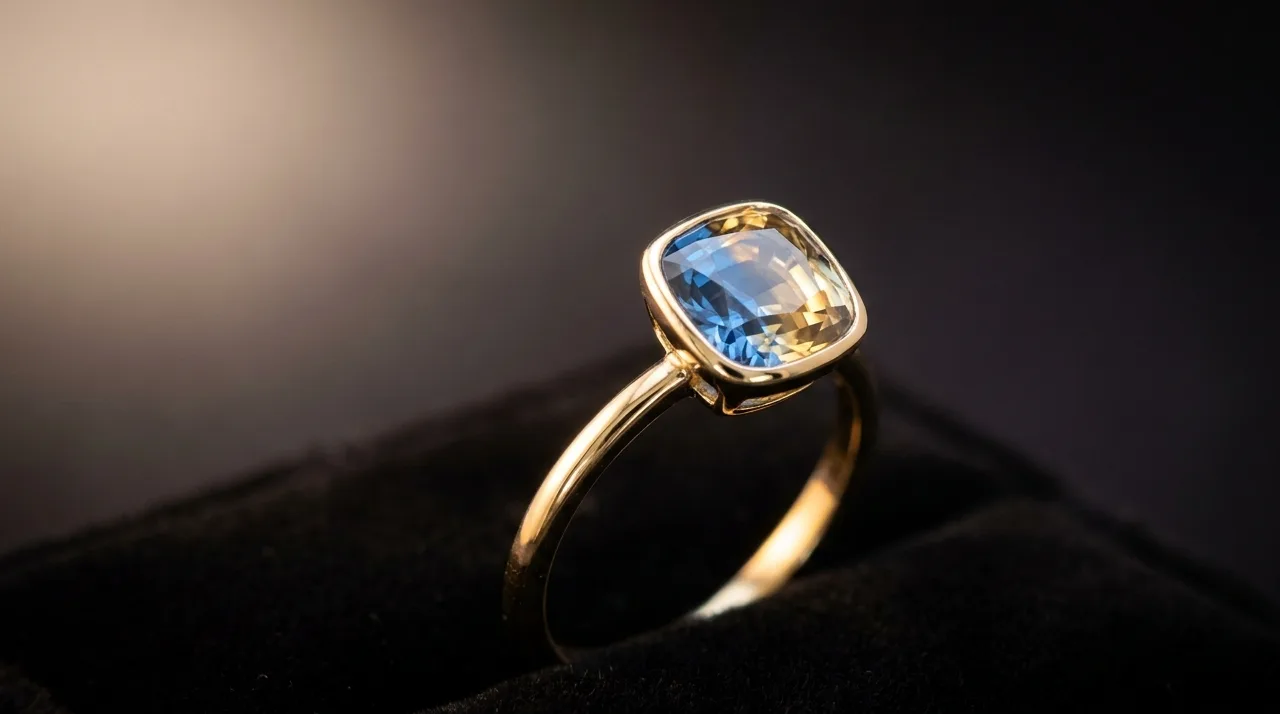
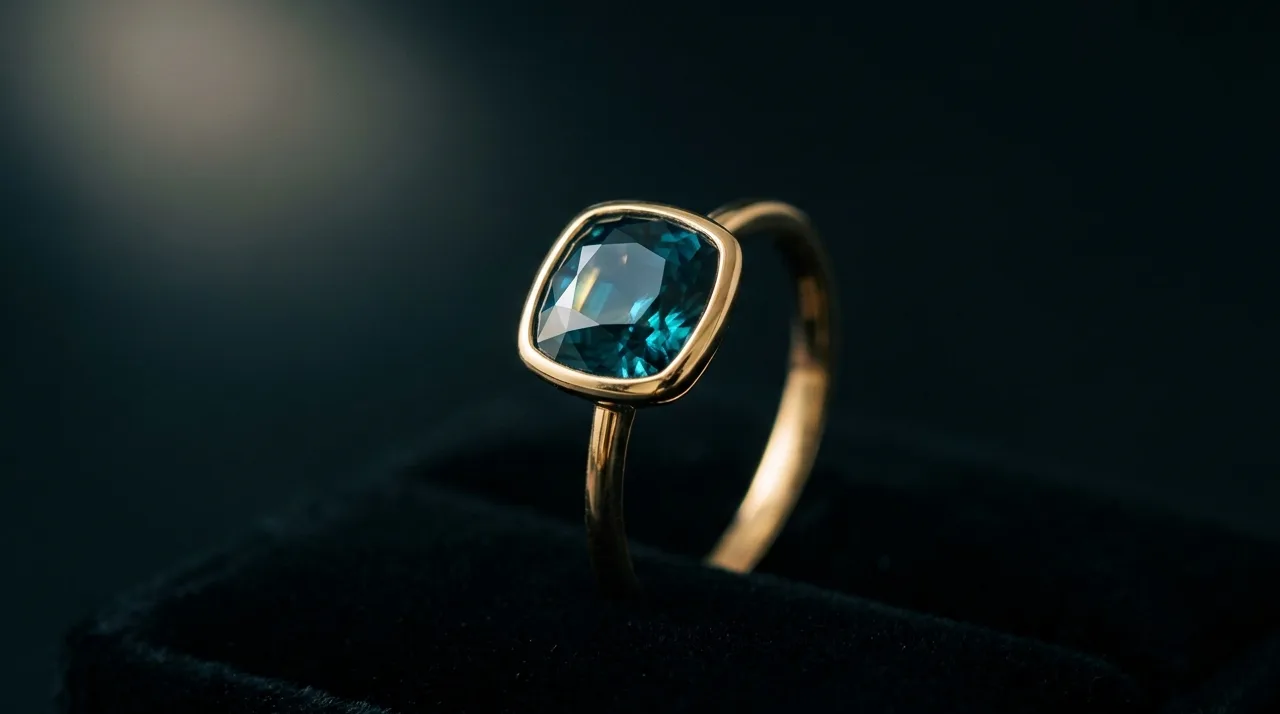
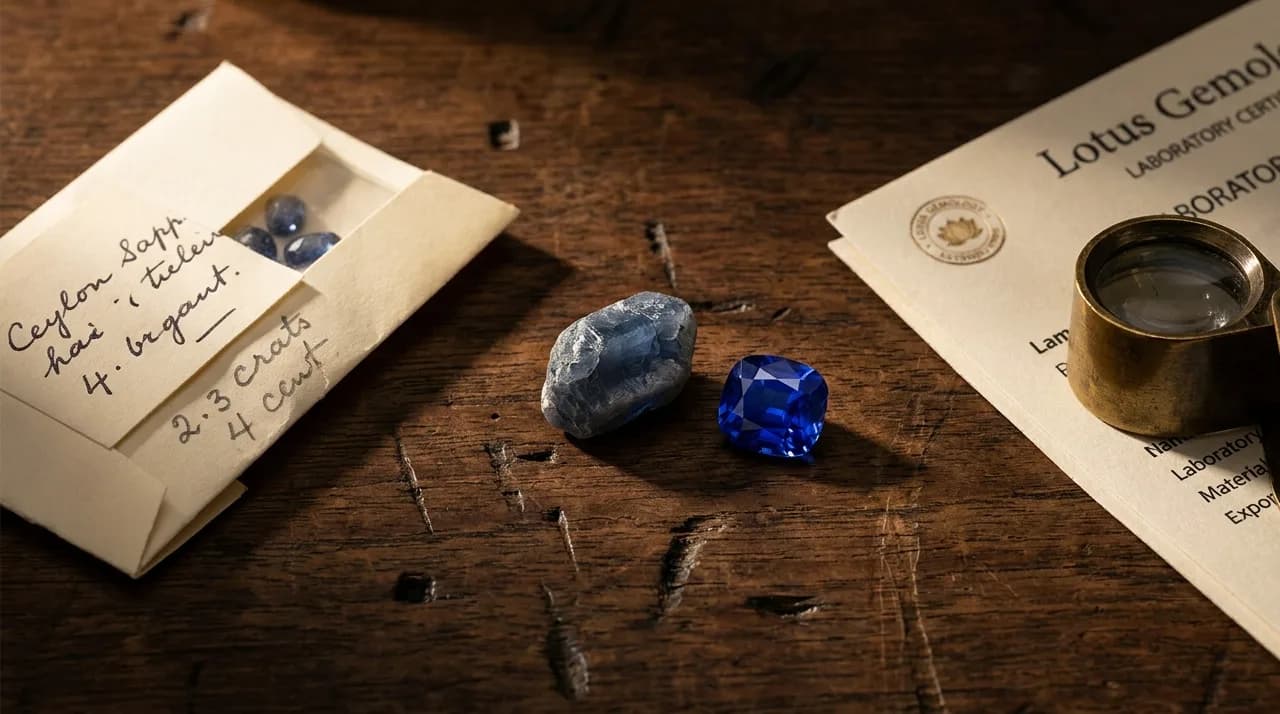
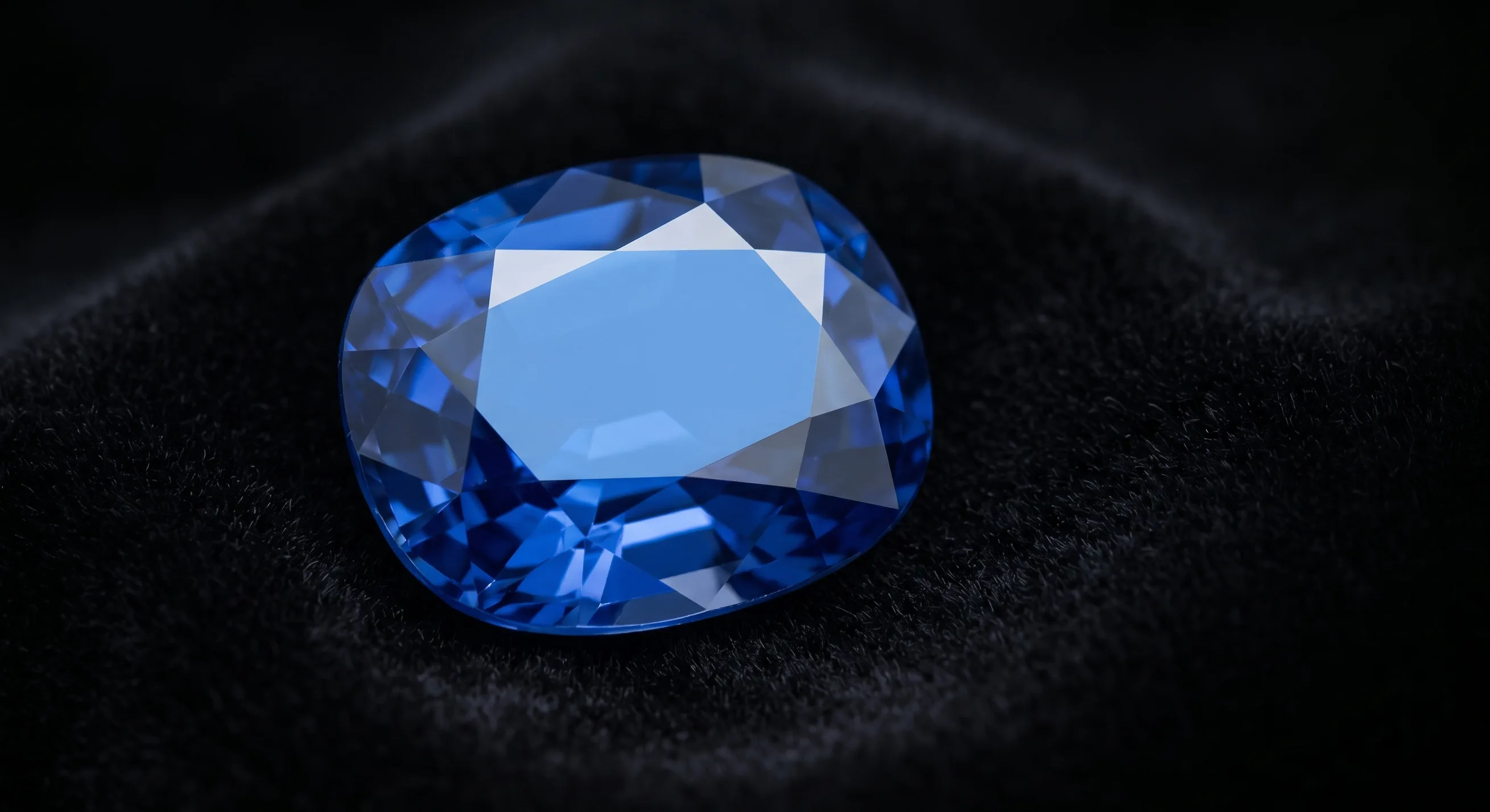
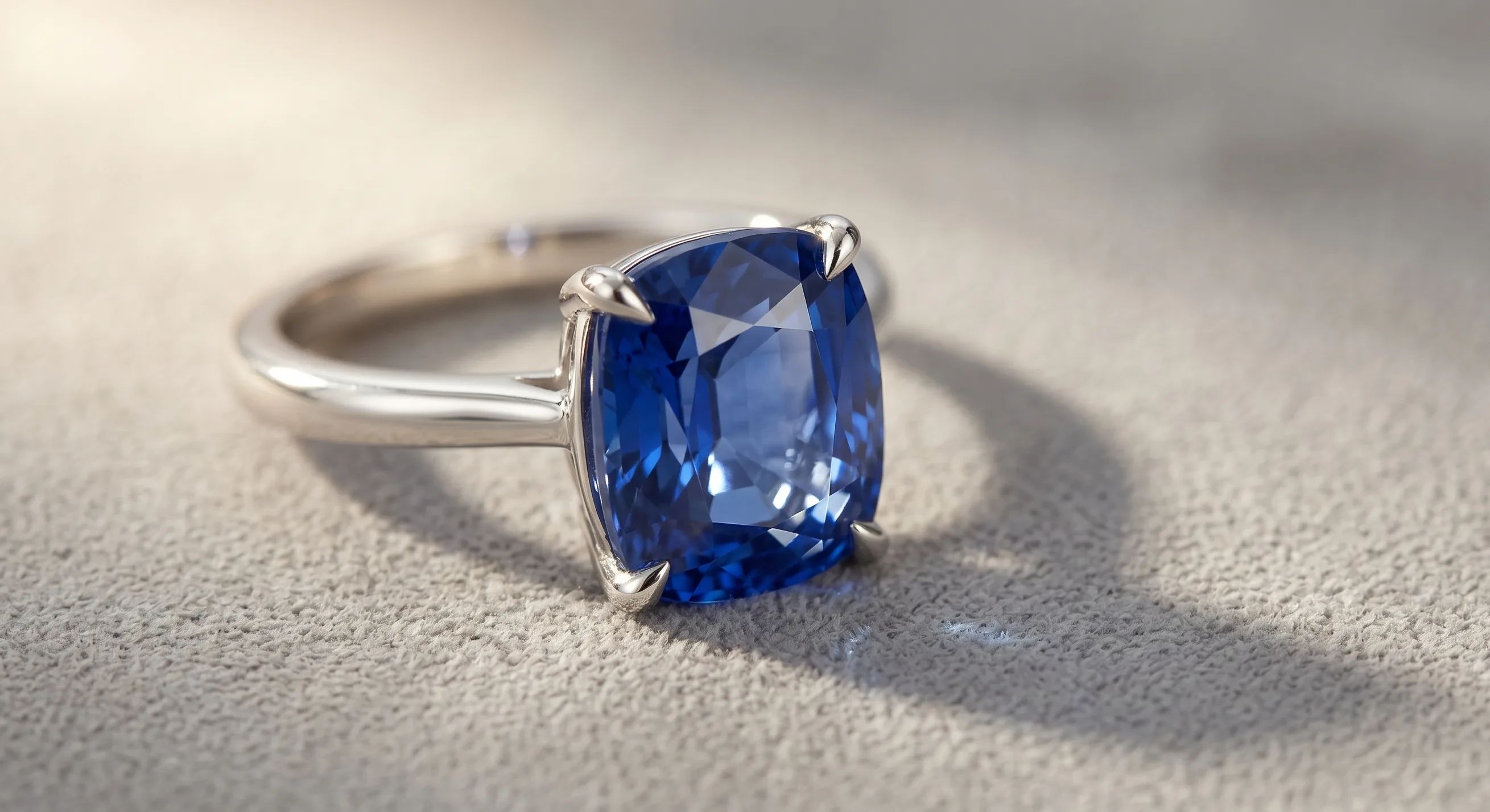
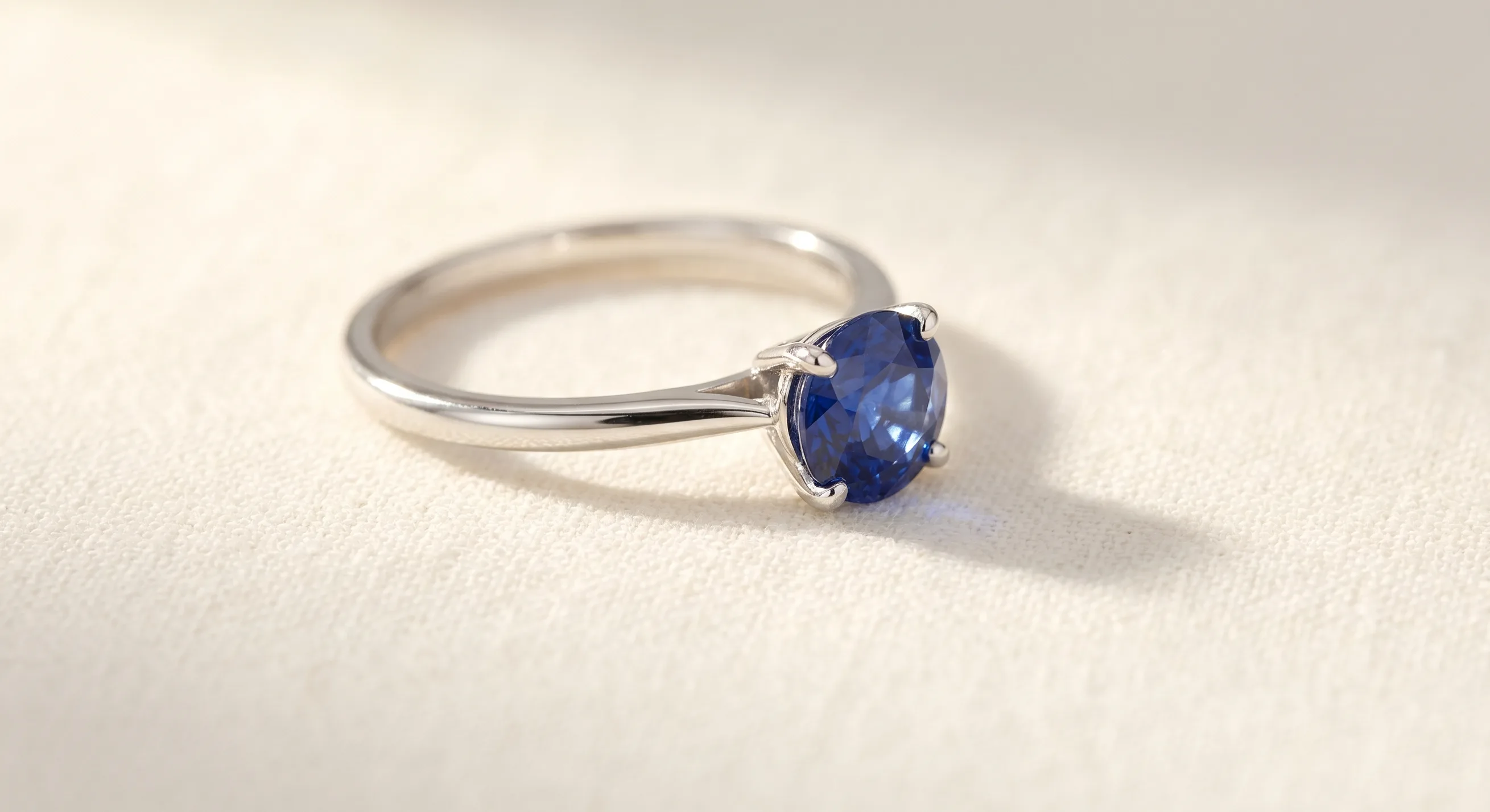
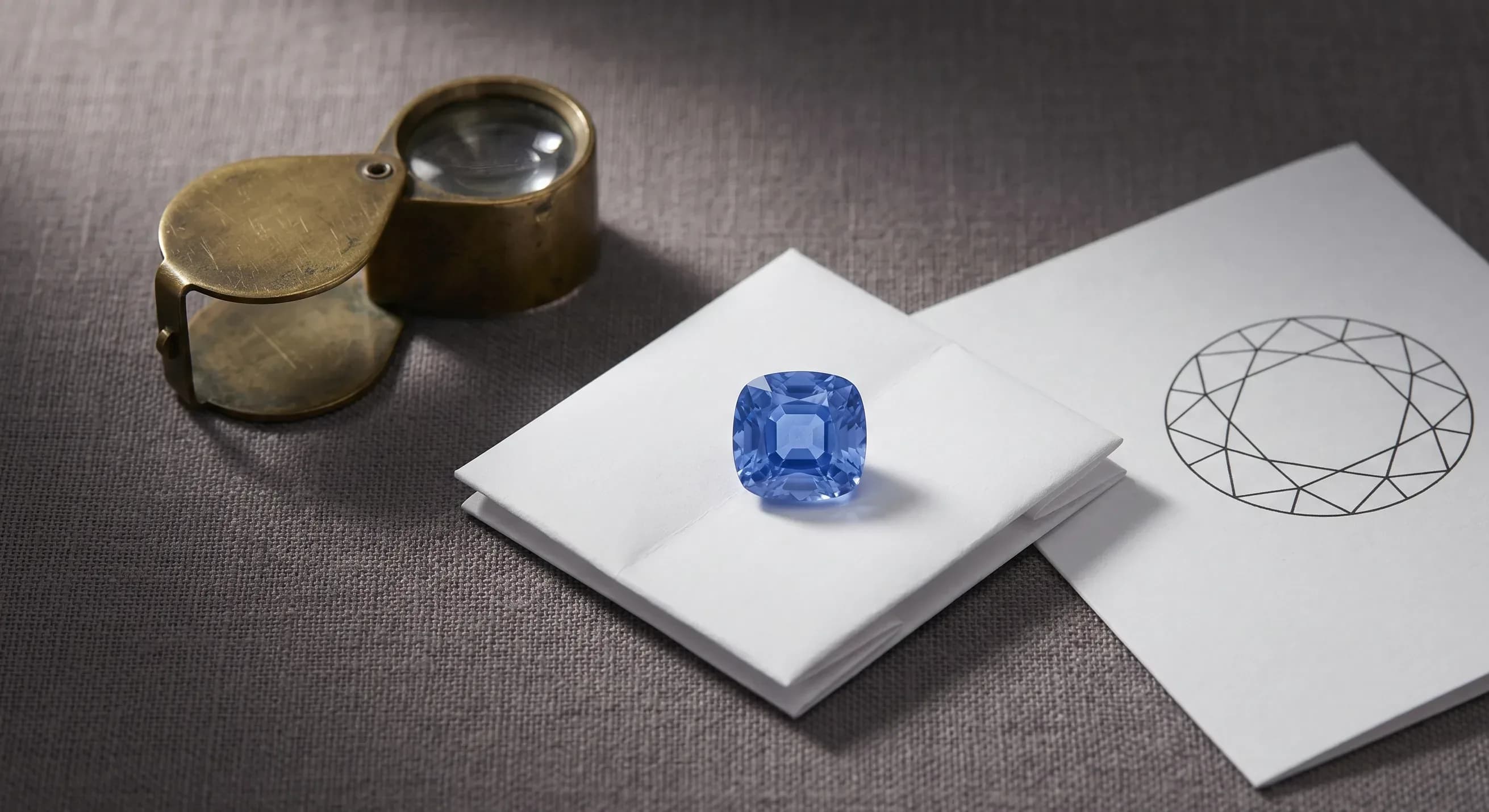
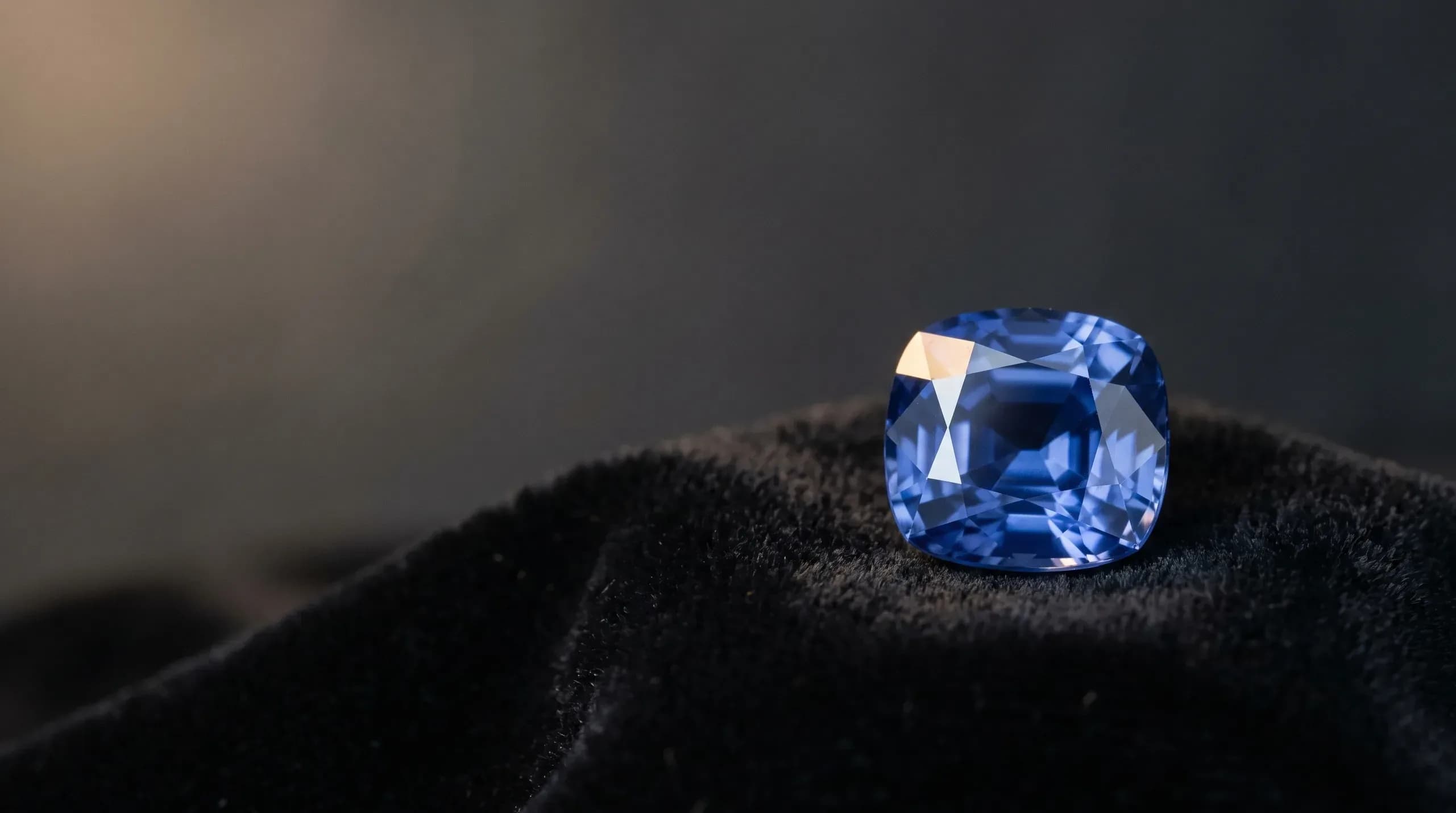
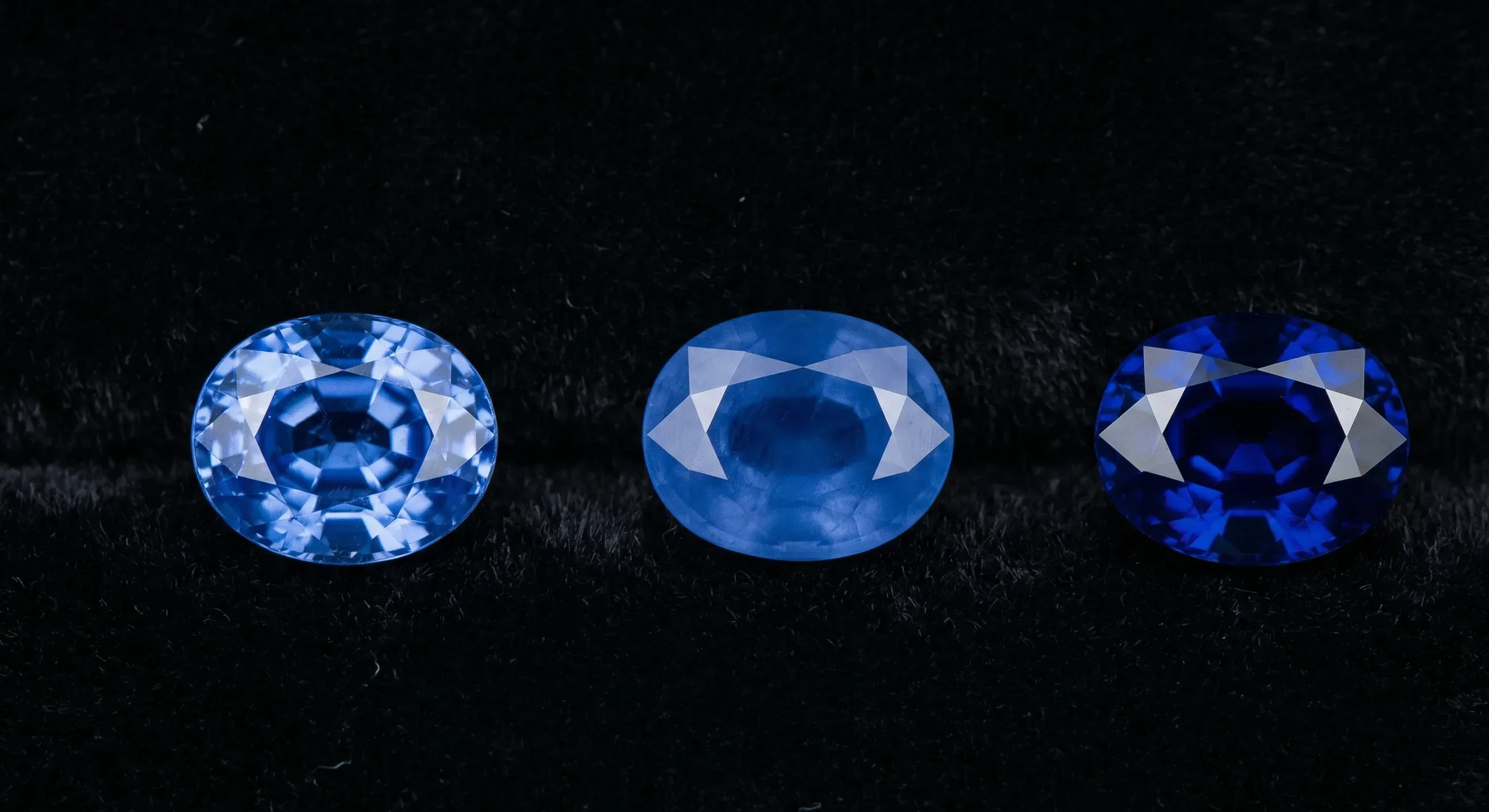
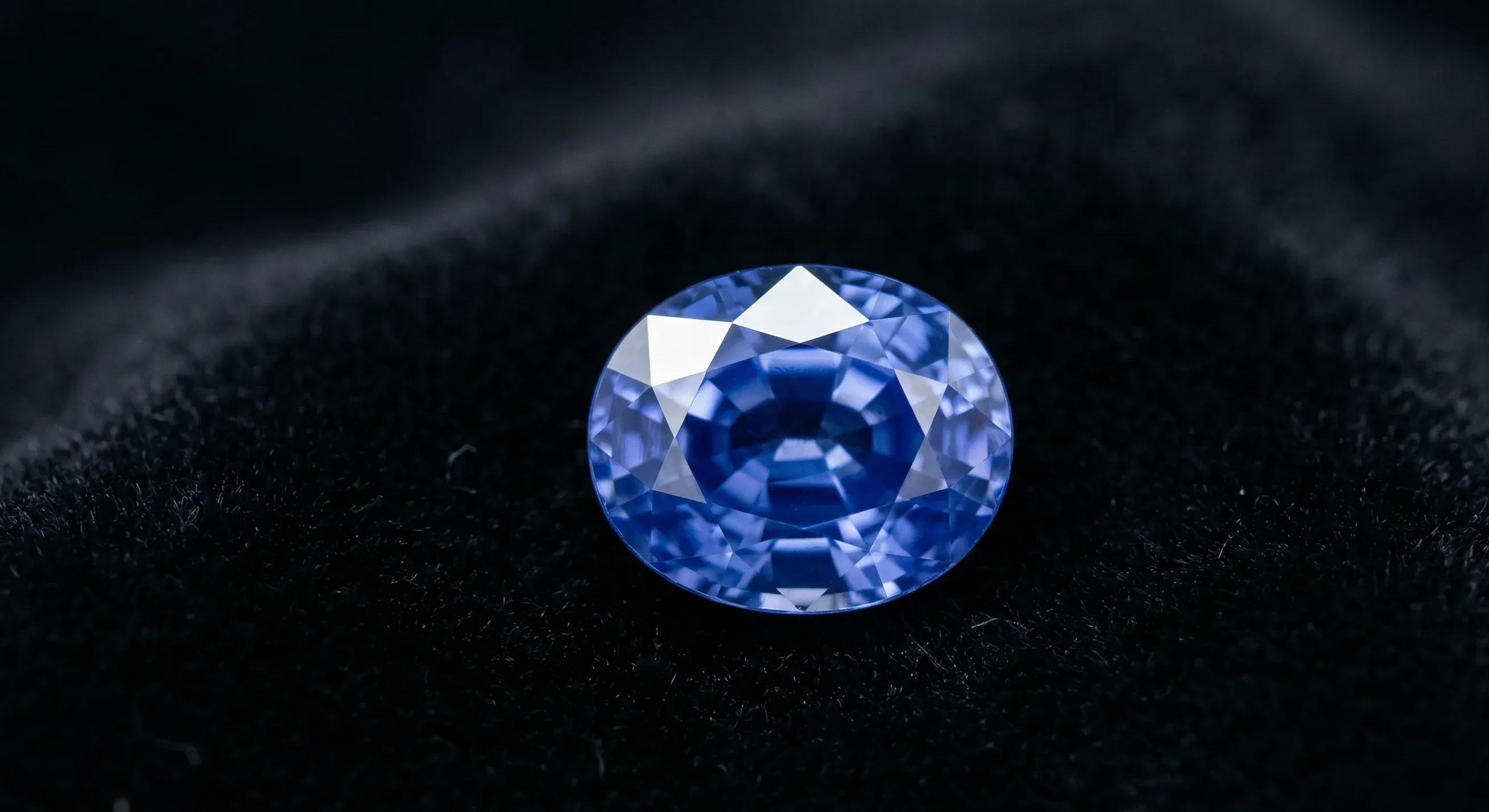
The cushion is one of the two standard cuts for Ceylon sapphire, with the oval, but a standard lab report does not grade its cut. Here is how the shape developed, what the outline and faceting options are, and the proportions to check before trusting one.
Why does one Ceylon sapphire cost three times as much per carat as another of the same colour? Here is how colour, treatment, carat weight, clarity, cut and lab reports stack up to set the price, with a checklist for testing any quote.
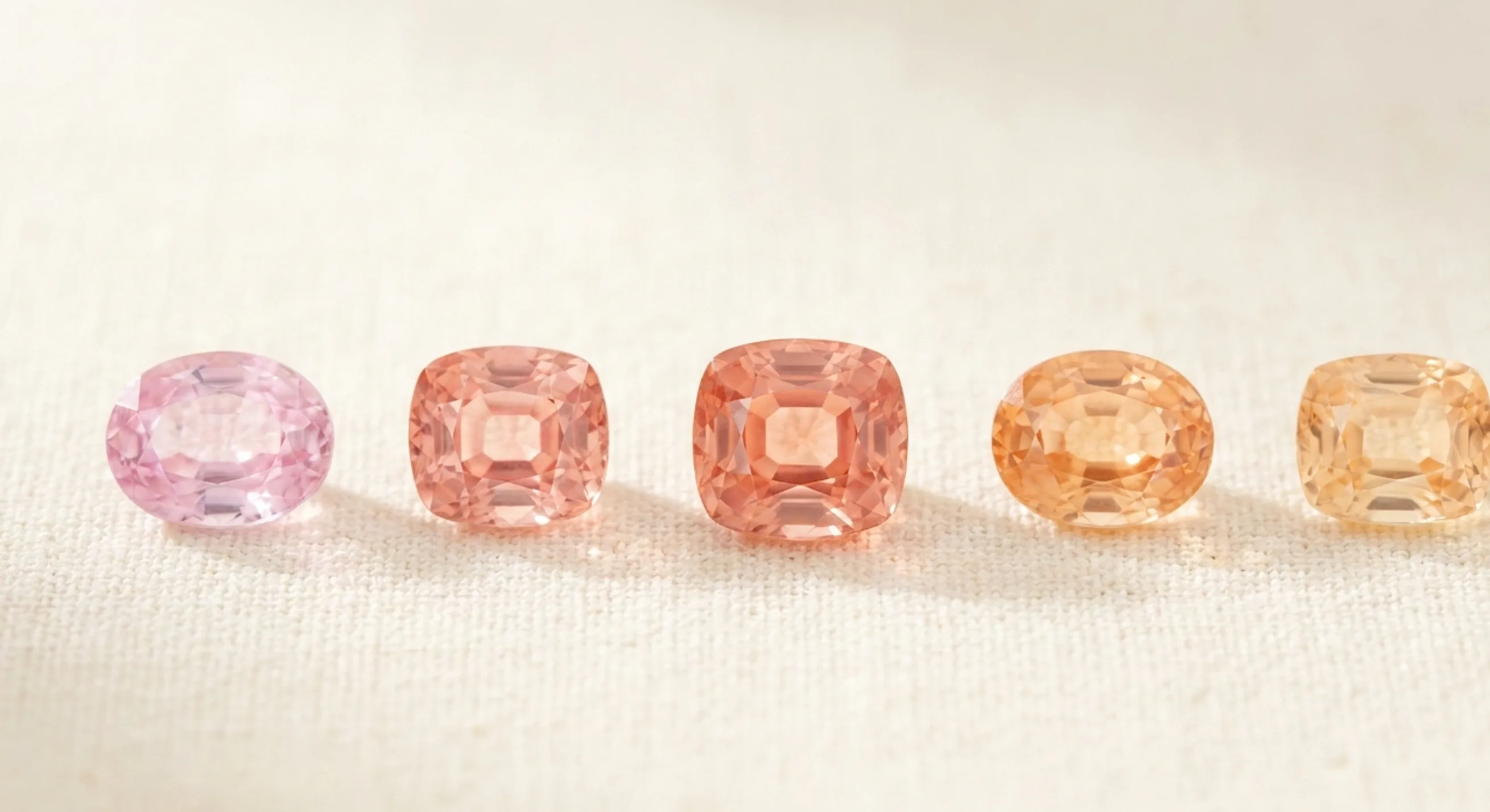
Padparadscha is a narrow band of pinkish orange to orangey pink, light to medium in tone and soft in saturation, judged in daylight. Here is where that glow starts and stops, why labs disagree on it, and the fading and diffusion tests that show whether it is real and permanent.
A founder's step-by-step framework for buying a natural Ceylon sapphire in any colour: what to decide first, how to judge a stone on video, which lab reports matter and when a certificate is worth paying for.
One padparadscha can look pink under one bulb and salmon in north daylight. This guide covers the chemistry behind that shift, how it differs from true colour change and from fading, and how to check a stone in every light before buying.
Padparadscha covers only a narrow band of pastel pinkish orange to orangey pink. This grading map shows where that band starts and ends, and why a stone just outside it sells for a fraction of the price.
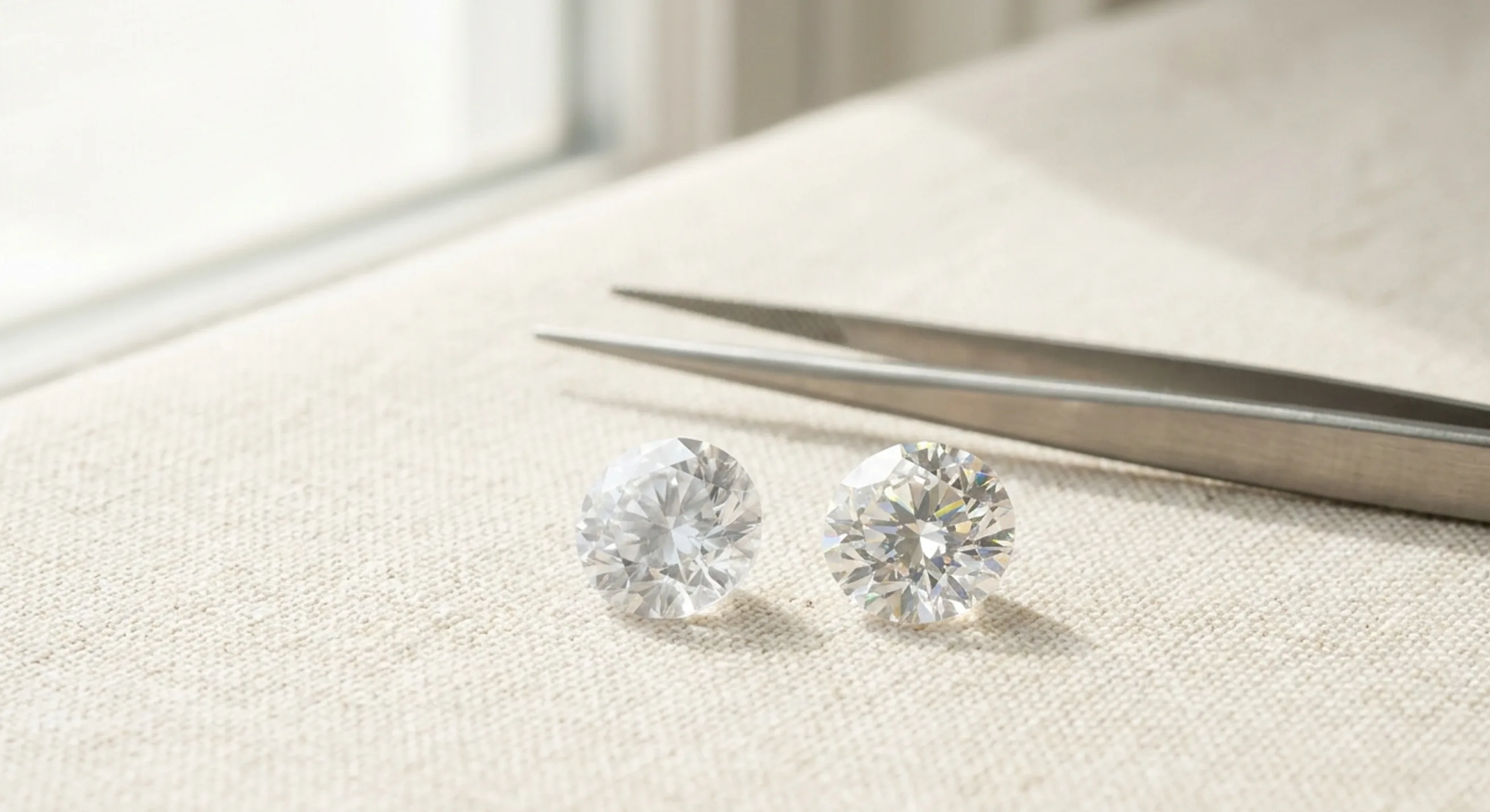
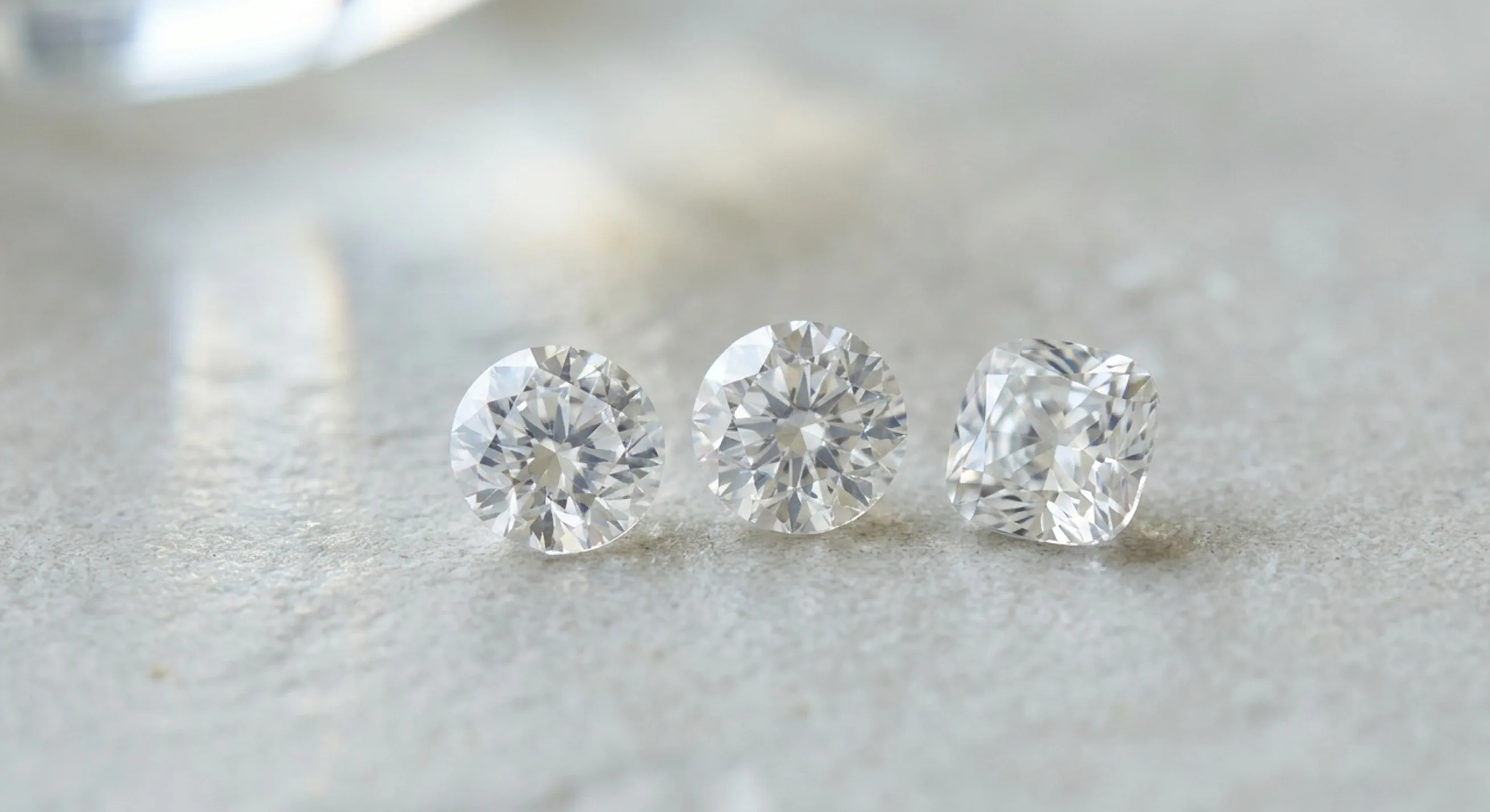
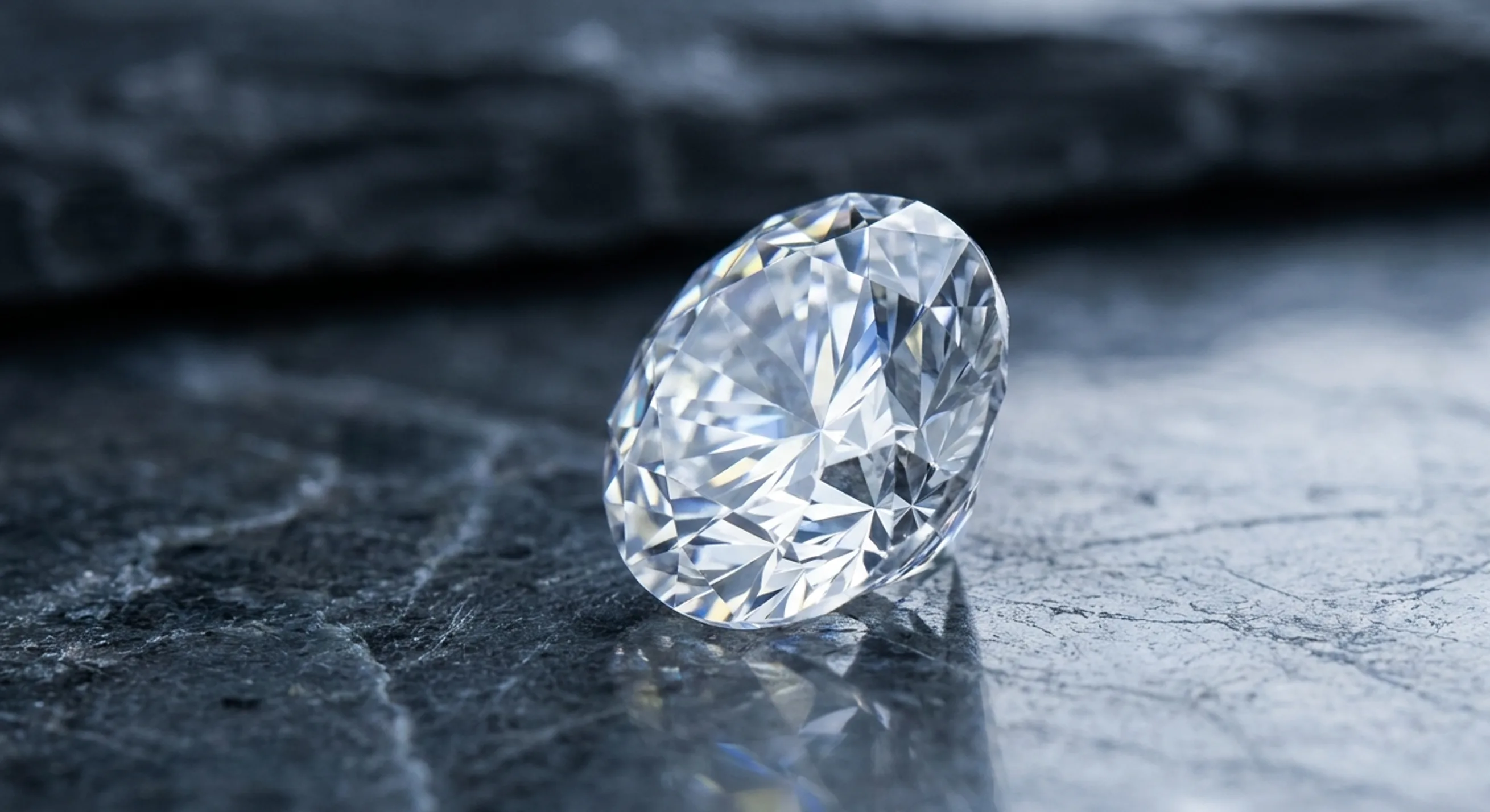
A side-by-side look at white sapphire and diamond on sparkle, hardness, daily wear, price per carat and identification. It includes what Sri Lankan cutters do to make white sapphire brighter, and an honest view of when a diamond is the better buy.
A dealer's five-factor checklist for judging any Ceylon sapphire: colour, clarity, cut, origin and treatment. Each factor comes with a Sri Lankan benchmark and the red flags to check on any listing or certificate.
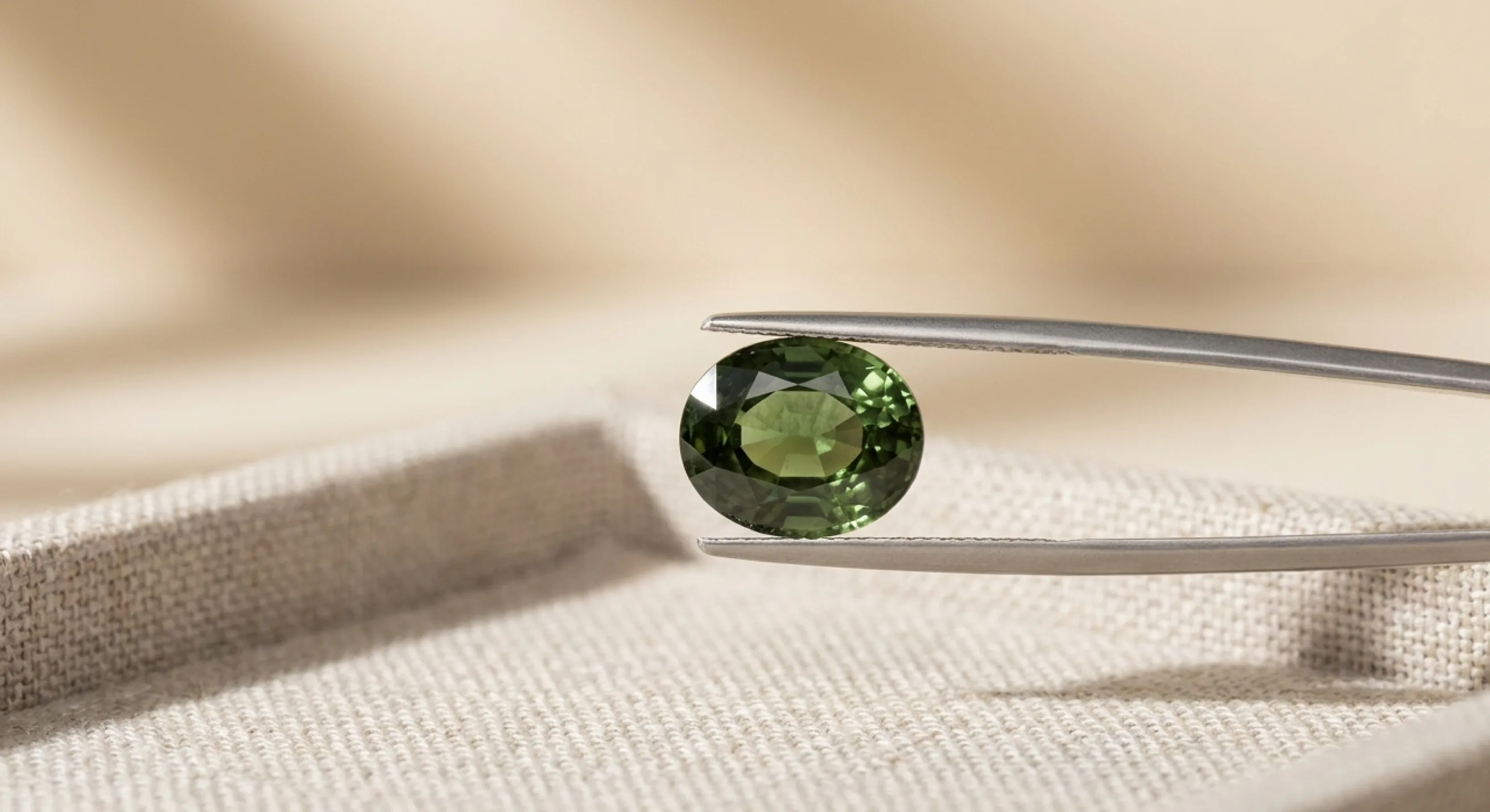
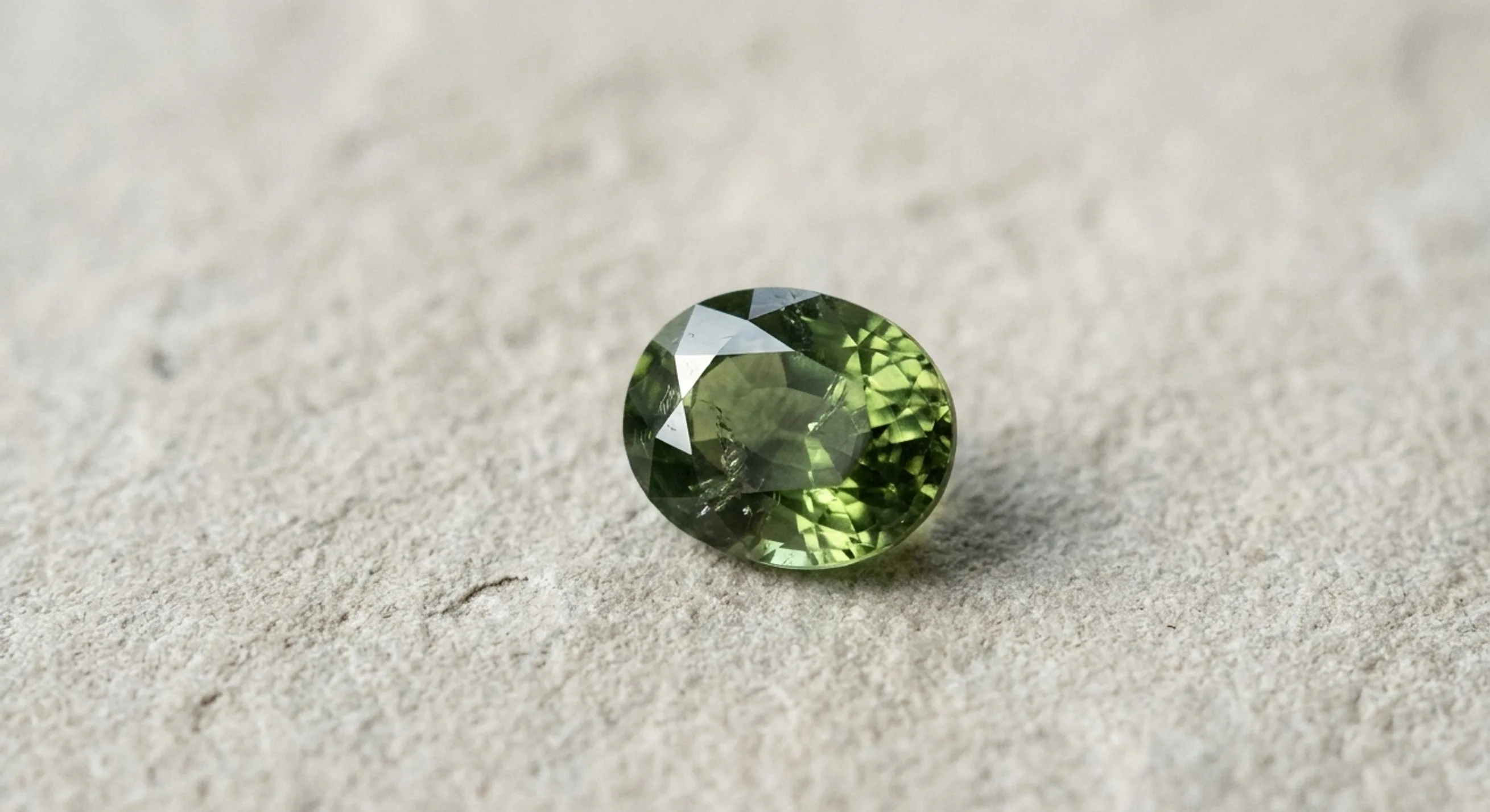
Buying a loose green sapphire means judging the stone on its own terms before it disappears into a setting. Here is what to check and where genuine unheated Ceylon material comes from.
A practical guide to sourcing genuine Sri Lanka sapphires: where to buy, what paperwork to demand, and why buying loose from an origin brand beats layers of resale markup.
A trust-and-provenance guide to picking a gemstone dealer without getting burned, from certification and return policy to how deep the supply chain actually runs.
A clear-eyed look at the diamond alternatives buyers actually consider, and why a natural Ceylon white sapphire earns its place over disposable simulants.
A working guide to building a colored gemstone collection with staying power, from balancing color and origin to why documentation compounds and unheated Ceylon material anchors the whole thing.
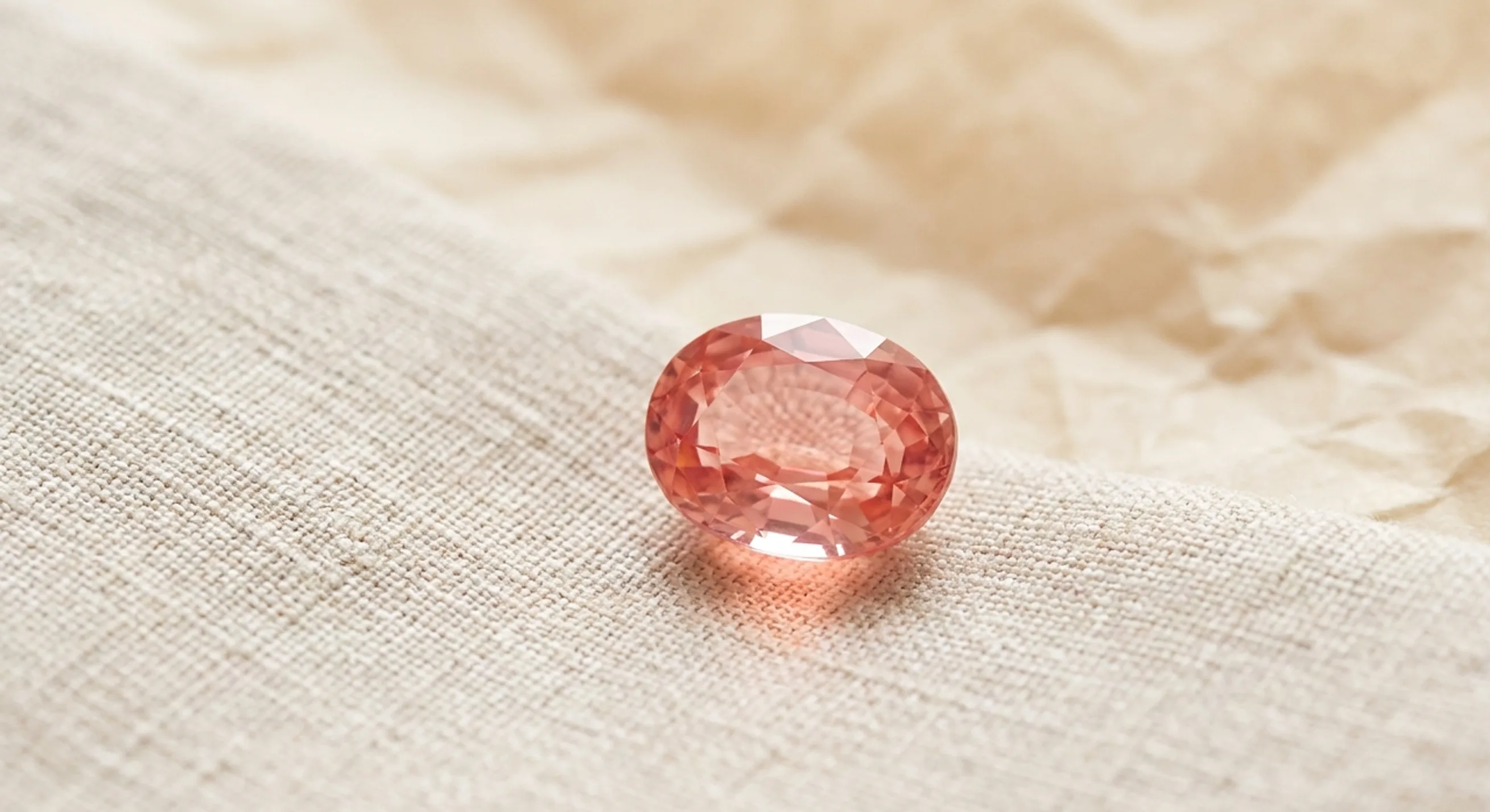
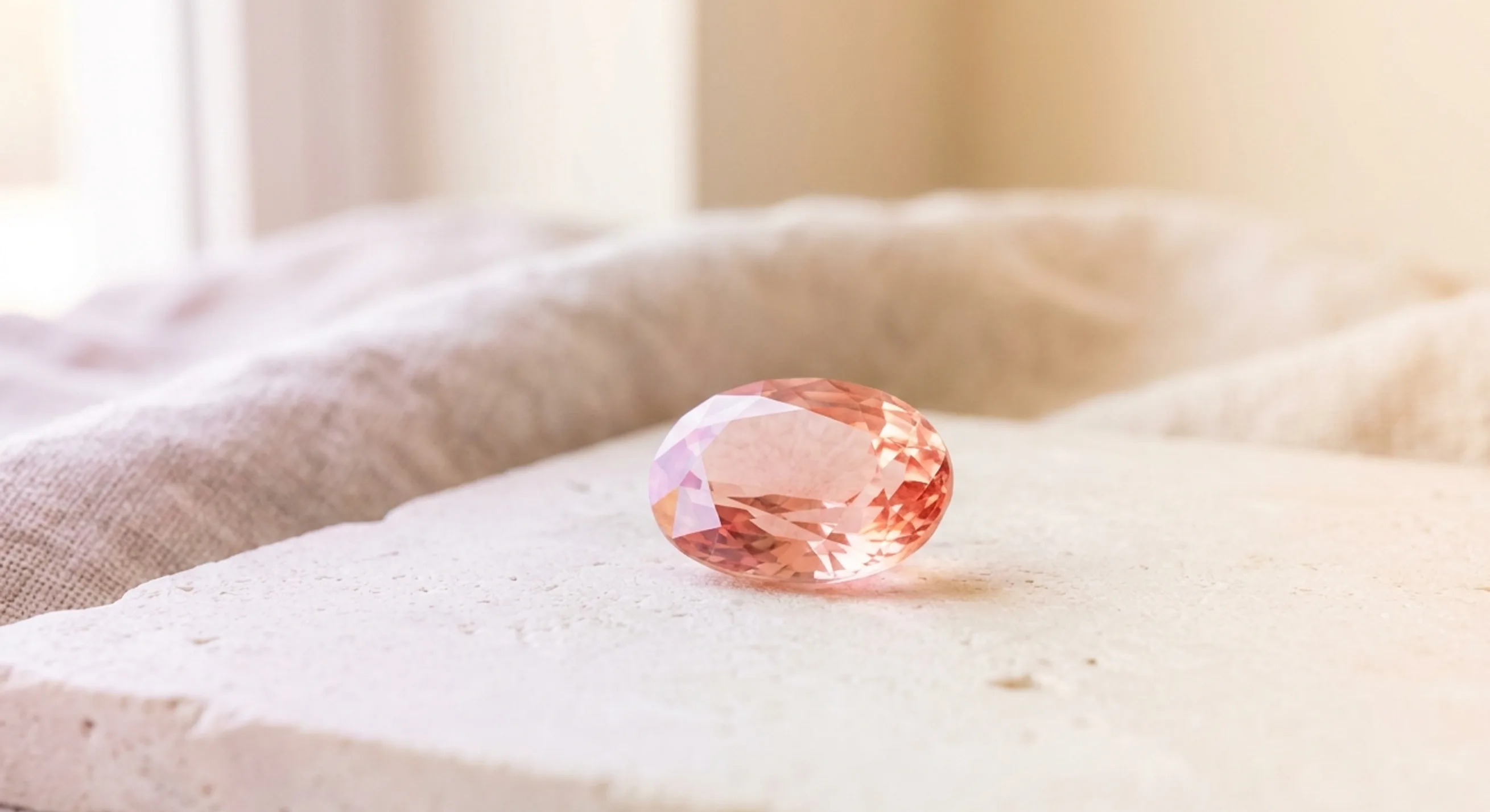
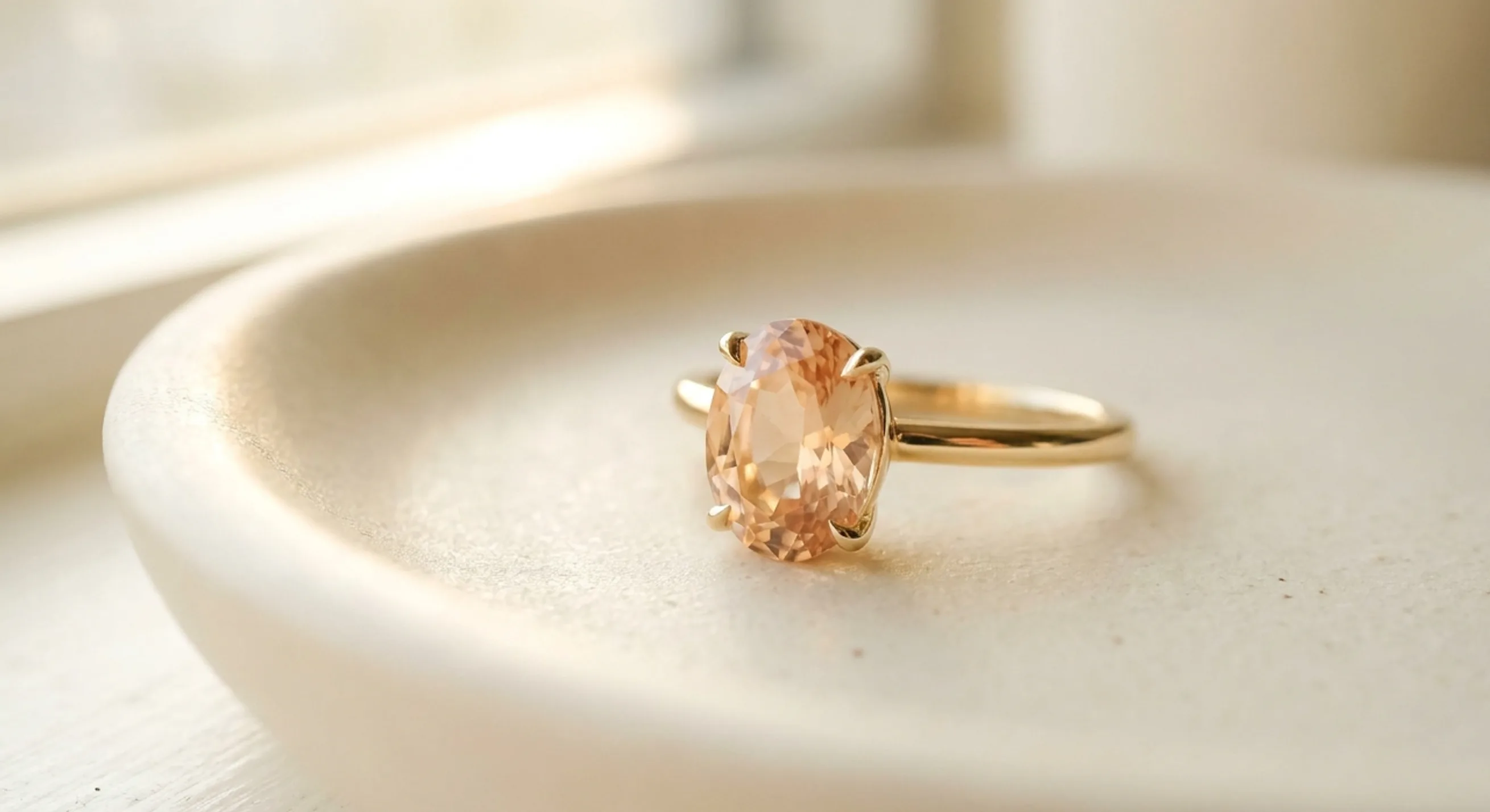
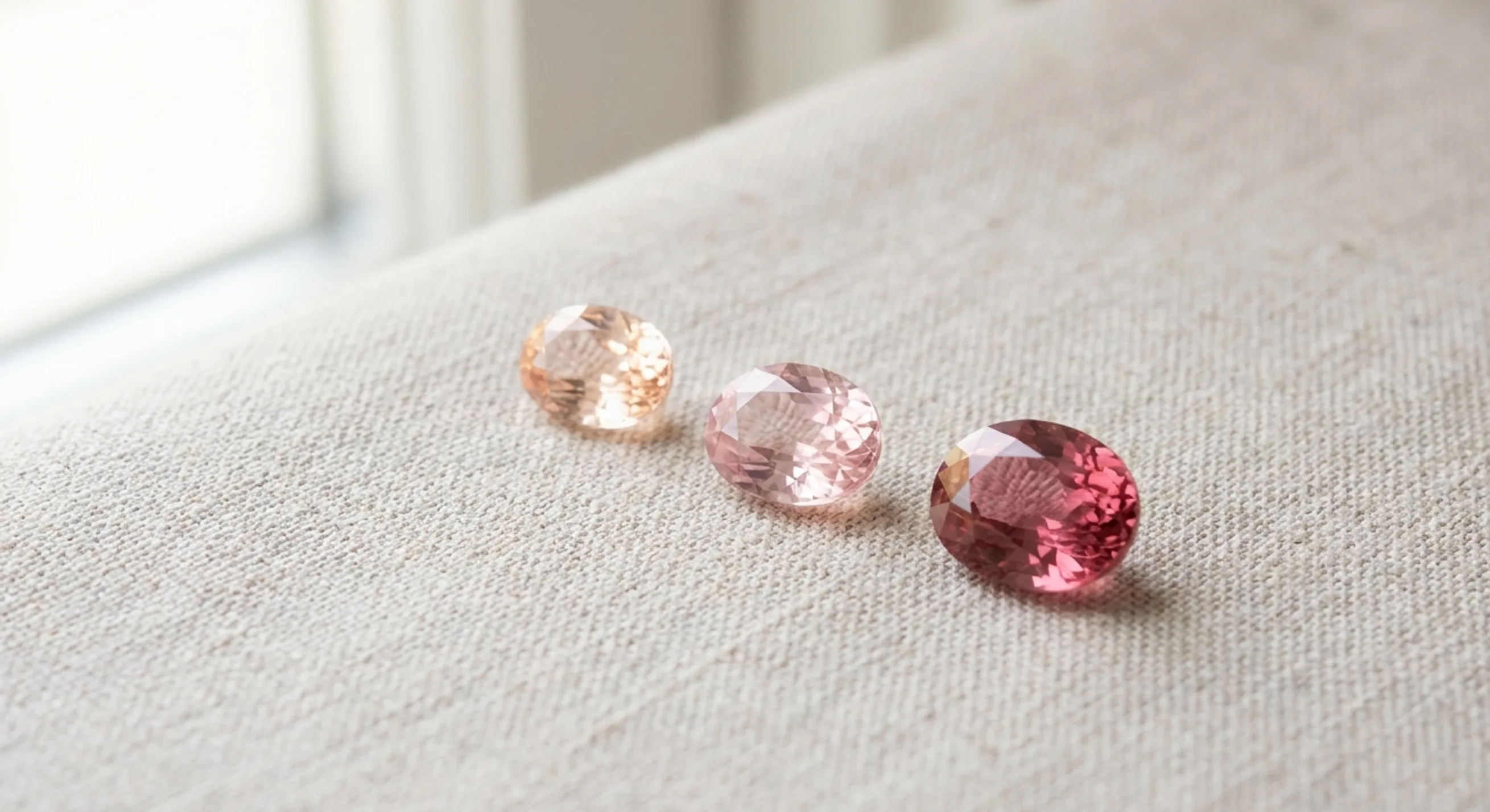
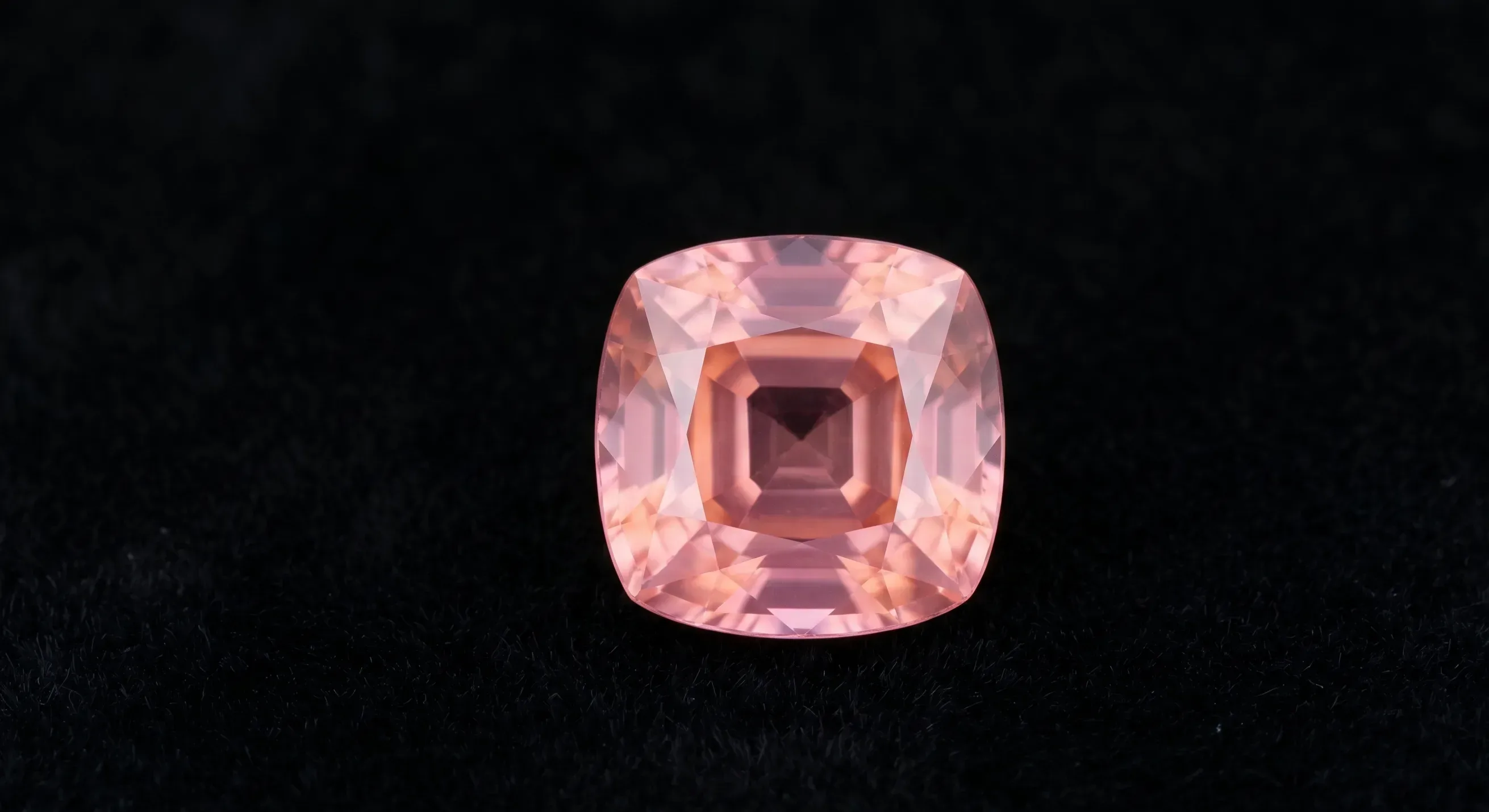
Peach Ceylon sapphire is the soft, warm hue quietly taking over romantic engagement rings. Here is how to read tone, undertone, and value before you commission one.
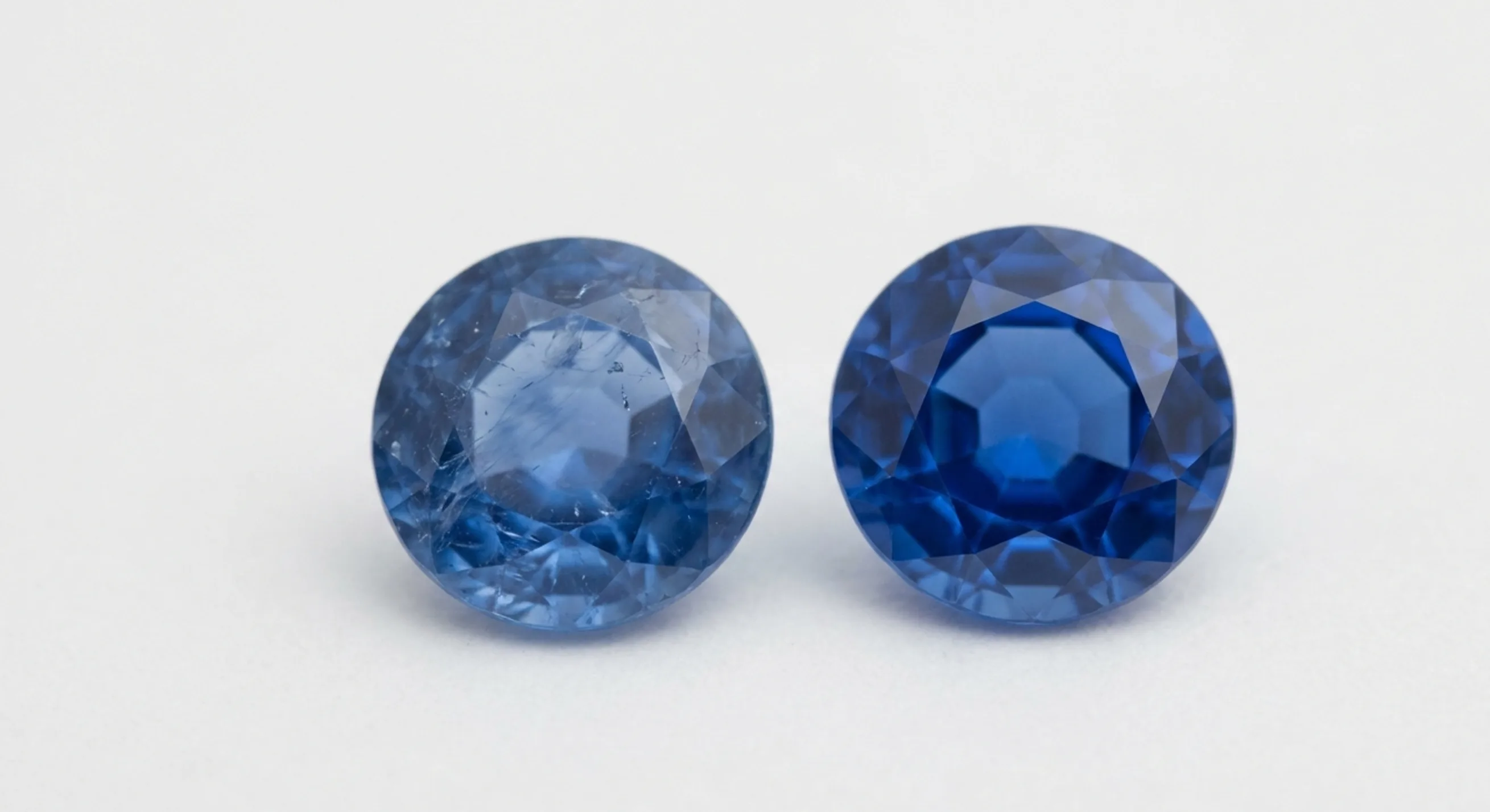
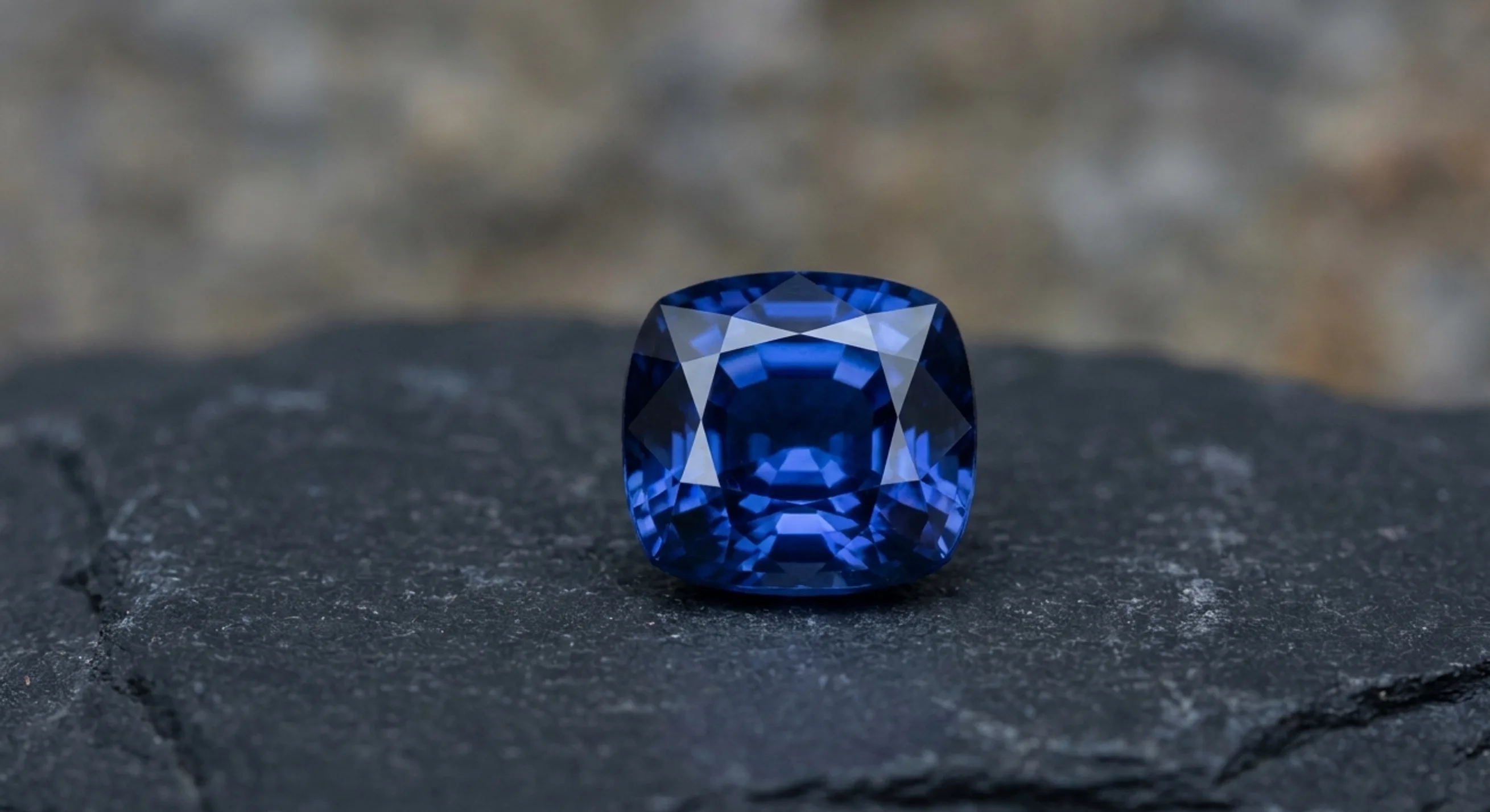
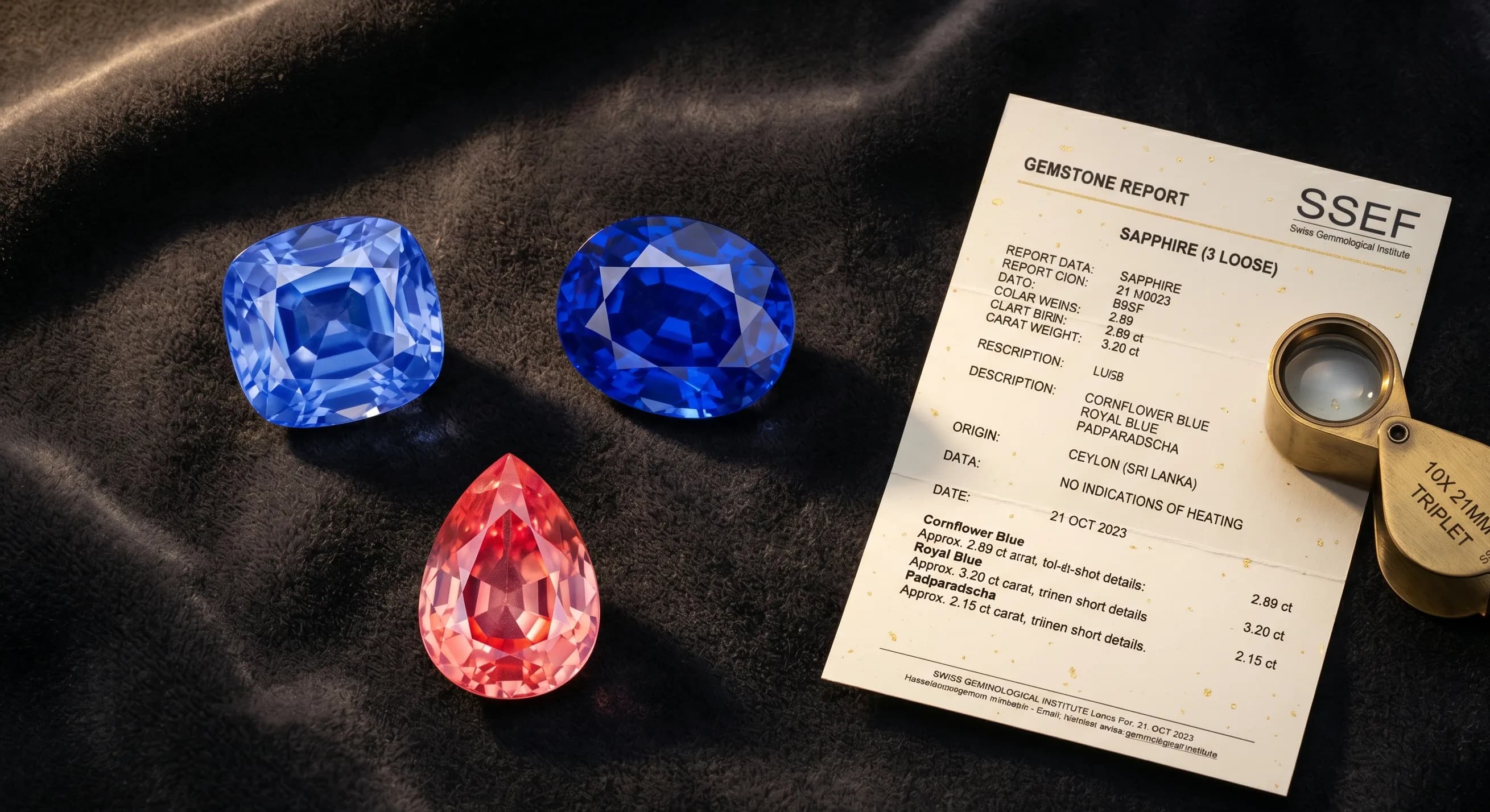
Royal blue is the deep, saturated end of the Ceylon blue spectrum. This guide defines the grade, explains the tone and saturation that drive its premium, and shows how Crestonne separates true royal blue from over-dark stones.
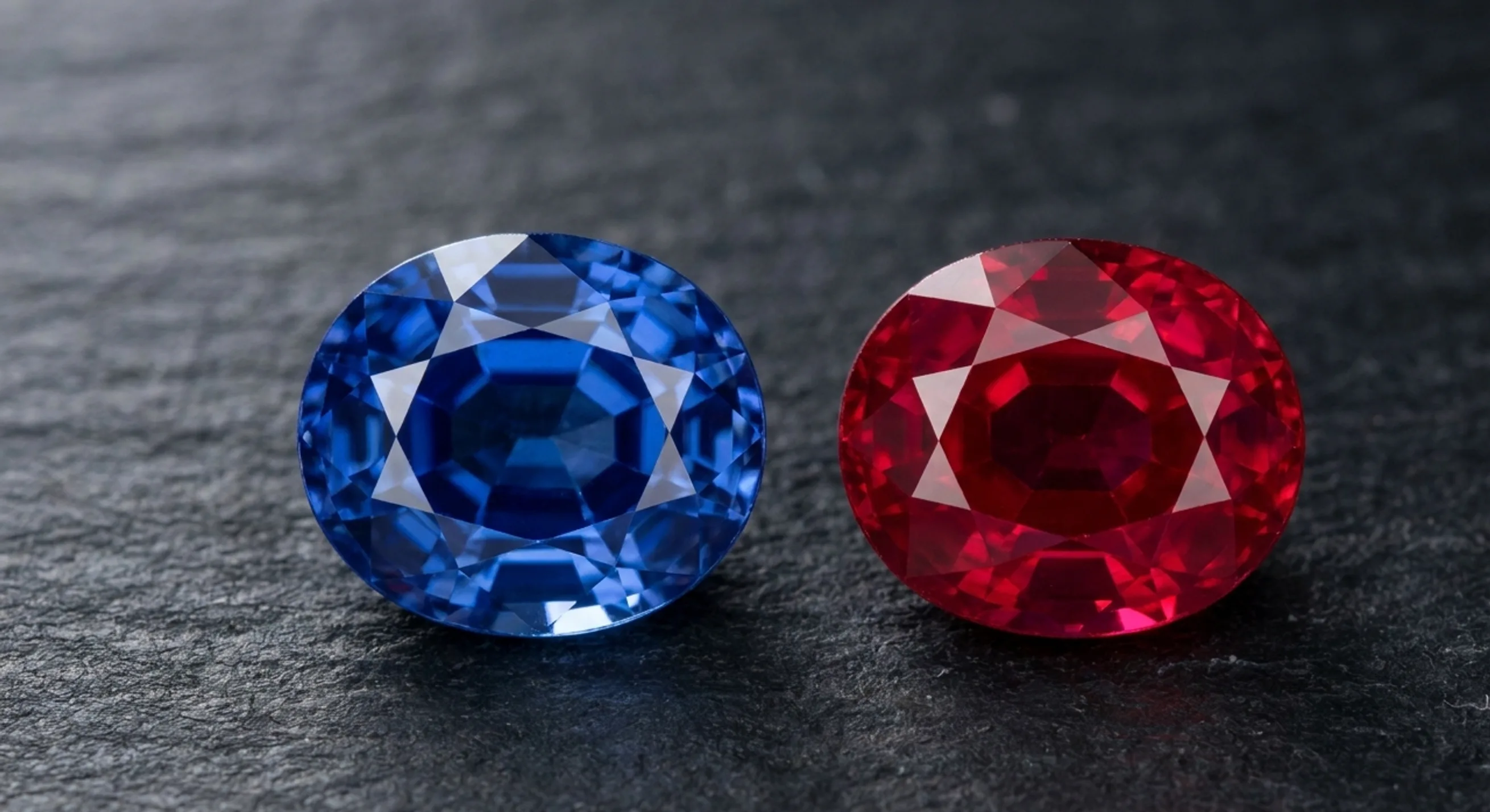
Sapphire and ruby are one mineral wearing two colours. Here is how a trace of chromium turns corundum red, and where the line between pink sapphire and ruby actually sits.
Natural green Ceylon sapphire runs from forest to mint, colored by iron rather than the usual chromium and titanium. Here is how to read the tone and spot a stone that stays alive under any light.
Sri Lanka has produced the world's benchmark sapphires for over two millennia. This is why origin still matters, and what actually separates a Ceylonese stone from the rest.
Sapphire has stood for truth, protection, and divine wisdom across three millennia. Here is what the stone means across traditions, and why fine Ceylon material carries that weight better than most.
Natural white sapphire is a colorless Ceylon stone that reads as a durable, honest alternative to diamond and moissanite. This guide covers how it compares, what treatment means, and what to expect from rough to cut.
A dealer's checklist for separating a genuine natural blue sapphire from synthetics, diffusion-treated stones, and glass-filled composites, and knowing what "natural" should actually guarantee at your price point.
What a blue sapphire actually costs comes down to five factors that compound each other. This is a realistic breakdown of the ranges and the reasons behind them.
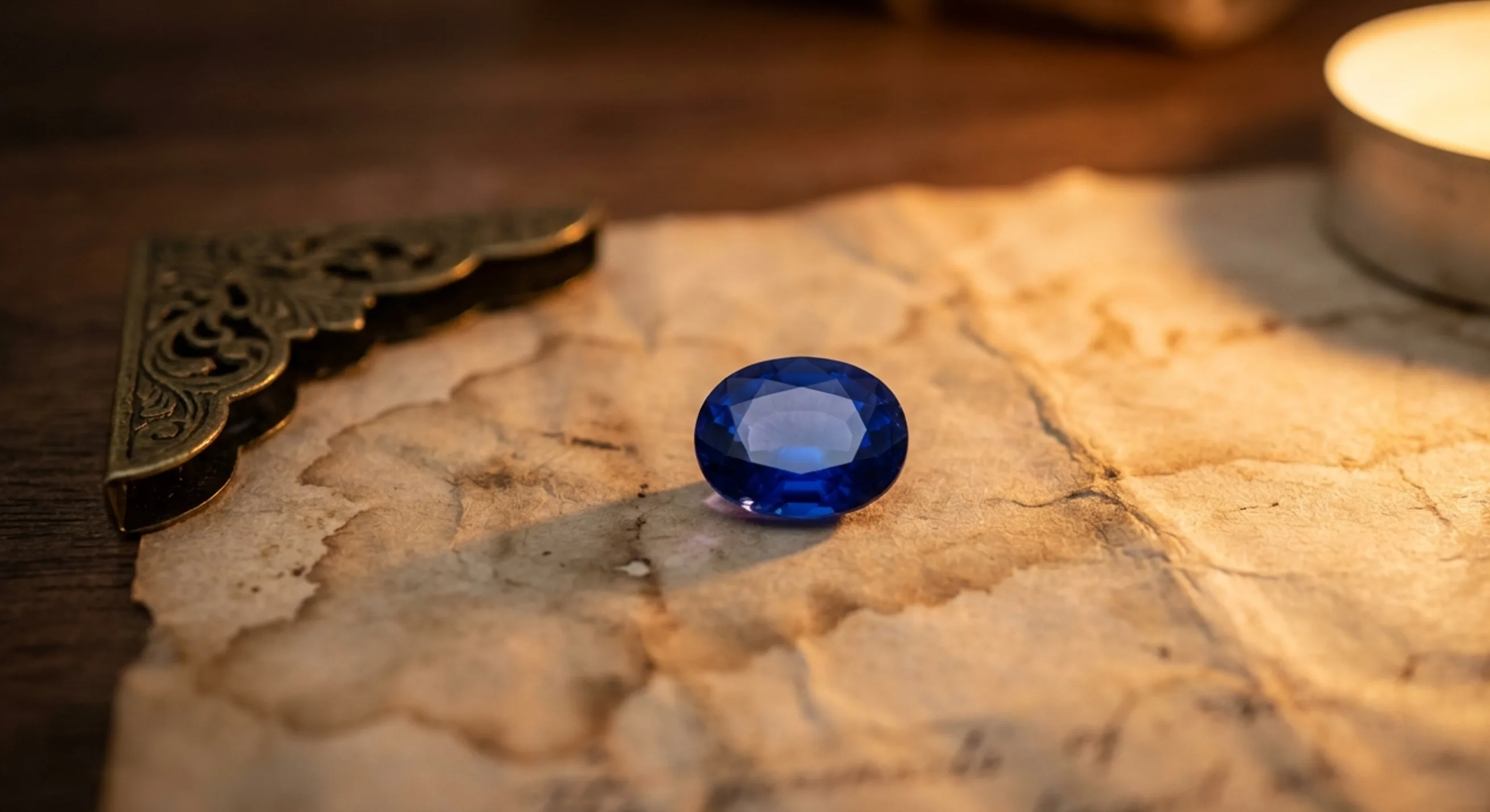
Blue sapphire is corundum coloured by trace iron and titanium, and Ceylon origin defines the benchmark blue. Here's how colour, clarity and origin actually shape what a stone is worth.
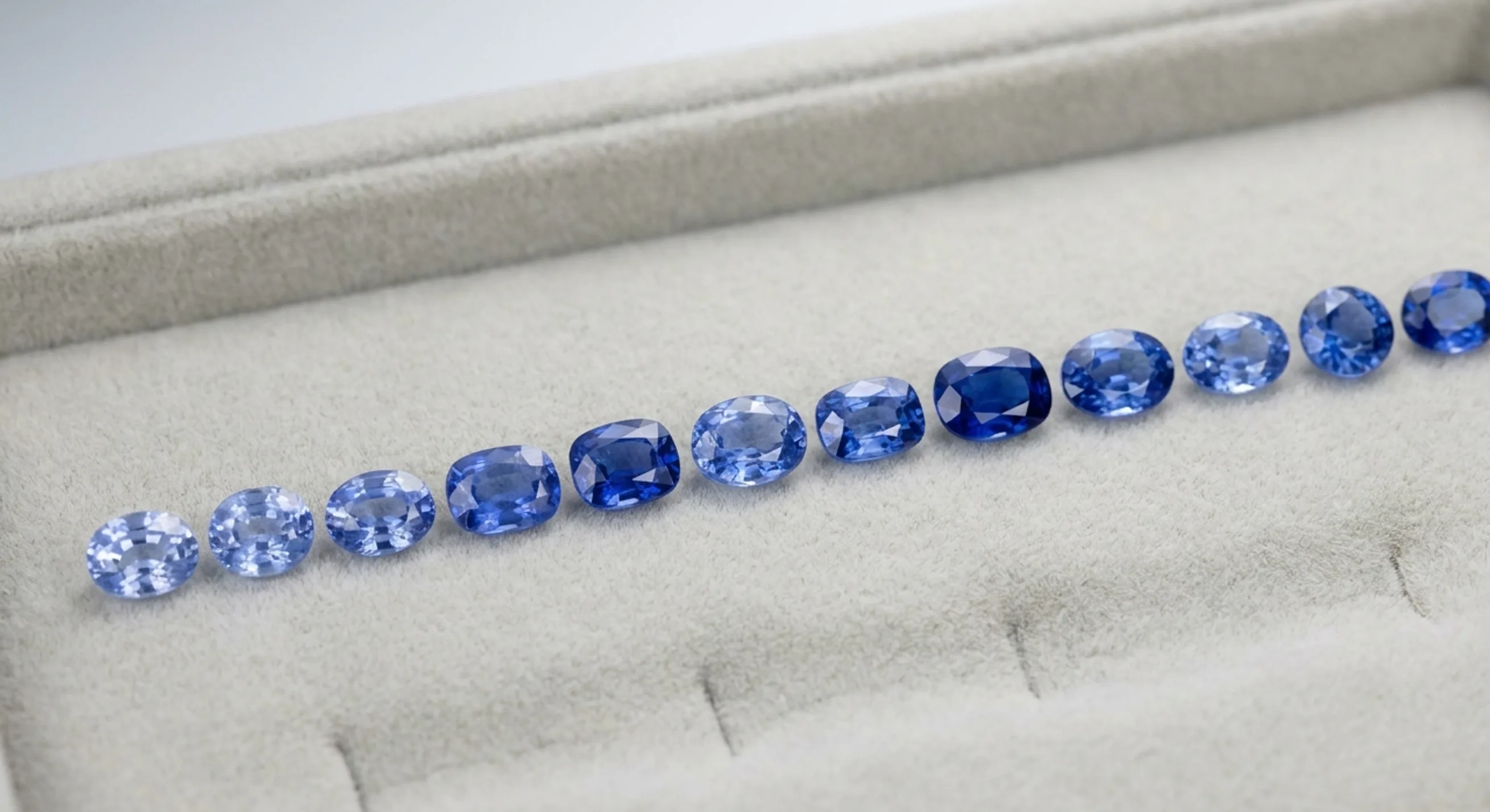
Cornflower blue is the most coveted Ceylon sapphire hue. Here's how to recognise the real thing versus marketing language, and what it means set in a ring.
Oval and cushion lead 2026 demand, but the best sapphire cut is the one that shows your stone's colour at its best. A shape-by-shape guide to face-up size, colour retention, price, and the difference between a native cut and a precision recut.
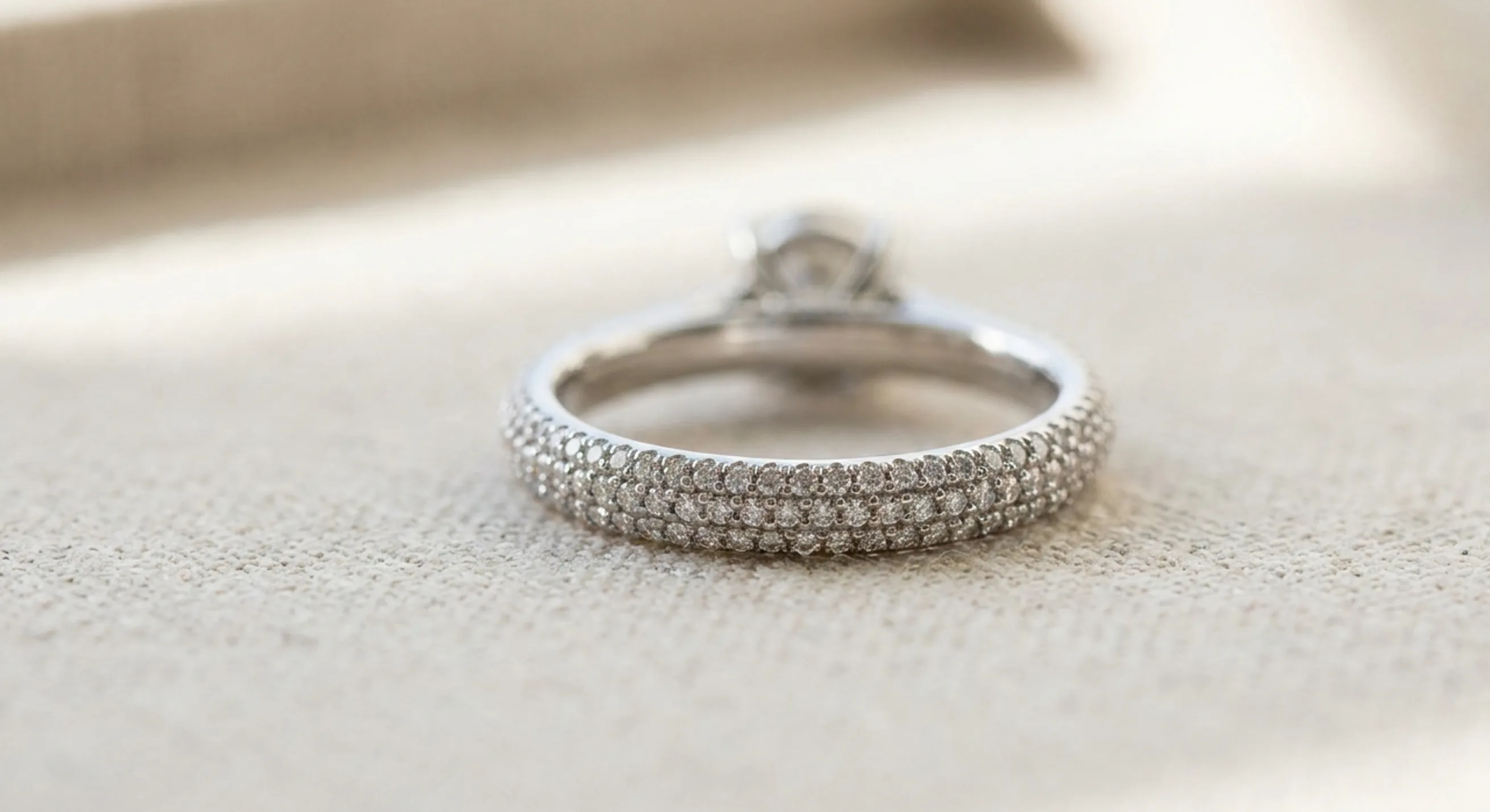
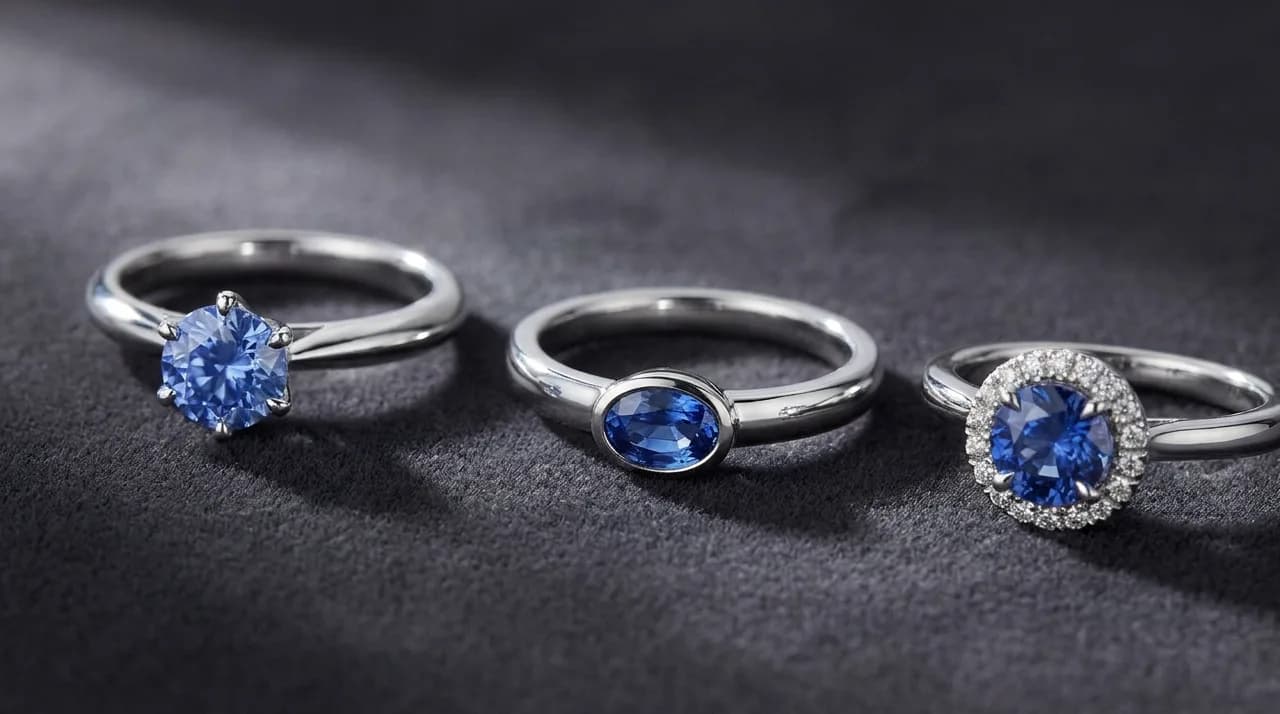
Bezel, prong, or halo? The best setting for a sapphire engagement ring is the one that matches how you live, not the one that photographs best. Here is how the settings compare, which metals flatter which colours, and what holds up to everyday wear.
Buy the stone first, the ring second. A loose sapphire has nowhere to hide, which is exactly why it is the smarter way to build an engagement ring. Here is how to inspect, set, and size one, and what it saves against retail.
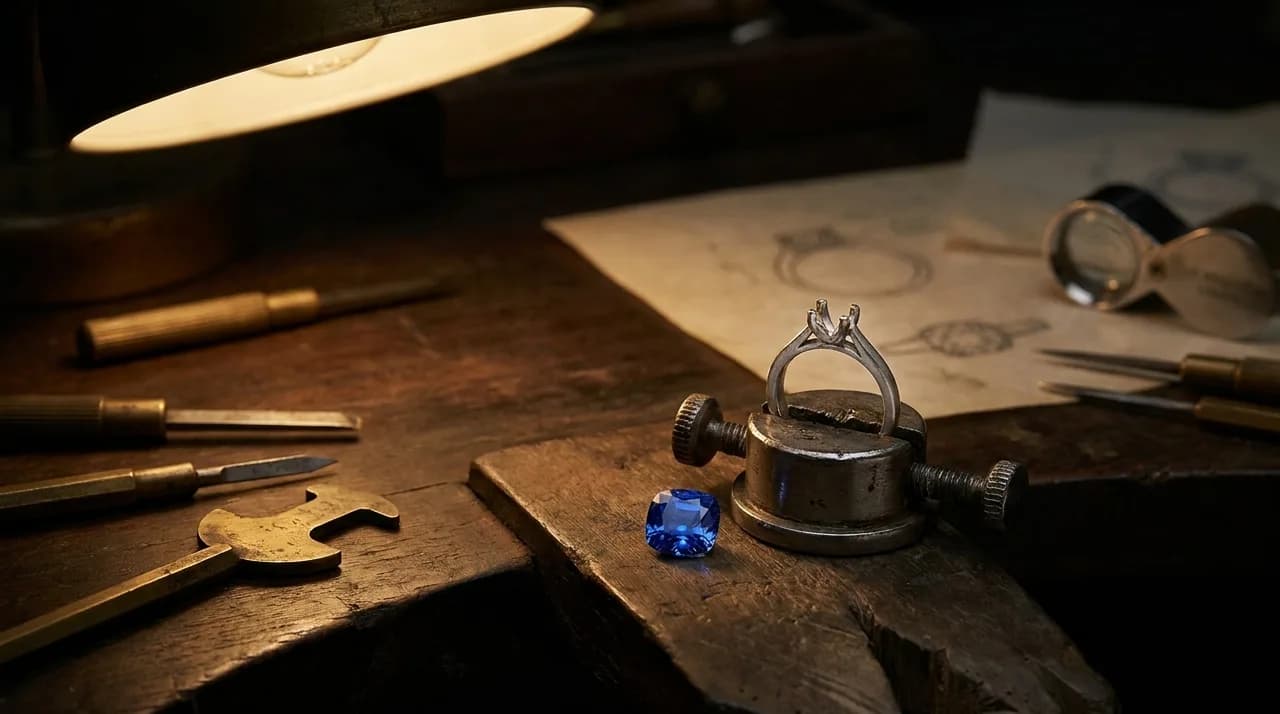
A custom sapphire engagement ring usually costs less than its retail equivalent, not more. Here is the four-stage commission process, a realistic cost breakdown, and the timeline to plan backwards from a proposal date.
Lab-grown and natural Ceylon sapphires share the same chemistry, hardness, and sparkle, but not the same inclusions, price, or resale value. Here is how synthetic corundum is grown, how to tell it from a natural stone, and which one is the right buy for you.
A parti sapphire holds two or more distinct colours in a single crystal, split by a visible boundary no two stones share. Here is how the zoning forms, how Ceylon parti compares to Australian, how it differs from a teal, and what to look for when buying one.
Teal sapphires sit between blue and green, the colour of deep water, and most are sold unheated. Here is how to judge the blue-to-green ratio, weigh Ceylon against Montana and Australian stones, and choose the setting, metal, and certification for a teal sapphire engagement ring.
Small-scale gem mining sustains entire villages in Sri Lanka through a profit-sharing model that splits the value of a found stone across landowner, financier, and digger. Here is its real community impact, told honestly.
A Ceylon sapphire passes through six to nine hands between the pit and a buyer's finger. Here is the real supply chain, traced through one stone we currently sell, and how Crestonne shortens it.
Sapphires can be an asset class, but only a narrow slice of the market actually appreciates. Here is what holds value over time, what does not, and how to approach a sapphire investment without getting burned by the trade's worst habits.
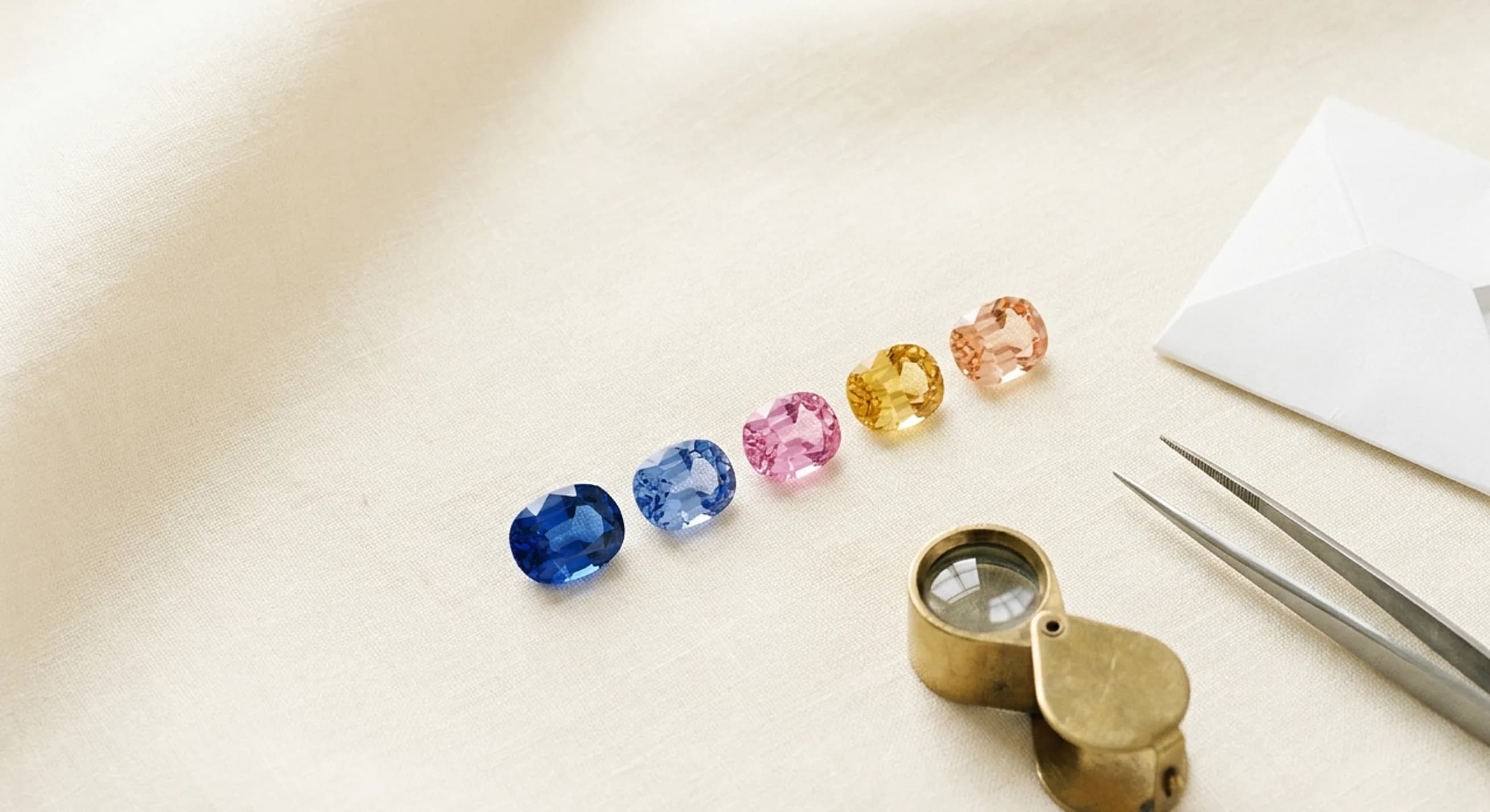
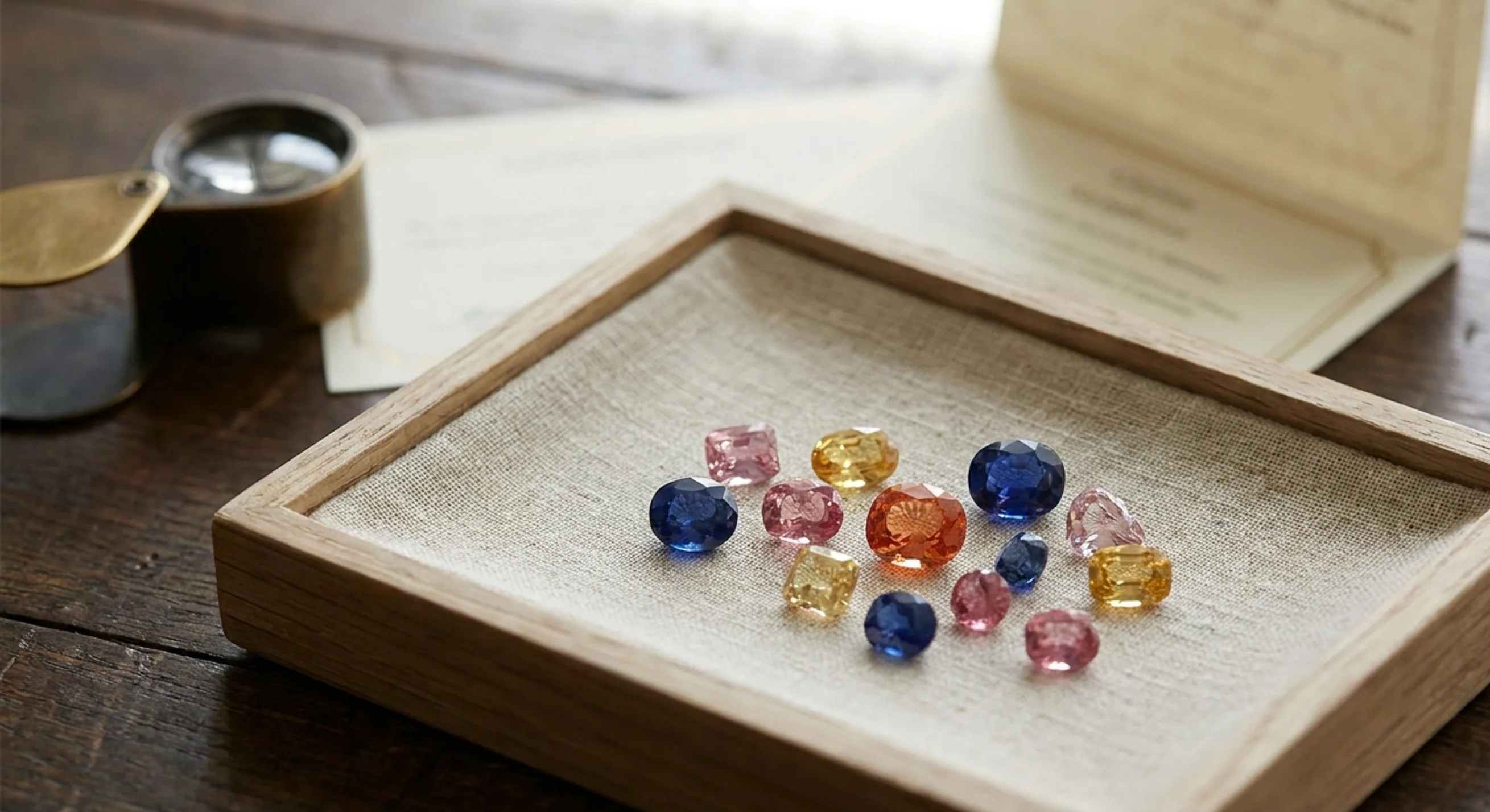
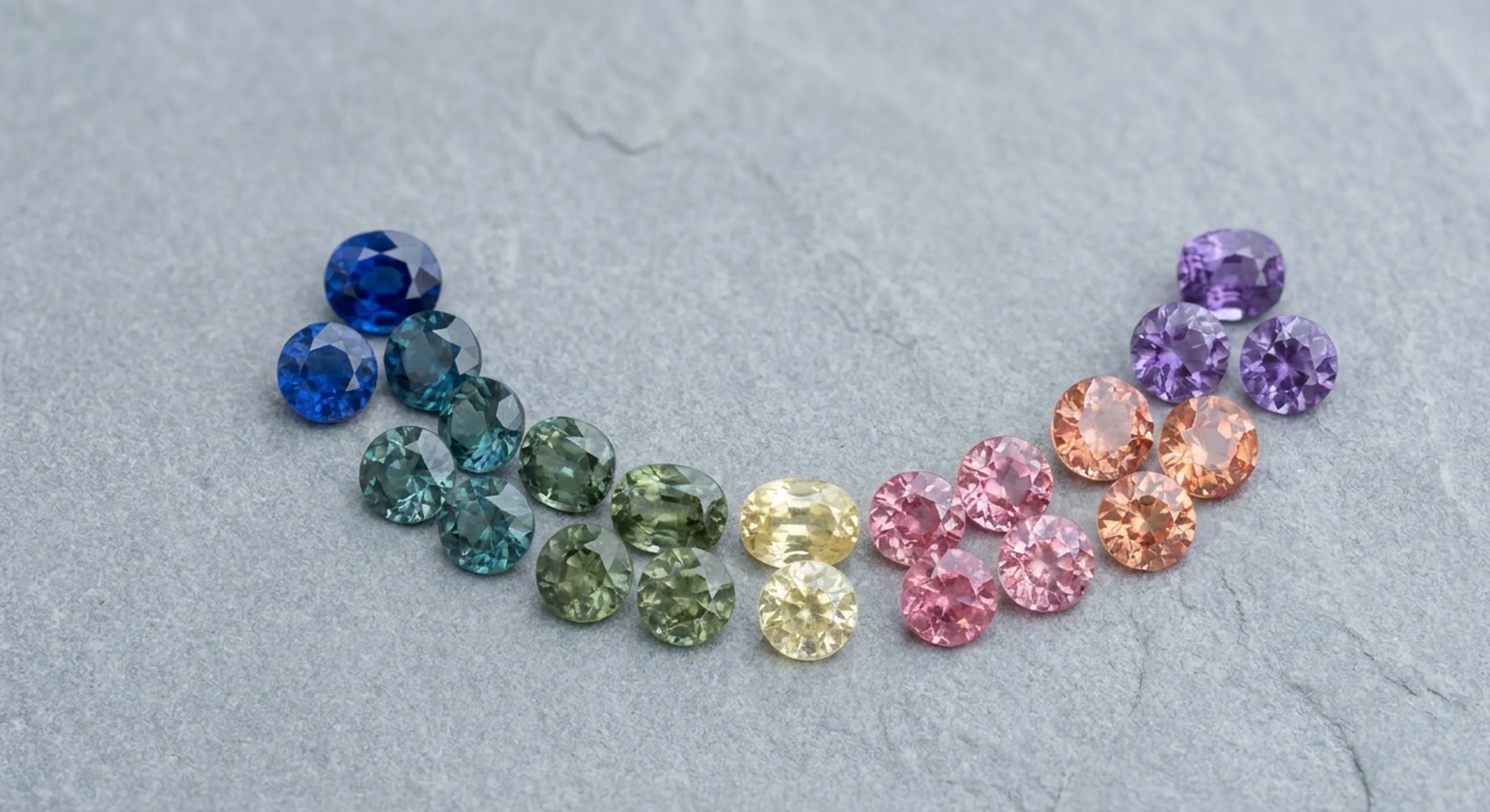
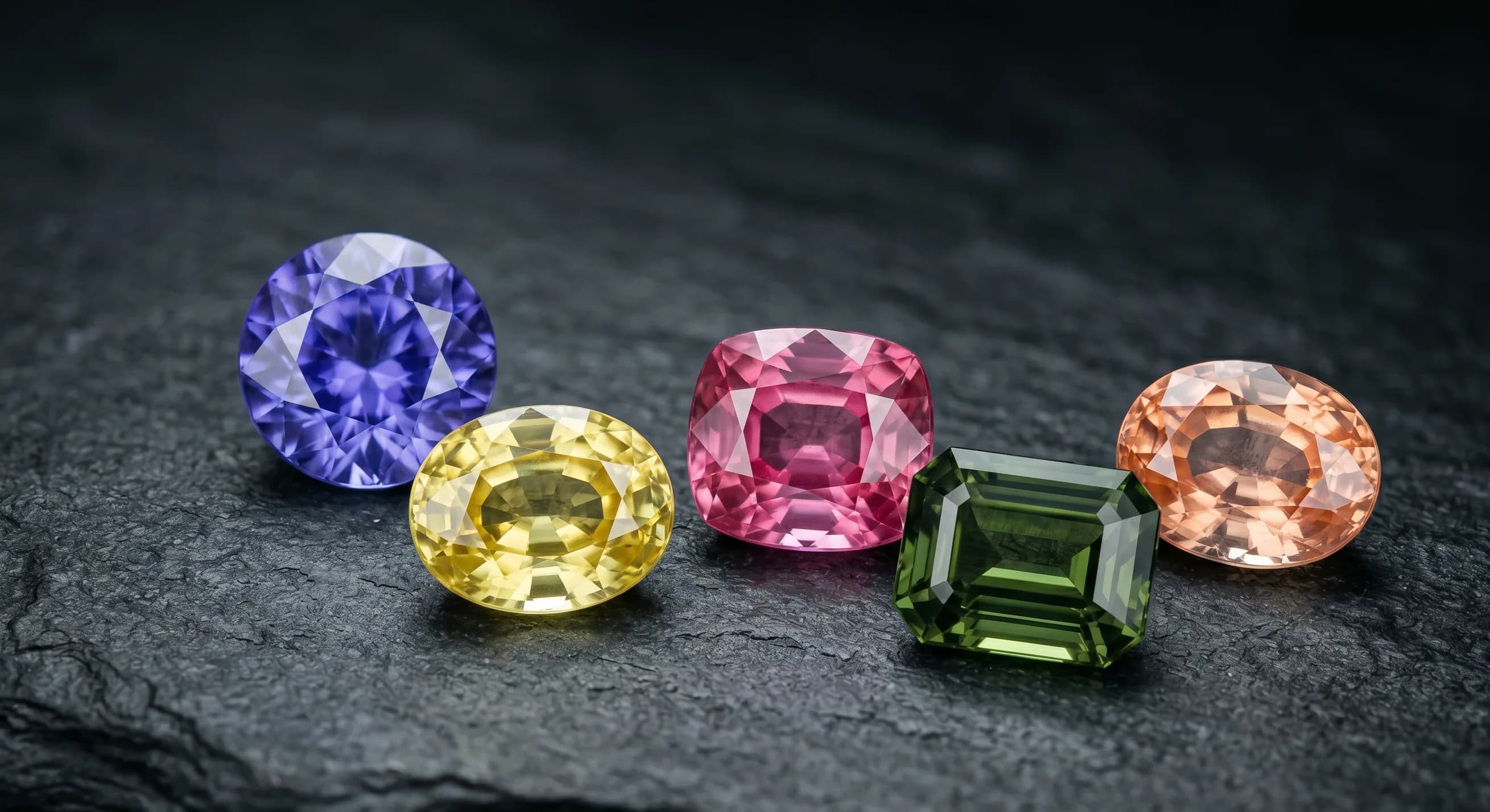
September's birthstone is sapphire, but sapphire is not only blue. Fancy sapphires in yellow, pink, violet, and green, parti-coloured sapphires that split between two hues, and rare non-corundum Sri Lankan stones all qualify. Here is how to pick the right one.
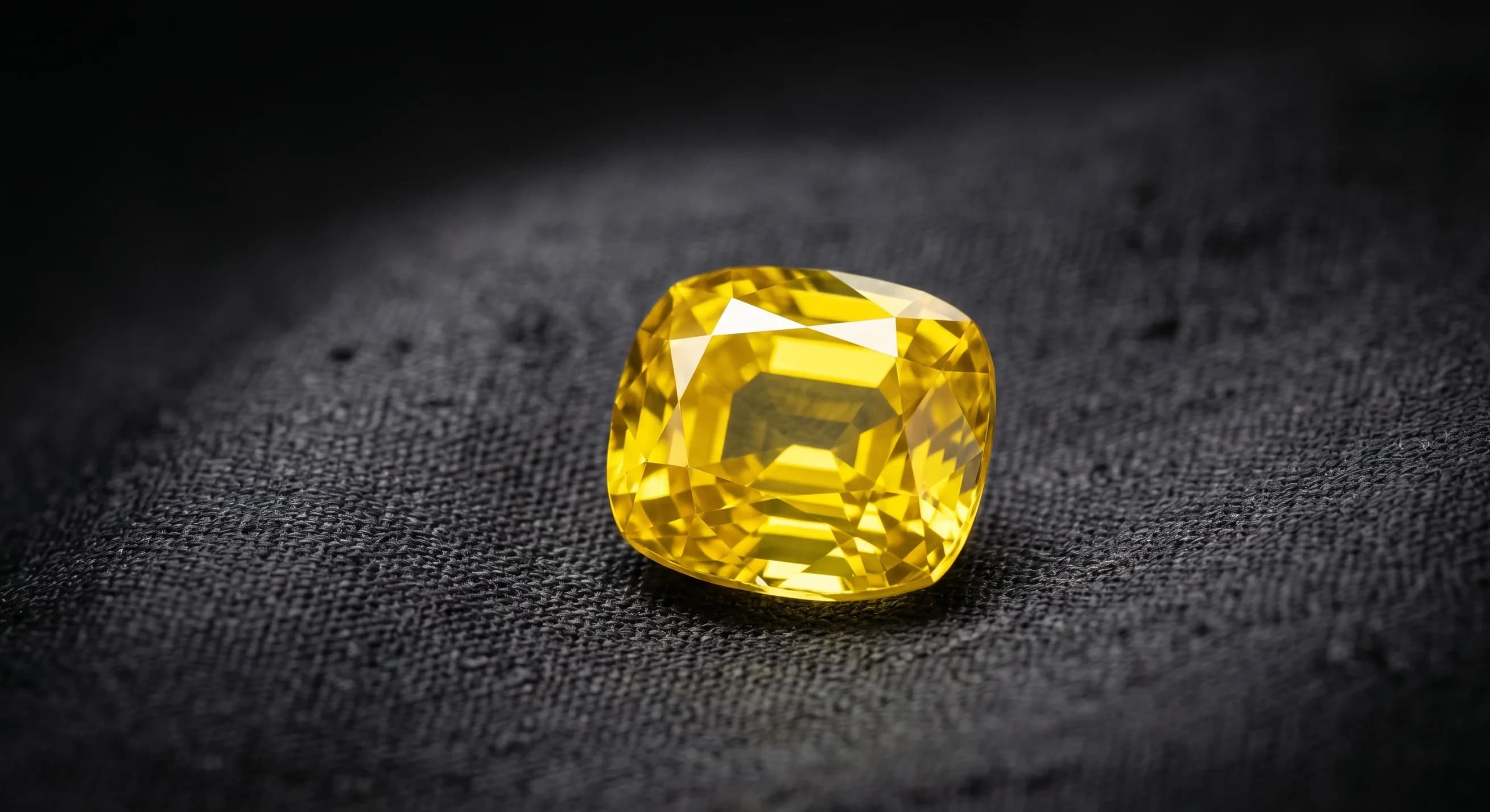
Yellow Ceylon sapphire runs cleaner than any other yellow sapphire on earth, prices below blue Ceylon at every weight, and carries deep meaning in Vedic astrology as the pukhraj stone. Here is what to know.
Most ethical gemstone certifications were built for diamonds and large industrial mines, not Sri Lankan sapphires. Here is what each one actually covers, and what to ask a dealer when no scheme fits.
Sri Lankan cutters work by eye, prioritise weight and colour over symmetry, and use slow hand-driven laps. Here is why their finished sapphires still beat any factory cut.
Ceylon sapphire sits at Mohs 9, second only to diamond. Yes, it is hard enough for daily wear. Here is what that actually means over decades on the hand.
Cleaning a Ceylon sapphire ring at home takes three minutes and a soft toothbrush. Here is the safe method, when ultrasonic cleaners are fine, and what to actually avoid.
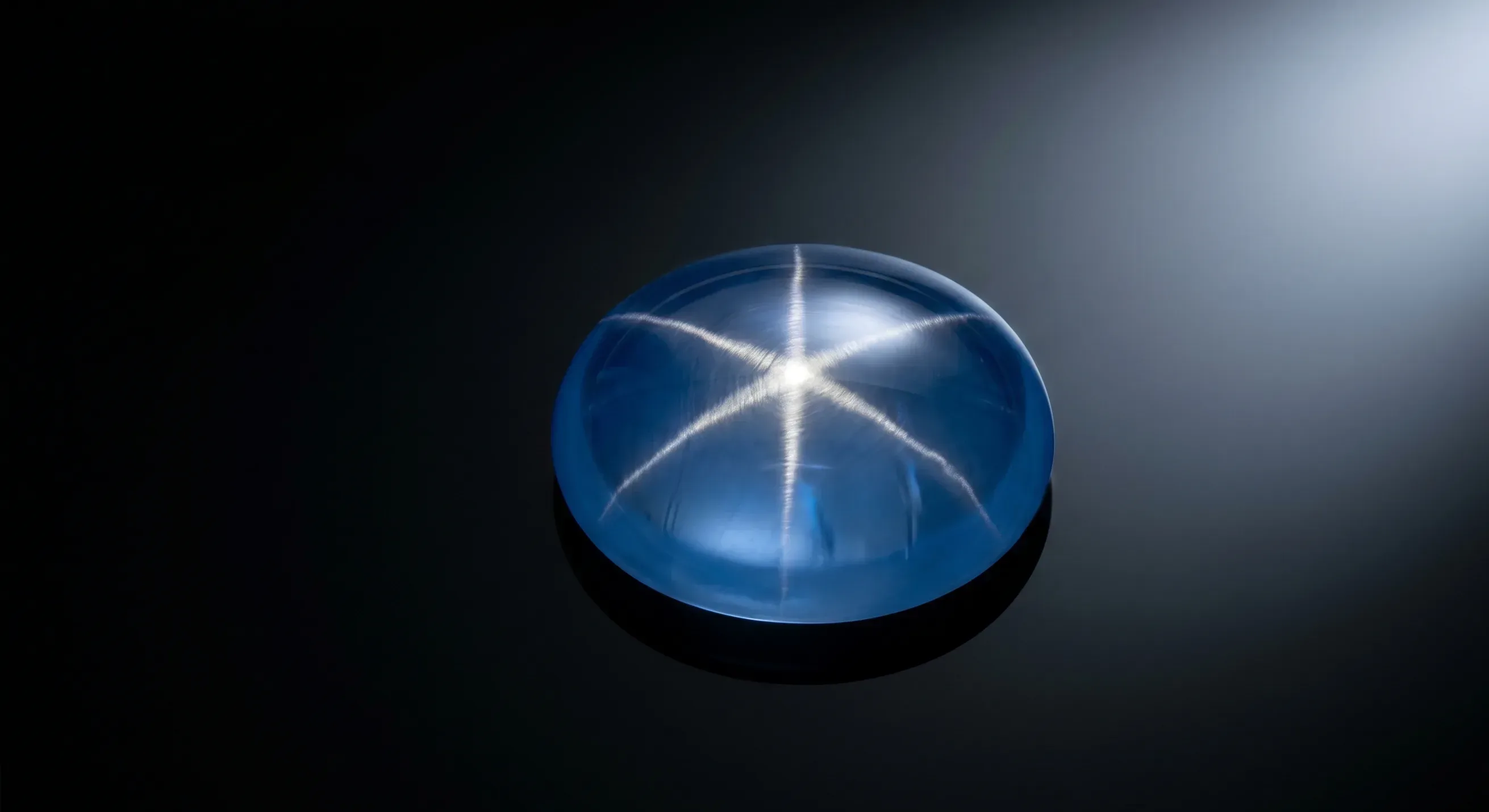
A Sri Lankan star sapphire shows a sharp six-rayed star because microscopic rutile silk inclusions align along three crystal axes. Here is how asterism forms, what separates a great Ceylon star from an average one, and why the Star of India still sits at the top of the category.
Blue sapphire engagement rings balance romance, heritage, and genuine everyday durability. Here is how to pick the color, carat, cut, setting, and certification that will still look right decades from now.
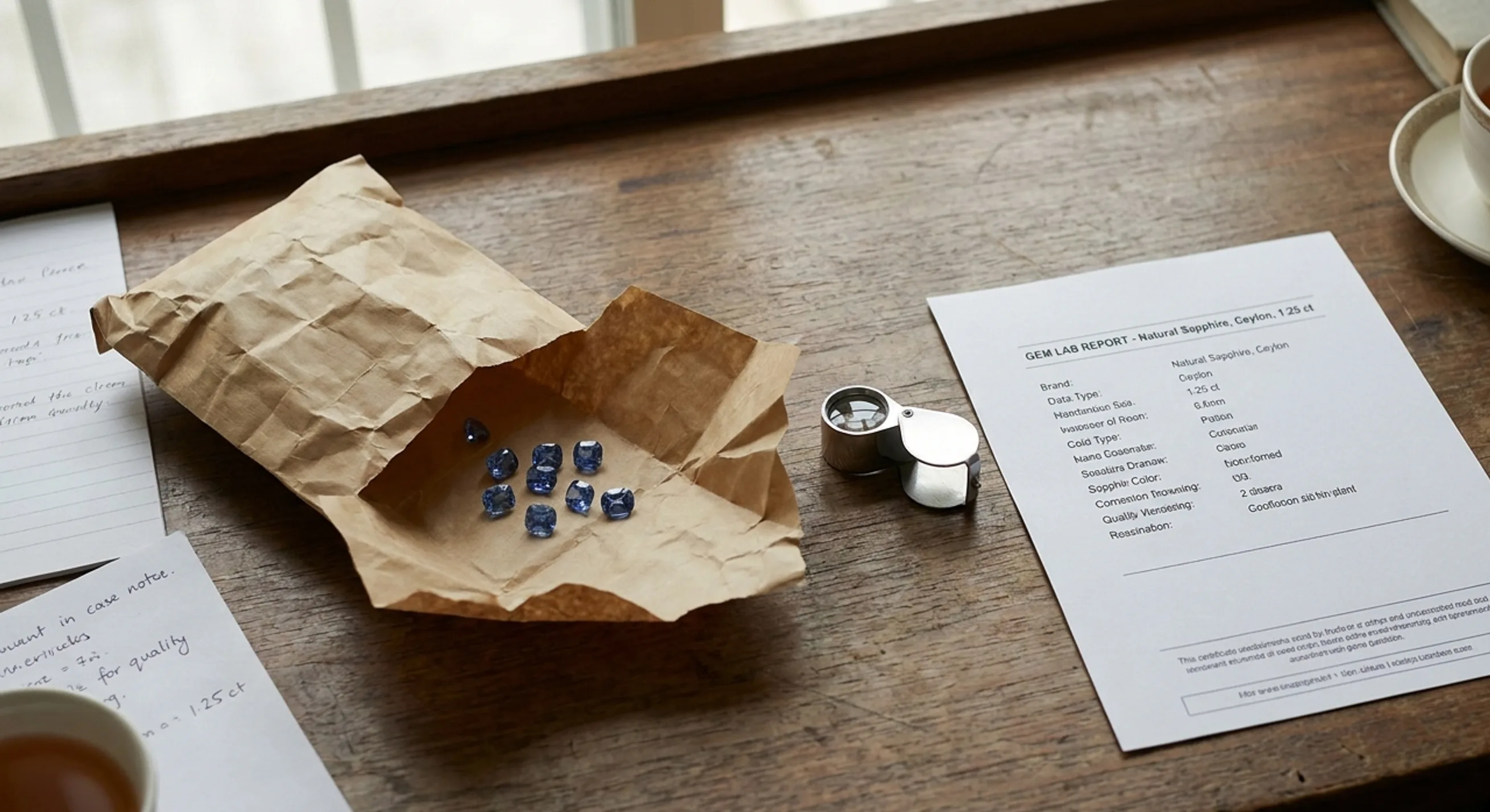
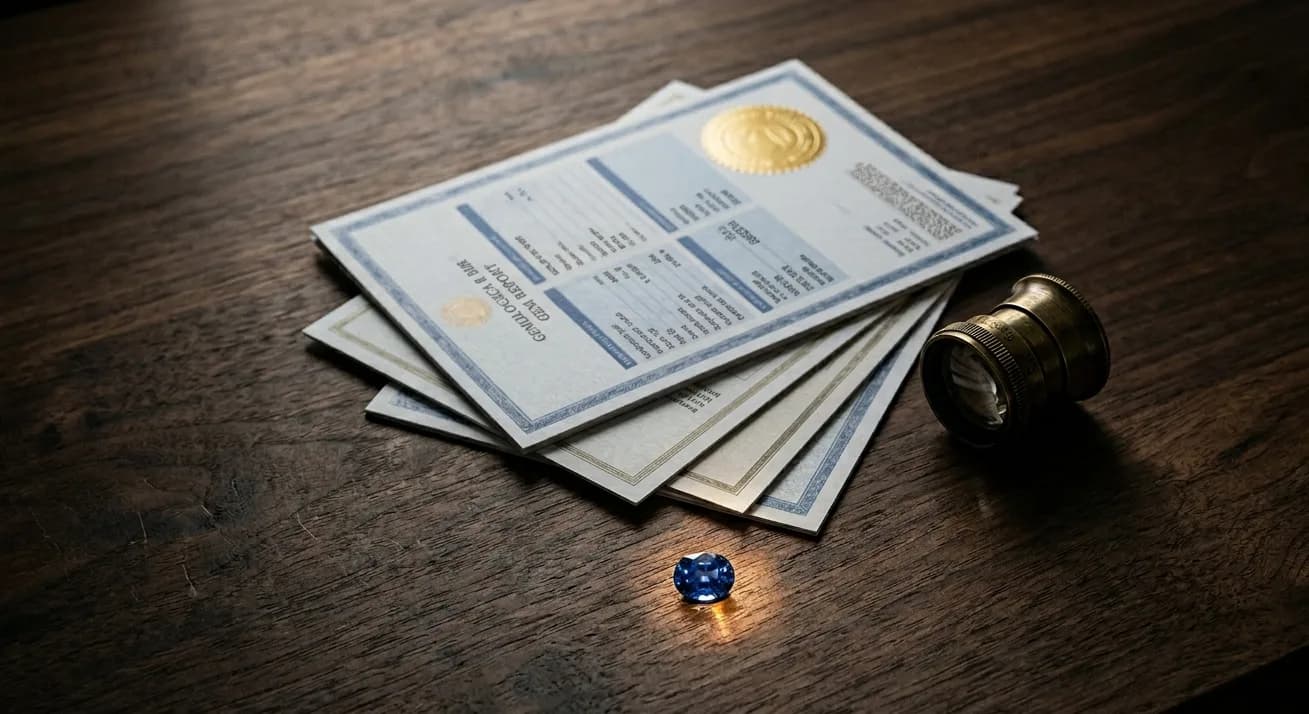
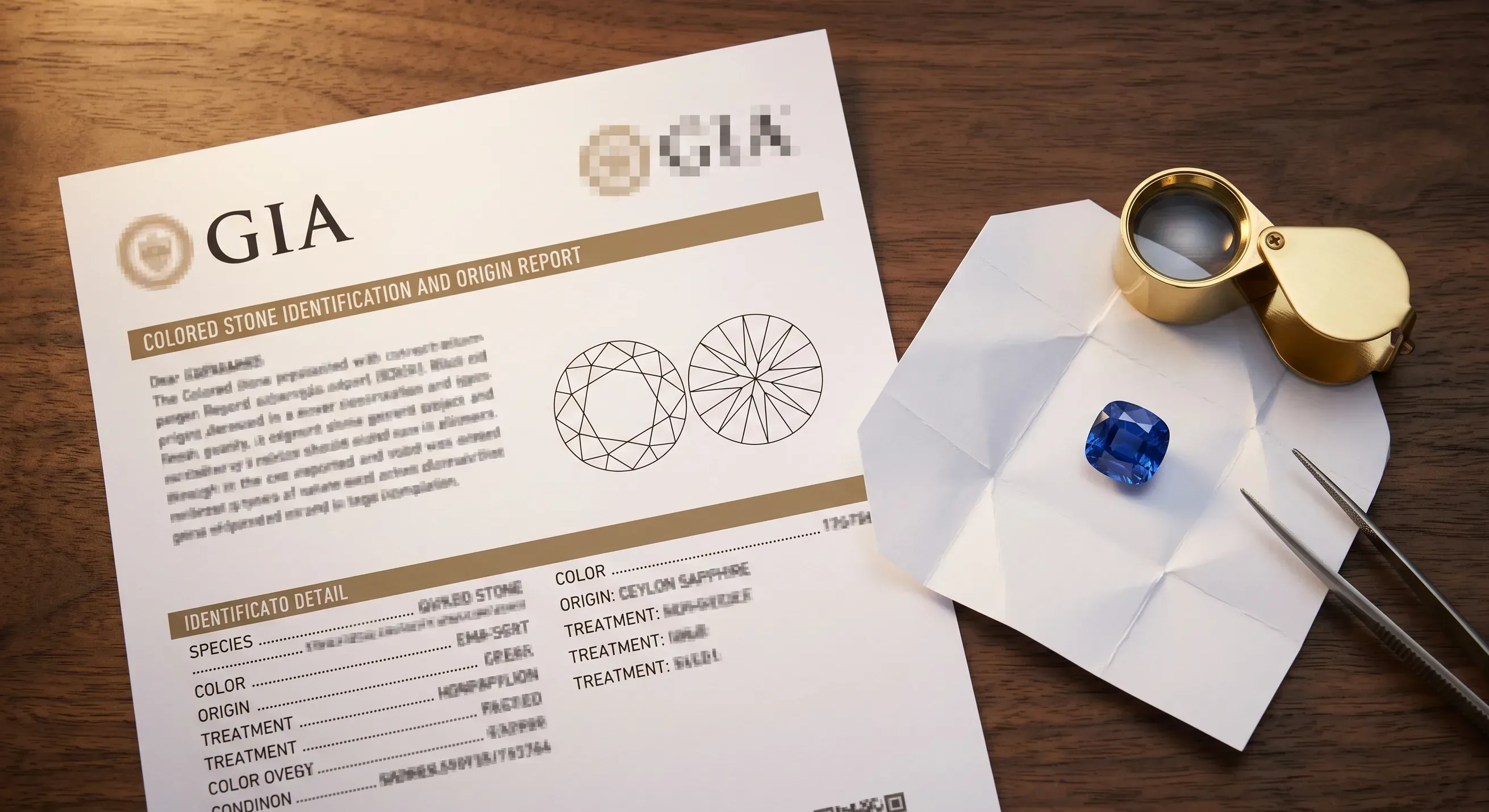
A GIA sapphire report confirms what a stone is, how it has been treated, and in many cases where it came from. Here is a field-by-field walkthrough, plus the red flags to watch for when a report arrives with a stone.
Ceylon sapphire prices span a wide range in 2026. Here is the realistic price per carat by size, treatment, and certification, plus the red flags that signal a stone is priced too low to be genuine.
The padparadscha is the rarest sapphire variety on earth, defined by a specific blend of pink and orange found almost exclusively in Sri Lanka. Here is what qualifies, what it costs, and what to watch for.
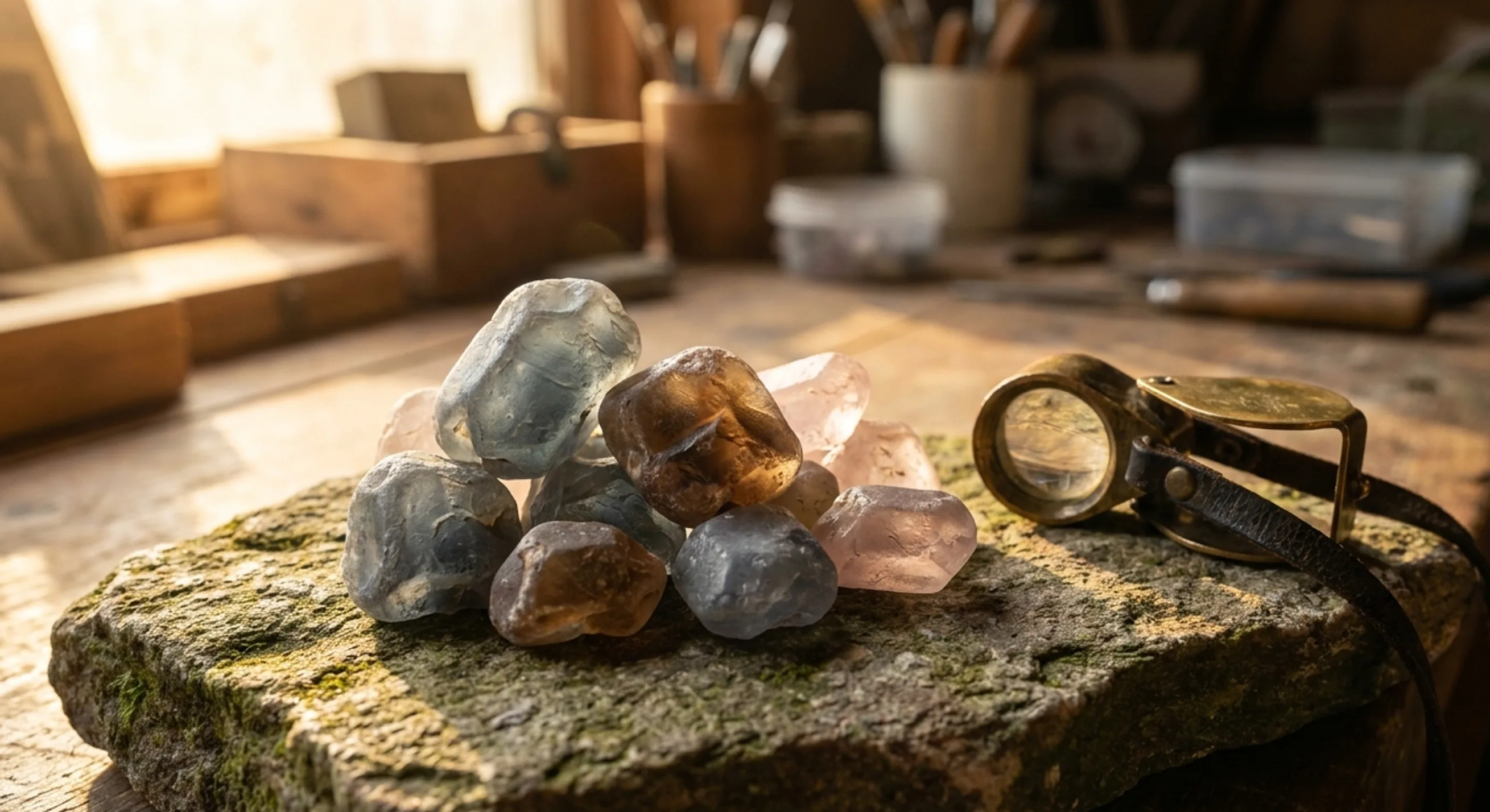
Sri Lankan gems are mined by hand from shallow alluvial pits, washed in river water, and sorted by eye. Here is how the process works from the first dig to the dealer's table.
Heat treatment is the single biggest price lever in the sapphire market. Here is exactly what it does to the stone, and when paying the unheated premium is worth it.
An ethically sourced Ceylon sapphire means a stone mined under Sri Lanka's regulated, small-scale model with full documentation. Here is what to verify and what is just marketing.
For most buyers, Ceylon sapphires offer the best combination of color, documentation, ethics, and value. Here is how they compare to Kashmir and Burmese material.
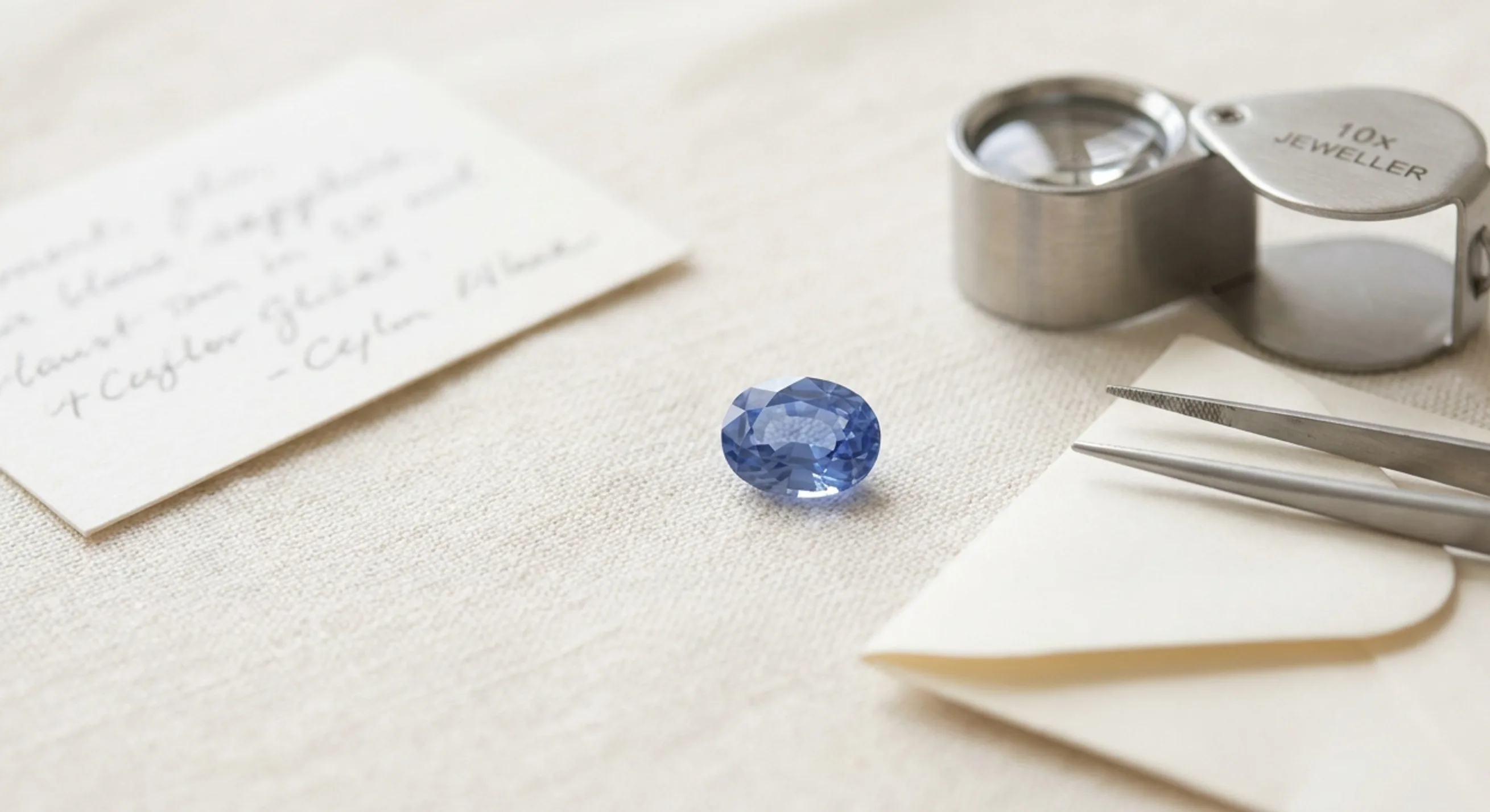
Visual checks can point you in the right direction, but the only reliable proof that a sapphire is from Ceylon is a laboratory report. Here is what to look for before you spend.
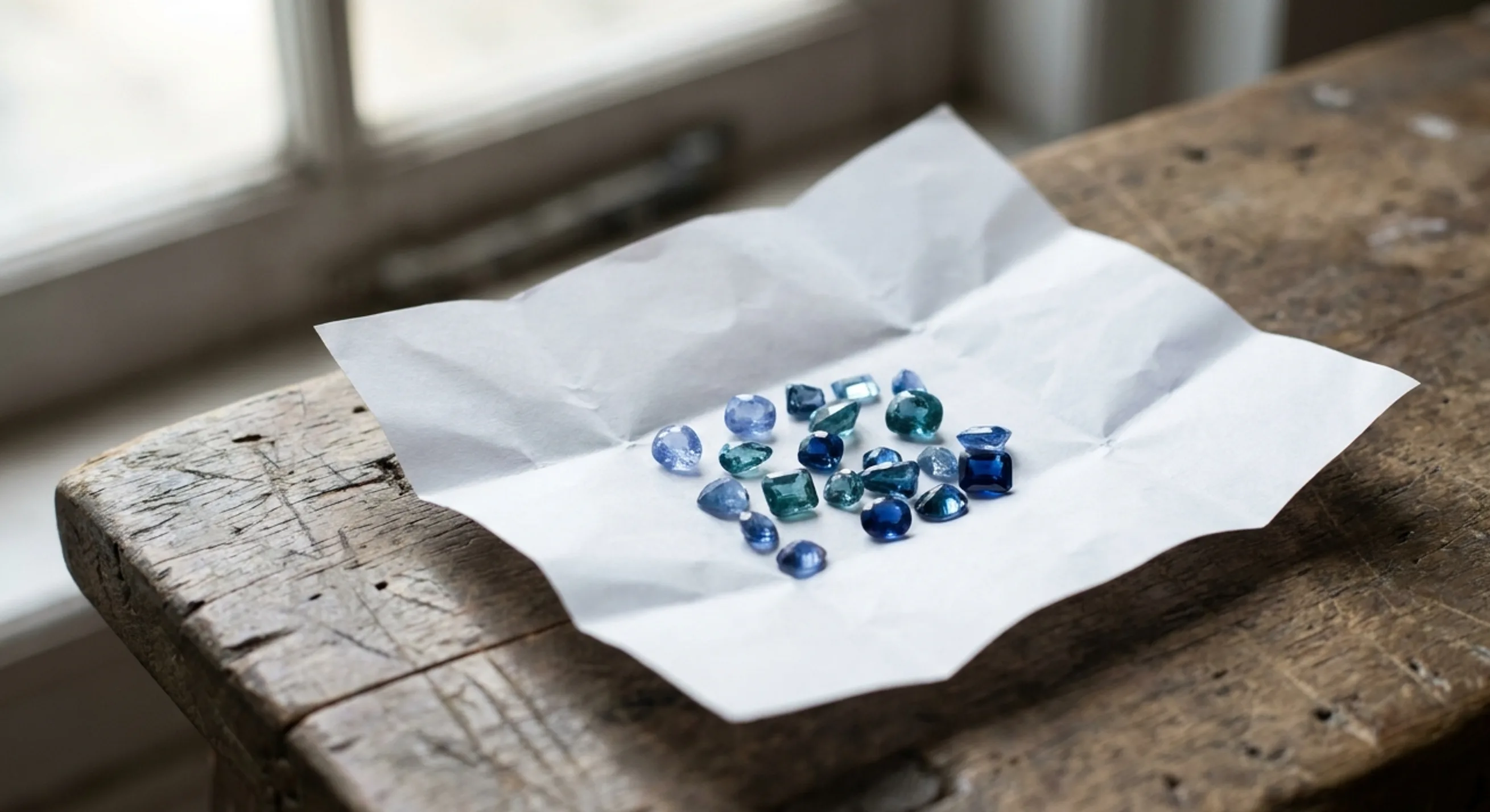
First Look at New Ceylon Sapphires
New stones and guides, straight from the source. Written rarely, and only when there is something worth saying.