
The Ceylon Gemstone House
Fine Ceylon Sapphires from Sri Lanka
Natural Ceylon sapphires, hand-selected at source in Sri Lanka, independently certified, every treatment disclosed, and priced without the showroom markup.
View CollectionThe Collection
The Ceylon Sapphire Collection
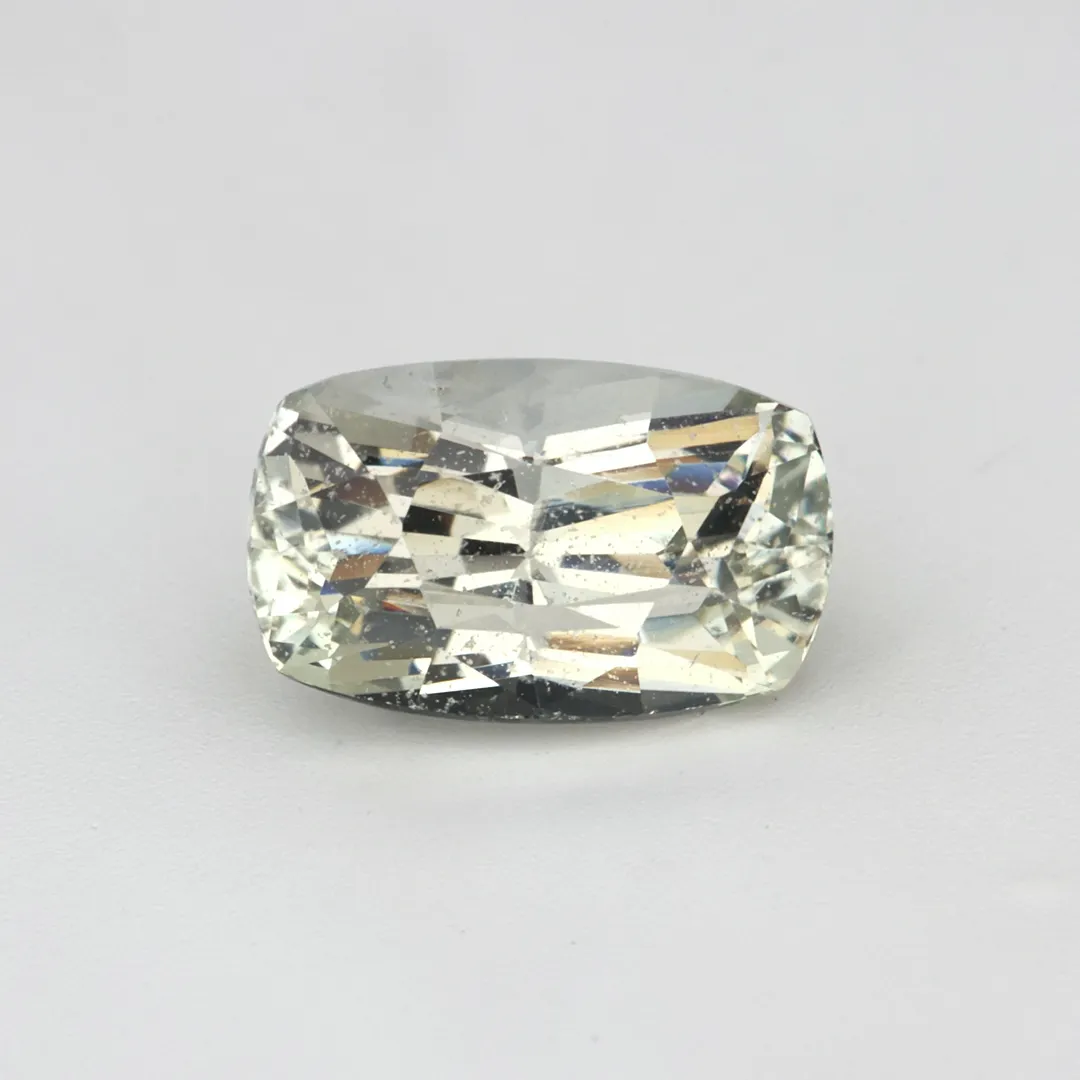
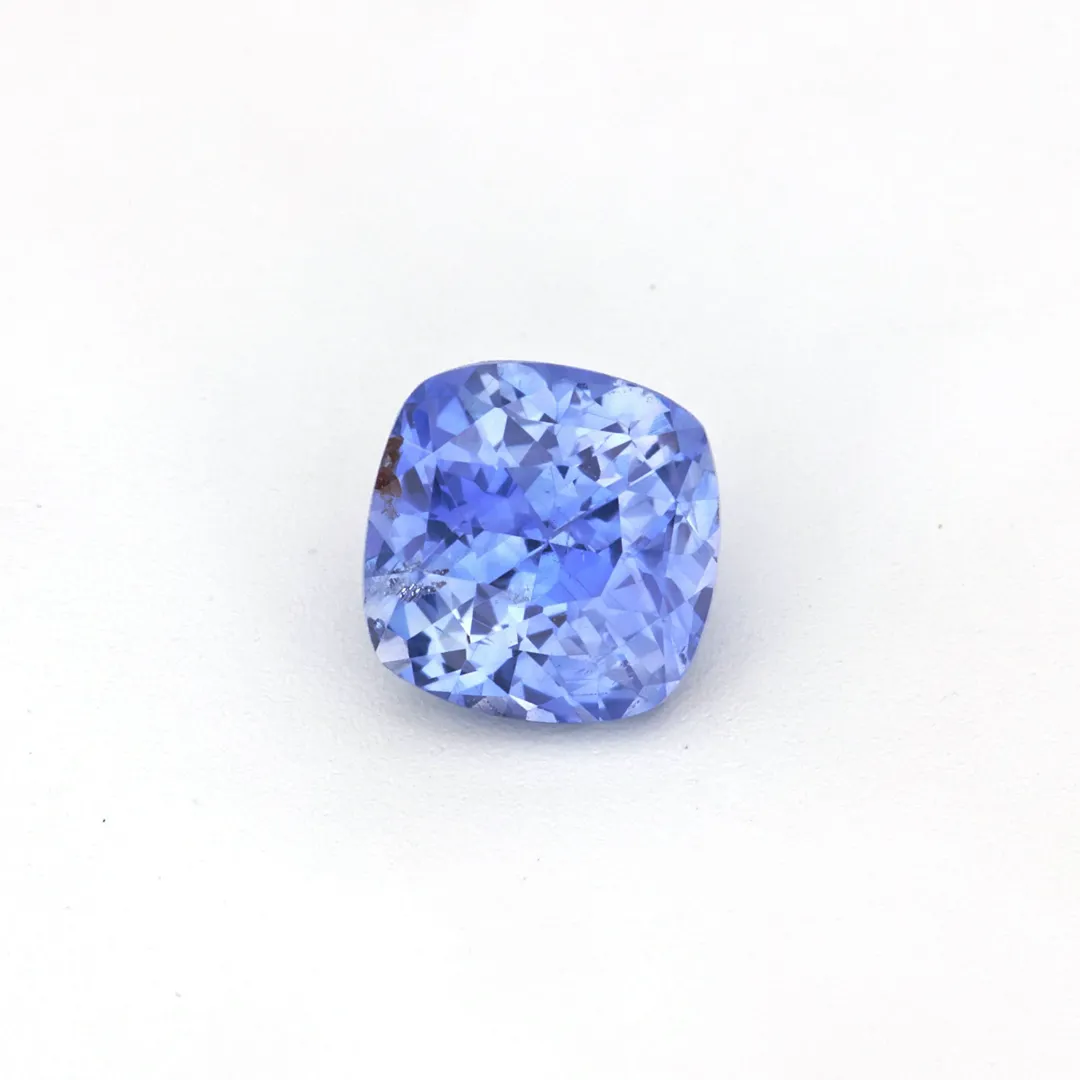
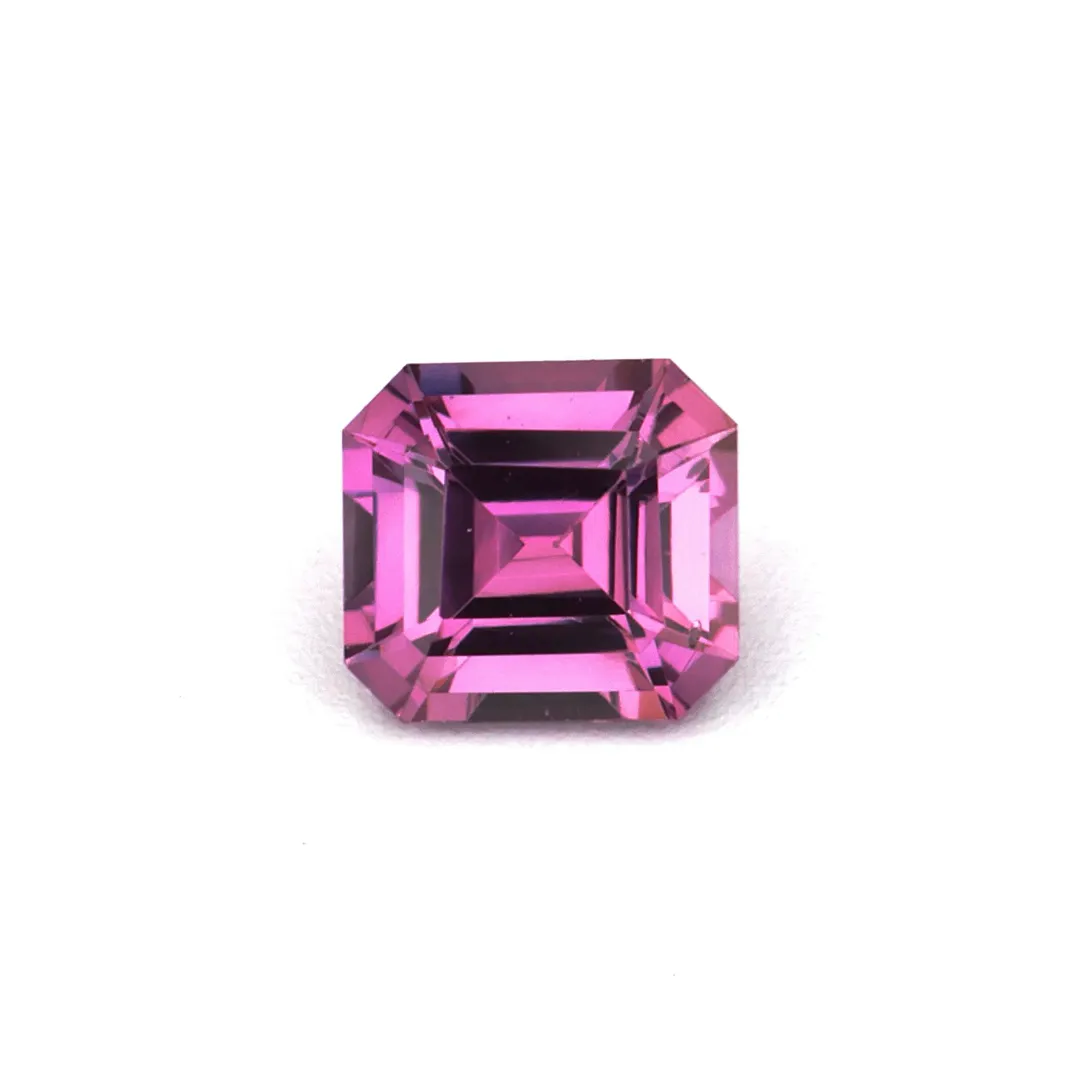
The simple way to buy a Ceylon sapphire - loose certified stones, each one of a kind, photographed as they are, and listed with carat, colour, treatment and certificate before you ask.


Understanding
What Is a Ceylon Sapphire?
Ceylon sapphire is the traditional name for natural sapphires originating from Sri Lanka, one of the world's historic sources of fine gemstones. Ceylon sapphires are valued for their distinctive colors, transparency, brilliance and geological origin.
Sri Lanka produces sapphires in a remarkable range of colors, including blue, pink, yellow, peach, purple and colorless varieties. Blue Ceylon sapphires are particularly sought after for their characteristic color and clarity.
The value of a Ceylon sapphire depends on factors including color, clarity, carat weight, cut, treatment status, origin and overall quality.
Read the complete guide →Know the difference
Natural vs Synthetic Sapphire
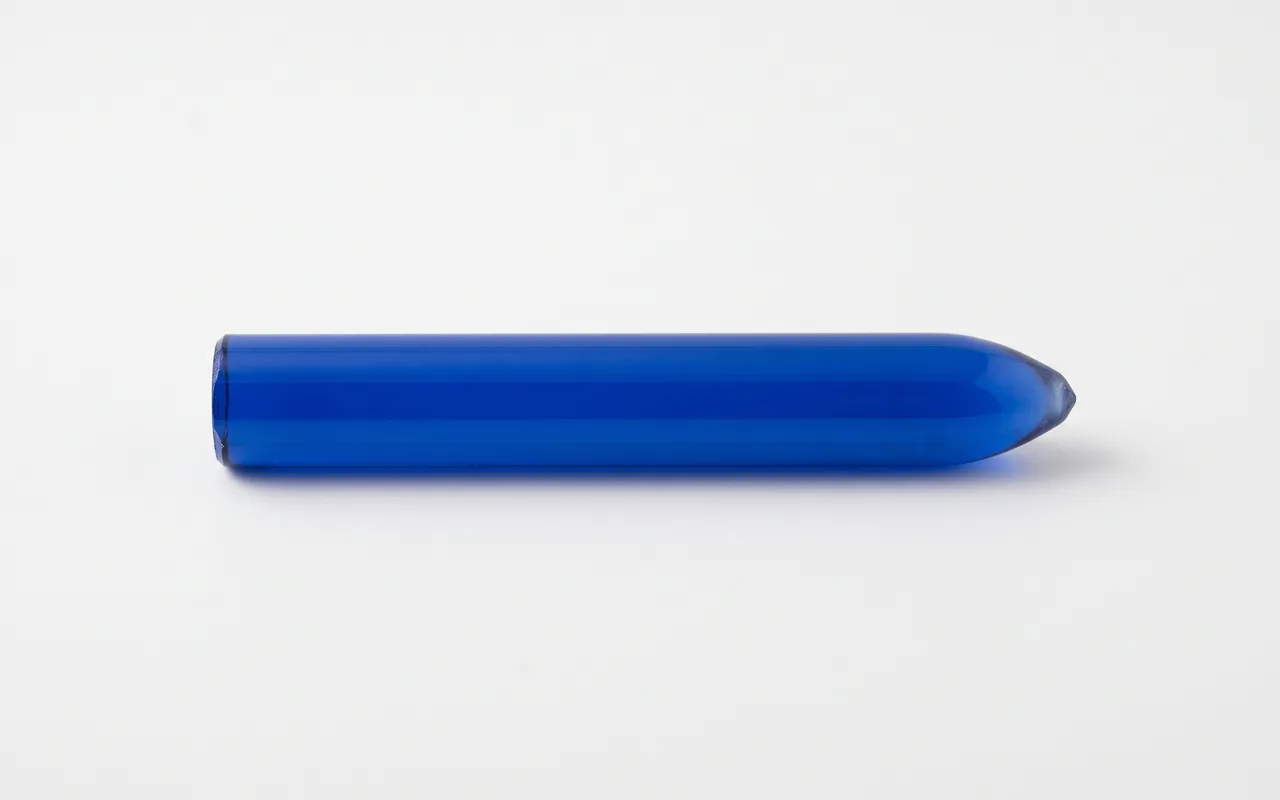
Lab created sapphire is real corundum with the same chemistry, at a small fraction of the value. The difference is time, rarity, and what the market will pay you back.
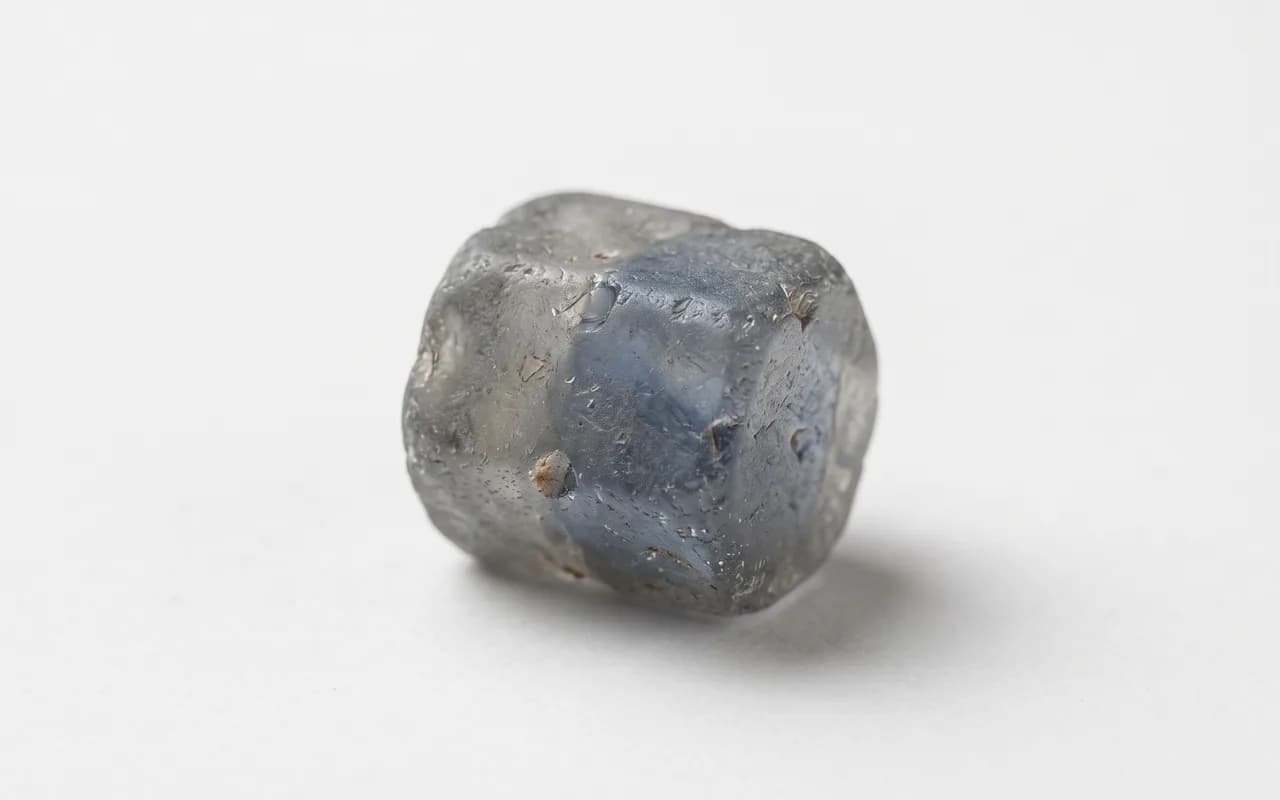
Natural Ceylon sapphire
- Formed
- Grew slowly in the earth over millions of years, and carried down Sri Lanka's rivers.
- Inclusions
- Carries fine natural silk inside it, the fingerprint a laboratory looks for first.
- Supply
- Only what the island gives up, and fine unheated stones get scarcer every year.
- Resale
- Keeps its value, and a certified stone can always be resold on the open market.
Grading
Ceylon Sapphire Quality
Six things separate commercial stones from premium sapphires and every one of them should be provable on paper. We grade all six in daylight, and every listing states them plainly.
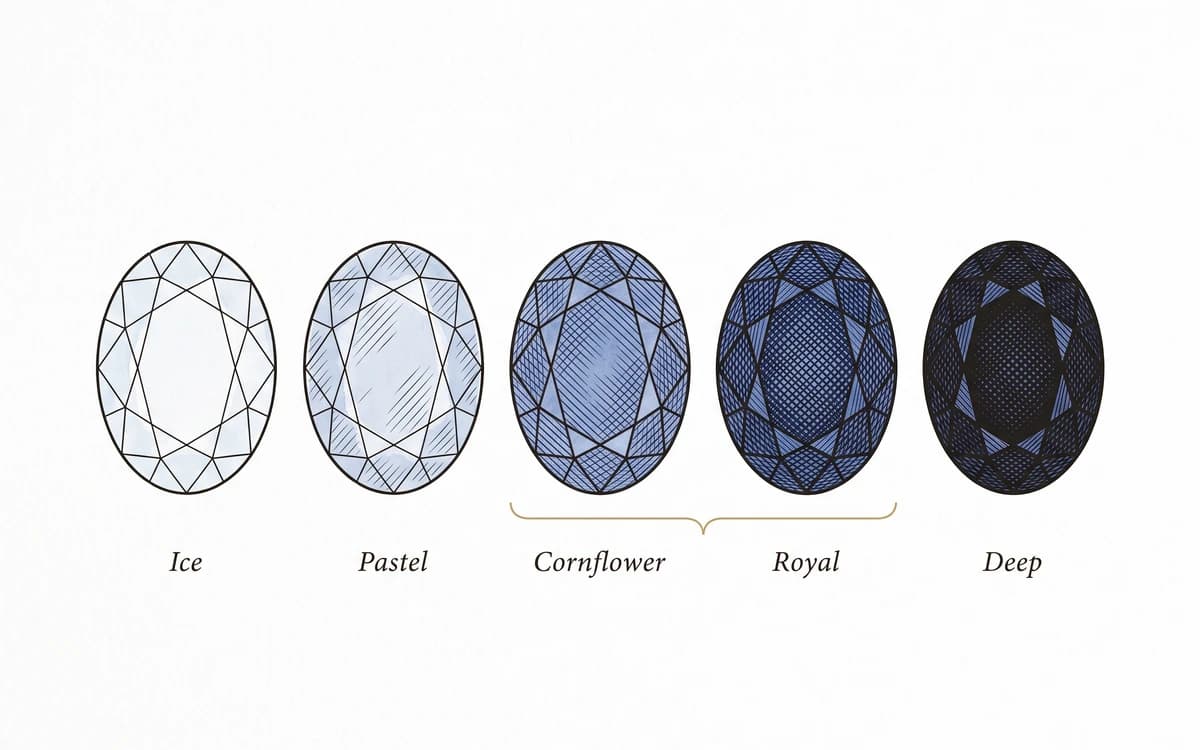
Colour
Colour is where the money is. Of two stones the same size, the one with an even cornflower or royal blue wins every time.
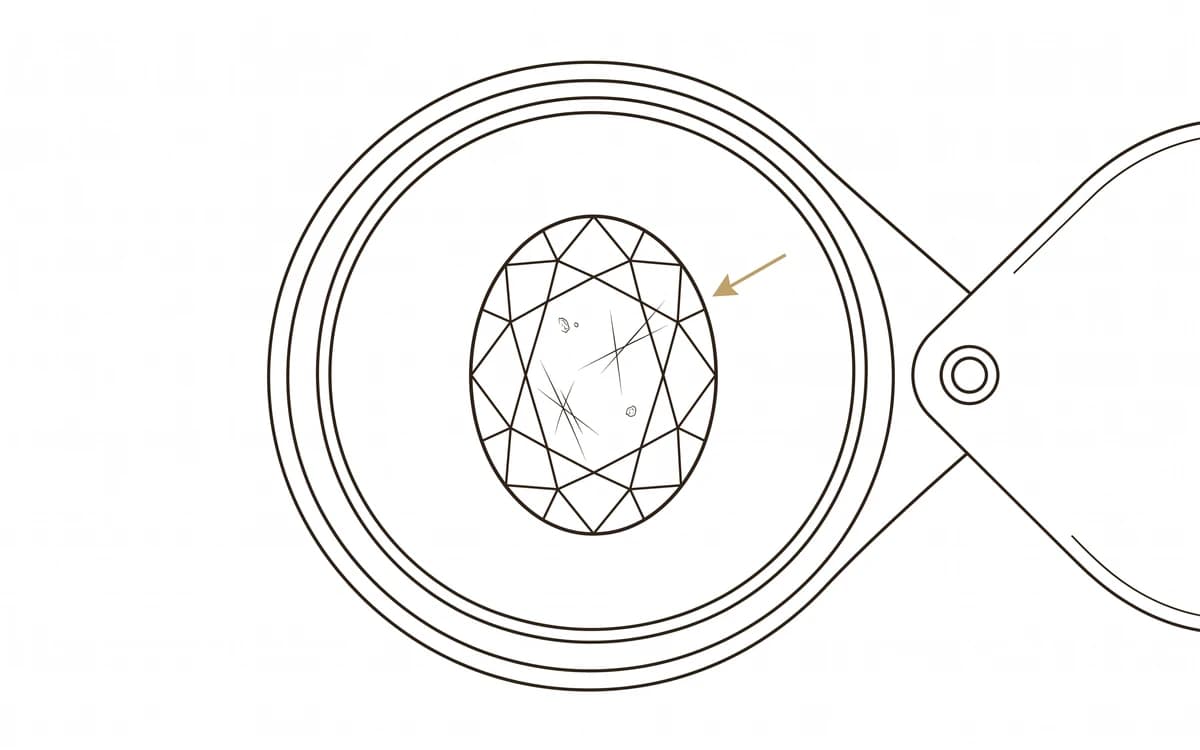
Clarity
Ceylon material is naturally clean, which is why we can hold every stone to an eye-clean bar. When one falls short, we just say so.
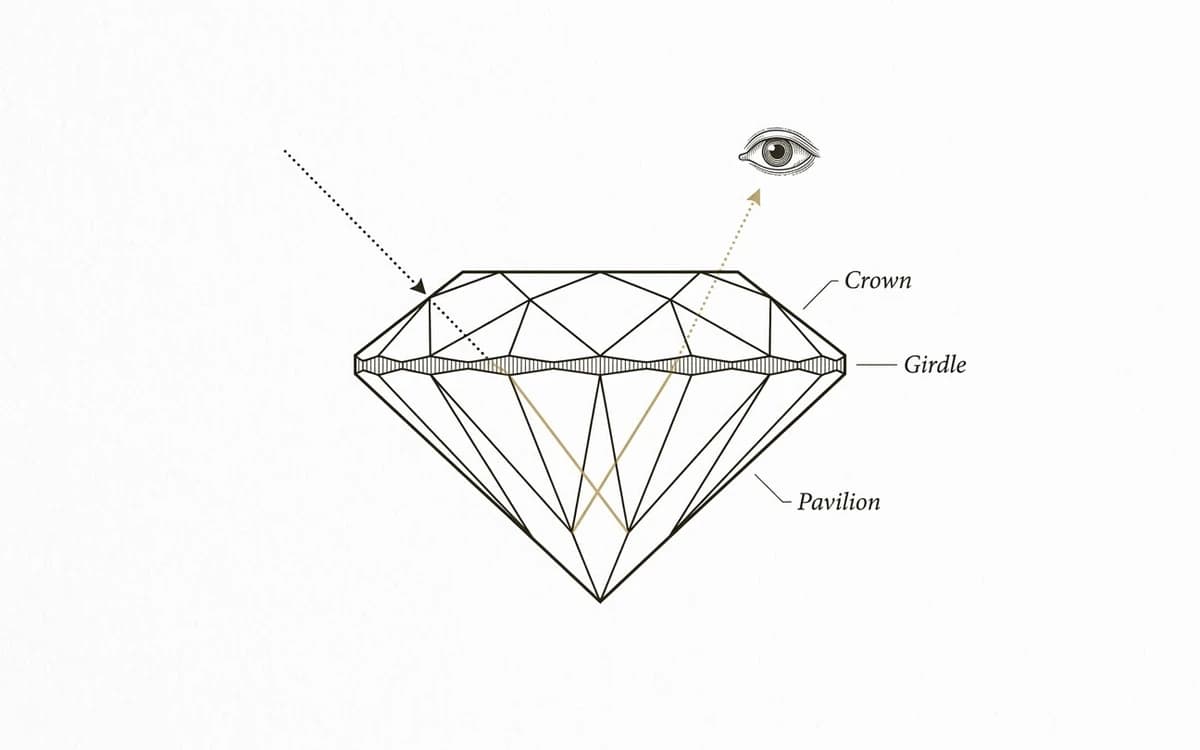
Cut
A lot of stones here are cut to keep weight rather than beauty. We'd rather give up half a carat and get all the light back.
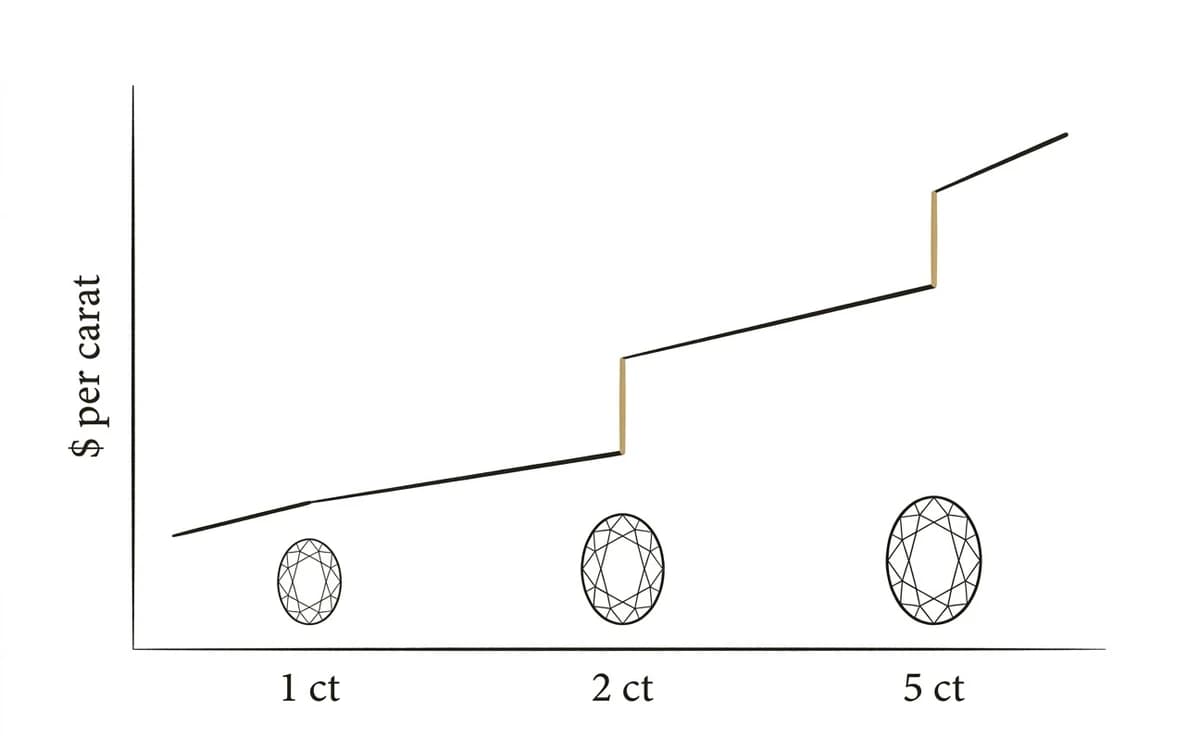
Carat
Big clean stones are rare, so the price per carat leaps once you cross two carats, and leaps again past five.
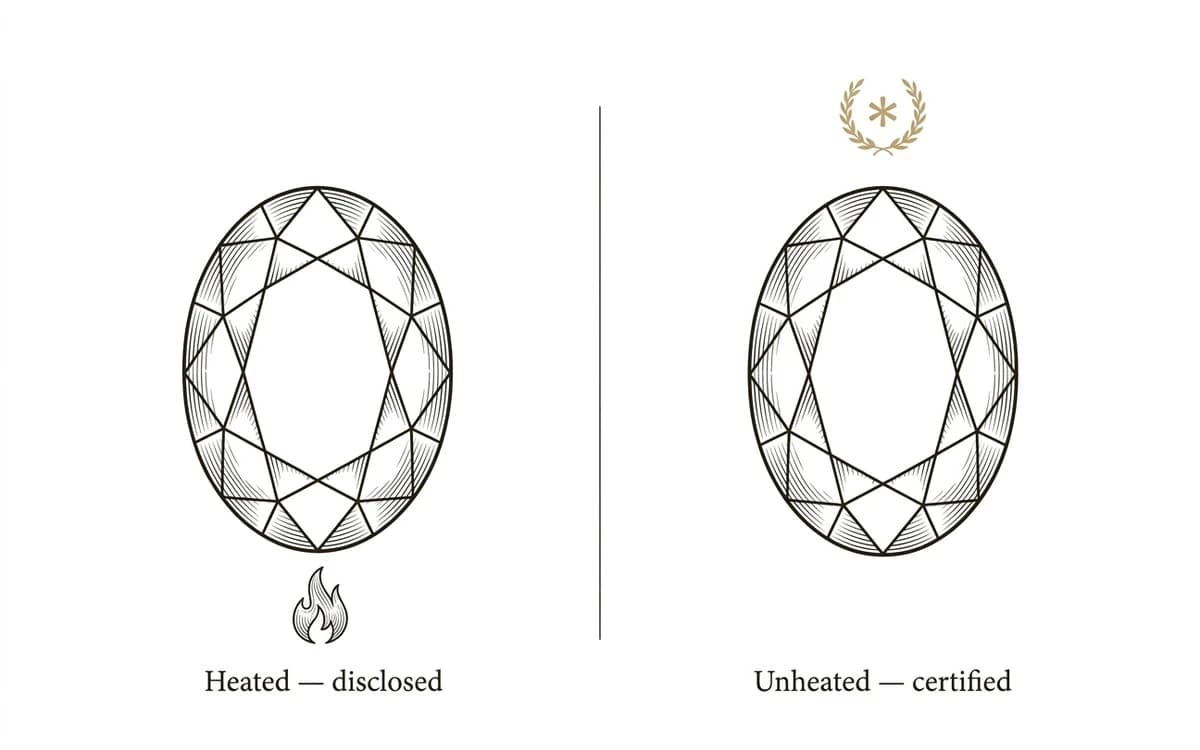
Treatment
Most sapphires are heated, ours included, and we always say so. Unheated stones are rarer, so they fetch two to five times more.
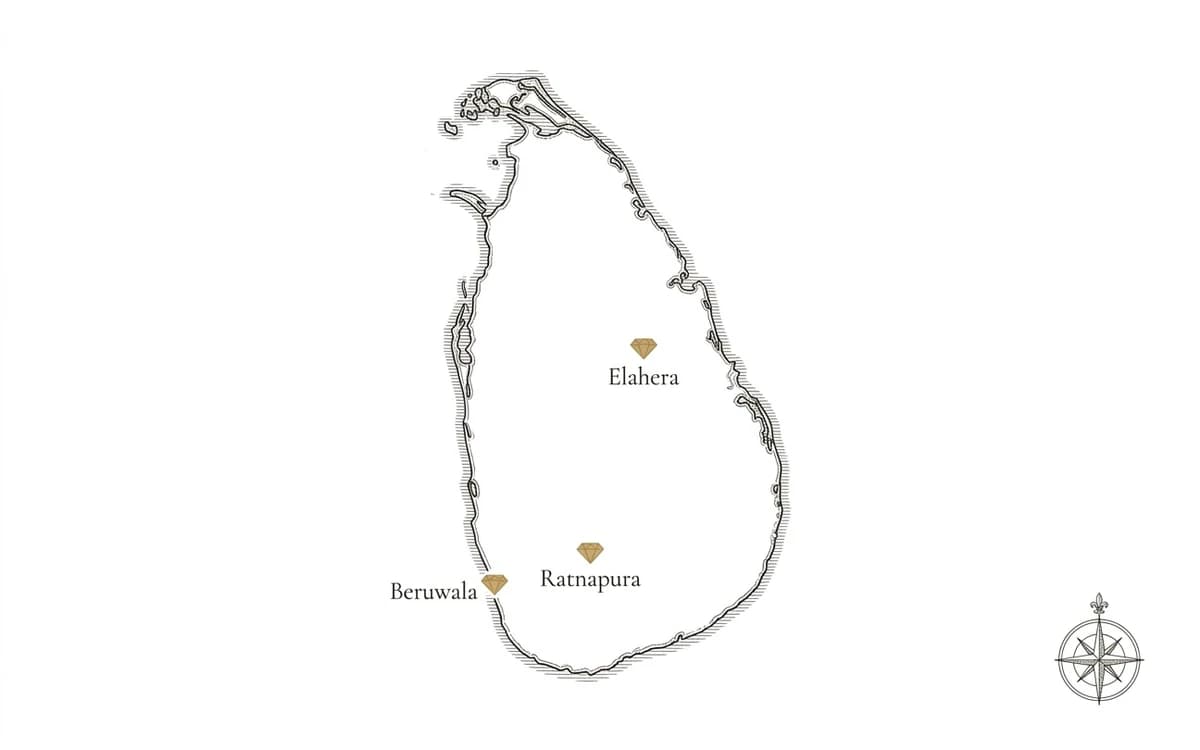
Origin
A Sri Lankan sapphire has to prove itself. The laboratory reads its chemistry and inclusions, and puts the origin on the report.
Paperwork
Certified Ceylon Sapphires
Paper is what separates premium sapphires from pretty stones. Every stone we sell carries a report from an independent lab such as TGL (GIA alumni), Guild or GIC, saying what it is, whether it was heated, and where it came from, etc.
There are fakes out there, so every listing shows its report number. You can check it with the lab yourself before you buy.
How to read a sapphire certificate →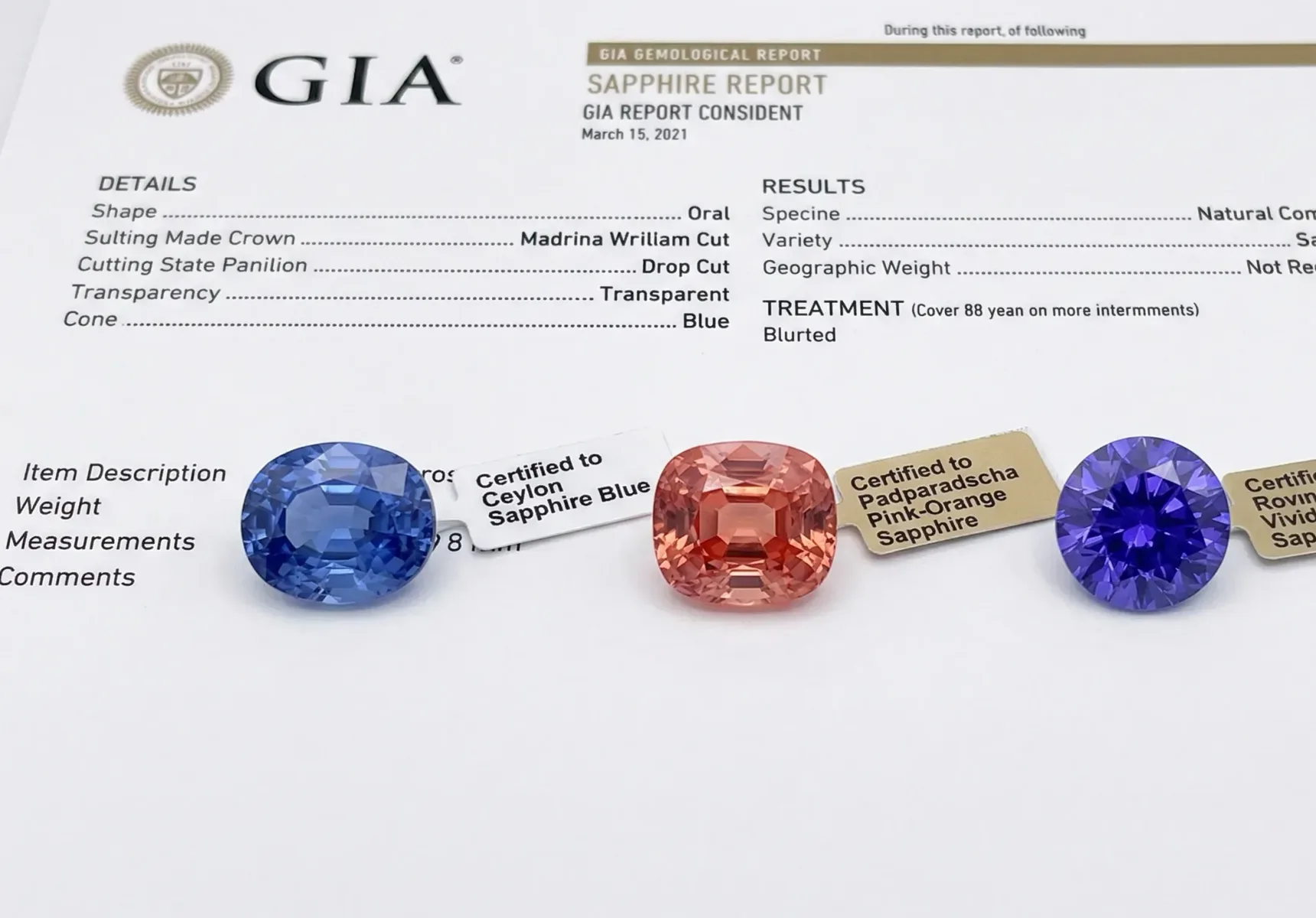
From the source
Our Sri Lankan Sourcing
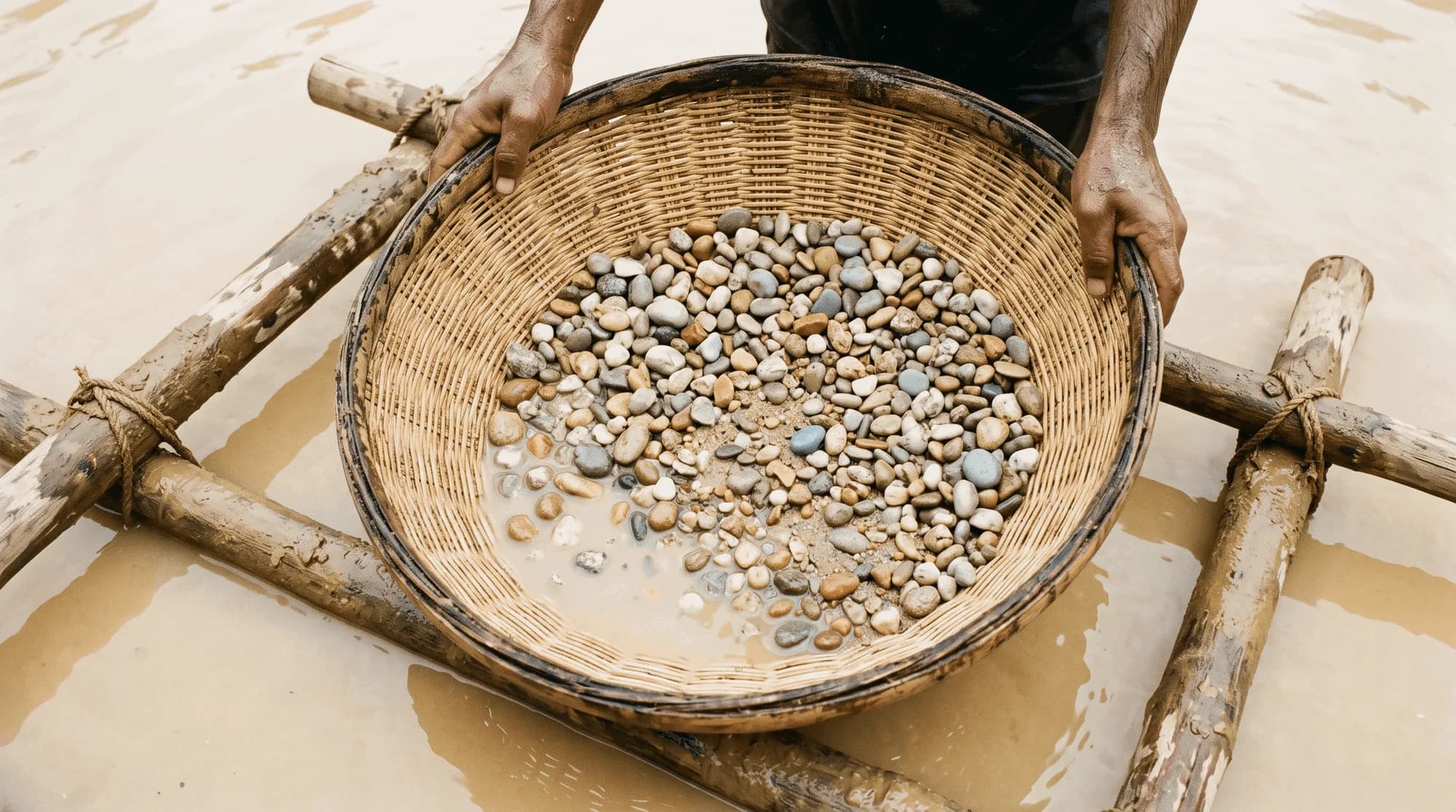
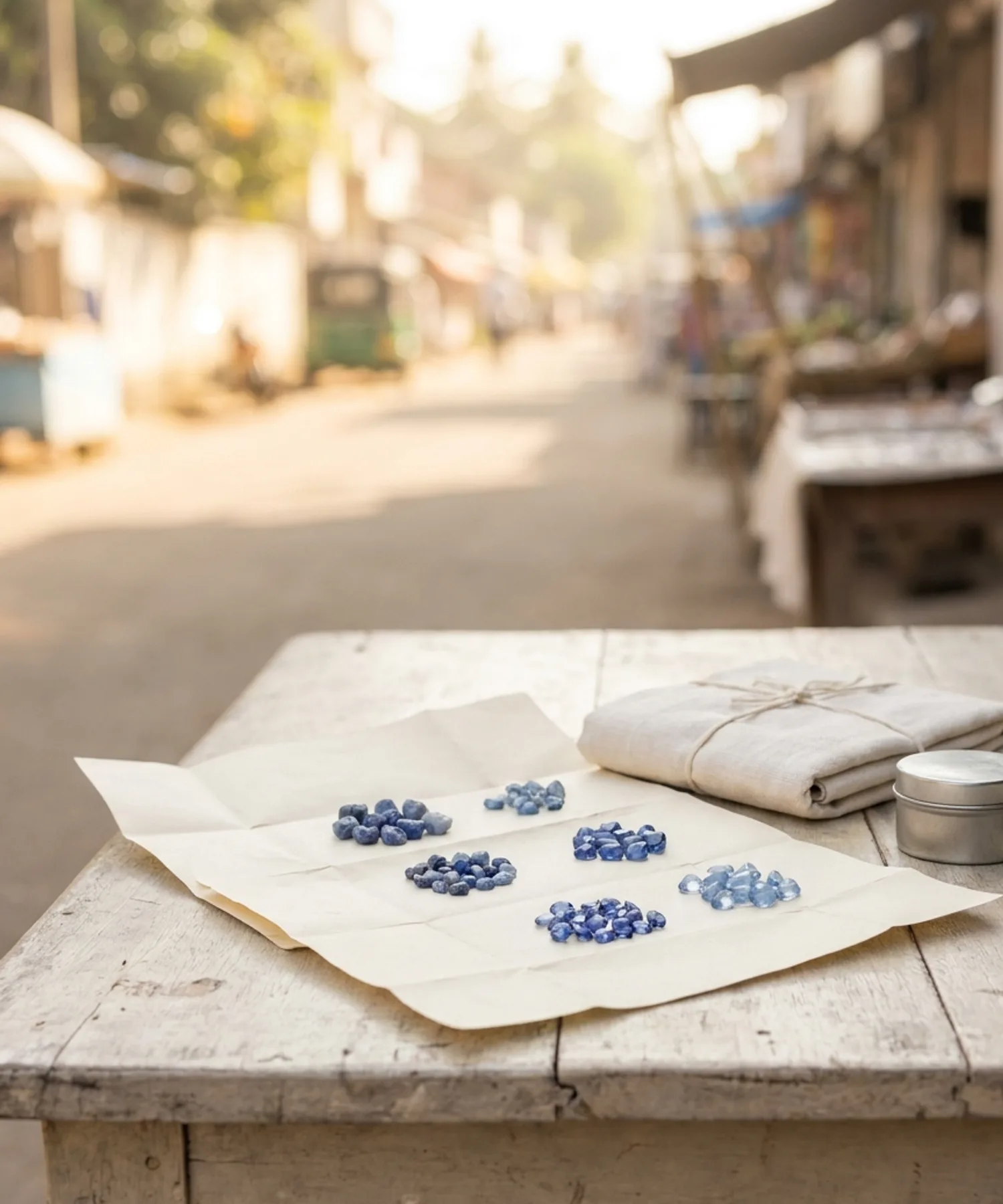
Most Ceylon sapphire jewellery begins in a muddy pit in Ratnapura. By the time the stone reaches a shop abroad, it has changed hands five times, and every hand has taken its cut.
We skip all of that. We buy our stones in person, in Sri Lanka, from miners and cutters we know by name. So what you pay for is the stone, not its journey.
Our StoryThe short version
Why Buy From Crestonne?
Direct from the source
We buy our stones at the pits and markets in Sri Lanka, in person. No middlemen, so you pay for the sapphire, not its long journey.
One grader, one name
The founder personally picks and grades every stone, and rejects far more than ever get listed. If it is on the site, it earned its place.
Certified and insured
You never have to take our word for it. Every stone carries its lab report, and it travels to you insured and tracked, in about two weeks.
Priced like a dealer
We price the way dealers price each other. One honest number per stone. No countdown sales, no 'appraised value' games.
Homework
Ceylon Sapphire Buying Guide
A little homework can save you thousands. Before you buy a Ceylon sapphire anywhere, even from us, check these six things:
- Decide on the colour you want first. Colour changes the price more than size does.
- Ask if the stone is heated. Heat is normal in this trade. What matters is that the seller tells you in writing.
- Ask for a lab report, and check its number with the lab.
- Look at the stone in daylight. A video of the real stone tells you more than studio photos.
- Compare stones by price per carat, not by the price tag.
- Buy the stone first. Then design the jewellery around it.
Questions
FAQ
Straight answers to the questions sapphire buyers actually ask.
All questions, answered →Are Ceylon sapphires natural?
Yes. "Ceylon sapphire" describes sapphire originating from Sri Lanka; the term itself does not automatically mean that every stone is untreated. Ceylon sapphires can be natural and may or may not have undergone treatments such as heat treatment. Treatment status should be verified through appropriate gemological testing and disclosure.
Lab-grown vs natural, honestly →How much does a Ceylon sapphire cost?
Anywhere from a few hundred dollars per carat for commercial heated stones to five figures for the finest unheated ones. Most certified stones between one and three carats sit between $1,500 and $6,000 per carat. Colour, treatment, size and certification set the number.
The 2026 price-per-carat guide →Are Ceylon sapphires valuable?
Ceylon sapphires can be highly valuable, but value varies considerably from stone to stone. Factors including color, clarity, size, cut, treatment, origin and rarity all influence a sapphire's market value.
Investing in Ceylon sapphires →How can you tell if a sapphire is natural?
A qualified gemologist or independent gemological laboratory can examine a sapphire using specialized instruments to determine whether it is natural, synthetic and/or treated.
How to tell a real Ceylon sapphire →Are your sapphires heated or unheated?
Both, and we always say which. Heating is the normal practice of this trade and it is not a defect. It is stated on the certificate and on the listing. Unheated stones, where the colour is entirely natural, are much rarer and priced for that rarity.
Unheated vs heat-treated →What does ethically sourced actually mean here?
It means we buy at origin, directly from Sri Lanka's small-scale miners and cutters. Mining on the island is mostly hand-dug, not industrial, so there is no scarred landscape left behind. And with no middlemen in the chain, more of the price stays with the people who found and cut the stone.
What ethically sourced means here →How do I buy a stone?
Pick a stone from the collection and tell us by enquiry or WhatsApp. There is no cart, because every stone is one of a kind. We confirm it is still available and settle the details with you personally. It reaches you insured and tracked, in about two weeks. And if nothing listed is right, we will source one for you.
Start a custom order →First Look at New Ceylon Sapphires
New stones and guides, straight from the source. Written rarely, and only when there is something worth saying.