I drove nearly 50 km chasing a rumour of a royal blue stone, the kind of colour that makes a dealer go quiet before he even opens the packet. I never found that one. What I found instead, sitting in the same parcel from the same mine, was a 1.86ct rough that didn't look like much, a dull, unremarkable pebble in my palm. I could not walk away from it.
1.86 ct rough stone before cutting
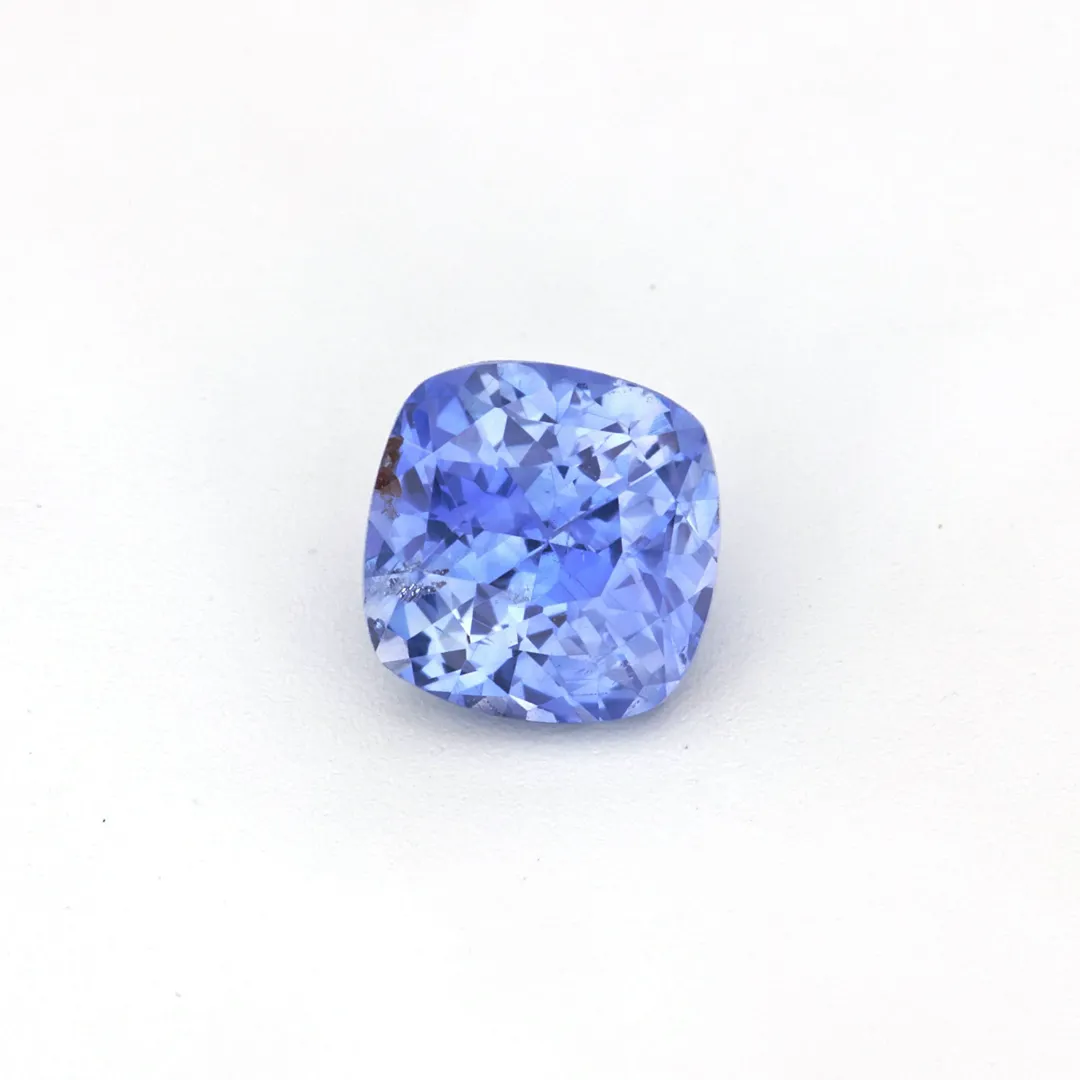
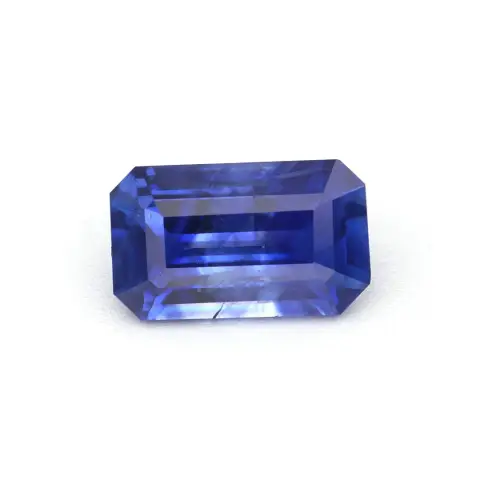
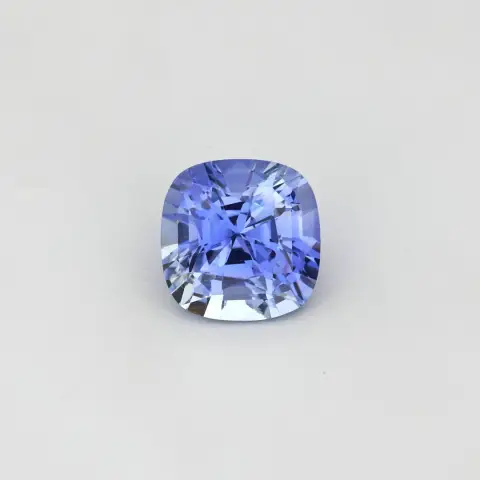
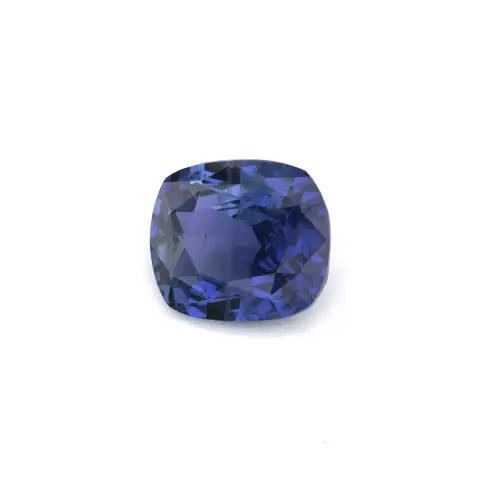
What came off the cutter's wheel is this 0.73ct cushion, a proper Ceylon blue sapphire, vivid in tone, eye clean, and unheated, which in this market means the colour you see is exactly what the earth gave it. The cushion cut is graded excellent, and at 5.04 x 5 x 3.39 mm it carries its face-up size well for something under a carat. TGL has certified it, so the colour call and the treatment status aren't just my word.
It suits a ring for someone who wants unheated Ceylon blue without the price jump of a larger stone, or a pendant where the cushion's soft corners catch light all day. Collectors will like the provenance story attached to it just as much as I do.
What does 'eye clean' mean for this sapphire's clarity, and is that a strong result for a Ceylon stone?
Eye clean means that when you look at the stone with the naked eye, no inclusions interrupt the colour or catch your attention. For a 0.73 carat unheated Ceylon blue sapphire, reaching eye clean without any clarity treatment is a genuine mark of quality, since untreated stones this clean are harder to source than heated ones. I still recommend a loupe check before purchase if you want to see the internal character up close.
Why call this stone 'Vivid Blue' instead of using a trade name like royal or cornflower blue?
Vivid Blue is my own descriptive shorthand, not a formal grade issued by any lab. I use it here because the hue reads as a strong, saturated blue with even tone across the cushion shape, rather than leaning toward the greyer or lighter tones some trade names imply. It's a judgment call based on handling the stone myself, and the certificate itself simply confirms colour as part of its natural, unheated description.
How will a 0.73 carat cushion cut sapphire like this wear in a ring or pendant?
At 5.04 x 5 x 3.39mm, this cushion cut sapphire has enough surface area to read as a proper patch of colour rather than a small accent, and the excellent cut grade keeps the facets active in light. I'd set it in a simple bezel or four-prong ring mount to let the colour lead, though its compact depth also suits a pendant if you want the stone to sit close to the skin. Either way, the cut is doing the work of making 0.73 carats look considered rather than modest.
What can I actually trace about where this sapphire was mined in Sri Lanka?
I can confirm Sri Lanka as the country of origin, which the certificate itself states, but I don't claim a specific mine or gem field for this stone since that level of detail isn't something I can verify for every parcel that comes through. What I can stand behind is that it moved through traceable, ethical channels before reaching me, and that Ceylon sapphires from this region have a long, well-documented history of producing exactly this kind of natural, unheated blue.
Shipping and returns
Worldwide shipping
Free standard shipping worldwide. Every stone leaves Sri Lanka fully insured, with a tracking number, and normally arrives within 7 to 10 business days. Customs duties and import taxes, where they apply, are the buyer's responsibility.
Changed your mind? Tell us within 14 days of receiving the stone, and we send you the return paperwork. Send it back unset, unaltered and undamaged, with everything that came with it, fully insured and tracked at your cost. We refund the full price you paid, with no fees. If anything is unclear, just ask.