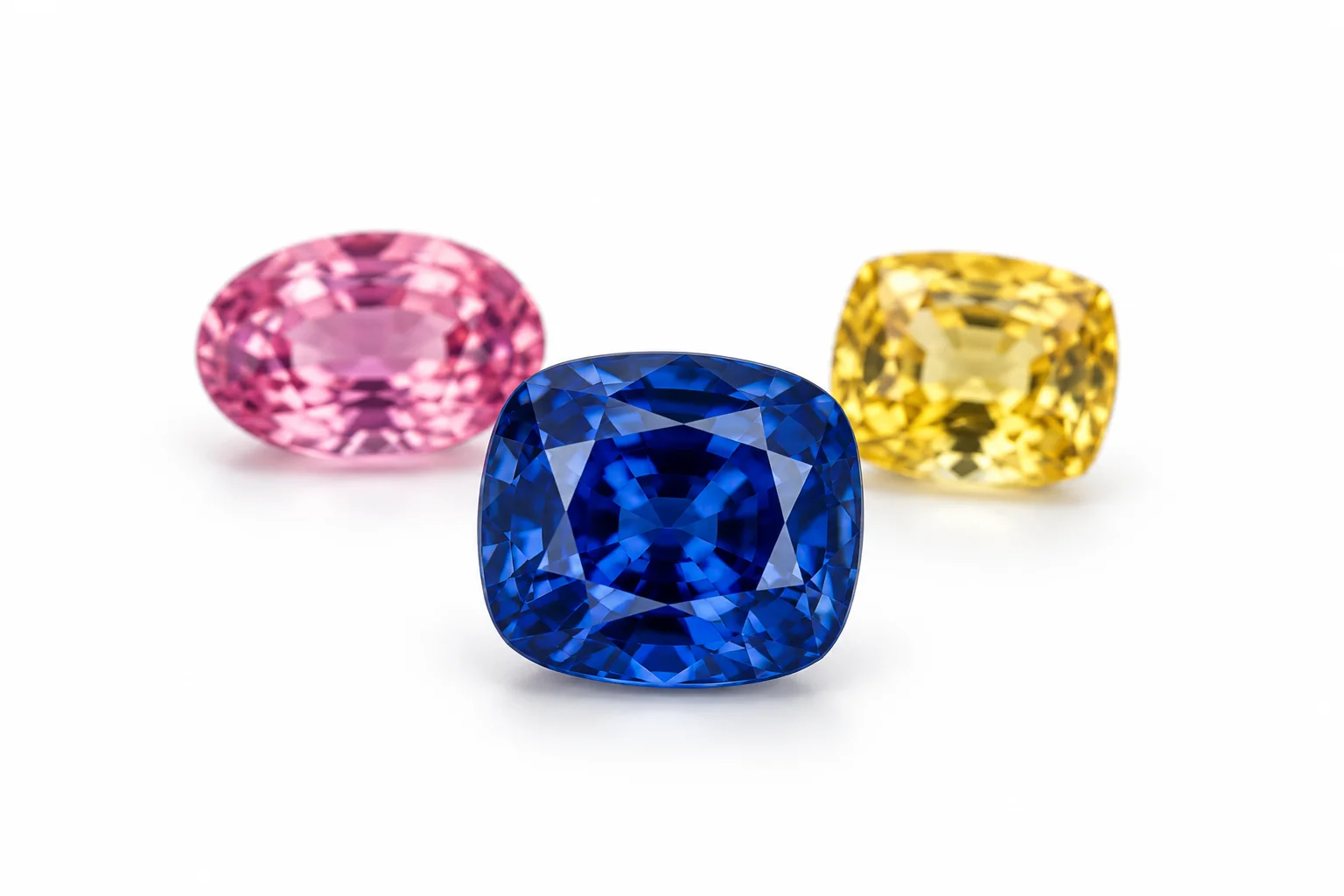
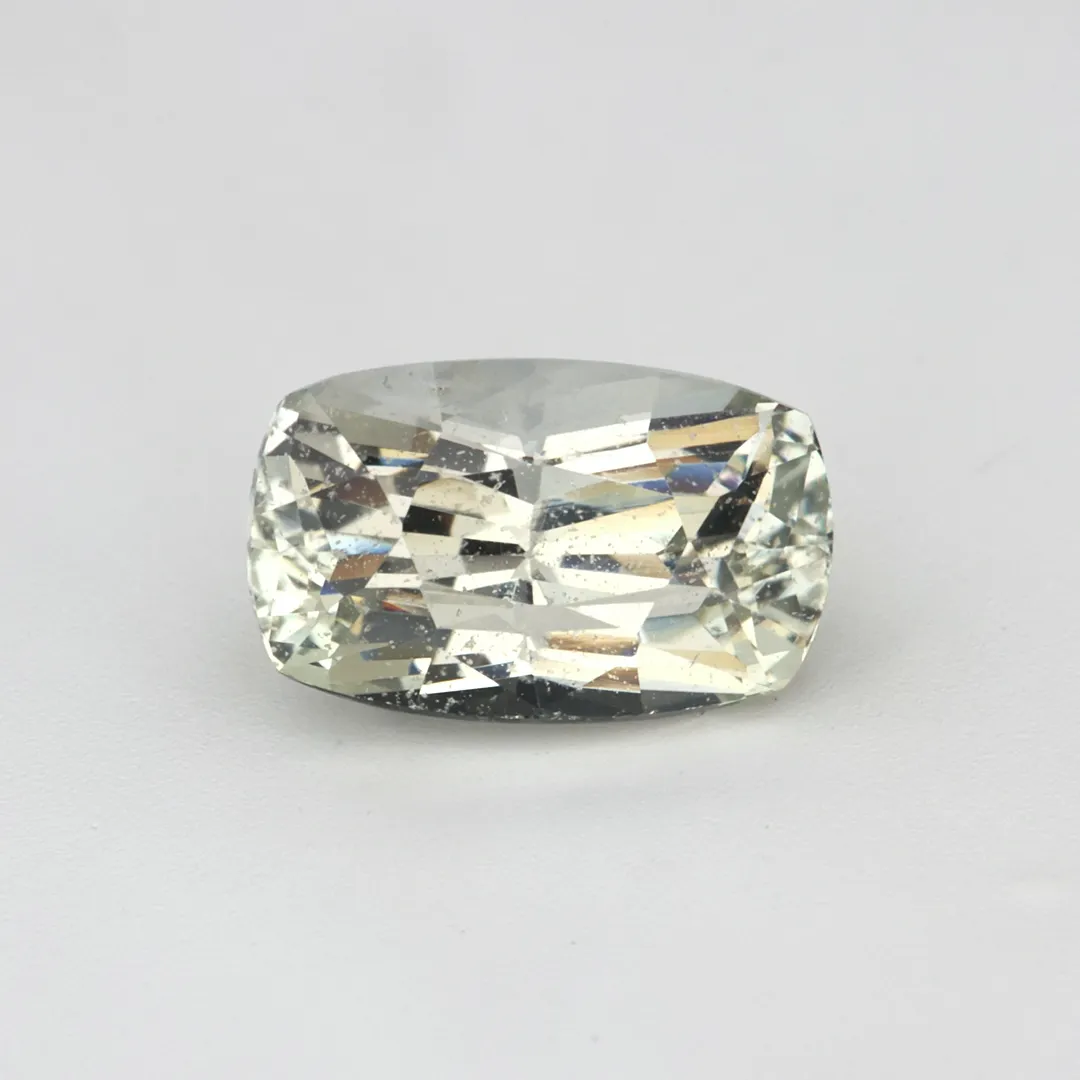
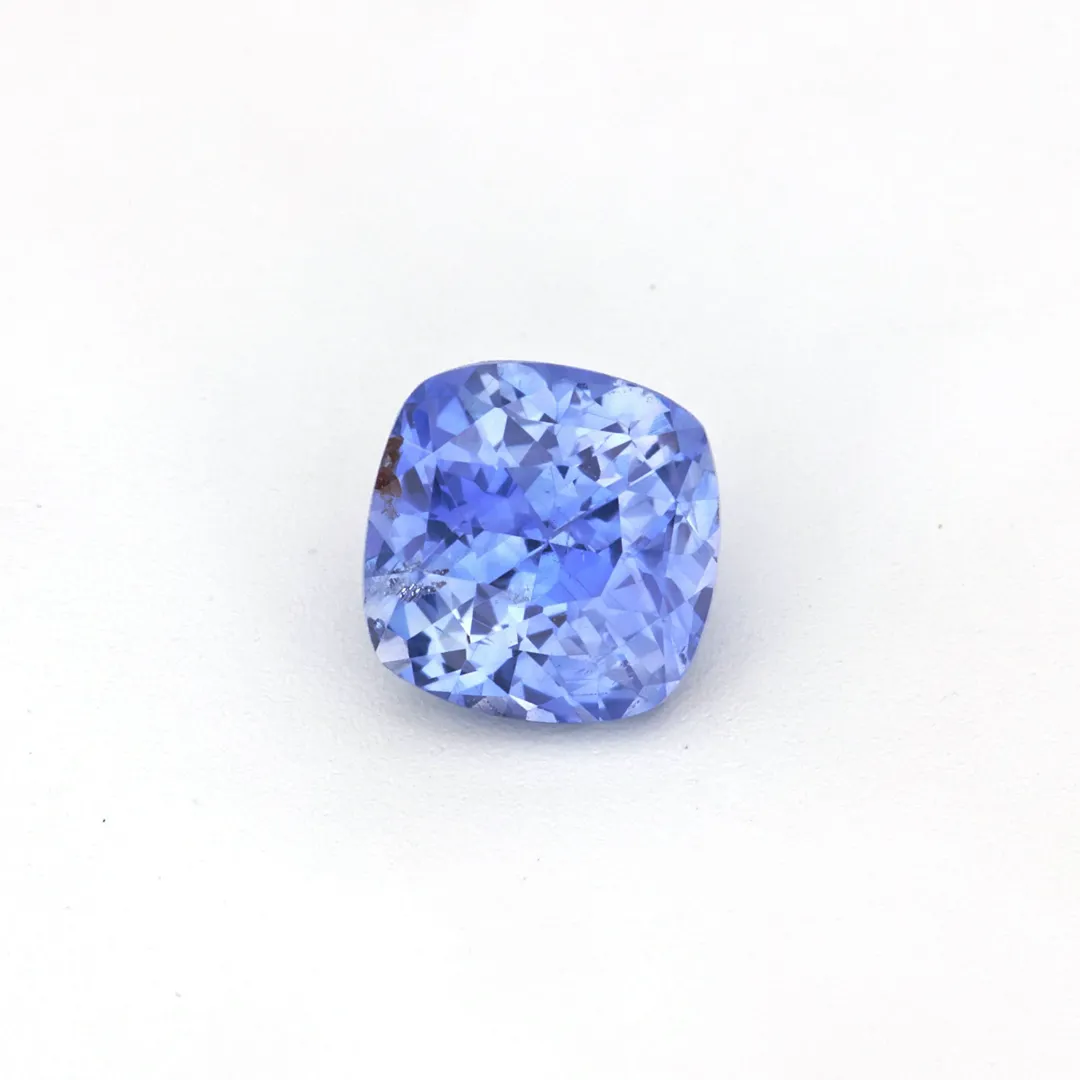
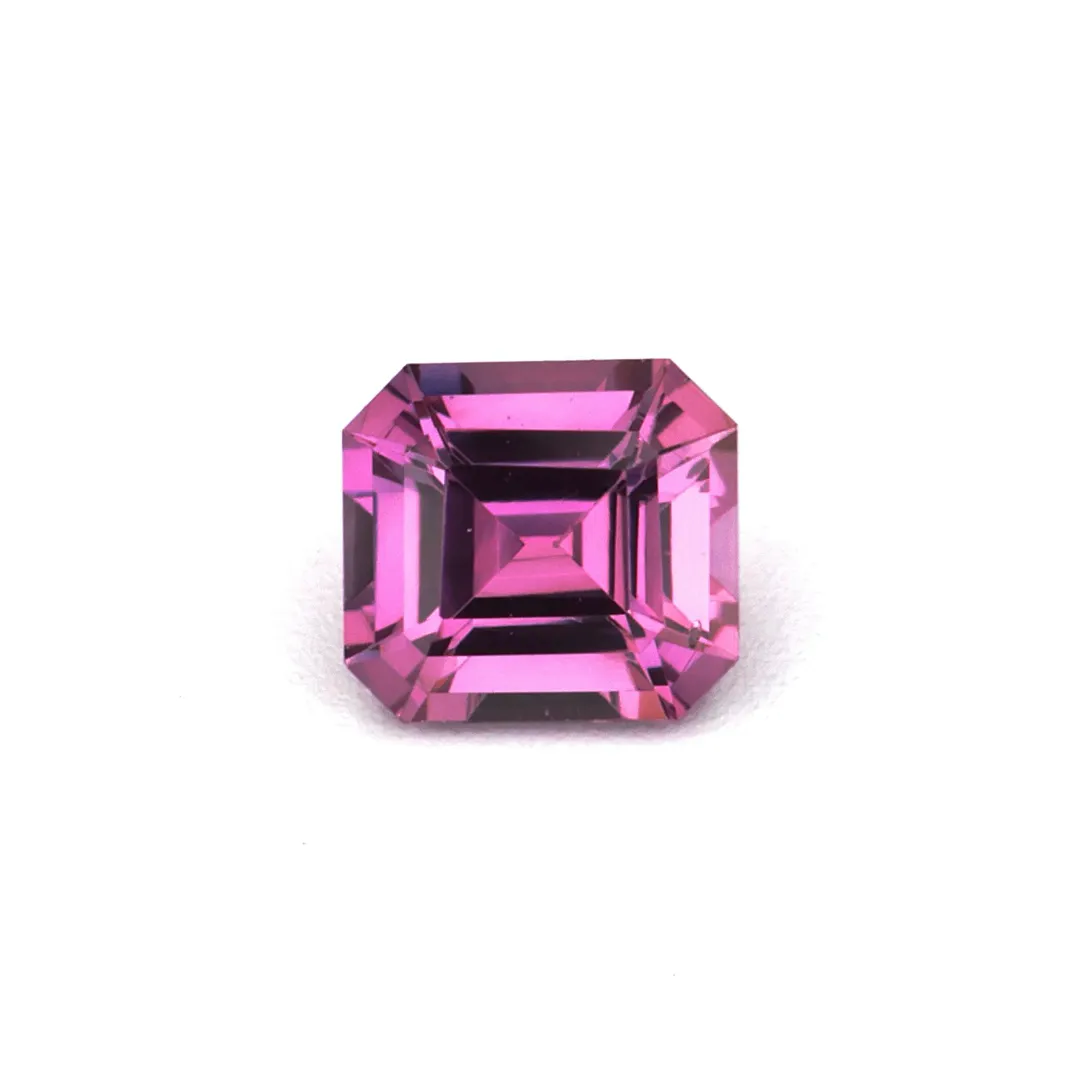
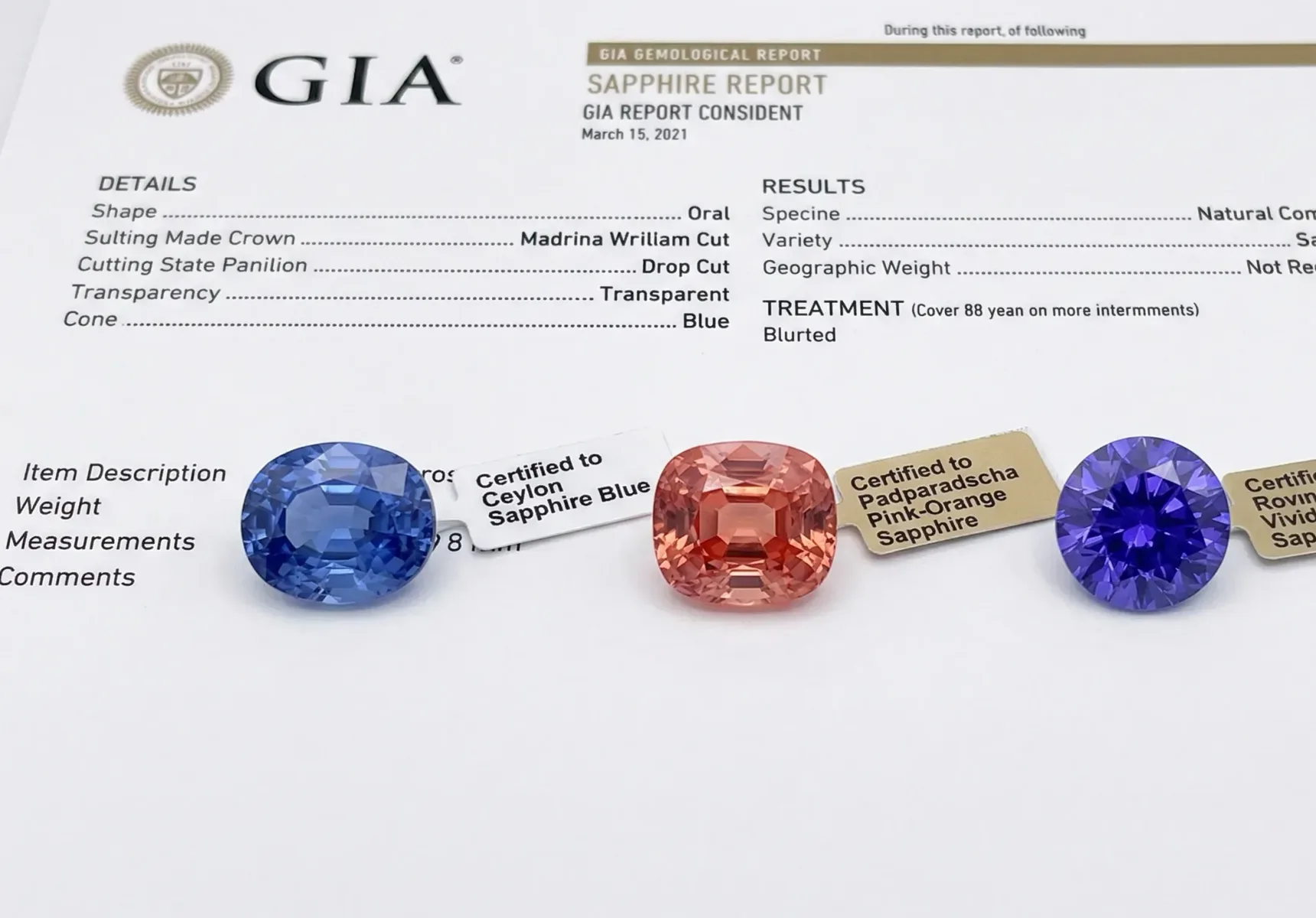
Shenzhen is the centre of the Chinese jewellery trade. The Shuibei district alone houses thousands of jewellery businesses, and a great deal of the coloured stone set in China passes through it. Designers and small workshops there buy loose stones for commissions and for their own lines, and when they buy a Ceylon sapphire in China rather than at source, the Shuibei trader’s margin is in the price. Either way they want what any working jeweller wants: exact measurements, honest footage and paperwork that clears customs.
Shanghai and Beijing are the private buyers’ cities: engagement rings, gifts, and the collector’s unheated stone. Premium sapphires in China have usually come through Hong Kong or Bangkok before they reach a counter there, with a margin at each stop. Hong Kong, a free port with no duty on gemstones and a long history in the coloured stone trade, is where some mainland buyers prefer to take delivery, and we ship there as readily as anywhere.
A word on practicalities. WhatsApp, which most of our buyers use, is not reliably reachable from mainland China, so email is the better first contact from there. It reaches the same person and gets the same answer. The site, the listings and the reports are in English, and so is our correspondence.
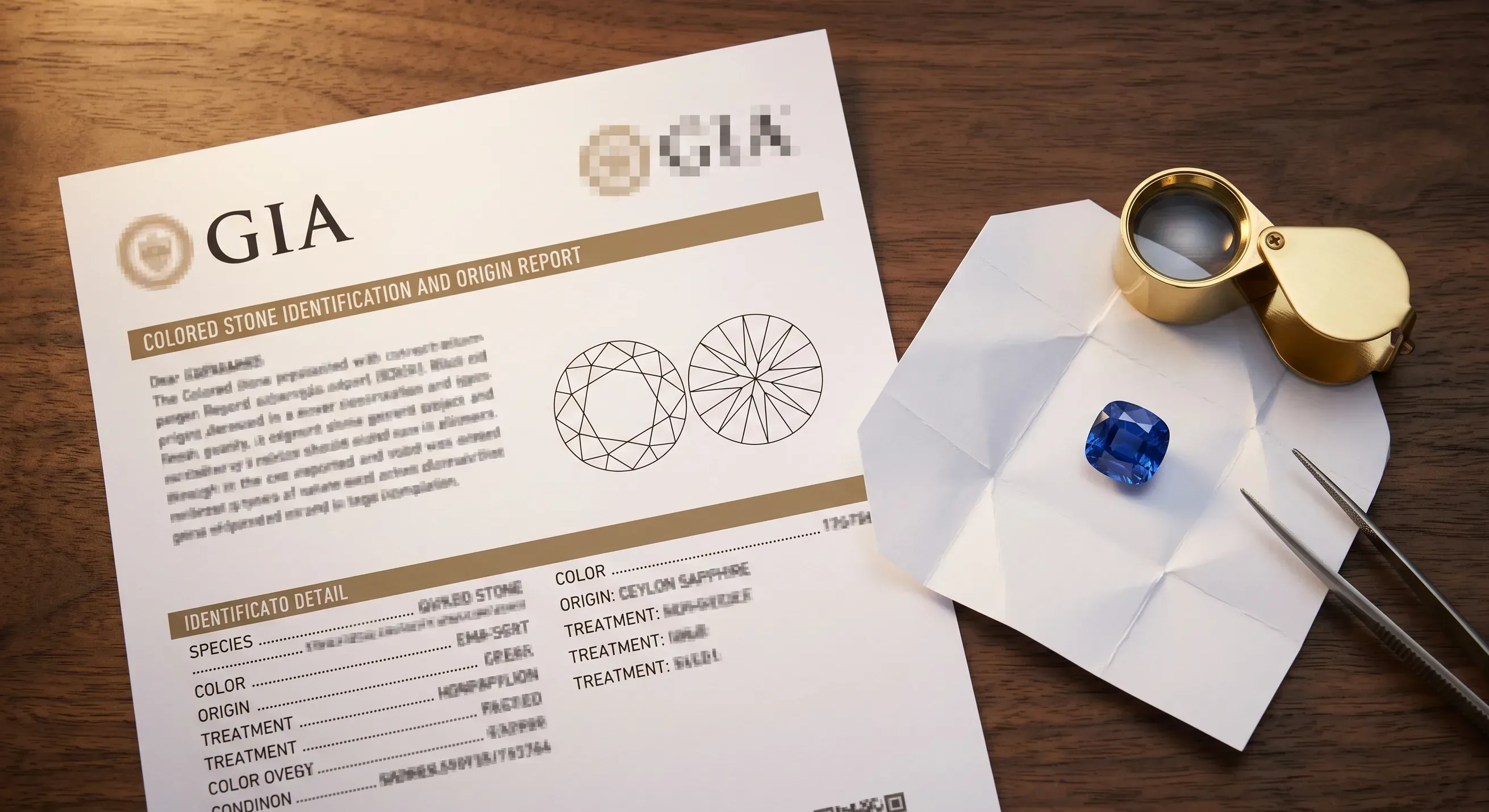
Provenance is easy to answer for a Ceylon stone. Sri Lankan mining is small-scale and licensed, the districts are named, and an independent laboratory confirms the origin on the report. How we buy, and from whom, is set out on our story page.