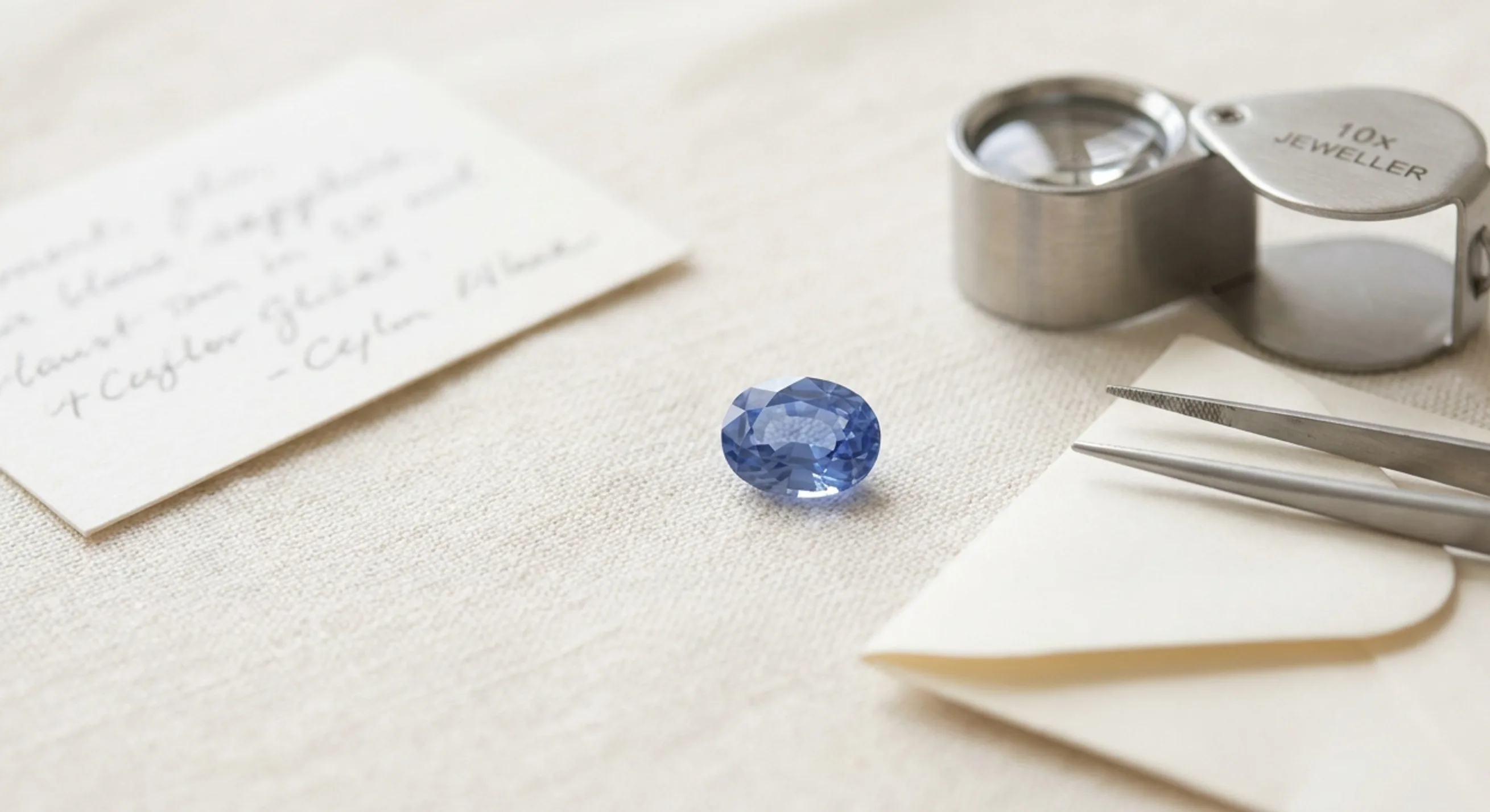
Plain guides written at the source: how sapphire quality is judged, how to read a lab report, what a fair price per carat looks like, and how a stone gets from Ratnapura to you.
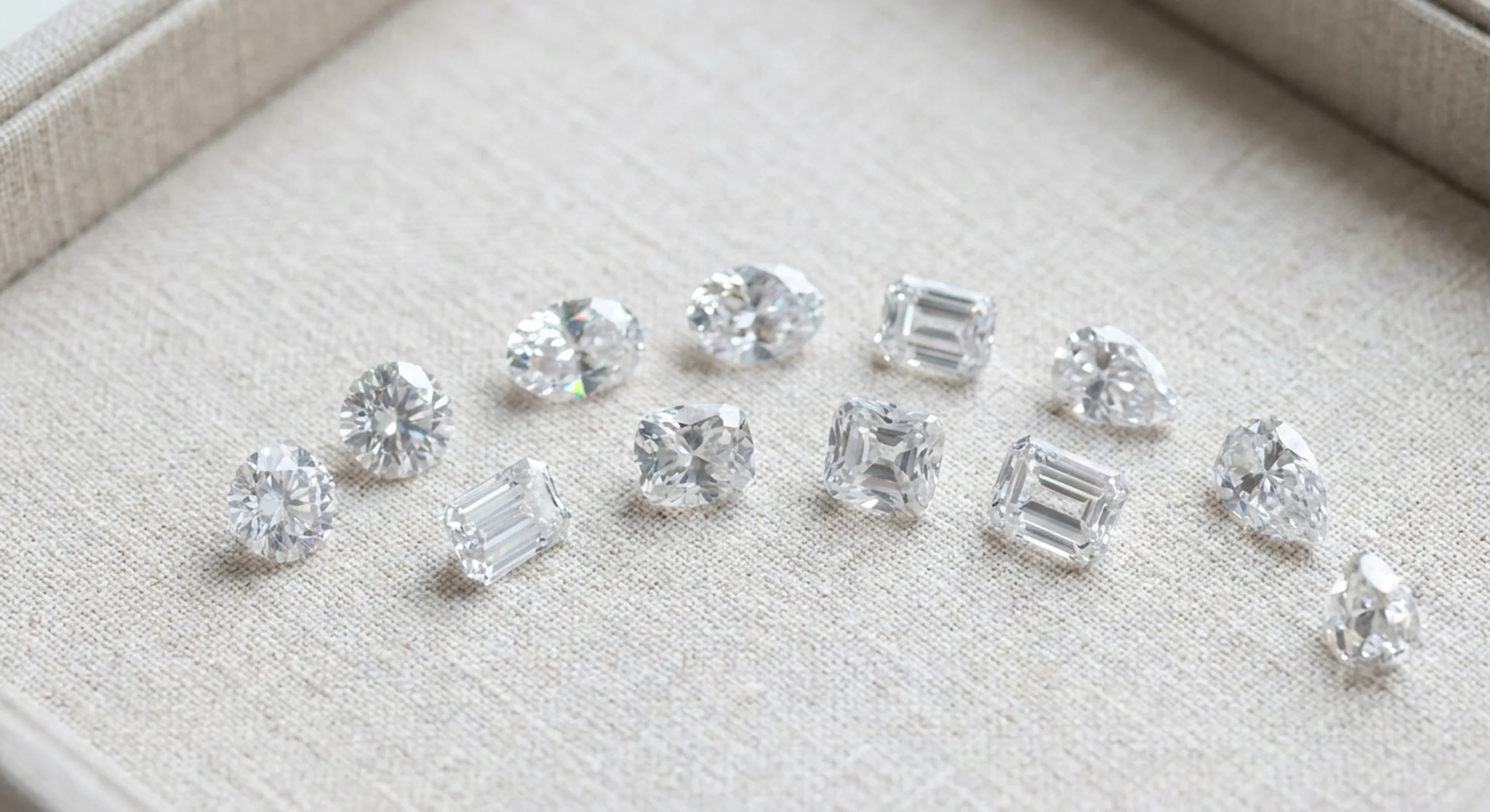
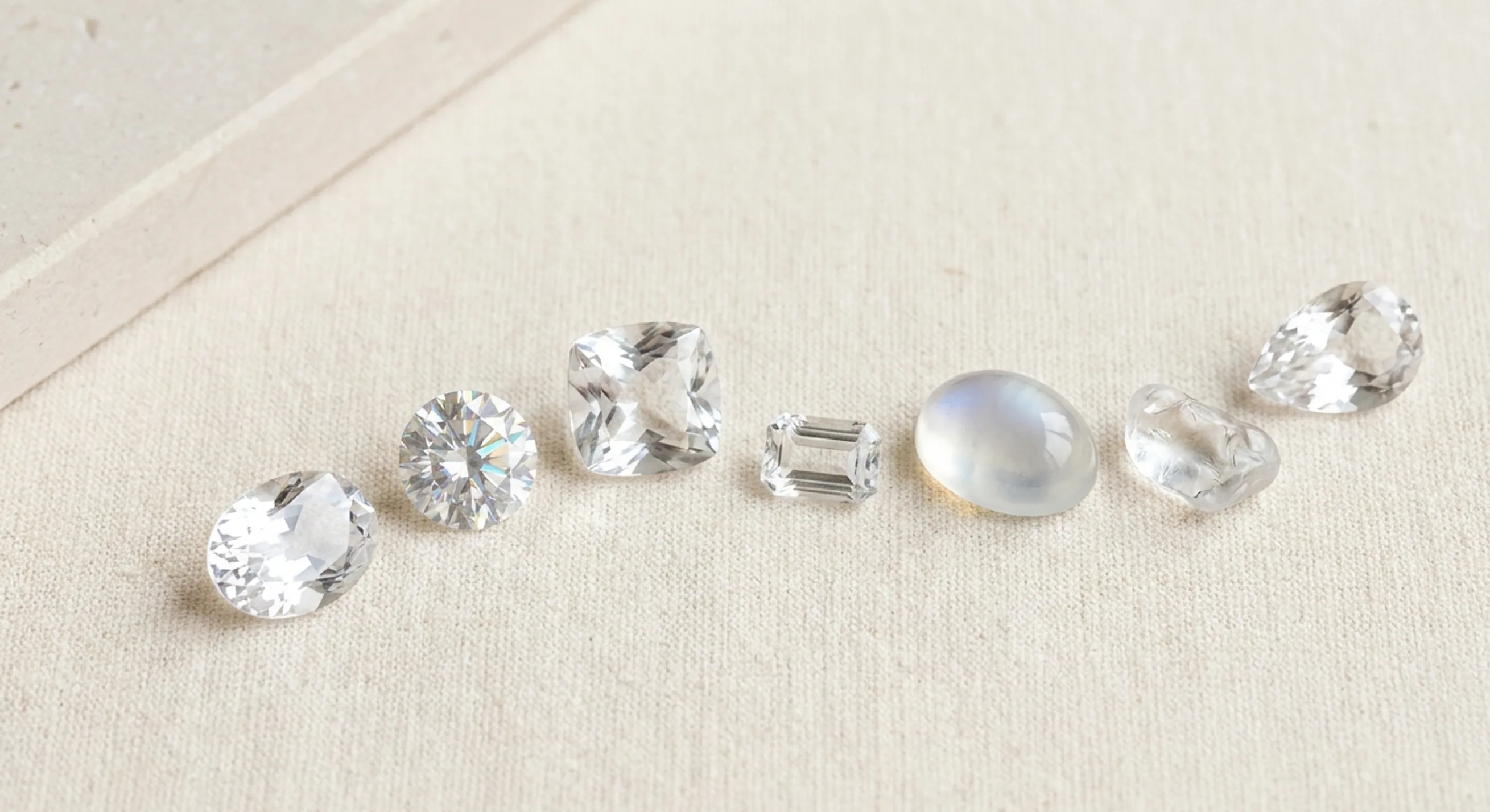
Ten naturally clear gemstones compared, from diamond to rock crystal. Each gets the one property that makes it unique, a practical identification tell, and whether its lack of color is natural or the result of treatment.
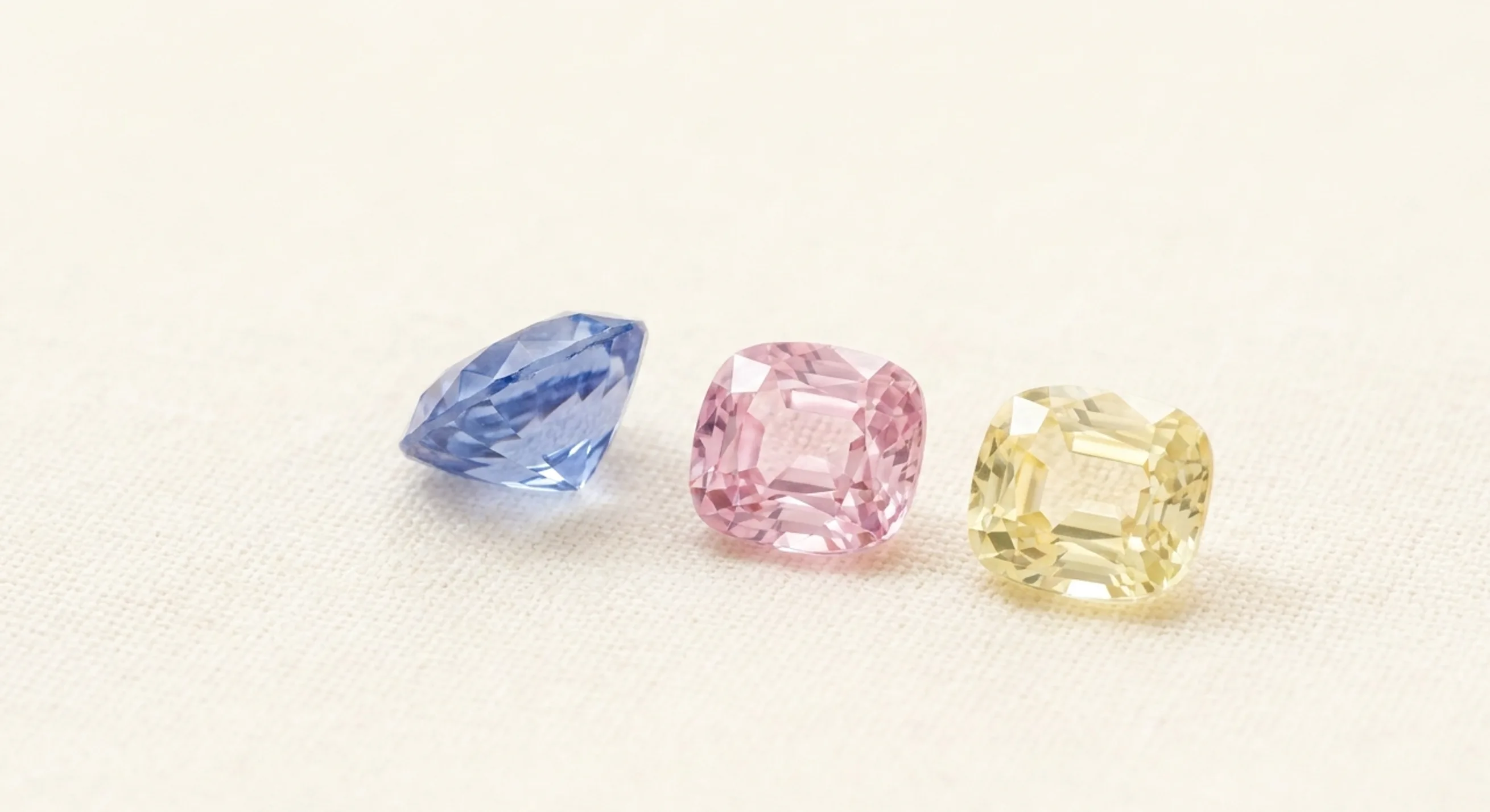
The cushion is one of the two standard cuts for Ceylon sapphire, with the oval, but a standard lab report does not grade its cut. Here is how the shape developed, what the outline and faceting options are, and the proportions to check before trusting one.
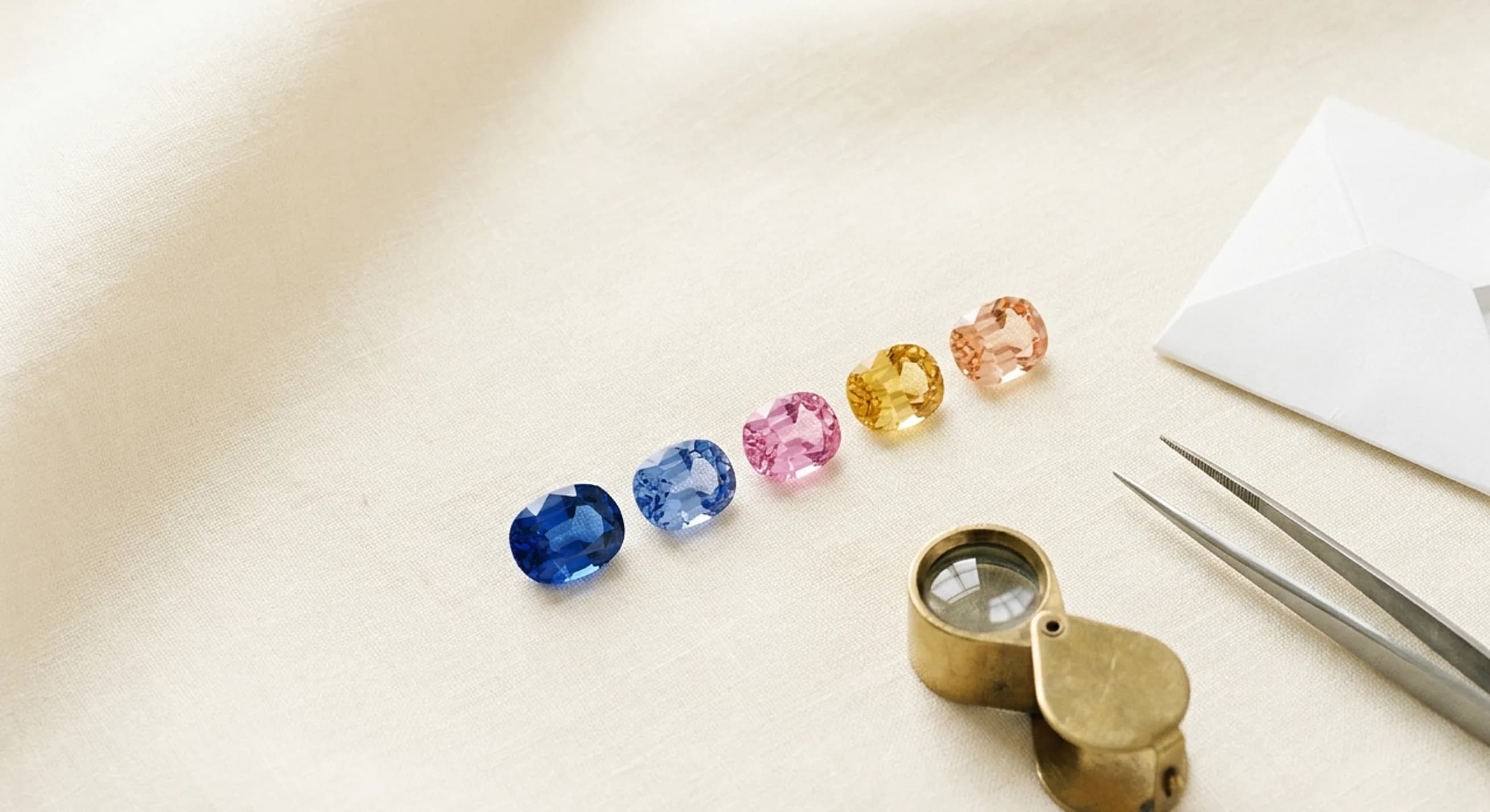
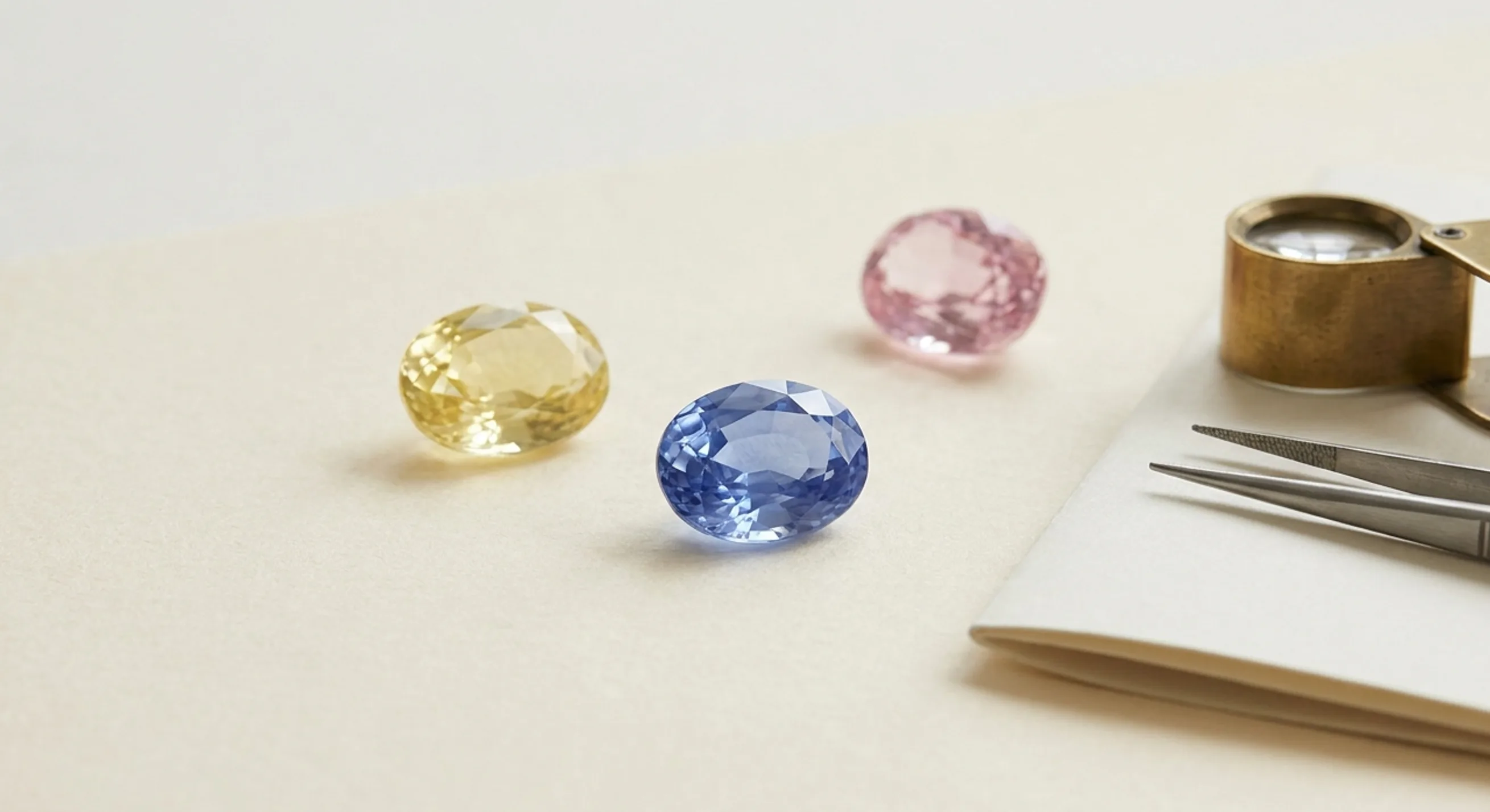
Why does one Ceylon sapphire cost three times as much per carat as another of the same colour? Here is how colour, treatment, carat weight, clarity, cut and lab reports stack up to set the price, with a checklist for testing any quote.
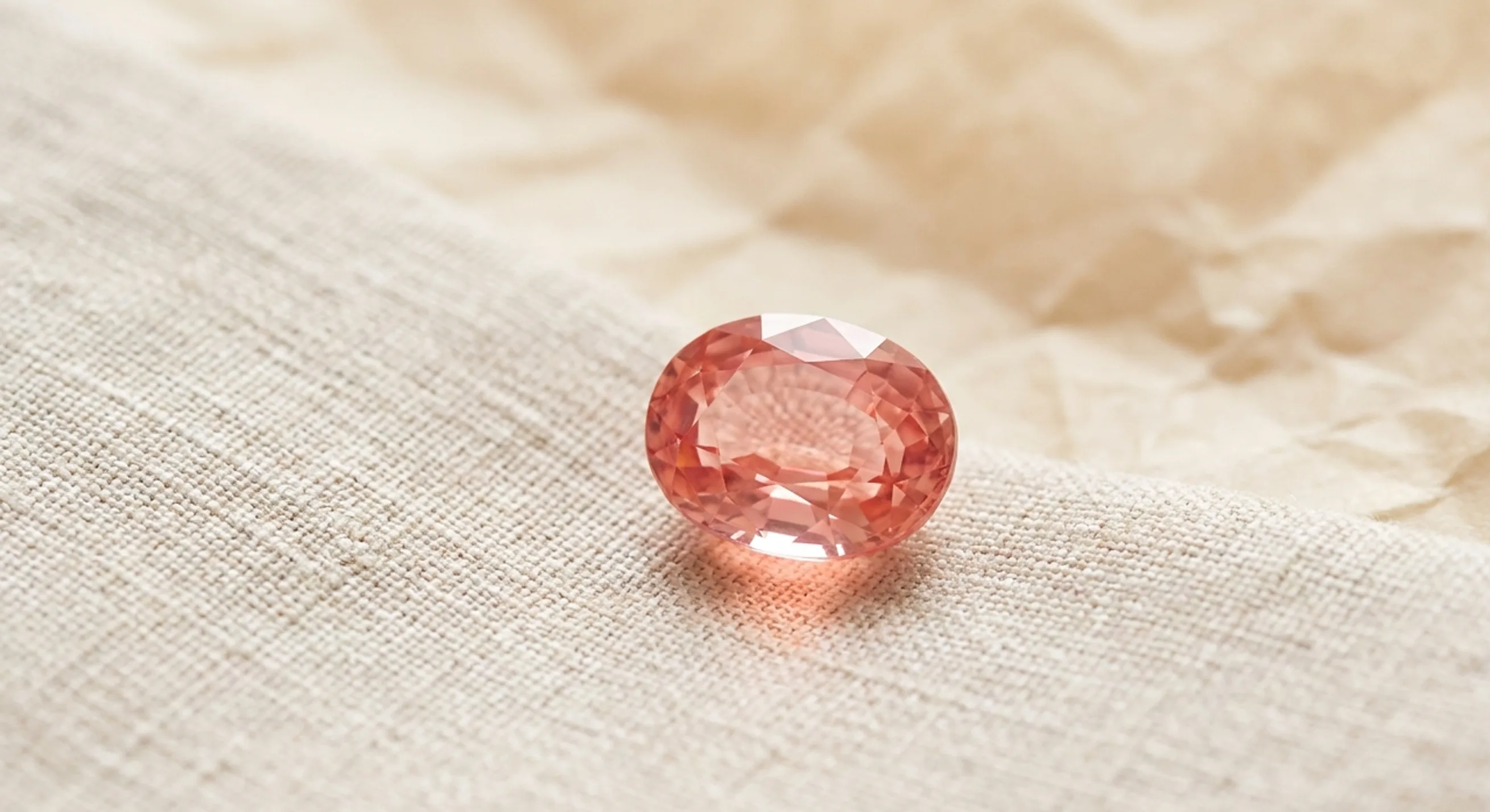
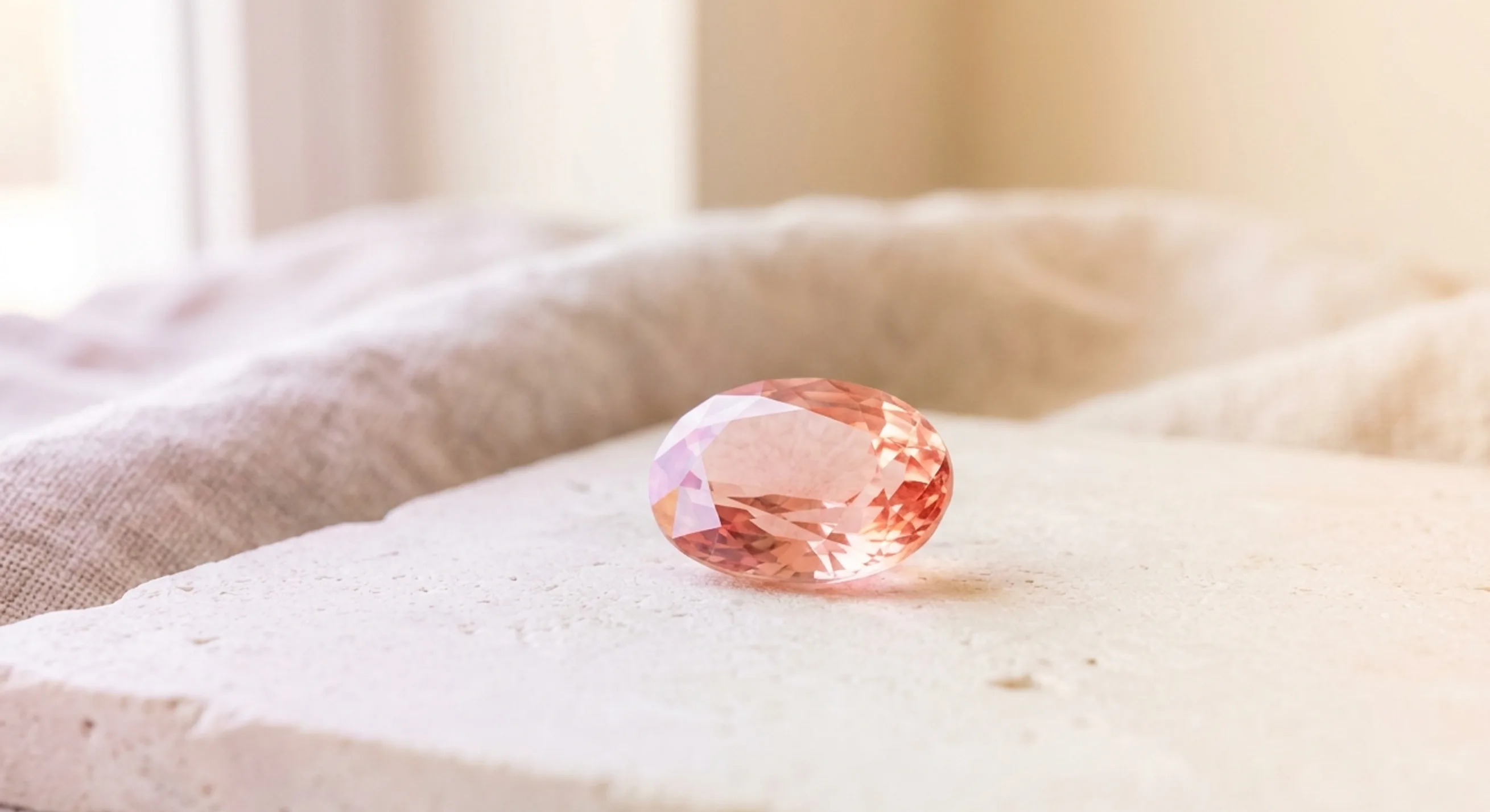
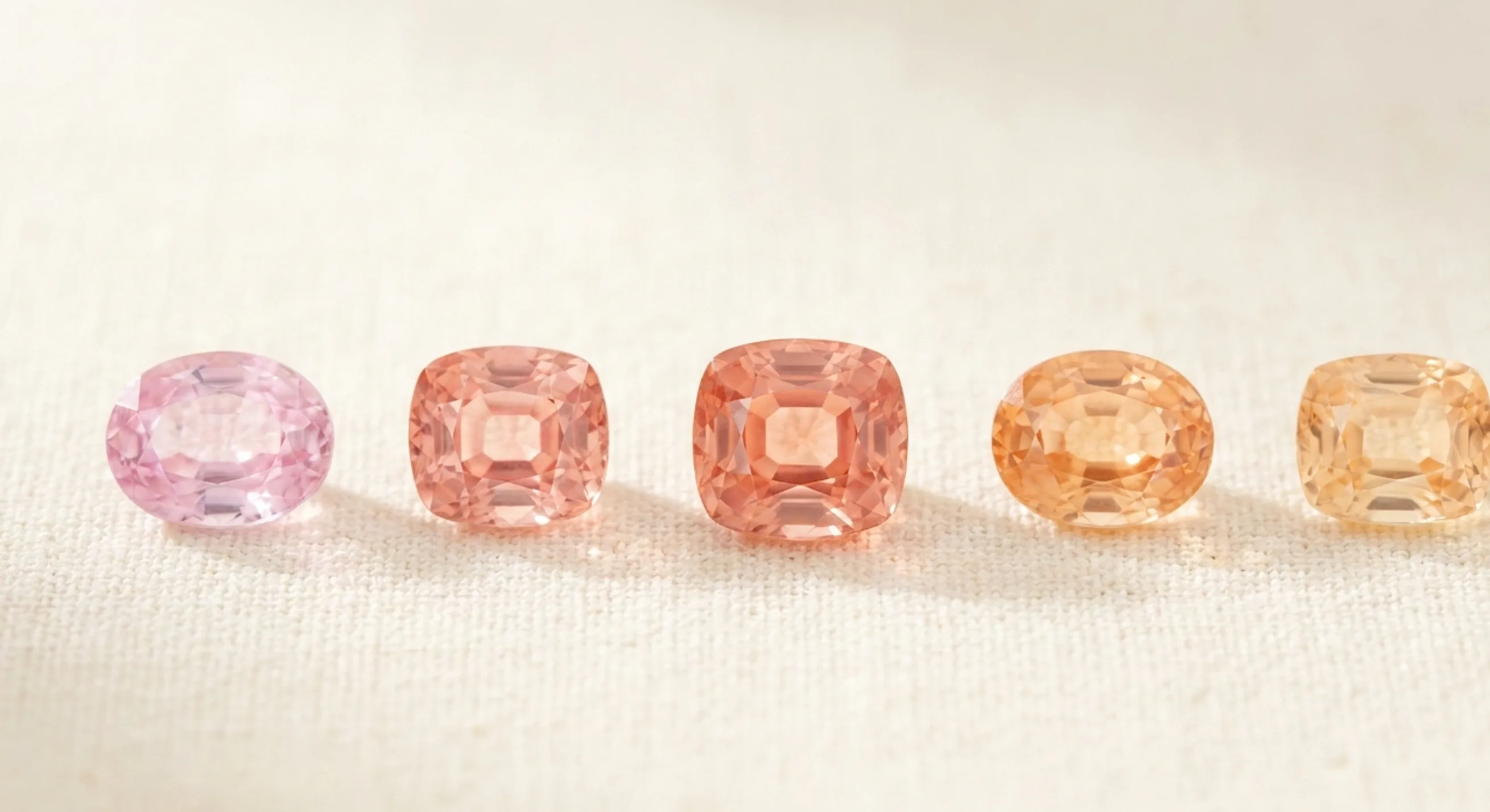
Padparadscha is a narrow band of pinkish orange to orangey pink, light to medium in tone and soft in saturation, judged in daylight. Here is where that glow starts and stops, why labs disagree on it, and the fading and diffusion tests that show whether it is real and permanent.
A founder's step-by-step framework for buying a natural Ceylon sapphire in any colour: what to decide first, how to judge a stone on video, which lab reports matter and when a certificate is worth paying for.
One padparadscha can look pink under one bulb and salmon in north daylight. This guide covers the chemistry behind that shift, how it differs from true colour change and from fading, and how to check a stone in every light before buying.
Padparadscha covers only a narrow band of pastel pinkish orange to orangey pink. This grading map shows where that band starts and ends, and why a stone just outside it sells for a fraction of the price.
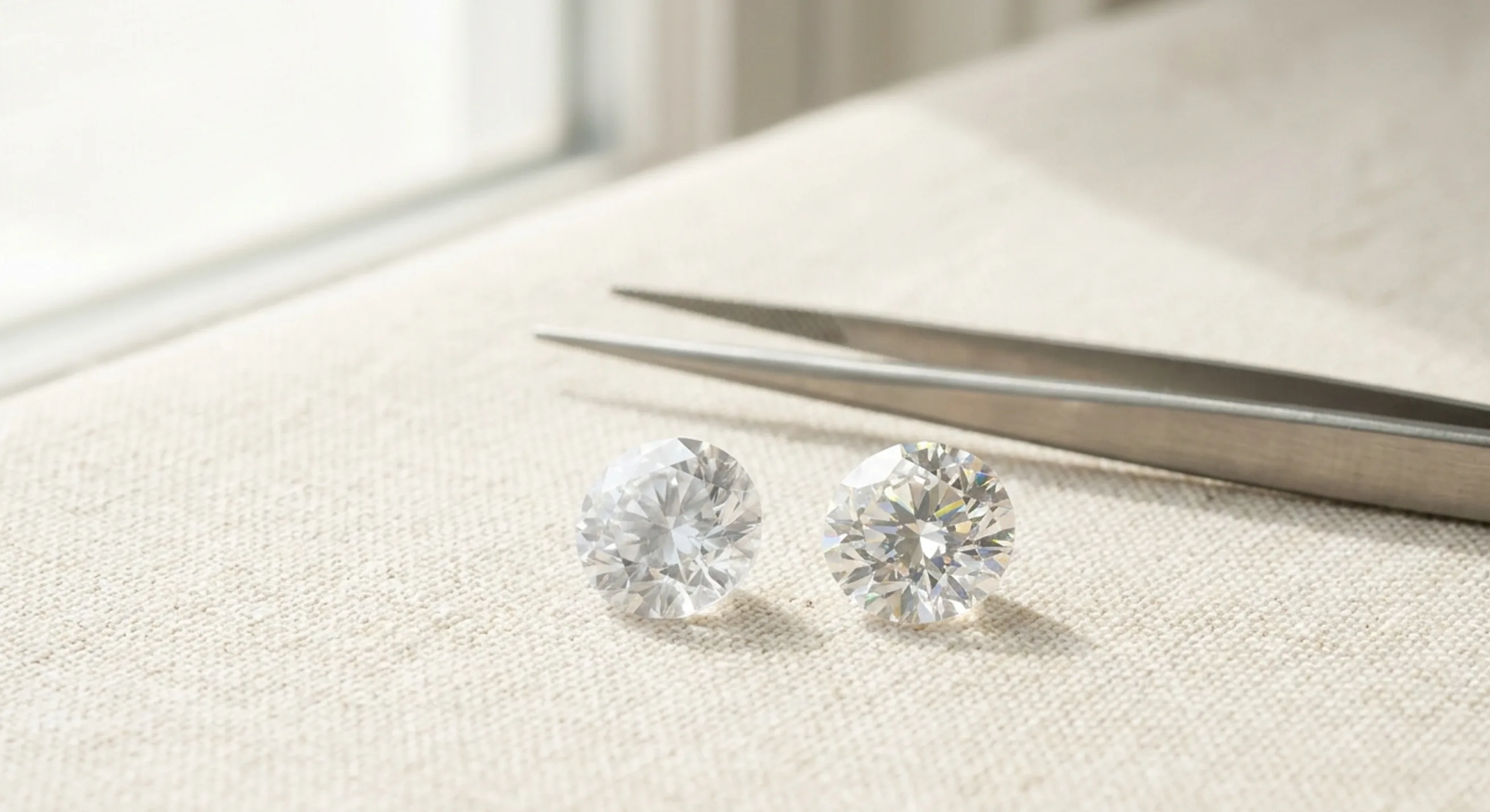
A side-by-side look at white sapphire and diamond on sparkle, hardness, daily wear, price per carat and identification. It includes what Sri Lankan cutters do to make white sapphire brighter, and an honest view of when a diamond is the better buy.
A dealer's five-factor checklist for judging any Ceylon sapphire: colour, clarity, cut, origin and treatment. Each factor comes with a Sri Lankan benchmark and the red flags to check on any listing or certificate.
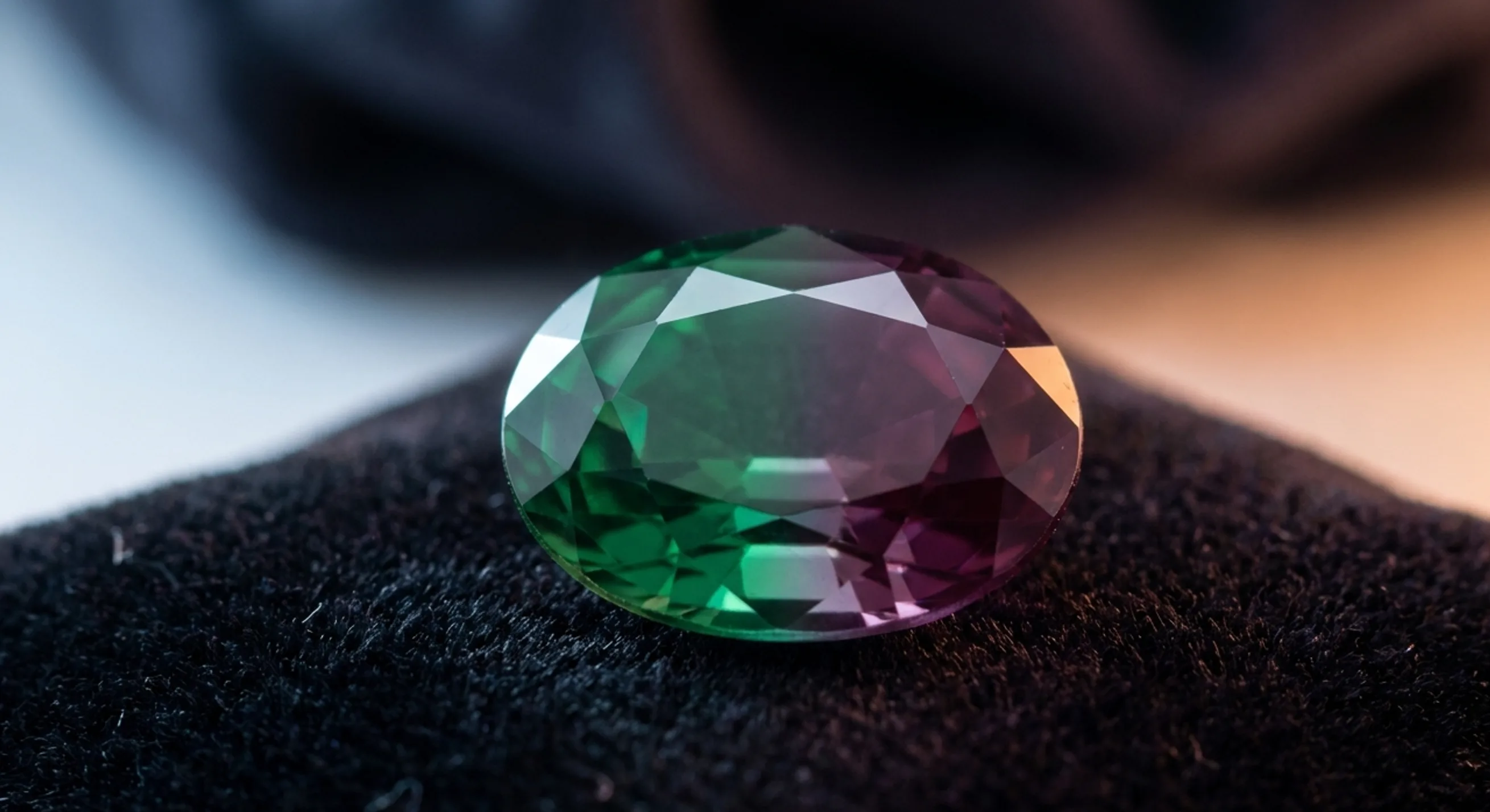
Russian alexandrite built the reputation, but Sri Lankan chrysoberyl now carries much of the market. Here is how the two compare, and why a full carat is the number that matters.
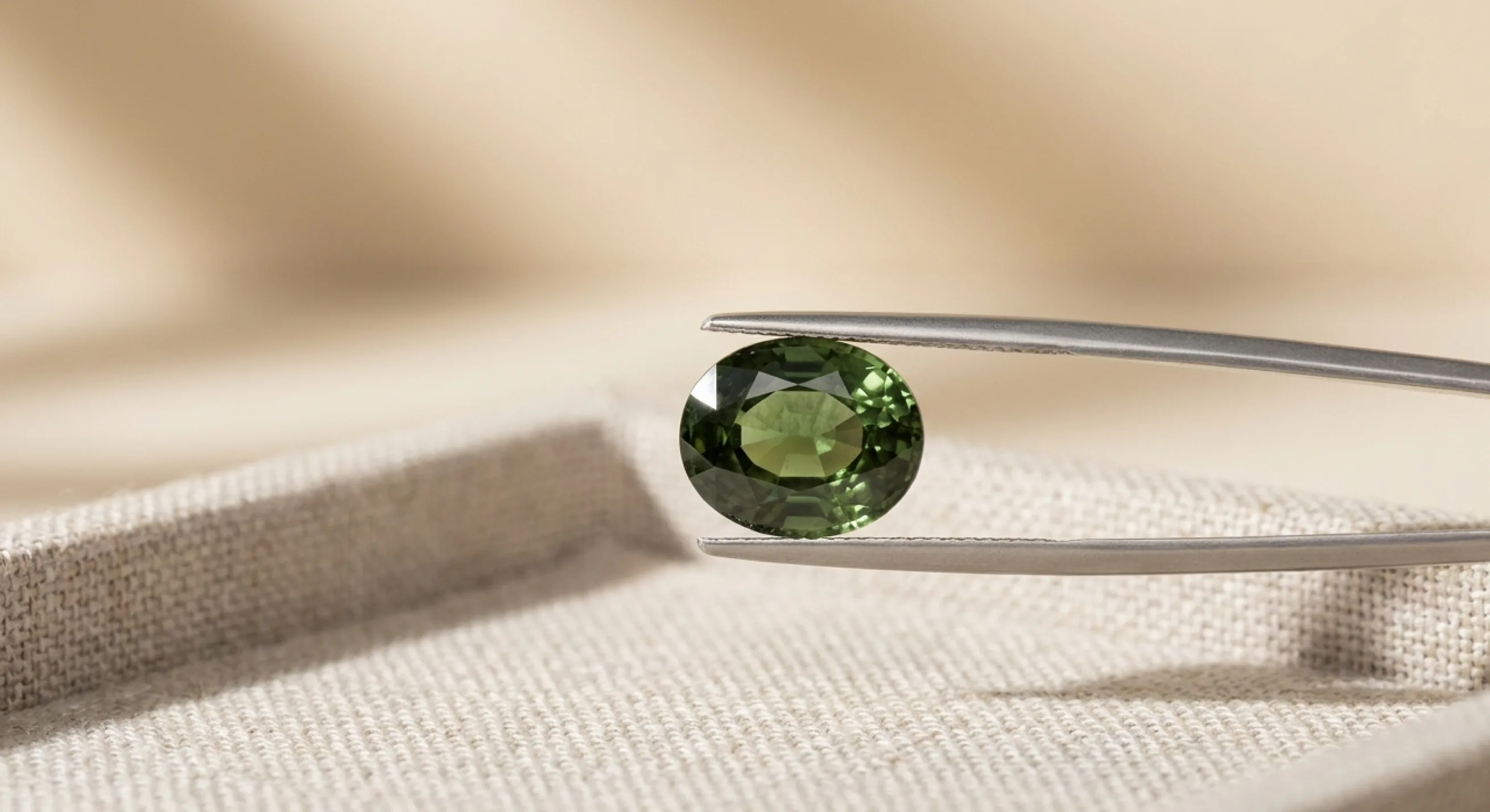
Buying a loose green sapphire means judging the stone on its own terms before it disappears into a setting. Here is what to check and where genuine unheated Ceylon material comes from.
First Look at New Ceylon Sapphires
New stones and guides, straight from the source. Written rarely, and only when there is something worth saying.