Buying Guides
Loose Green Sapphire: Buying Unheated Ceylon Stones
Buying a loose green sapphire means judging the stone on its own terms before it disappears into a setting. Here is what to check and where genuine unheated Ceylon material comes from.
7 min read
By Crestonne Editorial
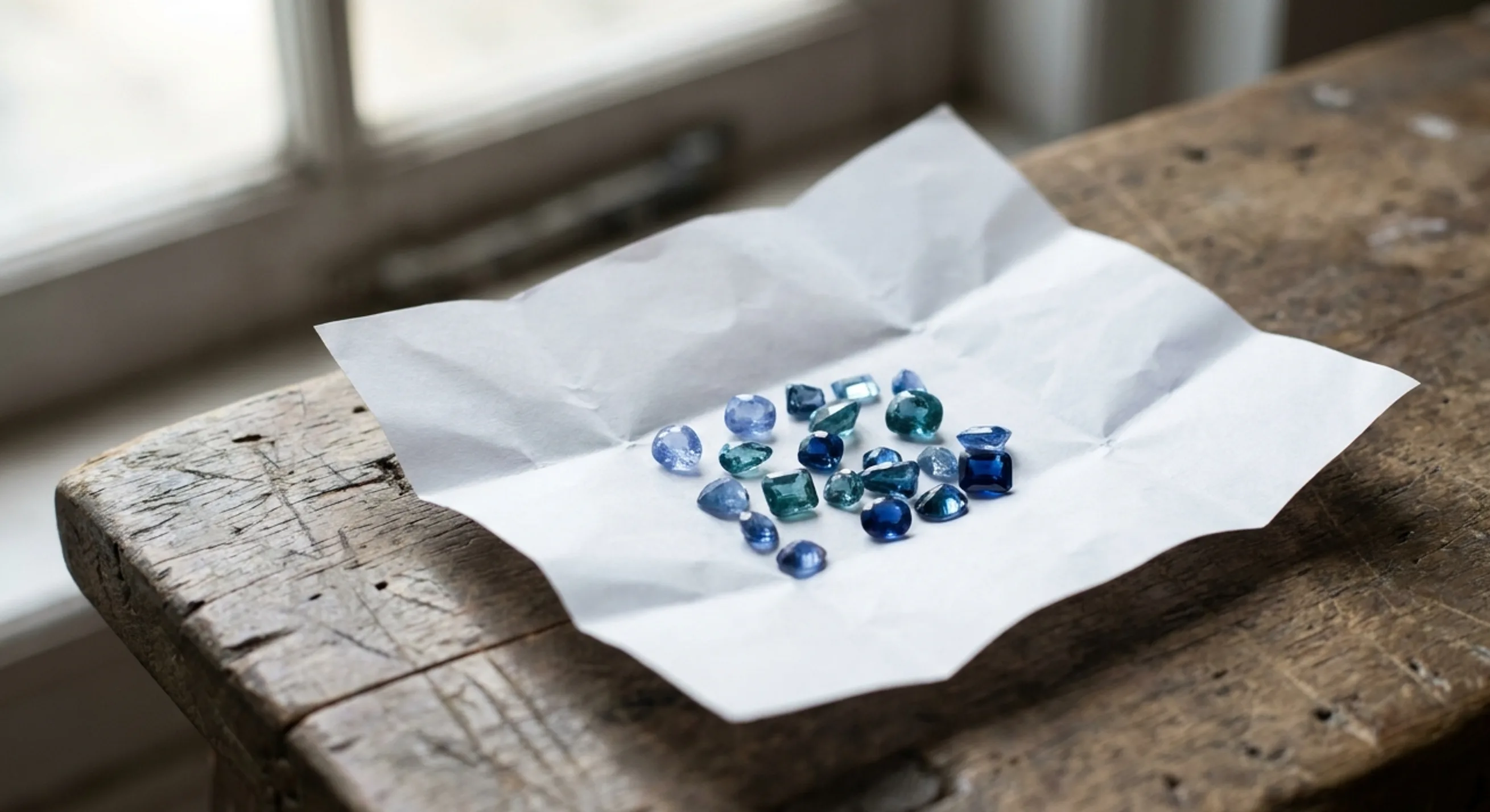
Buying a green sapphire loose rather than pre-set gives you the one thing a finished piece hides: the whole stone. You see the pavilion, the girdle, the true colour without metal reflecting into it, and any inclusions a bezel might conceal. For green sapphire, where colour sits on a spectrum from bluish teal to olive to pure grass green, that visibility isn't a luxury. It's the difference between paying for what you think you're getting and paying for what's actually in your hand.
Below is the checklist Crestonne uses when evaluating loose material, and how to make sure the stone you buy is genuinely from Ceylon and genuinely untreated.
What is a loose green sapphire?
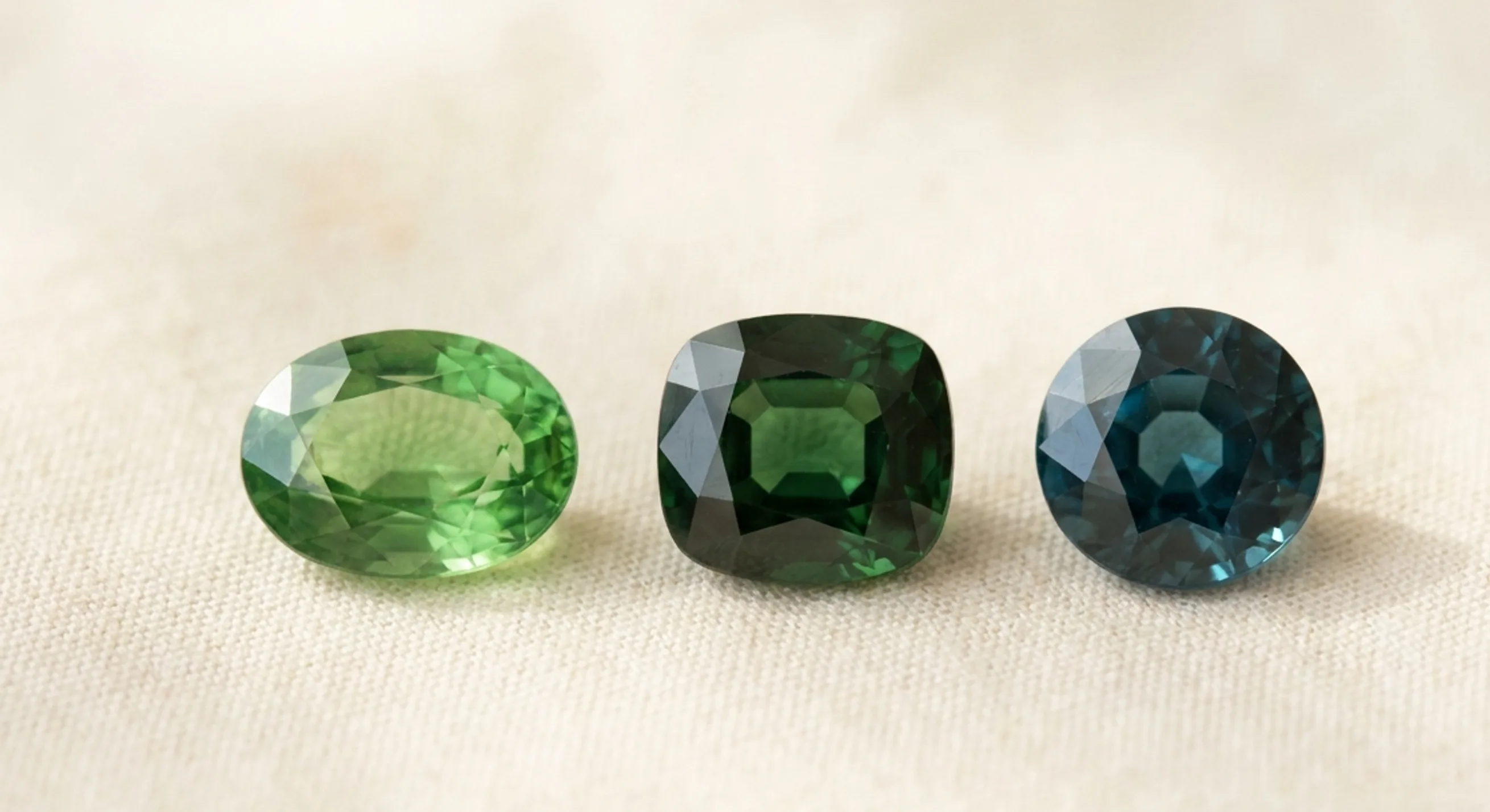
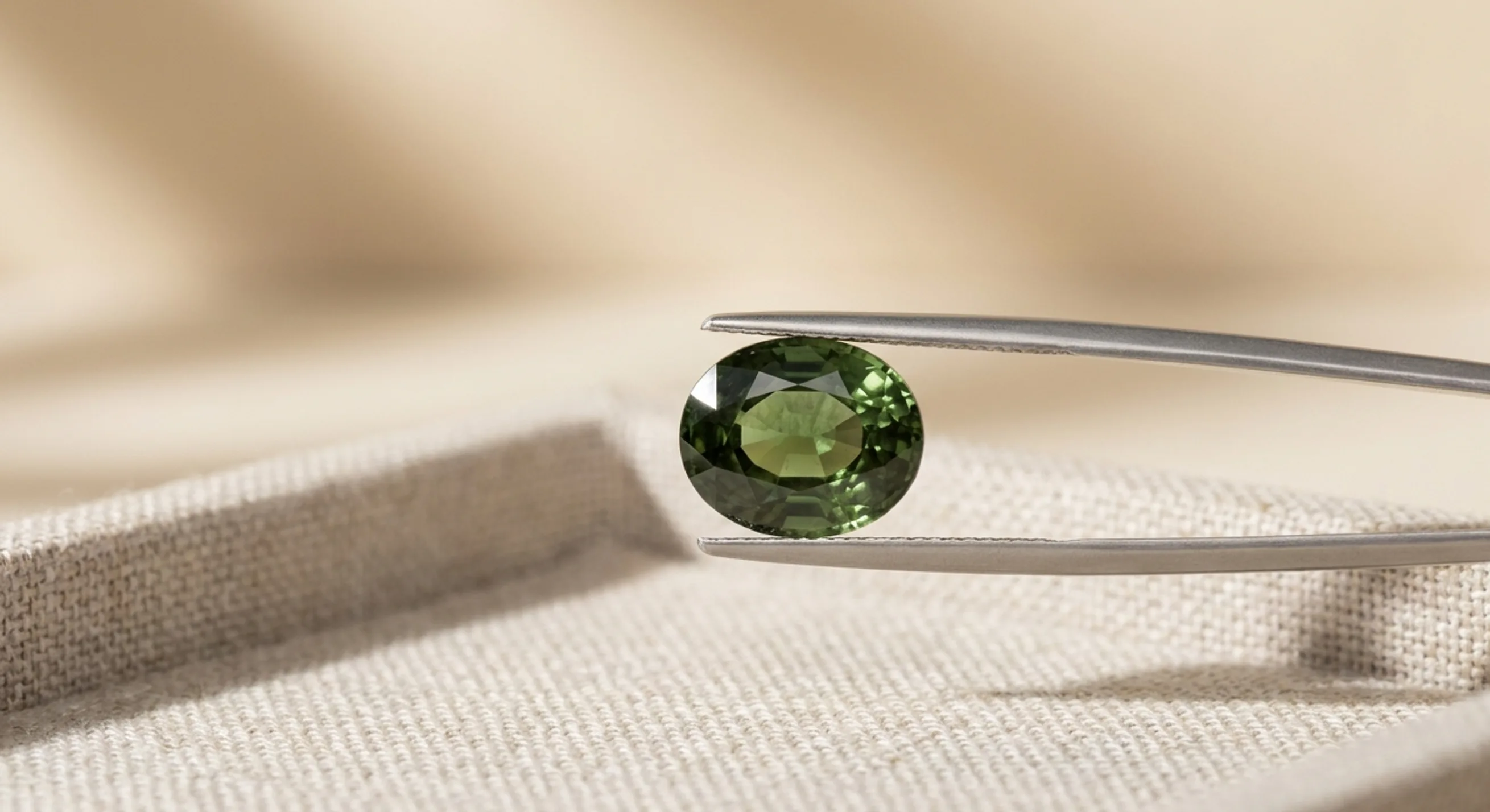
A loose green sapphire is an unmounted, faceted or cut corundum coloured green by trace iron. Corundum sits at Mohs 9, second only to diamond, which is why sapphire holds up to daily wear in rings. Green is one of the rarer sapphire hues, and Sri Lanka produces some of the most respected material for it. A loose green Ceylon sapphire carries the origin that dealers and collectors trust, and buying it unmounted lets you inspect it fully before committing it to a design.
The colour range matters. Ceylon green sapphire runs from a lighter, slightly yellowish green through to deeper forest tones, and many stones show a teal character that blurs the line between green and blue. None of these is "wrong." The right one is the tone you want to live with, which is exactly why seeing the stone loose beats trusting a photo of it already set. For the fuller background on hue, origin and grading, our guide to green Ceylon sapphire covers the ground in depth.
Why buy loose instead of set?
Three reasons, in order of importance.
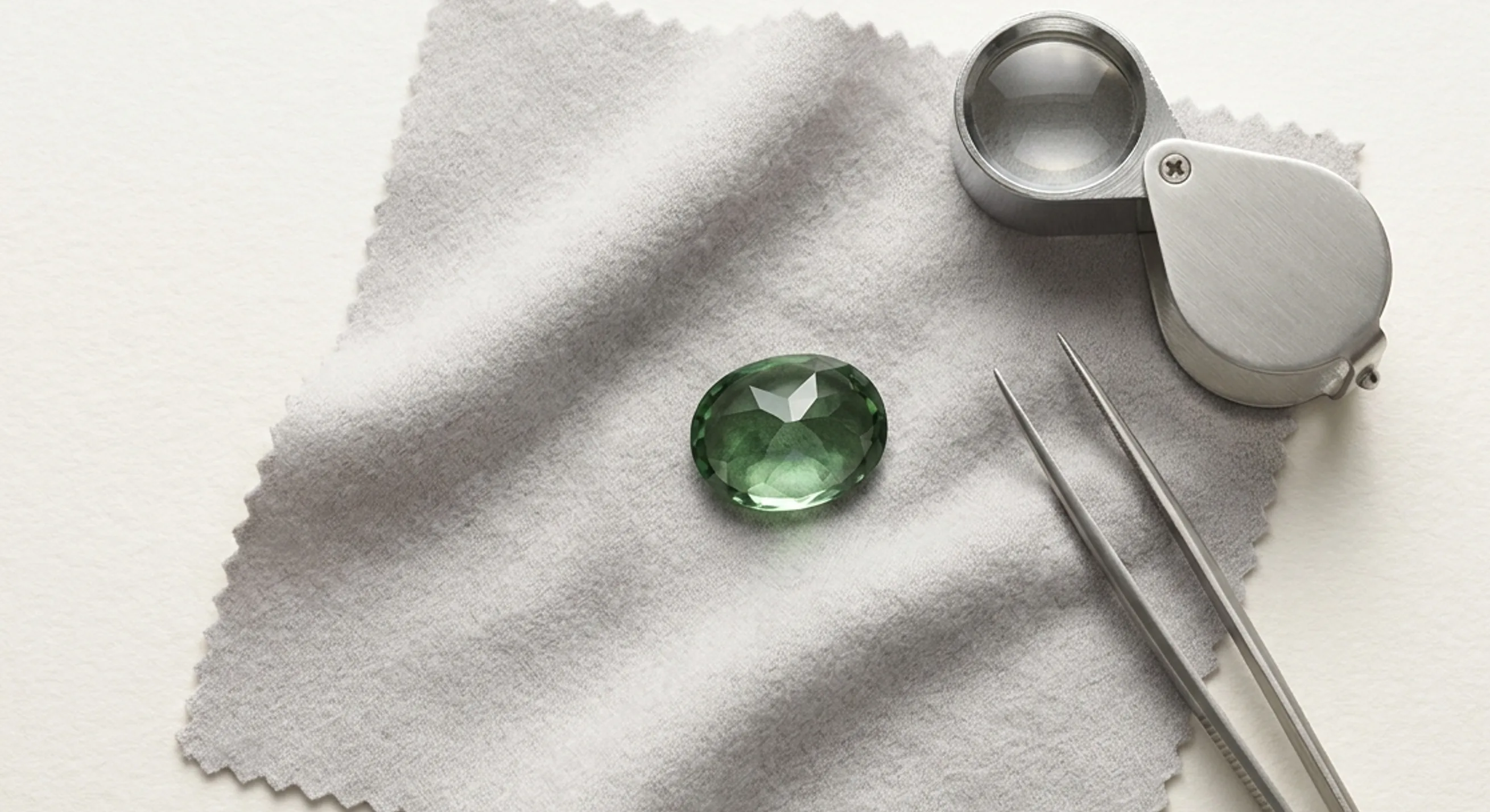
Start with inspection. A loose stone can be turned under light, viewed table-down, and examined for inclusions across the entire body. Once a sapphire is in a setting, prongs and metal hide the girdle and part of the pavilion, and the mounting throws its own colour into the gem. You're trusting the seller's judgement instead of your own.
Then there's control over the design. Buying the stone first means the setting is built around it. You choose the metal, the profile and the proportion that flatter that specific green, rather than dropping a stone into a template.
The third reason is where the market thins out: many online sellers only offer finished pieces. That's a business decision, not a gemmological one. It moves margin into goldsmithing and it keeps the customer from scrutinising the stone in isolation. Crestonne sells loose material precisely so the gem stands on its own, and so a custom build starts from the sapphire outward instead of the other way round.
How do you know a green sapphire is unheated?
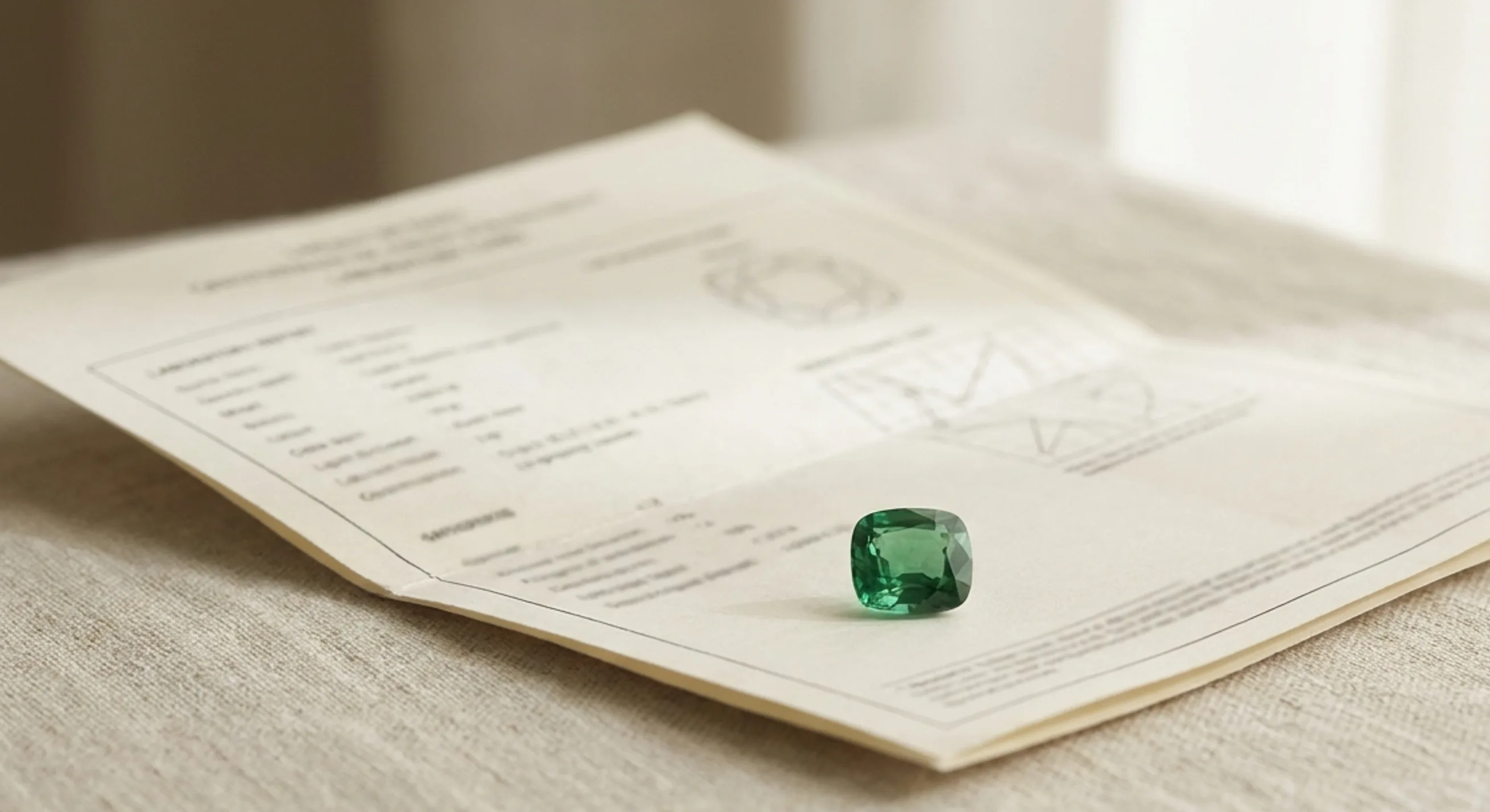
You verify it with a report, not with a promise. An unheated green sapphire is worth a premium because heat treatment is the industry norm, and stones that never saw the furnace are the smaller, harder-to-find tier of the market.
Be clear on what heat treatment is: a legitimate, universally accepted process that improves colour and clarity, and a well-heated Ceylon sapphire is a genuine, valuable stone. The distinction isn't good versus bad. It's standard versus rare. Unheated material commands more because there is less of it, and because the collector market values a stone that shows its colour exactly as it came out of the ground. Our breakdown of unheated vs heat-treated sapphire explains the trade-off in full.
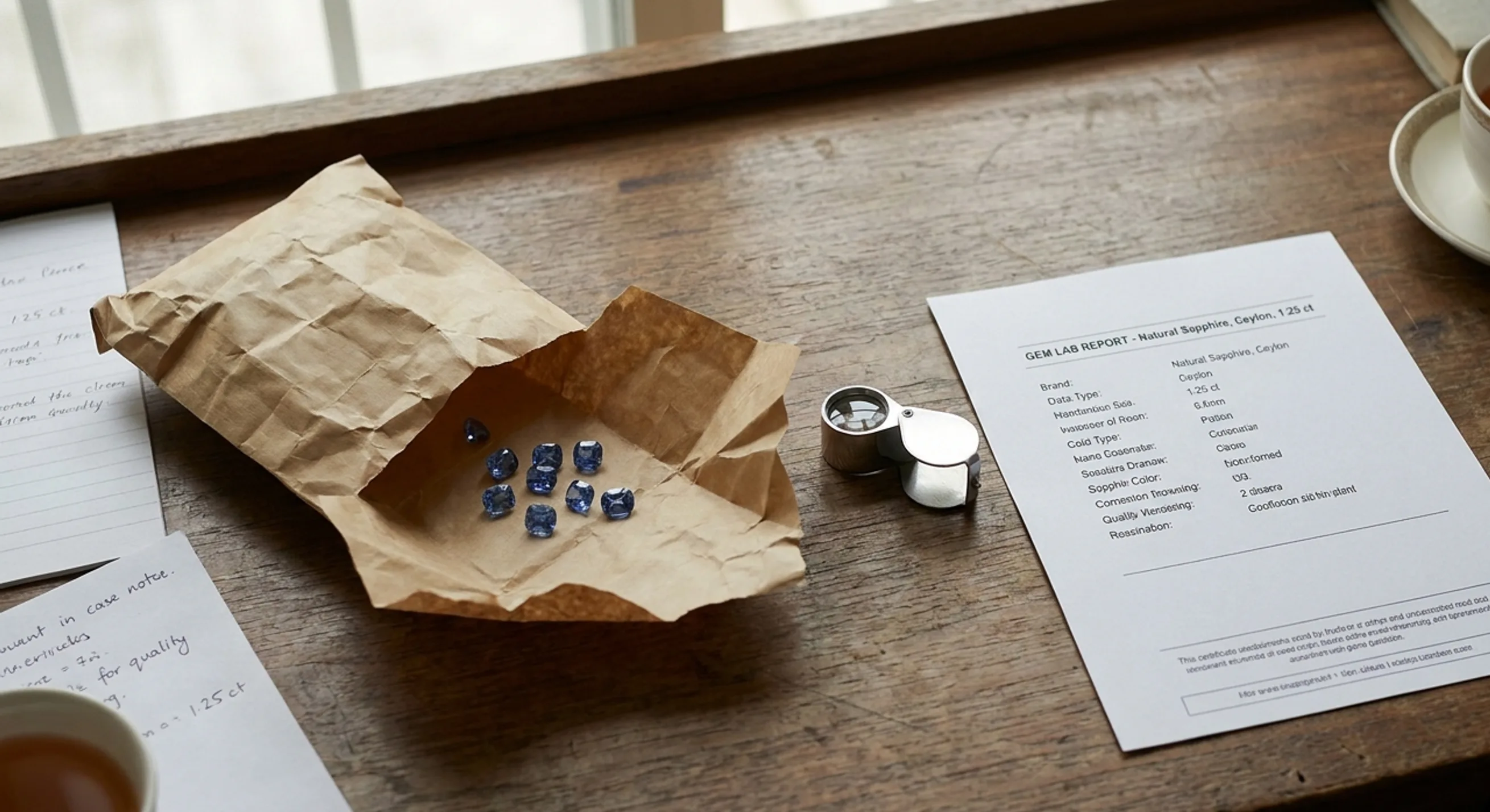
To confirm "no heat," look for a report from a recognised laboratory. GIA, SSEF and Gubelin all state a treatment conclusion on their reports, and for green sapphire the "no indications of heating" line is the one that matters. A microscope can also reveal signs of heat in inclusions, such as altered or ruptured mineral crystals, but the reliable path for a buyer is a lab letter, not a verbal assurance. If a seller offers a loose stone described as unheated without documentation, treat the price as if it were heated until proven otherwise.
The loose green sapphire spec checklist
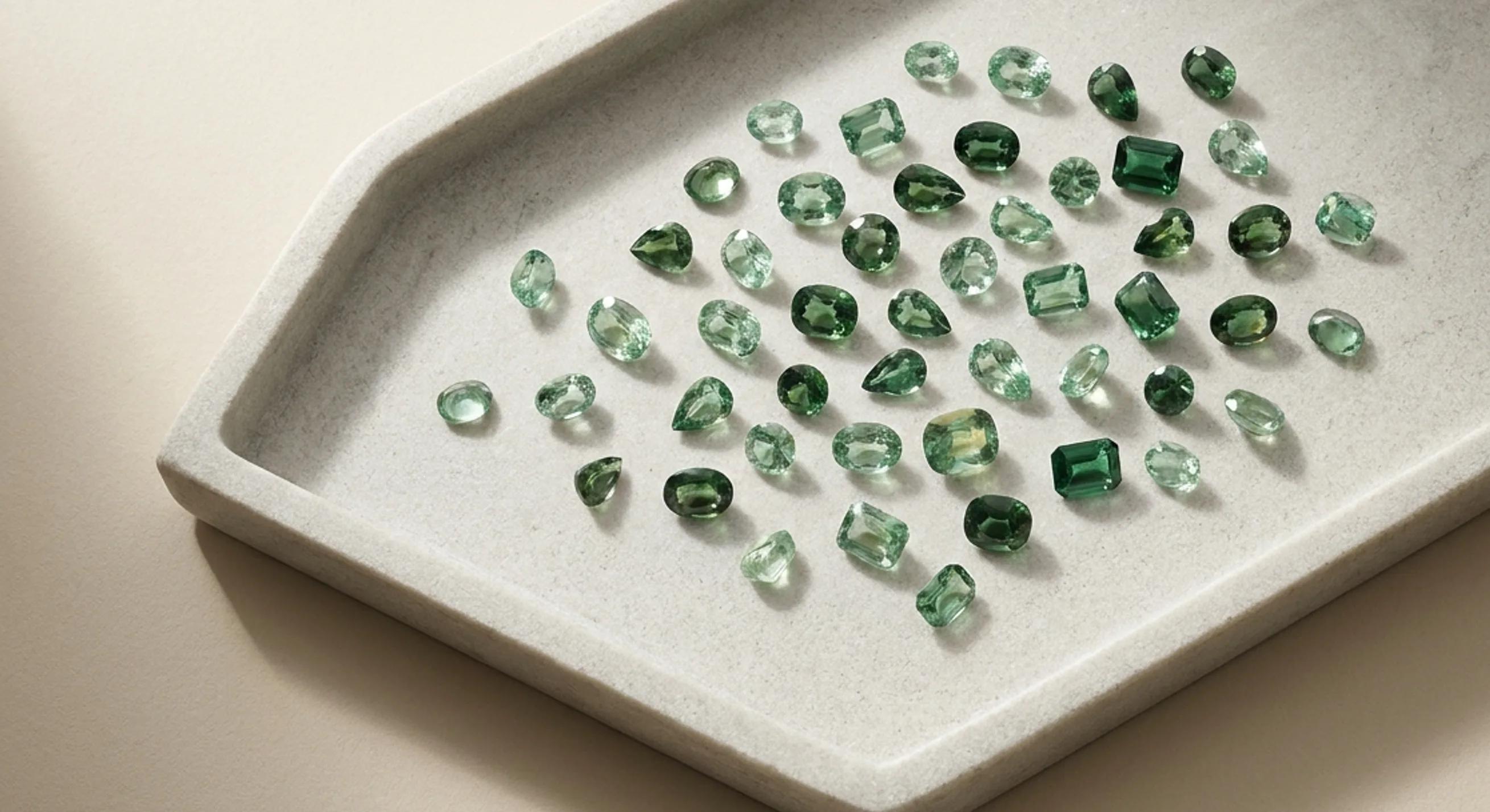
When you evaluate a green sapphire loose stone, work through these in order.
Colour. Decide your target tone before you shop: brighter grass green, deeper forest, or a teal that leans blue. Judge it face-up in daylight-balanced light, and note how much it shifts under warm indoor lighting. Some green sapphires show a colour change or a strong secondary hue, which can be a feature or a flaw depending on what you want.
Clarity. Green sapphires are typically eye-clean to lightly included. Silk and fine rutile are common and, in moderation, do no harm to durability or beauty. What you want to avoid are inclusions that break the surface or sit dead-centre under the table.
Cut. A well-cut stone returns light evenly with no obvious window (a see-through dead zone in the centre). Native Sri Lankan cutting often prioritises weight retention, so check for a bulky pavilion or an off-centre culet. These affect how the stone faces up once set.
Carat and shape. Larger unheated green sapphires get rare quickly, and price per carat climbs as size rises. Because green is not the most common sapphire colour, expect availability to be narrower than for blue. Prices for quality unheated Ceylon material commonly run into the several-thousand-per-carat range at the top end, though smaller commercial stones sit well below that. Treat any single figure as a starting point and judge each stone individually.
Origin. For a loose green Ceylon sapphire, origin should be documented, not assumed. A lab origin report ties the stone to Sri Lanka. Where a report is absent, the seller's sourcing transparency carries the weight, which is why provenance is worth asking about directly.
Where does genuine Ceylon green sapphire come from?
The material Crestonne represents is sourced from the traditional gem districts of Sri Lanka, including Ratnapura, Elahera and Balangoda, and moves through Colombo dealers before it reaches the cutting stage. This is old, established supply. The advantage of buying from a chain that runs back to those markets is that origin is not a marketing word bolted on at the end. It is where the stone actually came from.
Green is a colour where mixed goods circulate freely in the wider market, including heated stones sold as unheated and non-Ceylon material sold as Ceylon. The defence is the same on every point: documentation and a seller who lets you see the loose stone before it is committed to anything.
What should you ask before buying?
Ask whether the stone is heated or unheated, and ask for the report that proves it. Ask for the origin determination. Ask for photographs or video of the loose stone in neutral light, not a single flattering angle. A stone photographed honestly under daylight-balanced light will look like itself in your hand. That consistency between image and stone is something Crestonne builds into how loose material is presented, so there is no gap between what you see online and what arrives.
Ask about the cut proportions and whether the stone windows. Ask what the return terms are once the loose stone is in your hands. And if you already know the piece you want it set into, ask about building the design around the gem rather than the reverse.
Buying loose puts the decision back where it belongs: with you, looking at the actual stone. Browse available loose stones or start a bespoke build around a specific green sapphire through our custom order process.
Common questions
Frequently Asked Questions
Is an unheated green sapphire worth the premium?
For collectors and buyers who value rarity, yes. Heat treatment is the accepted industry norm and a well-heated Ceylon sapphire is a genuine, valuable stone. Unheated material simply commands more because it is scarcer. The premium reflects rarity, not that heated stones are inferior.
How can I confirm a loose green sapphire is from Ceylon?
Ask for a laboratory origin report from GIA, SSEF or Gubelin. Where a formal report is absent, the seller's sourcing transparency matters. Crestonne sources from Sri Lanka's traditional districts, including Ratnapura, Elahera and Balangoda, through Colombo dealers.
What colour range does Ceylon green sapphire come in?
It runs from a lighter yellowish green through deep forest tones, with many stones showing a teal character that sits between green and blue. None is more correct than another. The right tone is the one you want to wear, which is why viewing the stone loose matters.
Why does Crestonne sell loose stones when many sellers only sell finished pieces?
Selling loose lets you inspect the entire stone, colour, clarity, cut and girdle, before it is set. It also means a custom design is built around the specific sapphire rather than dropping a stone into a template. Many online sellers offer only finished pieces, which hides part of the gem.