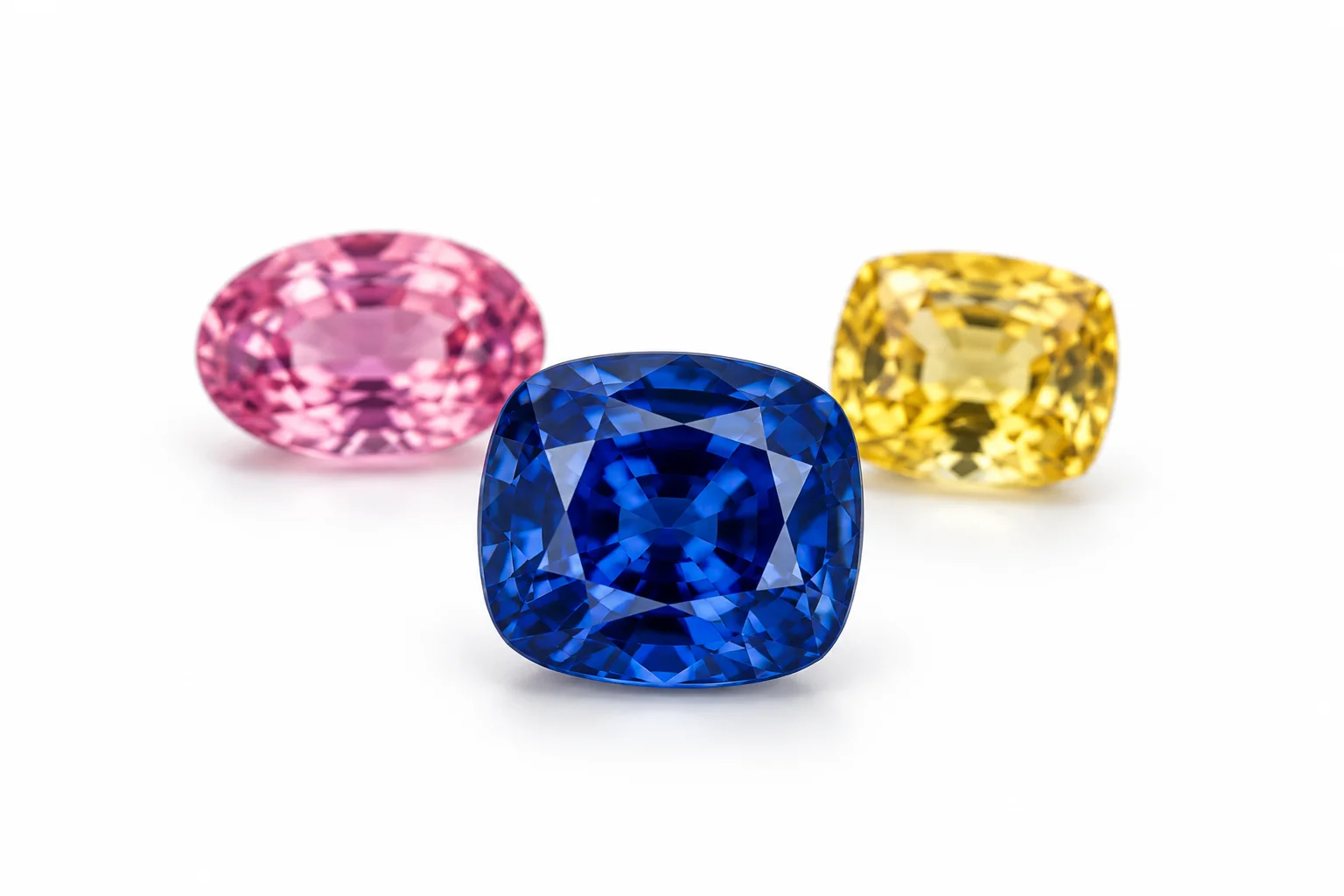
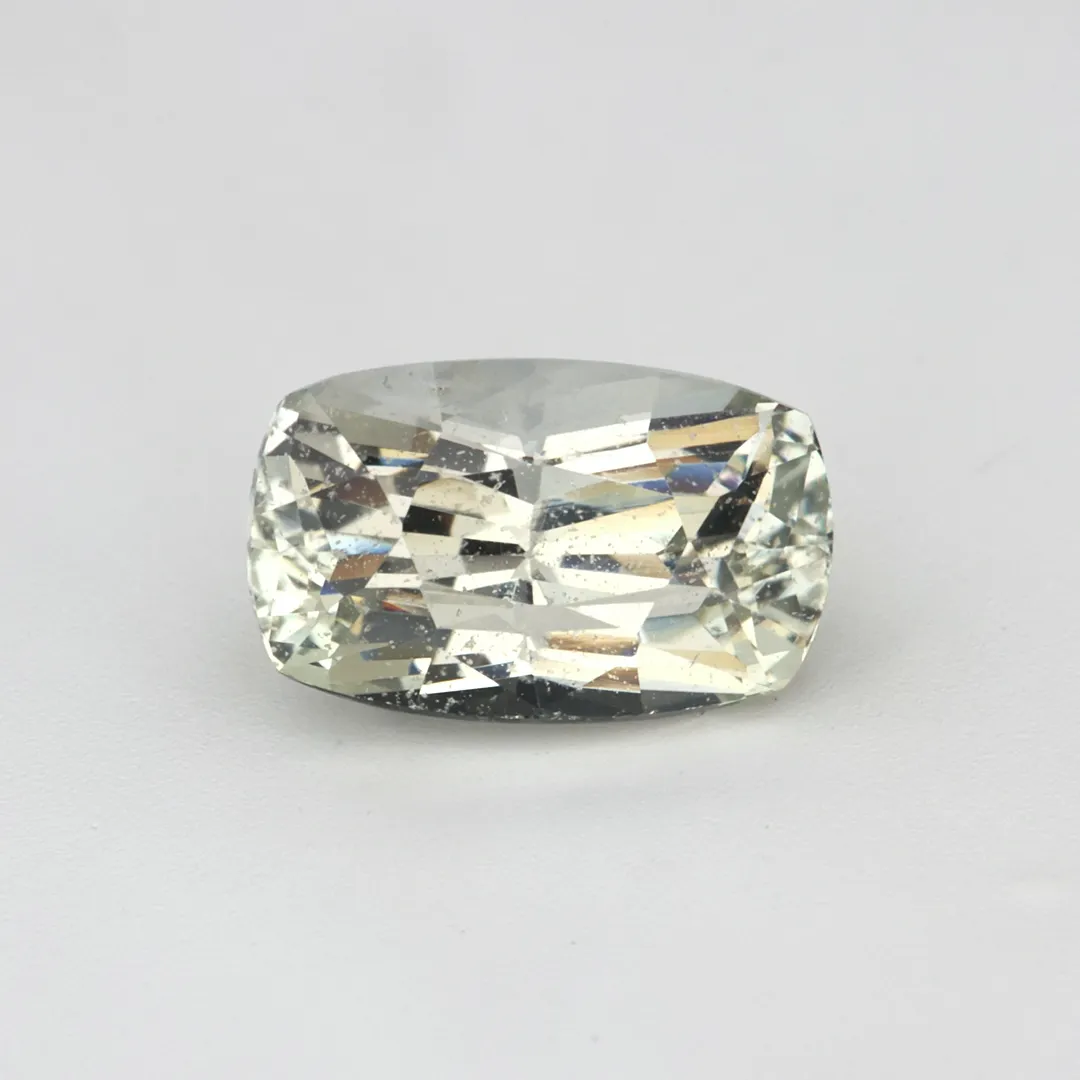
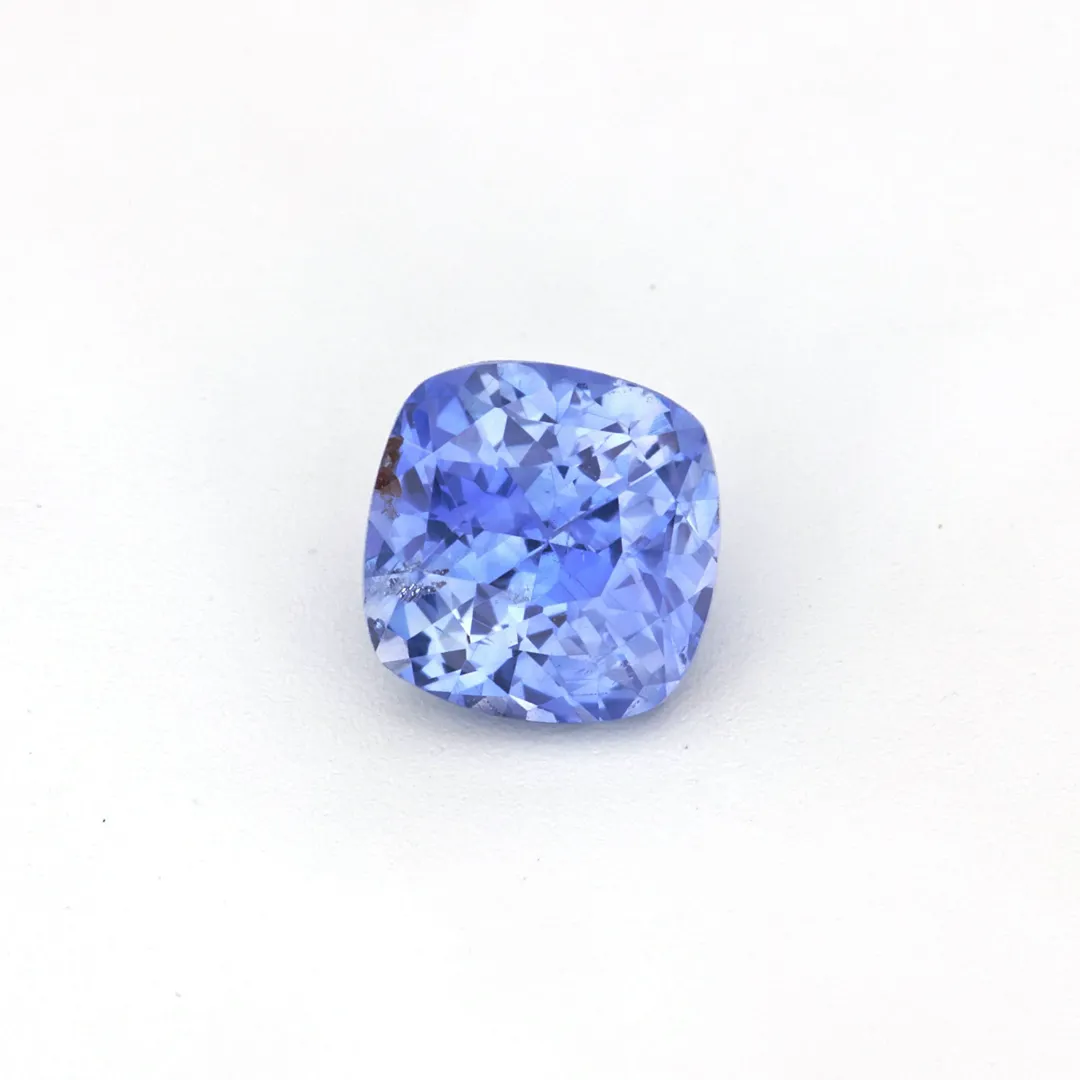
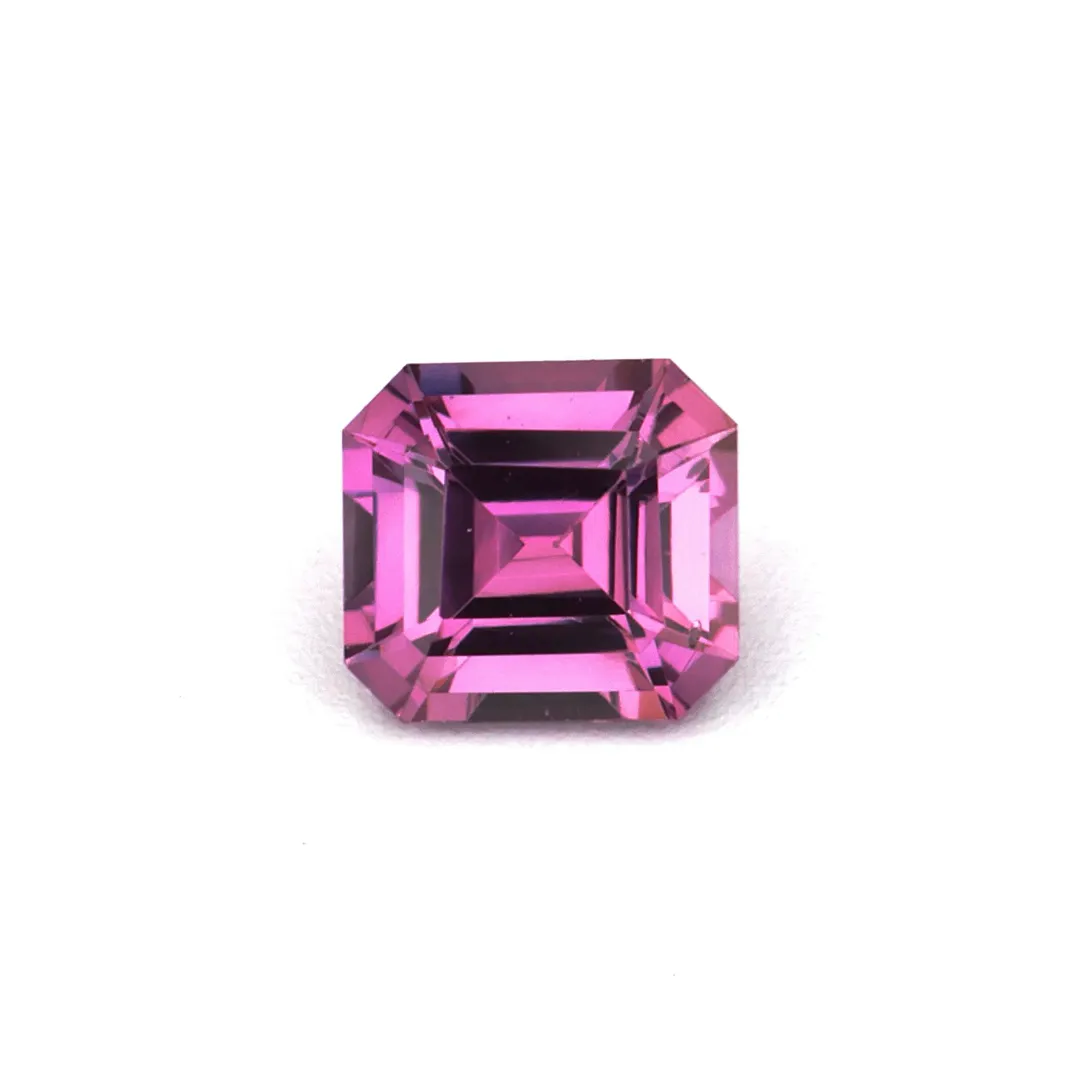
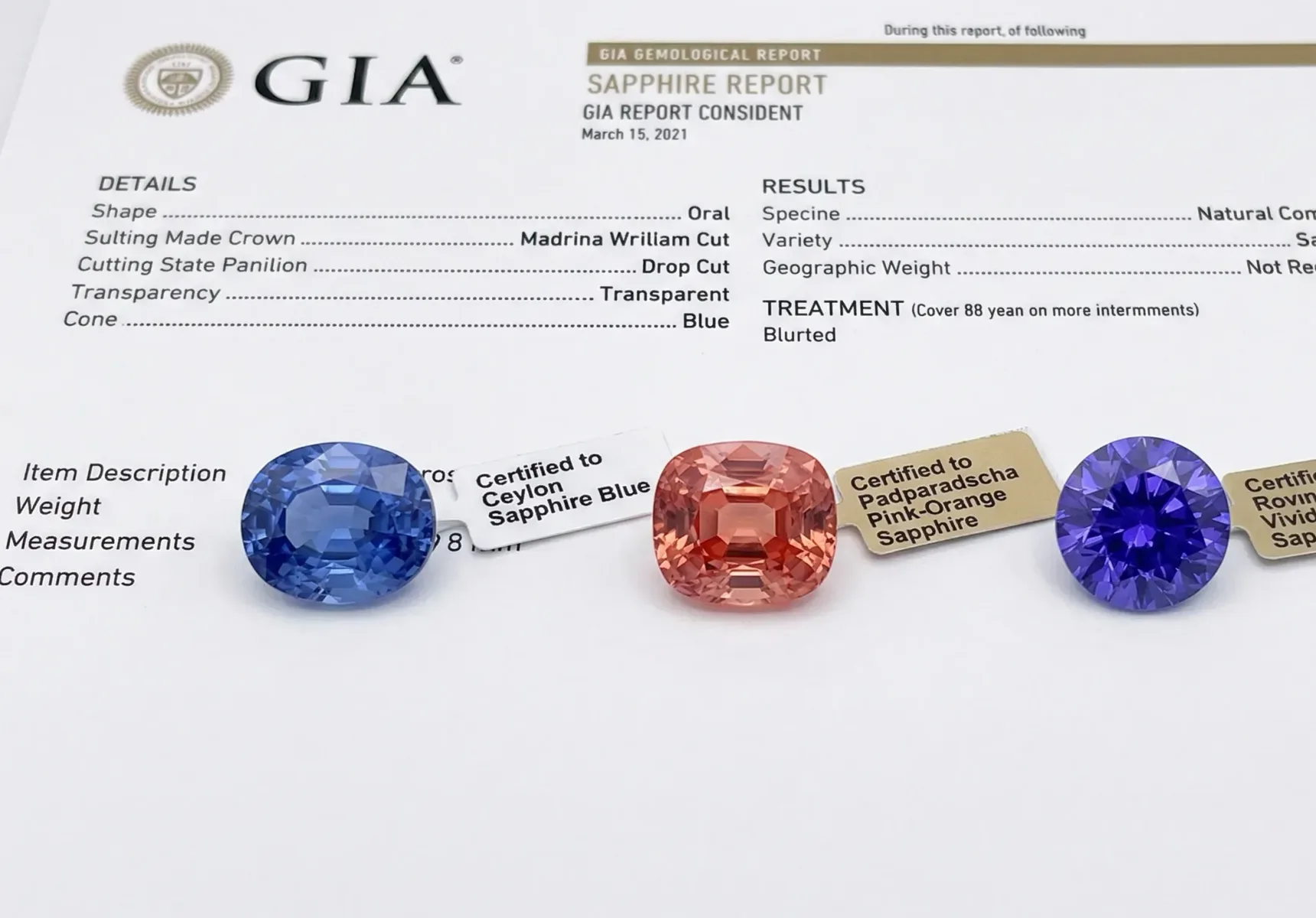
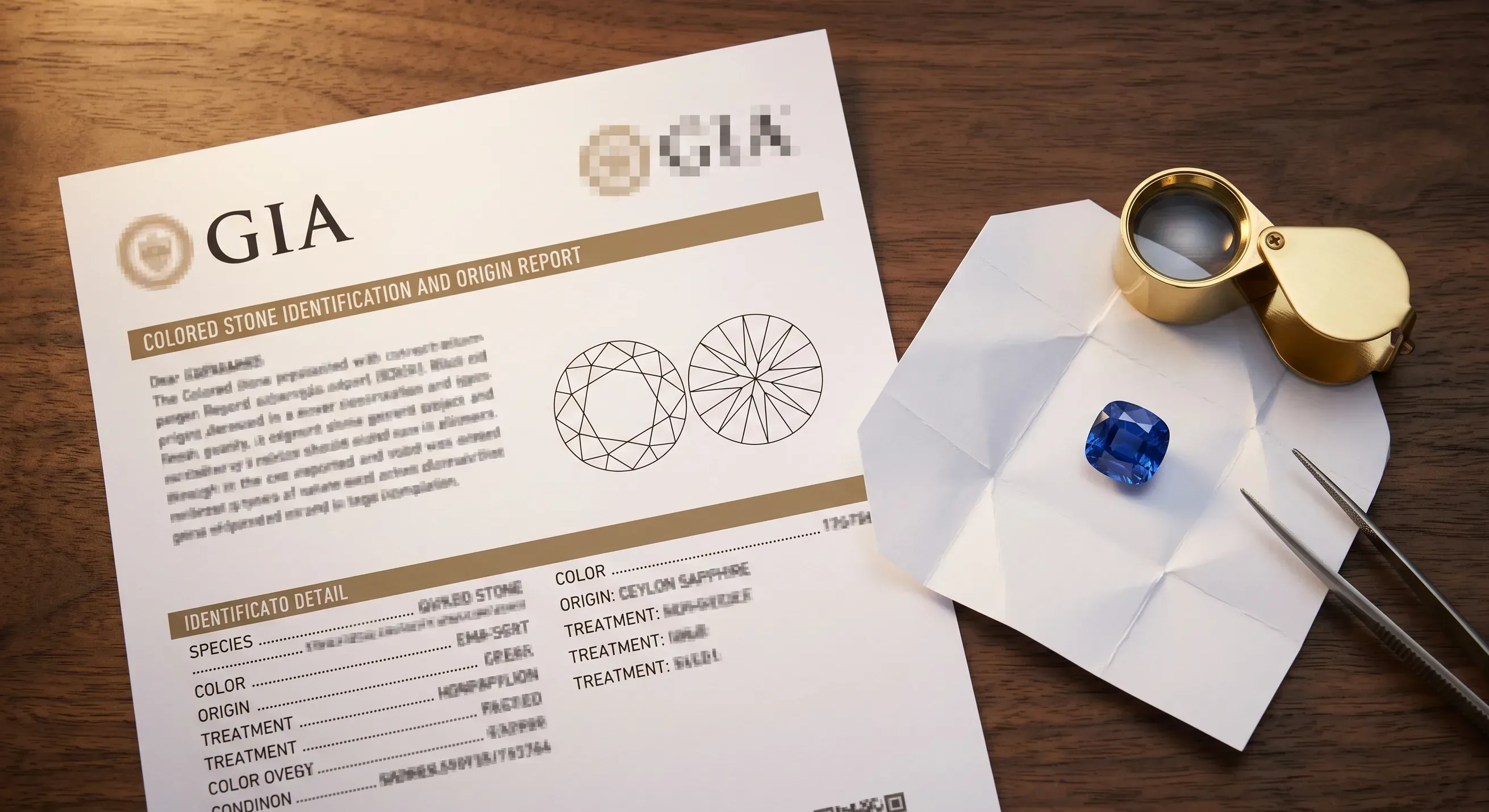
The UAE is home to large Sri Lankan, Indian and Pakistani communities, and those are the buyers who know Ceylon sapphire best. Many grew up with the stone, bought it for weddings and gifts, and have relatives who can tell a Ceylon blue from a Thai one across a room. For them the report matters as much for the treatment as for the origin: an unheated stone, confirmed as unheated by a laboratory, is usually the first thing asked about.
Dubai’s jewellers and designers are the second group. The city’s trade is built around gold and diamonds, and a designer who needs one fine loose sapphire for a client can find the local wholesale stock is either commercial grade or priced for the souk; premium sapphires in the UAE tend to arrive already set, in someone else’s design. Buying the stone at source, with its measurements and 360 footage, lets them quote the client before the stone has arrived.
The third group is the international resident who wants to buy a Ceylon sapphire in Dubai for an engagement ring or a gift, often with a budget set in dirhams. Because the dirham is pegged to the US dollar, our dollar price is a fixed number in dirhams as well: there is no exchange rate to watch.
Abu Dhabi, Sharjah and the northern emirates are served exactly as Dubai is. Every parcel flies to the UAE and then goes by courier to the door, wherever the door is.