


The Sapphire Collection
Ceylon Sapphires
Natural Ceylon sapphires in every colour the island gives: deep blue, pink, yellow, white and the rare Padparadscha. Each one was picked by hand in Sri Lanka, filmed exactly as it is, and priced plainly, so you can buy a Ceylon sapphire the way we bought it: on the stone, not the story.
8 stones
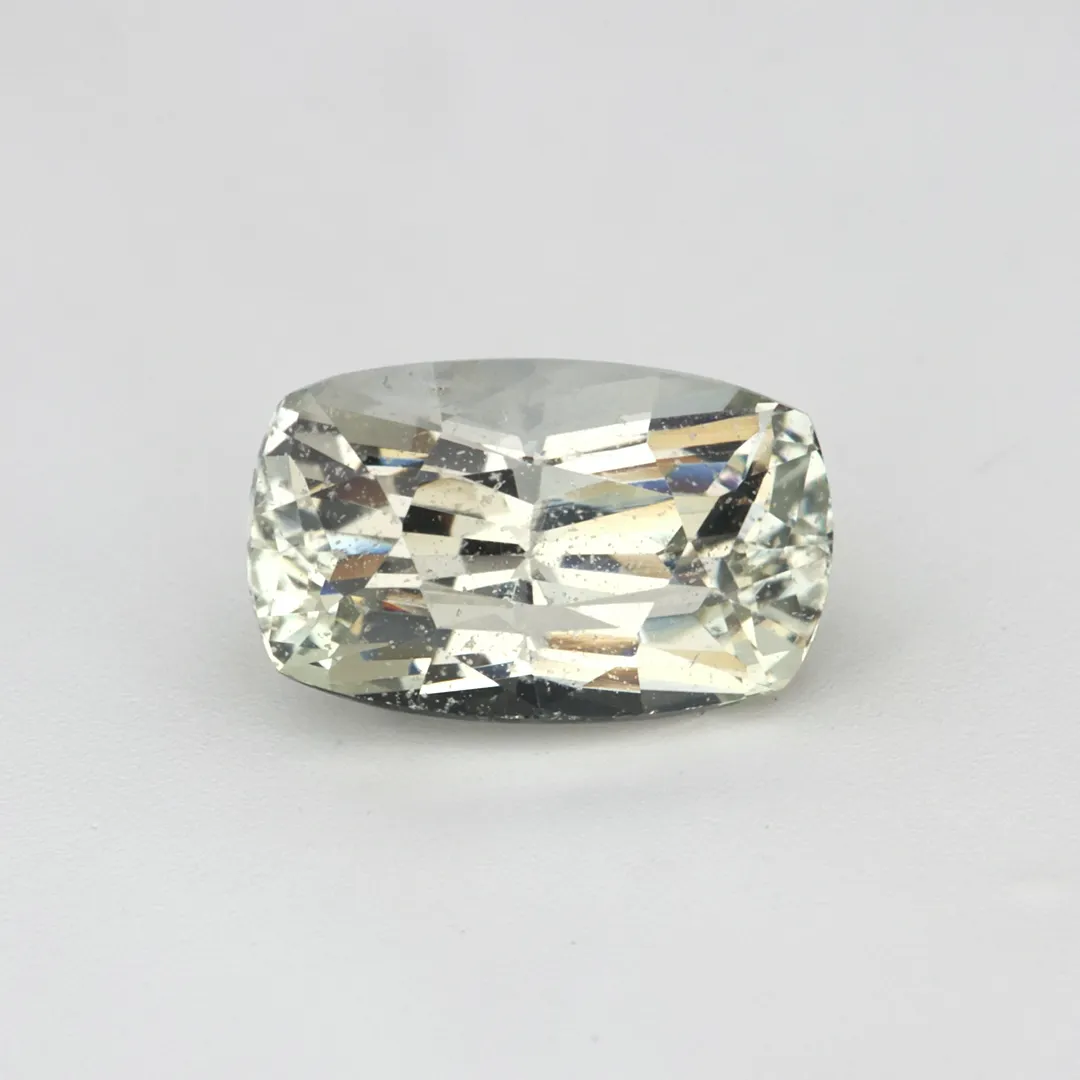 UnheatedColourless Sapphire - 2.06ct Cushion Cut - Natural Ceylon Sapphire2.06 ct · 8.61 × 5.34 × 4.9 mm$1,200
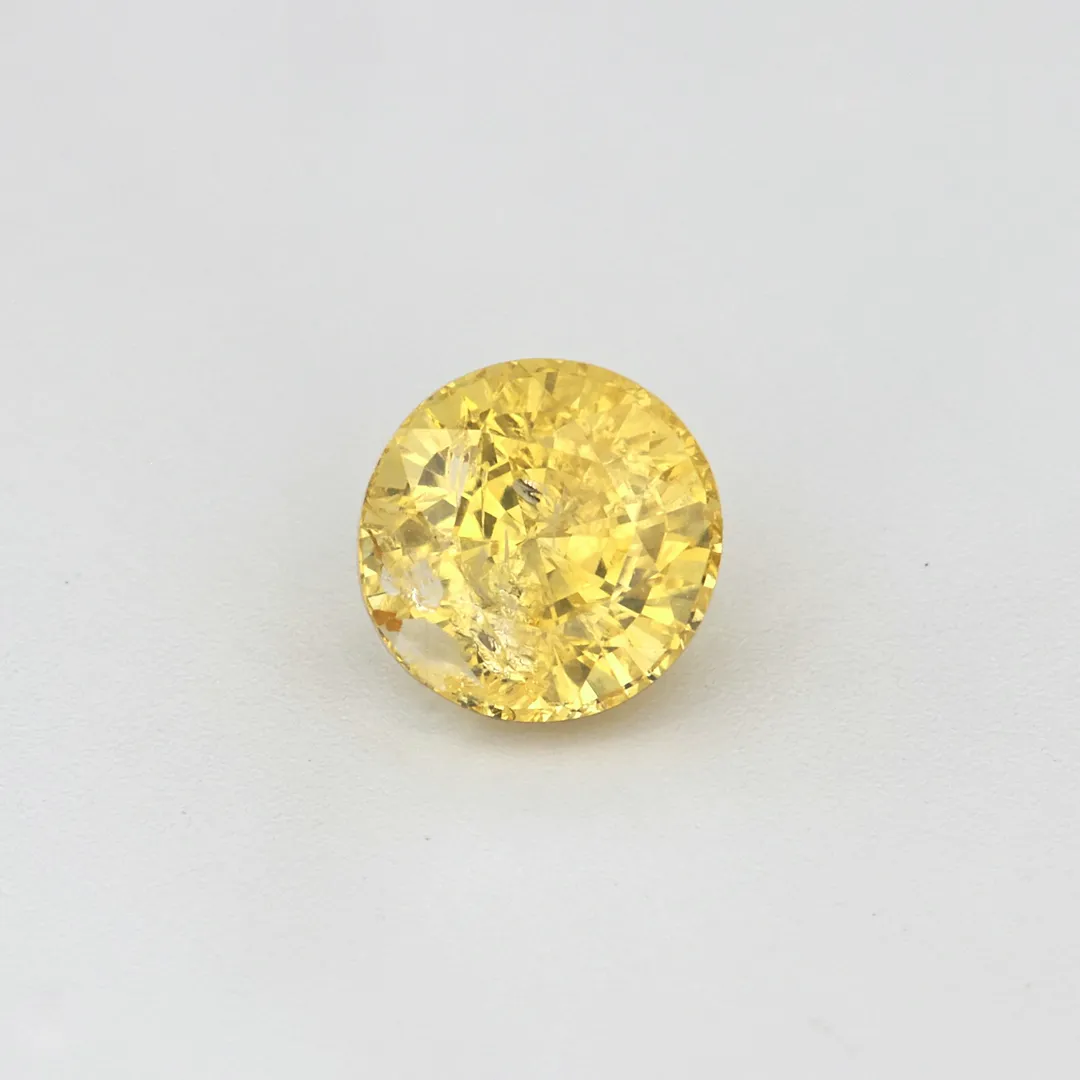 Canary Yellow Sapphire - 0.73ct Round Cut - Heated Natural Ceylon Sapphire0.73 ct · 4.86 × 4.75 × 3.85 mm$150
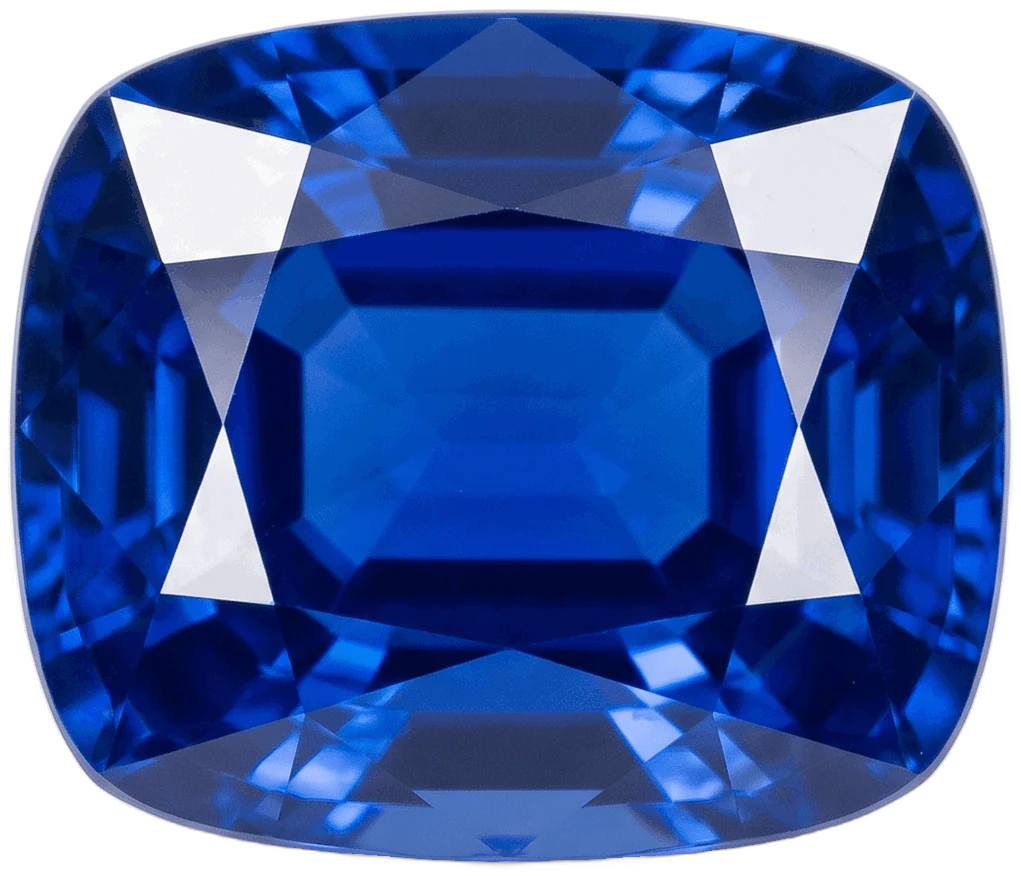
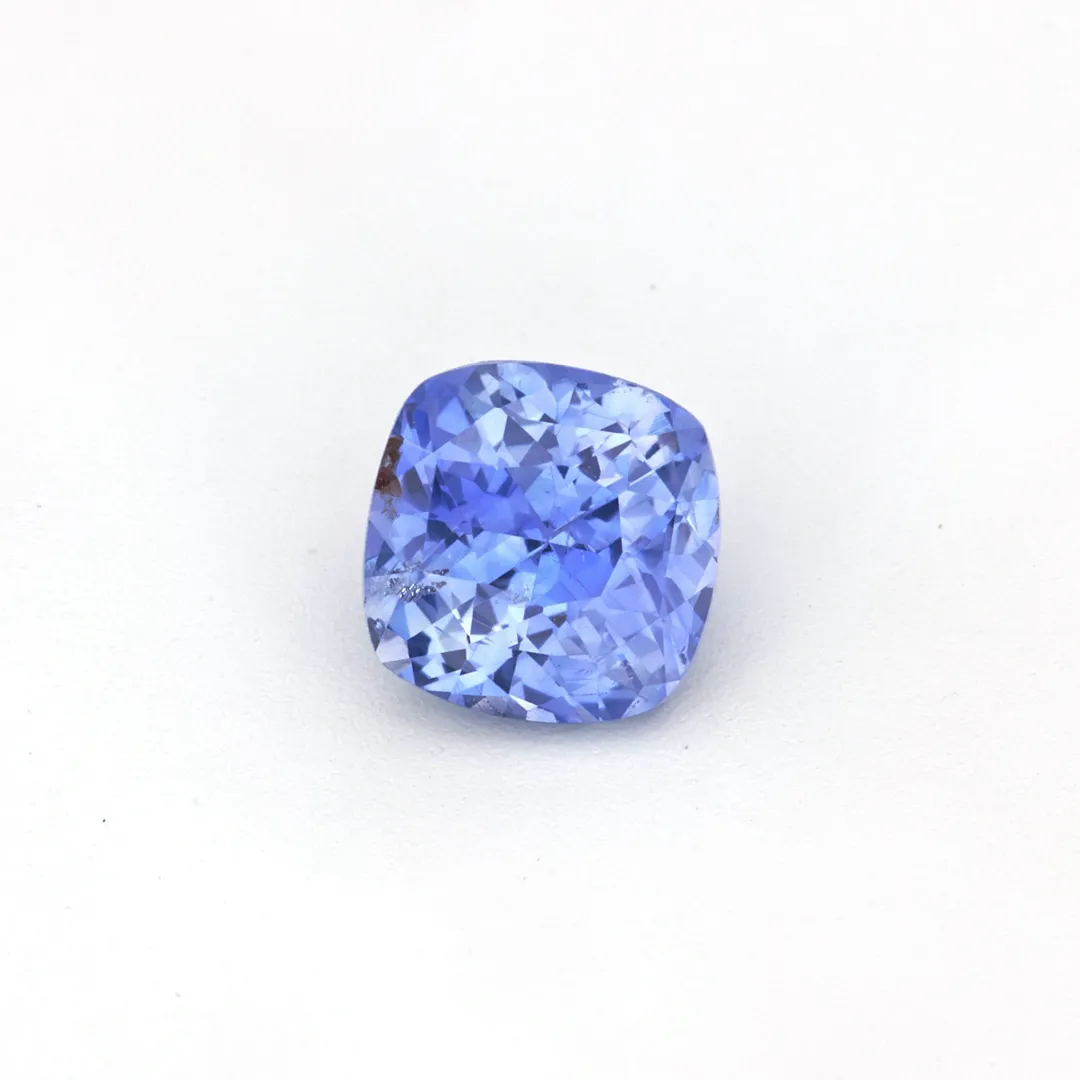 UnheatedVivid Blue Sapphire - 0.73ct Cushion Cut - Natural Ceylon Sapphire0.73 ct · 5.04 × 5 × 3.39 mm$800
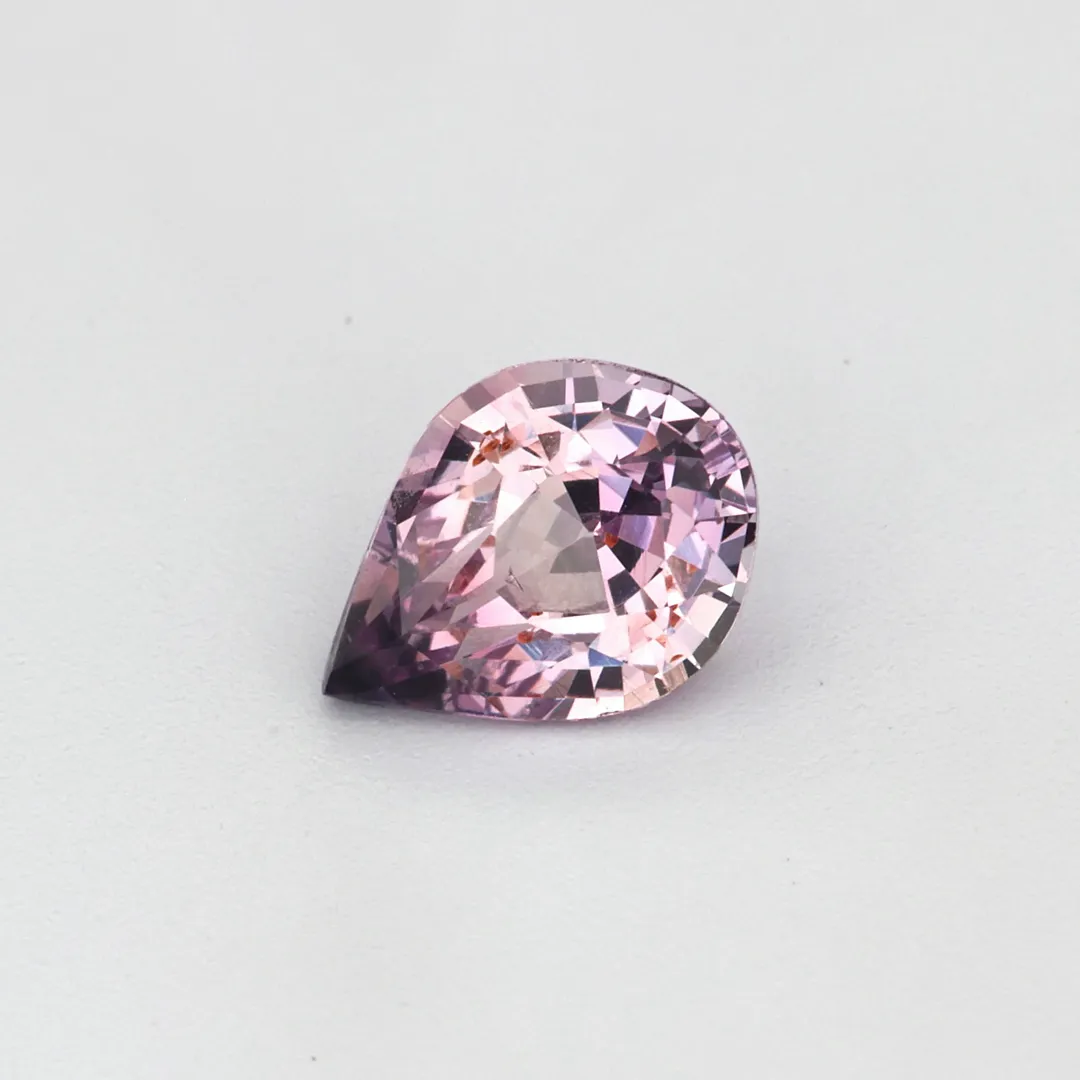 Purplish Pink Sapphire - 0.51ct Pear Cut - Heated Natural Ceylon Sapphire0.51 ct · 5.74 × 4.28 × 2.99 mm$300
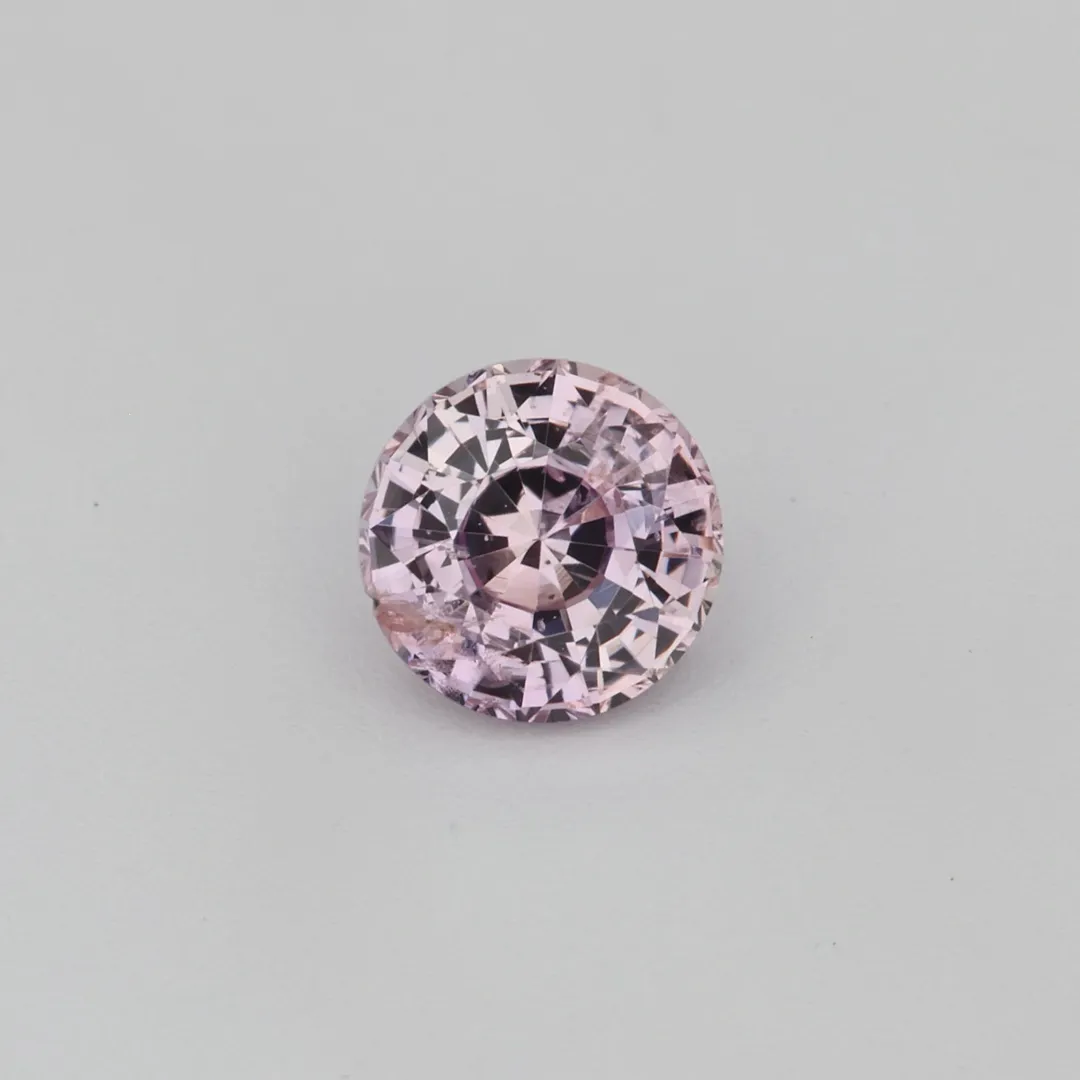 UnheatedVivid Pink Sapphire - 0.43ct Round Cut - Natural Ceylon Sapphire0.43 ct · 4.34 × 4.32 × 2.92 mm$350
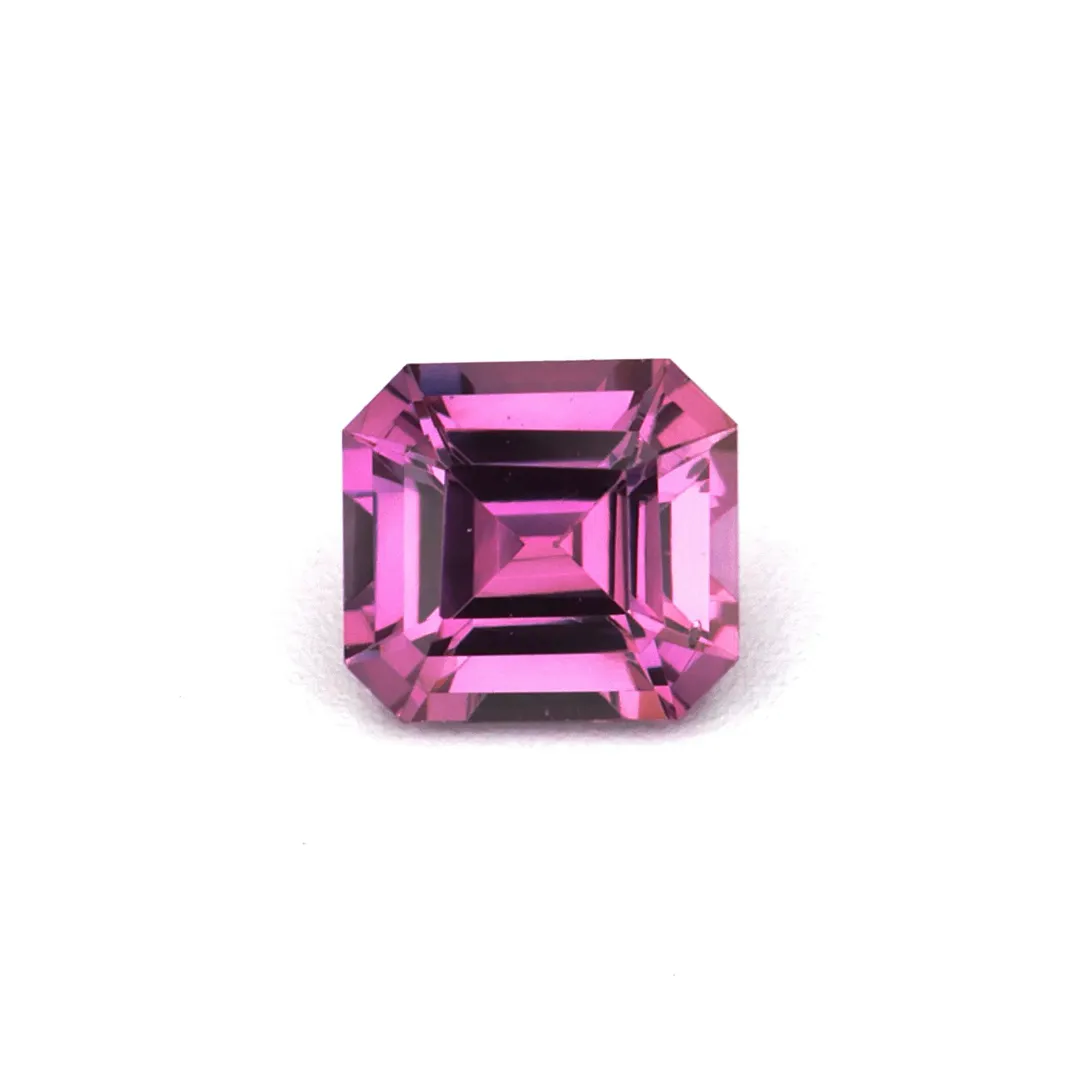 Purplish Pink Sapphire - 0.22ct Emerald Cut - Heated Natural Ceylon Sapphire0.22 ct · 3.5 × 3.2 × 2.1 mm$400$250Save 38%
 Vivid Blue Sapphire - 1.02ct Cushion Cut - Heated Natural Ceylon Sapphire1.02 ct · 6.2 × 5.6 × 3.9 mm$1,050
 UnheatedVioletish Blue Sapphire - 1.04ct Cushion Cut - Natural Ceylon Sapphire1.04 ct · 6.23 × 5.45 × 3.2 mm$2,800$1,200Save 57%
The Difference
What Makes Ceylon Sapphires Special
Born in Sri Lanka
Sri Lankan sapphires have come out of the island's gravels for more than two thousand years, most famously around Ratnapura. We live and buy in those same towns, at the pits and the morning markets, which is still the only reliable way to know what a stone really is.
Every Colour, One Island
Few places on earth give you this range. Alongside the classic Ceylon blue sapphire, the same gem fields turn up pink, yellow, white and teal, and the pinkish orange Ceylon Padparadscha sapphire, a colour collectors wait years to find.
Natural, and Proud of It
A natural sapphire from Sri Lanka is not a factory product. Colour zoning, silk and small inclusions are part of how gemologists read a genuine stone. We photograph all of it instead of hiding it.
Unheated and Heated, Honestly
Heat has been the trade's standard finish for centuries, and heated Ceylon sapphires are beautiful, legitimate stones. An unheated Ceylon sapphire is simply scarcer, and priced like it. Either way, the treatment is stated on the listing and confirmed on the certificate.
Rarity You Can Check
Rarity is not a slogan here. It moves with colour, size, clarity and treatment, and an independent lab report lets you check every claim against the stone in front of you.
One Stone at a Time
No two natural Ceylon sapphires match. Each stone in this collection is filmed in 360, measured to the tenth of a millimetre, and documented on its own page, so what arrives is exactly what you saw.
Didn't Find Your Stone?
Tell us the colour, carat and budget you have in mind. We will search our sourcing network in Sri Lanka and bring you certified options, with no obligation to buy.
Request a Custom StoneQuestions
Buying FAQ
What to know before buying a loose stone from the collection.
More questions? Read the full FAQ →Is Sri Lankan sapphire the same as Ceylon sapphire?
Yes, they mean the same stone. Ceylon was Sri Lanka's name until 1972, and the gem trade kept using it. So a sapphire called Ceylon on a report is simply a sapphire from Sri Lanka. Dealers, auction houses and labs use the two names interchangeably.
The complete guide to Ceylon sapphires →Are Ceylon sapphires natural?
Yes. "Ceylon sapphire" describes sapphire originating from Sri Lanka; the term itself does not automatically mean that every stone is untreated. Ceylon sapphires can be natural and may or may not have undergone treatments such as heat treatment. Treatment status should be verified through appropriate gemological testing and disclosure.
Lab-grown vs natural, honestly →What colour is a Ceylon sapphire?
The famous ones are blue. Cornflower blue above all, then the deeper royal blue. But the island produces almost every colour a sapphire can be: yellow, pink, teal, parti, white, star sapphires, and the rare orange-pink padparadscha.
Padparadscha, the rarest of them →Is an unheated Ceylon sapphire better?
Not better. Rarer. Heat brings out the colour in stones that need it, and an unheated stone simply never needed it. When the report confirms no heating, buyers pay roughly two to five times more for that rarity. Beauty is still judged stone by stone.
What the premium actually buys →Are Ceylon sapphires heat treated?
Most sapphires on the market are heated, whatever their origin. It is a stable practice that goes back centuries, and the trade accepts it as long as it is disclosed. Sri Lanka also produces a good share of stones fine enough to sell unheated, which adds to the island's standing.
Unheated vs heat-treated, in full →Where can I buy a Ceylon sapphire?
From a specialist who shows certification and states treatment plainly. That could be Colombo or Ratnapura if you can travel, an auction house, or an origin-direct dealer like Crestonne. Every stone in our collection is certified, bought at the source, with its report number published.
View the collection →