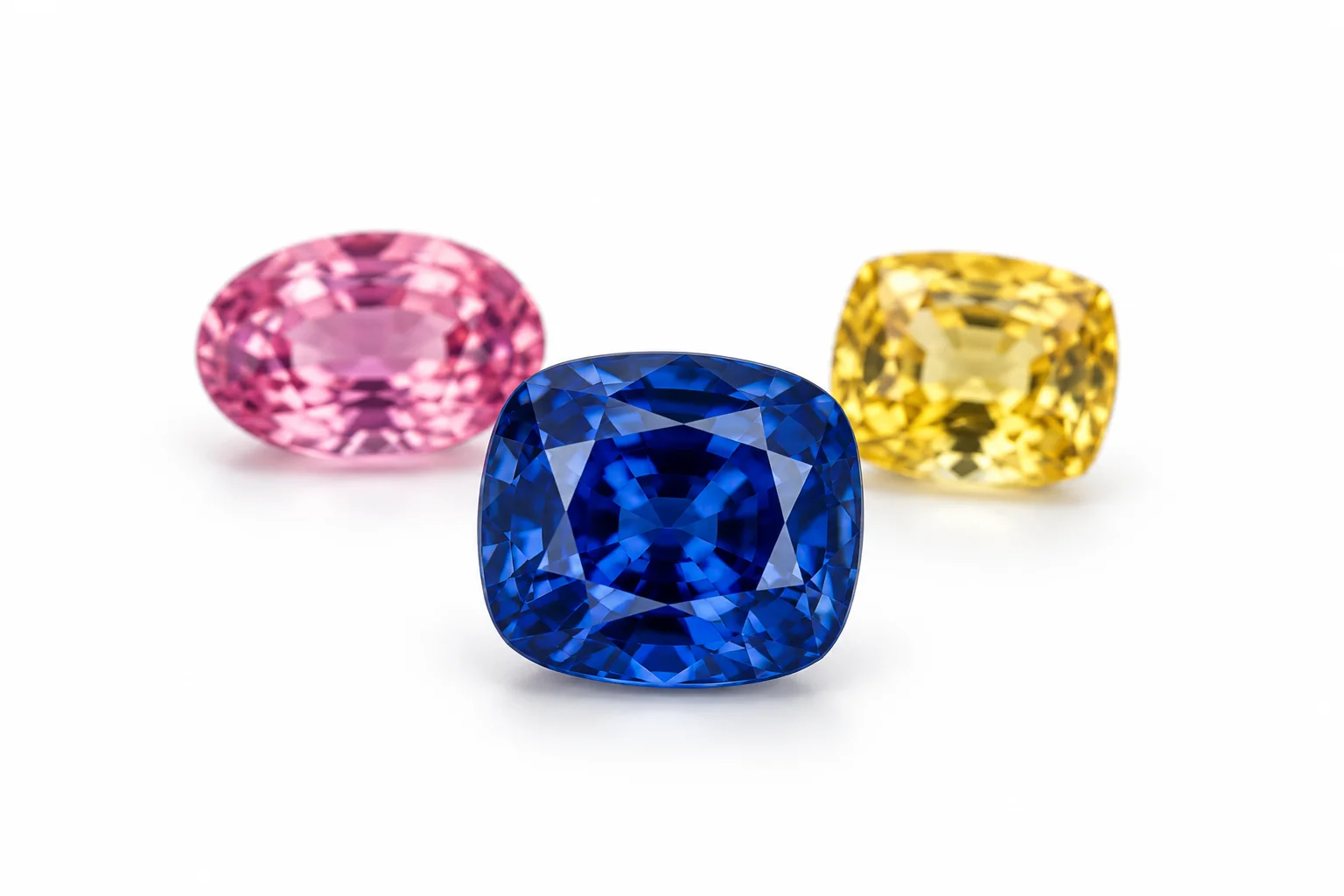
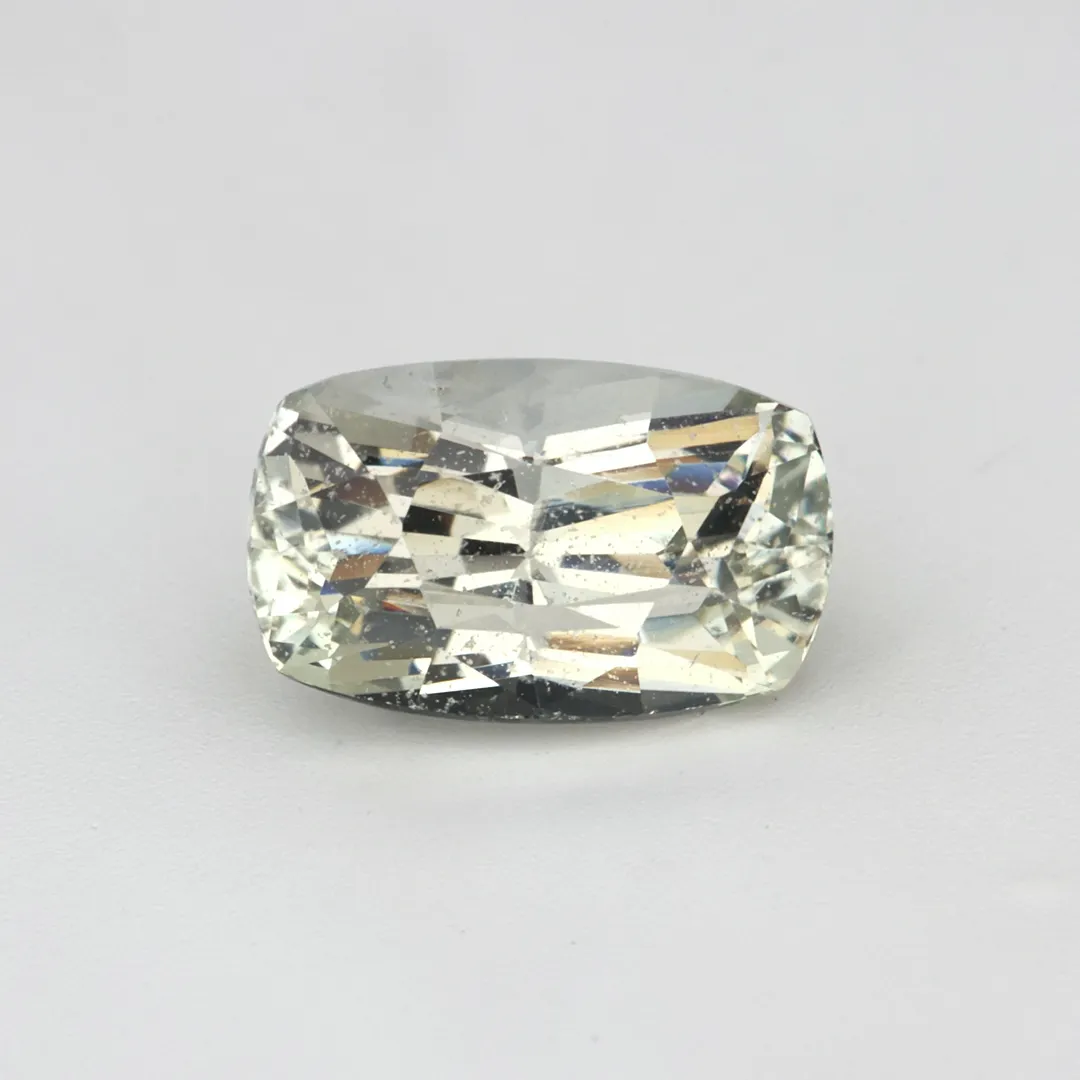
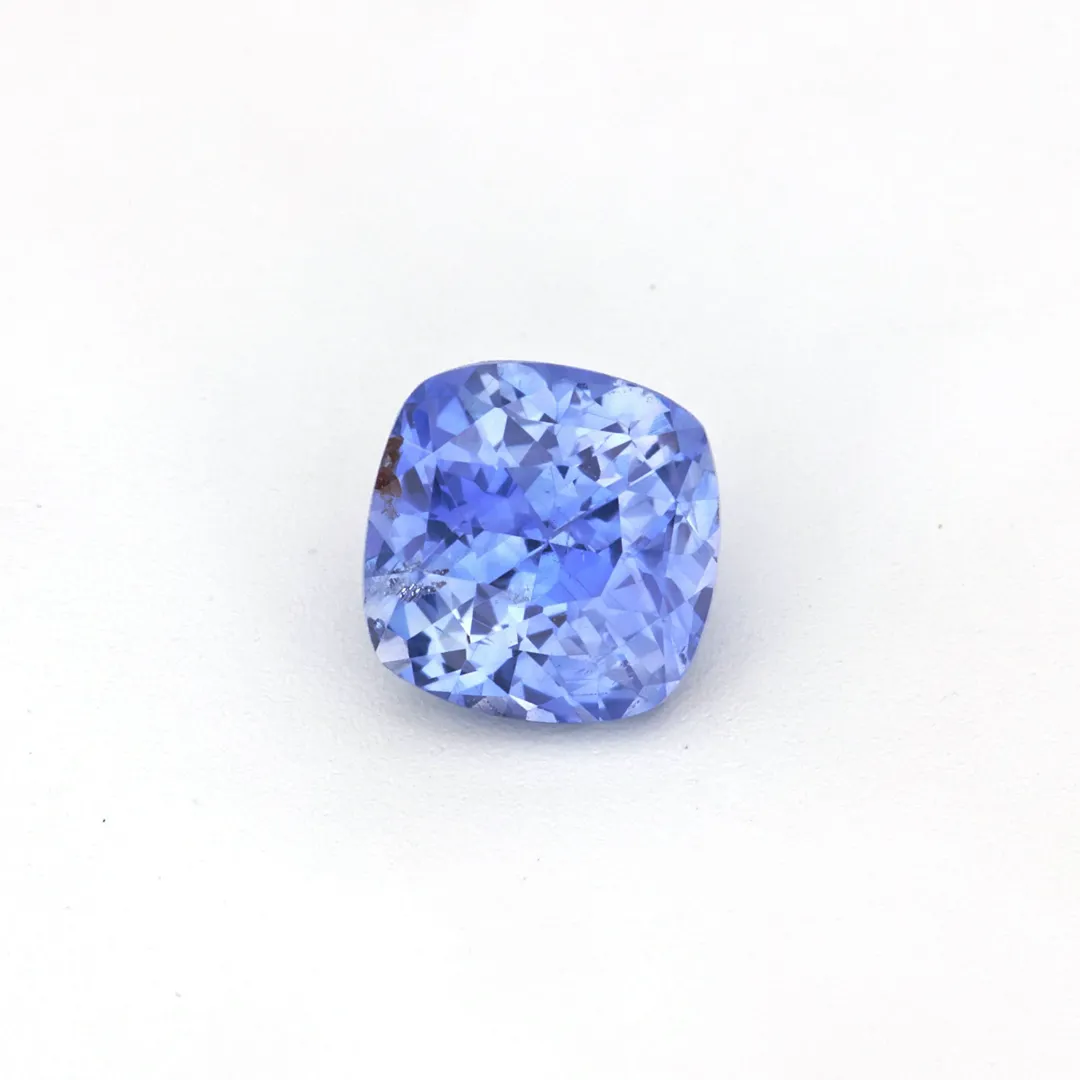
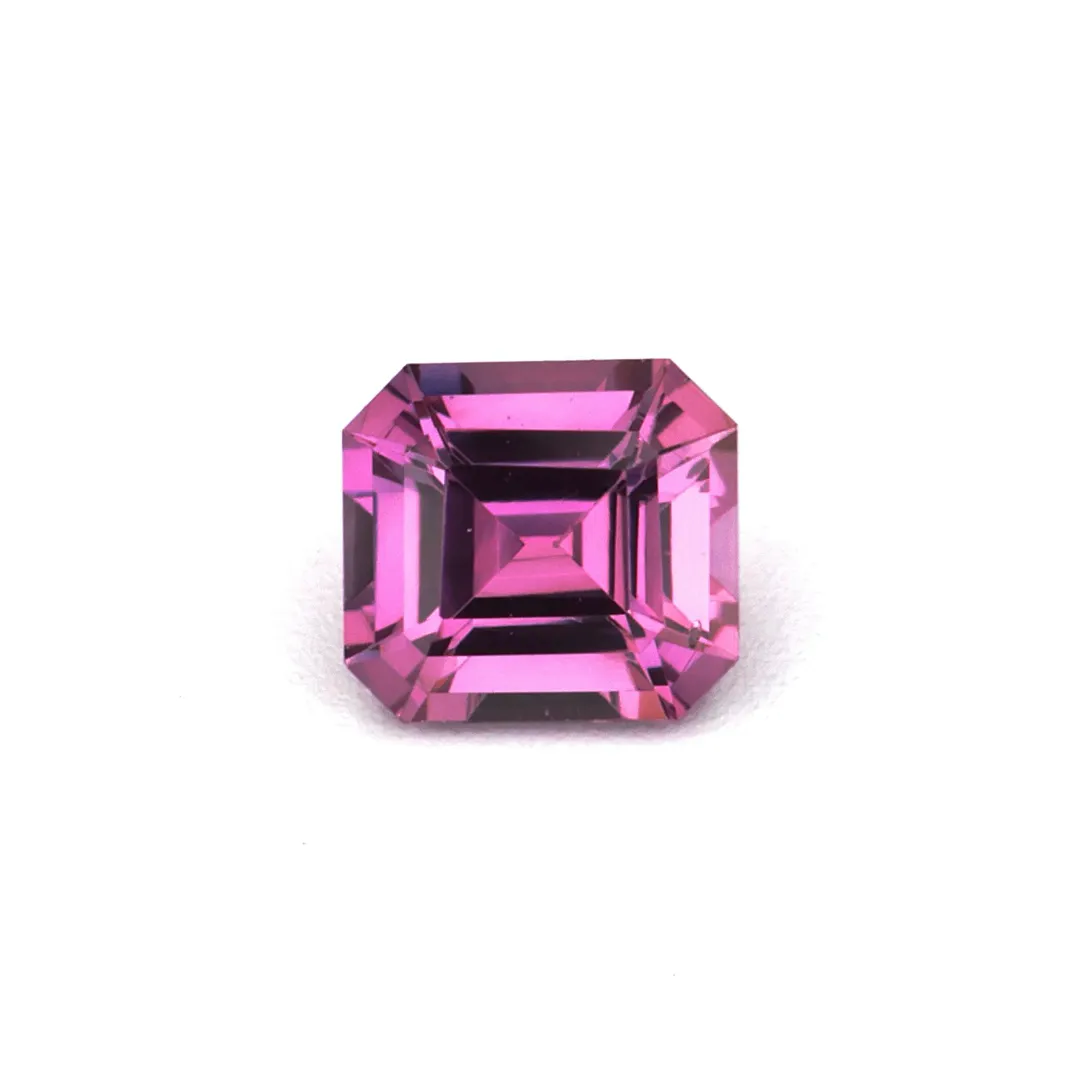
Sydney and Melbourne are the two largest markets, and they come to Ceylon sapphire from different directions. Sydney’s bespoke jewellers set a great many sapphire engagement rings, and a one to two carat Ceylon blue is the classic centre stone for one. Melbourne has the largest Sri Lankan community in Australia, concentrated around Dandenong in the south-east, and a buyer from that community often arrives with family knowledge of the trade and a very exact idea of the stone they want.
Queensland is a special case. Buyers who grew up near the Anakie fields know Australian sapphire well: typically a darker, inkier blue, or the green, yellow and parti stones the fields are famous for, mined in commercial quantities and priced accordingly. A Ceylon blue is a lighter, brighter, more saturated stone, and the difference in price between the two is mostly that colour. Brisbane, Perth, Adelaide and Hobart get the same service as Sydney and Melbourne, since we deliver premium sapphires Australia-wide by air, on the same terms at every address.
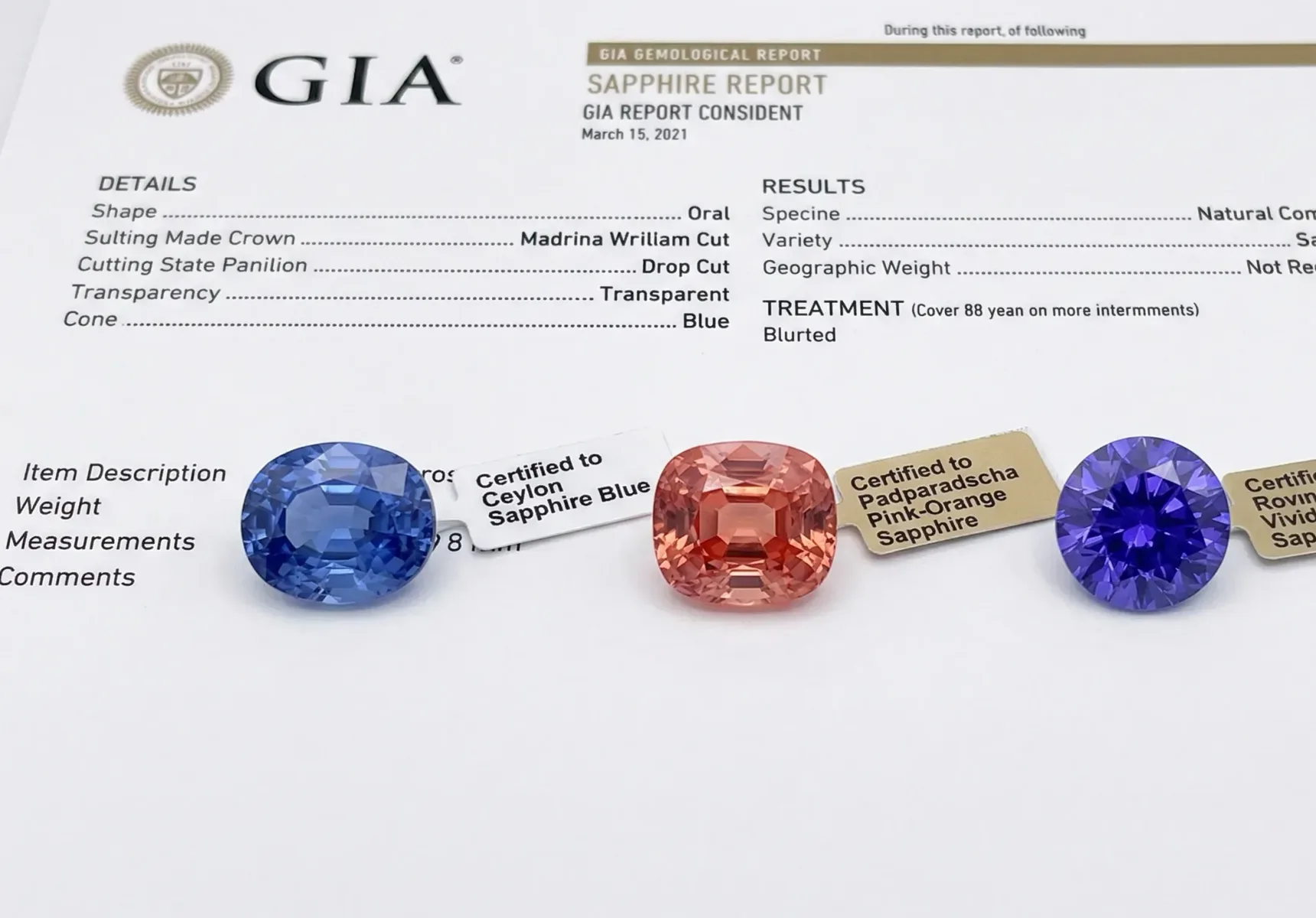
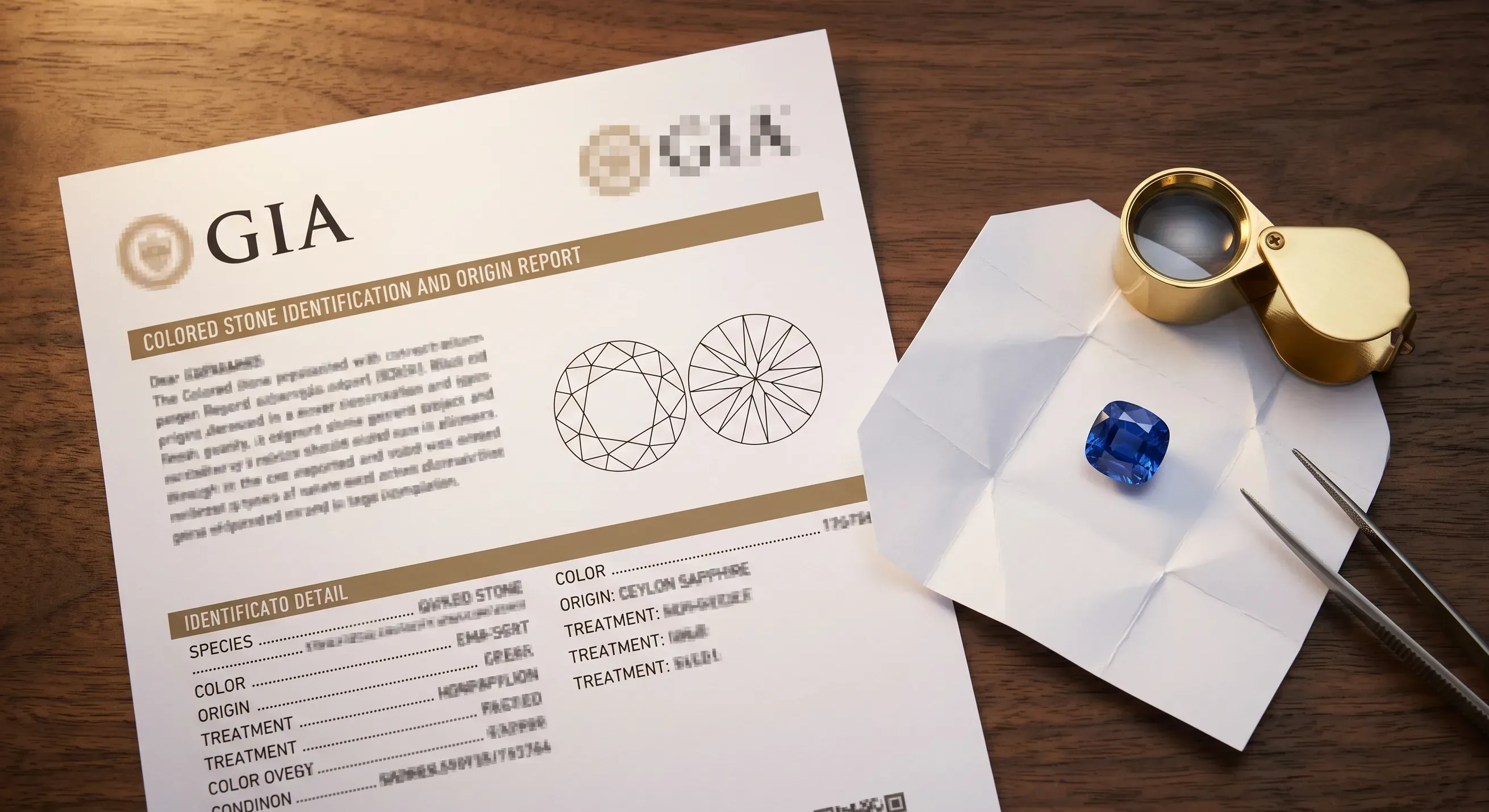
Australian Consumer Law requires that a stone be described accurately, and that applies to origin and treatment as much as to weight. It suits the way we sell. The origin on the report is the laboratory’s finding, the treatment is stated on the listing and confirmed on the report, and the report number is published so you can check it with the laboratory yourself.
Jewellers and designers buying a loose stone for a commission get what an individual gets: measurements to a tenth of a millimetre, 360 footage, the report and a dealer’s price. There is no separate trade price, because the price is already a dealer’s.