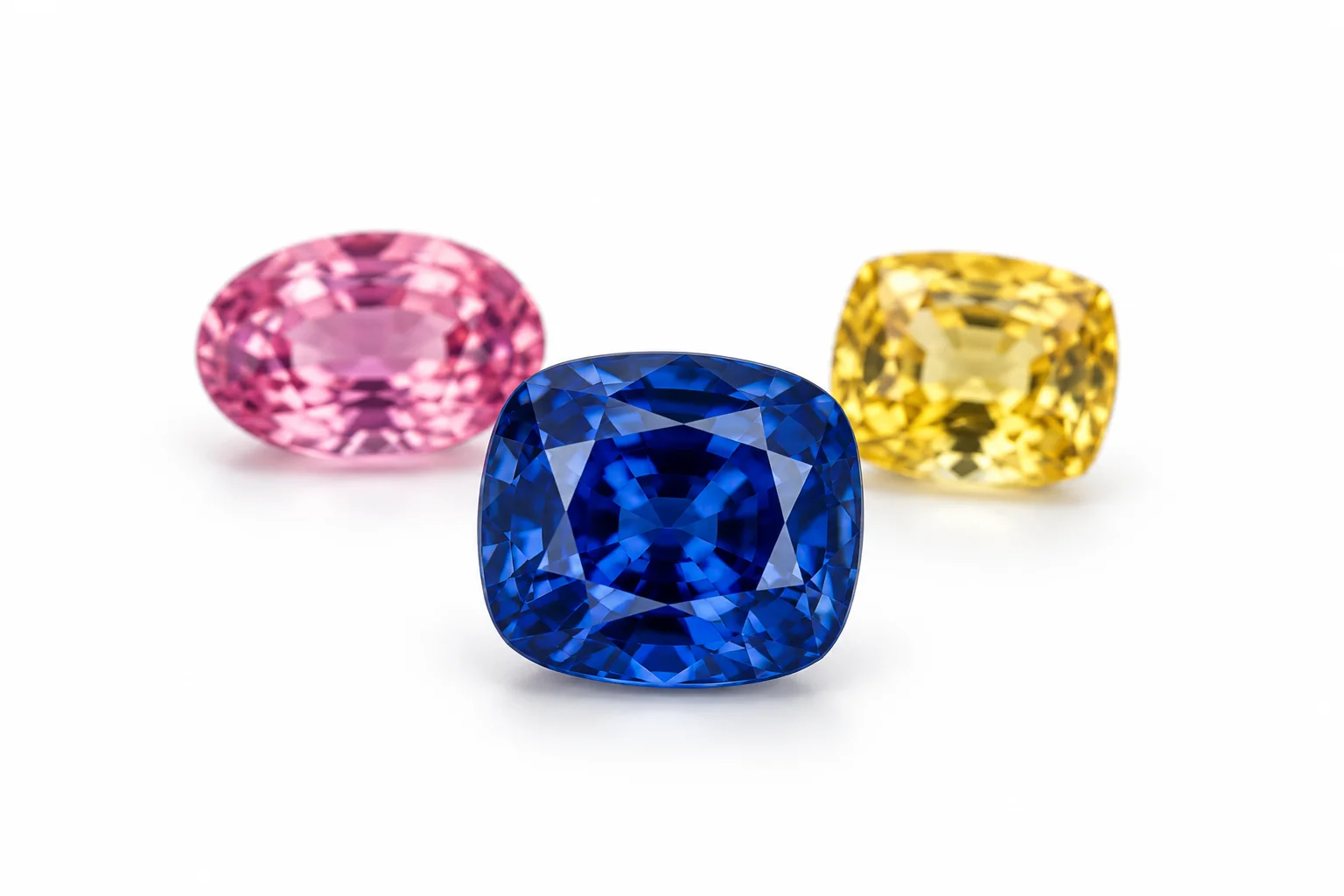
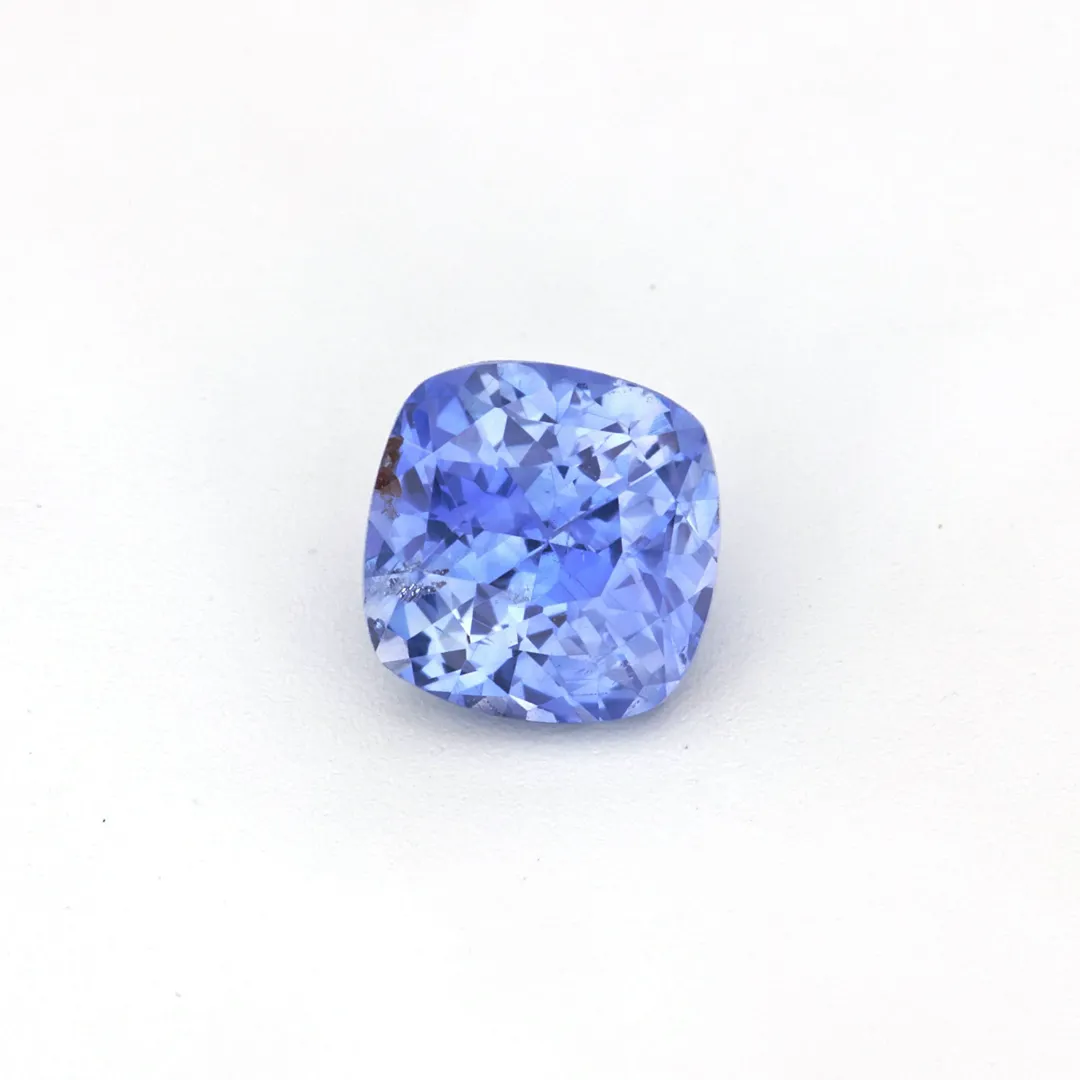
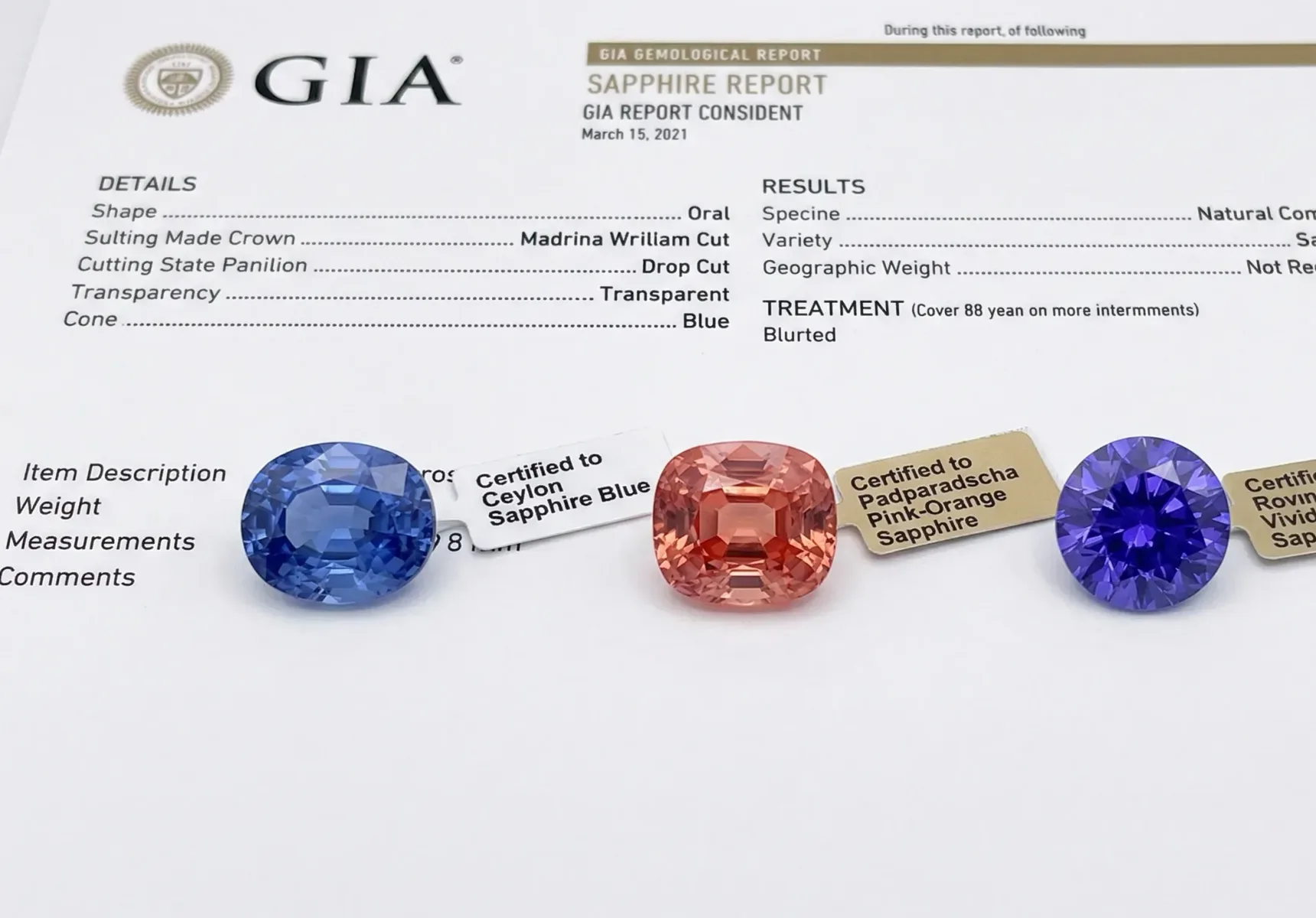
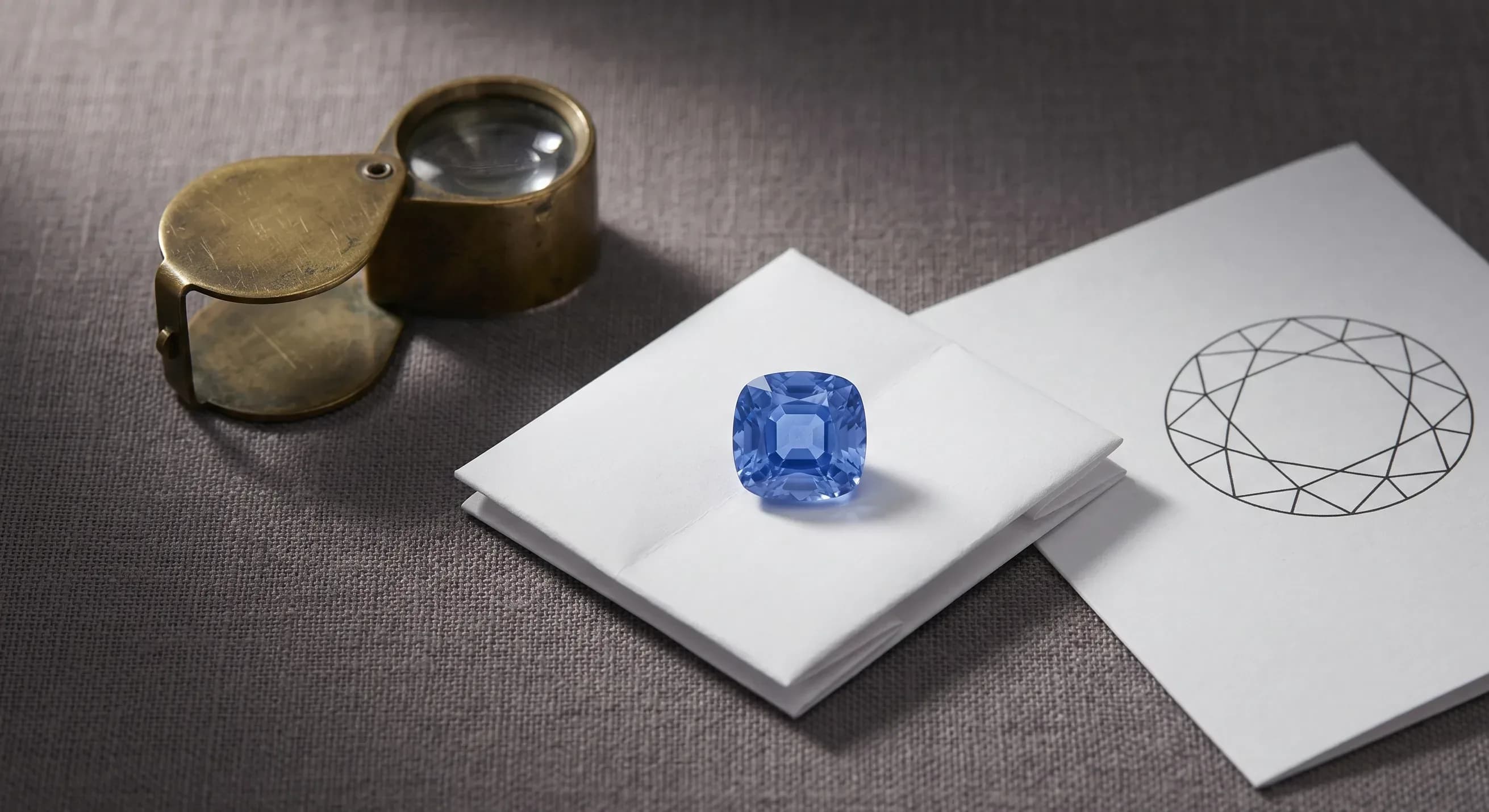
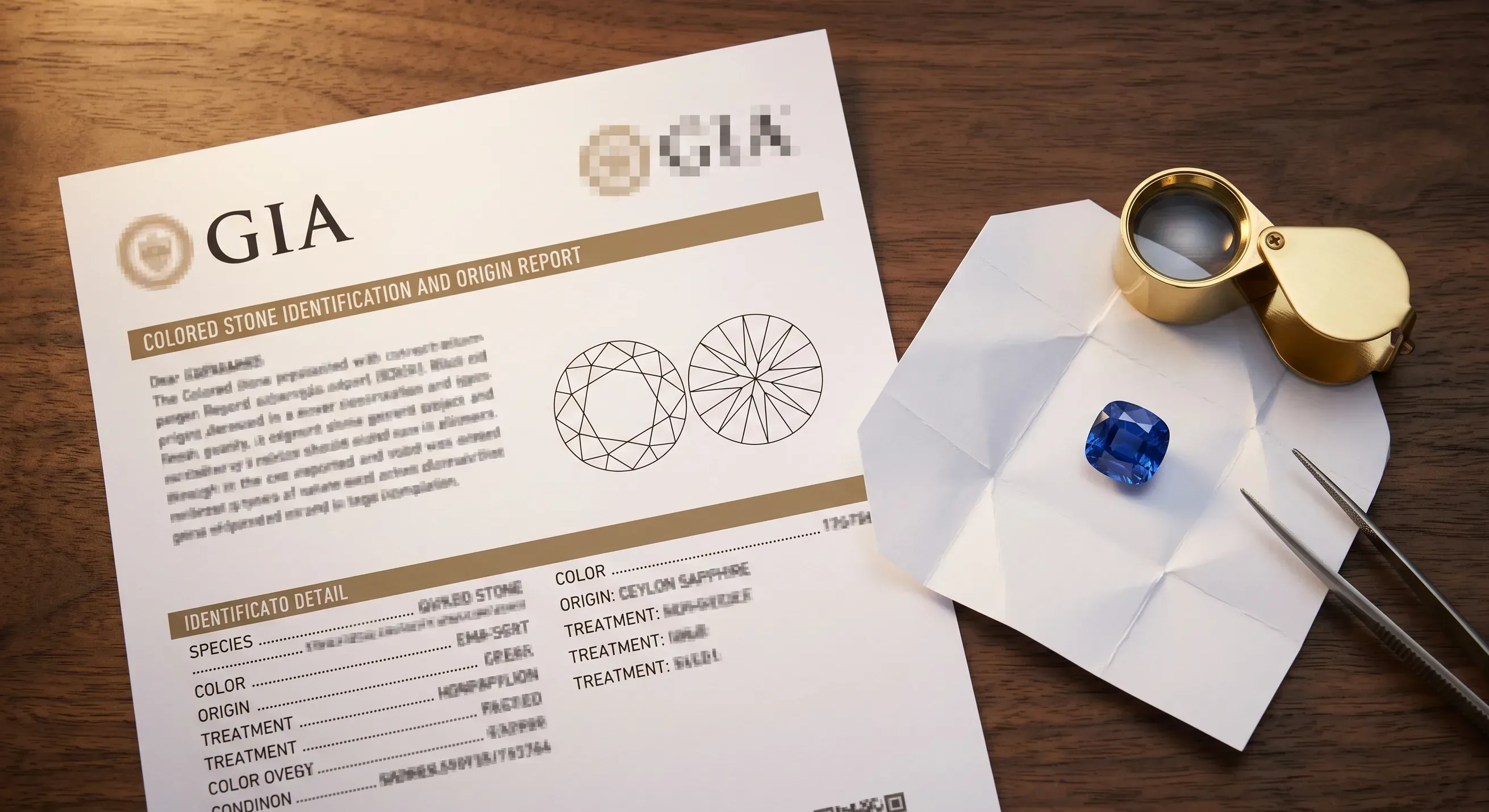
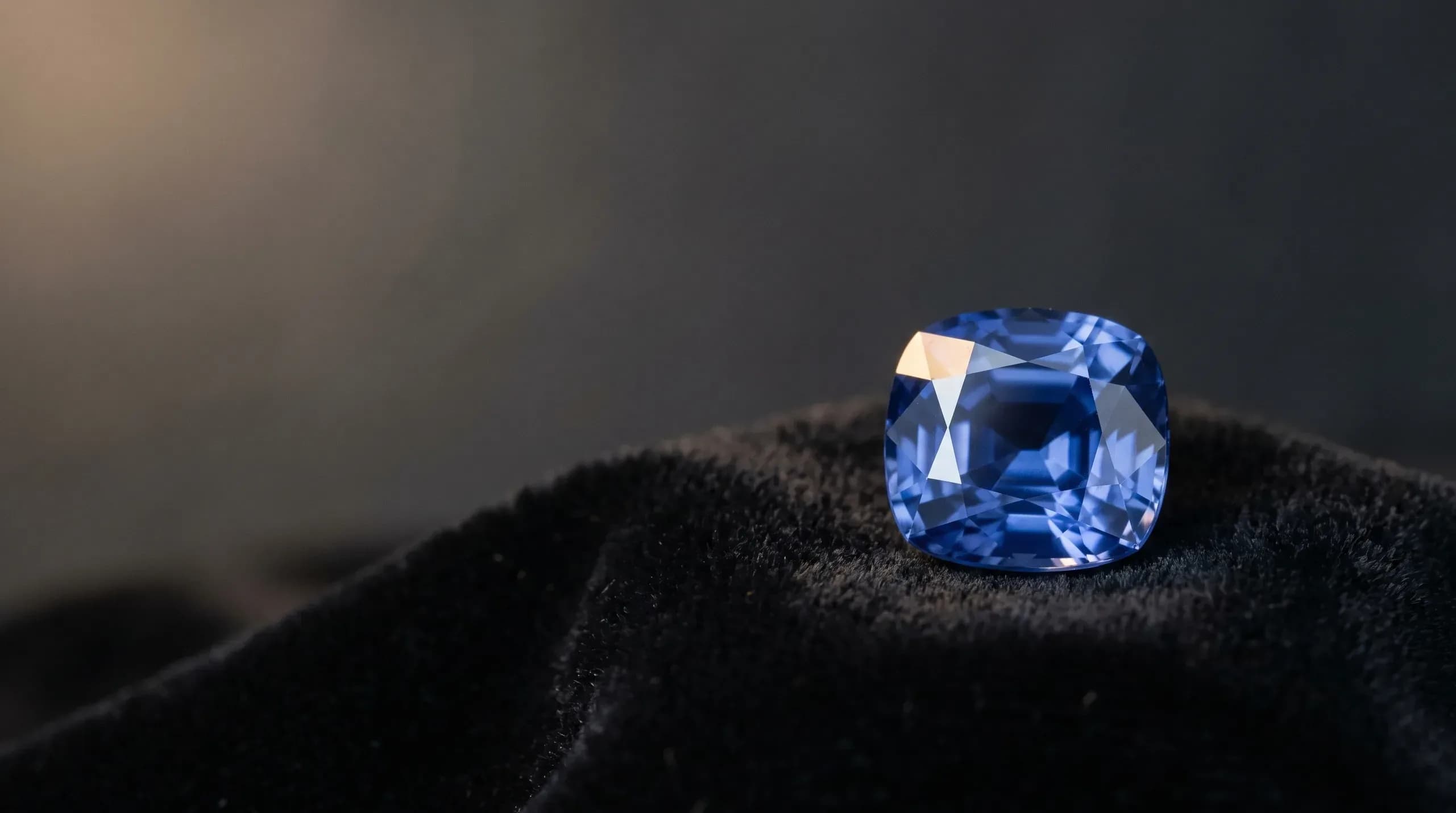
Engagement rings lead. A Ceylon blue sapphire has become a considered alternative to a diamond for Singaporean couples, partly for the colour and partly because a natural Ceylon sapphire in Singapore, with its origin on a laboratory report, is a better object to own than a stone nobody can trace. The usual request is a one to two carat stone in a bright, medium blue, set locally by a jeweller on Orchard Road or in a smaller studio.
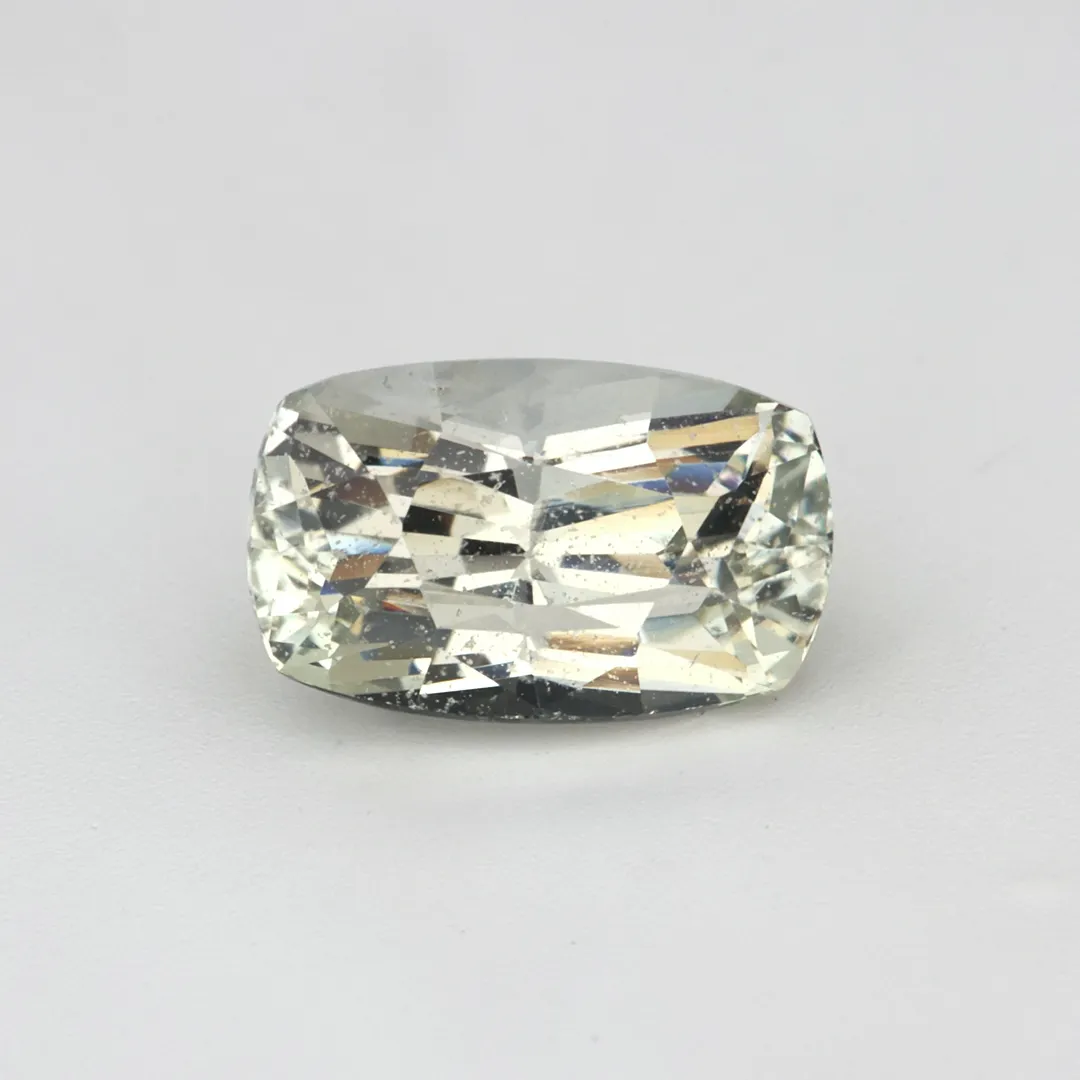
Singapore’s Sri Lankan and Tamil communities are the second group, and the most exacting. A Sri Lankan sapphire in Singapore is often a family purchase. Many have bought the stone for generations and want the specific things a report can prove: that the stone is natural, whether it has been heated, and that the colour is what the photograph shows. Our listings are filmed in 360 under even light for exactly that reason.
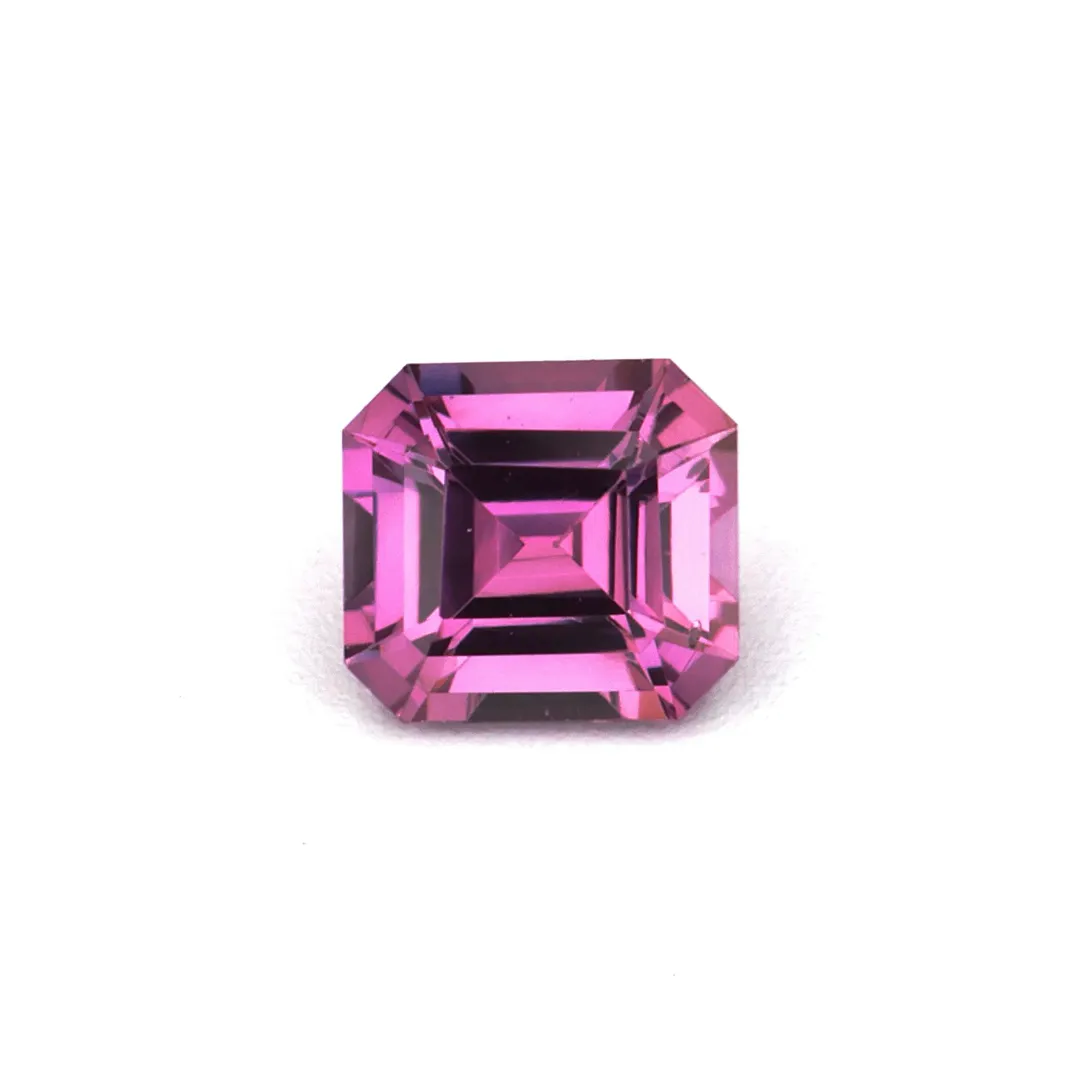
The third is the private buyer who treats a fine unheated stone as a thing to hold rather than wear. Singapore is a natural home for that buyer: stable, well banked and a short flight from the source. For them the interesting stones are the unheated blues above two carats and padparadscha: the premium sapphires in Singapore that rarely reach a boutique window, because they are sold before they get there. The occasional exceptional spinel from the same gravels interests them too.
Jewellers and designers get what the individual buyer gets: measurements to a tenth of a millimetre, 360 footage, the report and a dealer’s price.