Buying Guides
Best Setting for a Sapphire Engagement Ring
Bezel, prong, or halo? The best setting for a sapphire engagement ring is the one that matches how you live, not the one that photographs best. Here is how the settings compare, which metals flatter which colours, and what holds up to everyday wear.
9 min read
By Crestonne Editorial
Updated July 1, 2026
The best setting for a sapphire engagement ring is the one that matches how you live, not the one that photographs best. For an active hand, a bezel or a low-set prong protects the stone and snags on nothing. For maximum sparkle and presence, raised prongs or a halo let in the most light. The good news is that sapphire makes the choice low-stakes: at Mohs 9 it is hard enough to survive almost any setting, so you can pick on looks and lifestyle rather than fear of damage. Below is how the main settings, bezel versus prong versus halo, actually compare, which metals flatter which sapphire colours, and how to land on the right one for your stone.
What Is the Best Setting for a Sapphire Engagement Ring?
Every setting decision sits on two axes: security and style. Security is how well the mount protects the stone and keeps it on your finger. Style is the look, the height, the amount of light let in, and how the metal frames the colour. The "best" setting is wherever those two axes meet for your particular stone and your particular hands.
The main contenders are the solitaire prong, the bezel, the halo, the three-stone, and the east-west. None of them is universally superior. A jeweller who tells you there is one correct answer is selling you their favourite, not yours. What changes the answer is your lifestyle, the shape and colour of your sapphire, and how much presence you want the stone to have on the finger. Sapphire's hardness removes the single biggest constraint that limits softer coloured stones, which is why you get to choose freely here in a way an emerald or opal buyer simply does not.
Bezel vs Prong vs Halo: The Three Settings That Matter Most
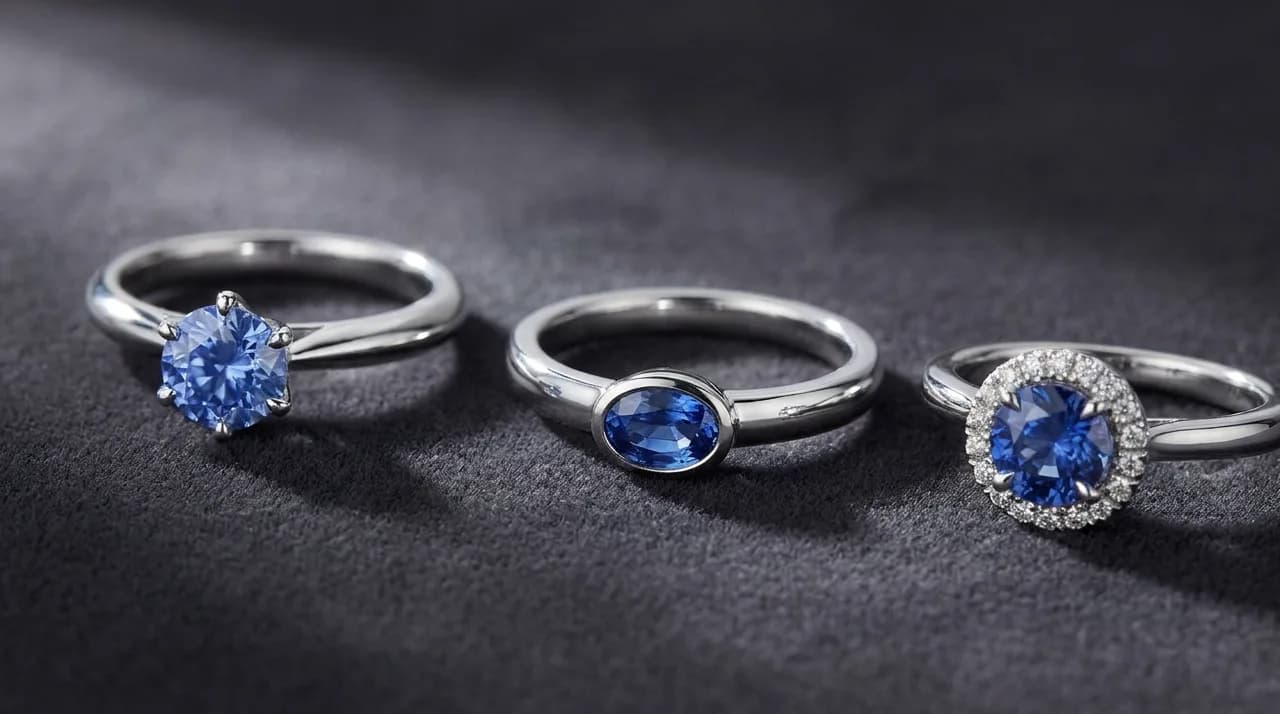
These three account for the overwhelming majority of sapphire engagement rings, and the choice between them defines the ring more than any other decision.
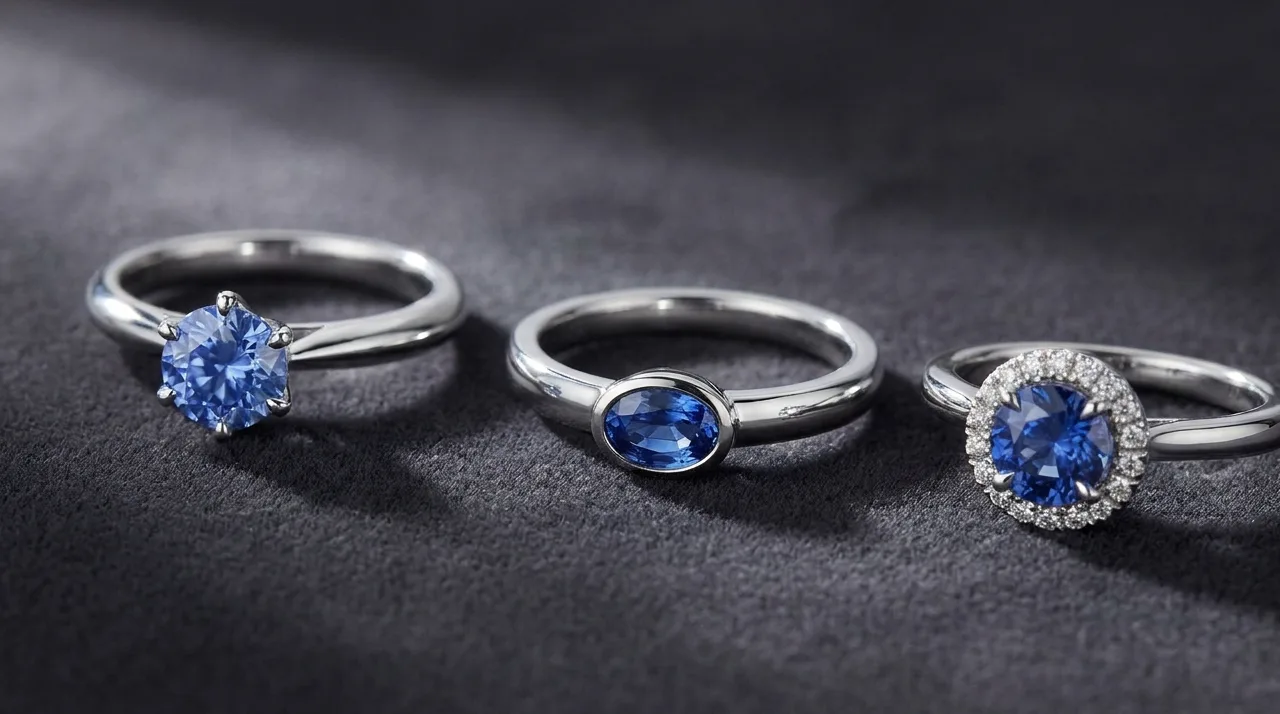
The prong setting. The classic. Four or six thin metal claws grip the stone and lift it above the band, so light enters from every angle and the sapphire reads as bright and open as it possibly can. A solitaire prong is timeless and shows the most of the stone. The trade-offs are real, though: a raised head sits proud of the finger, the exposed girdle can catch on fabric and hair, and a thin four-prong head offers less backup than six if a single claw is bent or worn. Six prongs and a lower basket buy back most of that security without killing the brightness.
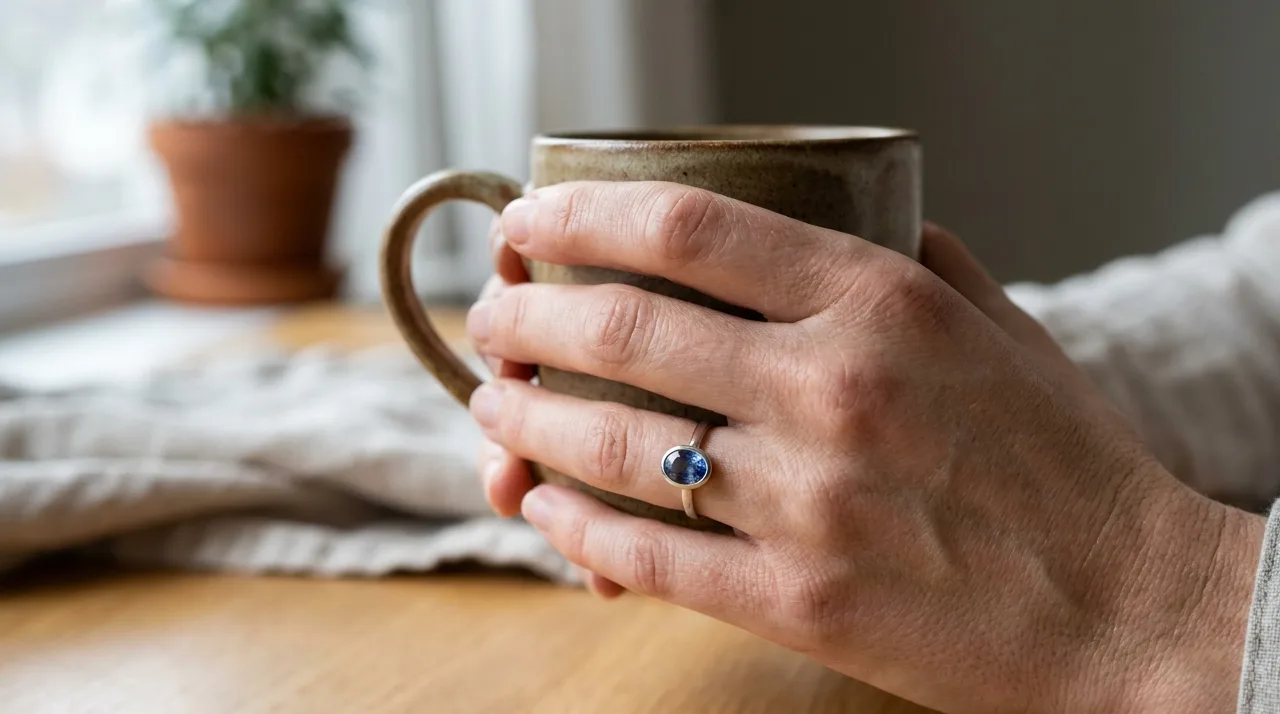
The bezel setting. A bezel wraps a rim of metal fully or partially around the stone, holding it by the girdle rather than from above. A bezel set sapphire ring is the most protective mainstream option: the edges of the stone are completely shielded, the profile sits low and flush against the finger, and there is nothing to snag. It has a clean, architectural, distinctly modern look, and bezels are a named 2026 trend precisely because so many buyers now want a ring they never have to think about. The honest trade-off is that the metal rim covers a sliver of the stone's perimeter, so a bezelled sapphire can look fractionally smaller than the same stone in prongs, and slightly less light enters from the sides. A half-bezel, open on two sides, splits the difference between protection and sparkle.
The halo setting. A halo rings the centre stone with a circle of small accent stones, almost always diamonds. It does two useful things at once. It makes the centre sapphire look meaningfully larger, so a smaller or more budget-friendly centre stone gains real presence on the finger, and it throws a bright sparkle border around the colour. For a coloured stone this framing can be genuinely flattering, because a ring of white diamonds intensifies the blue or teal at the centre by contrast. The cost is upkeep, since a halo means many more small stones to keep clean and check, and a busier overall look than a clean solitaire.
Three-Stone and East-West: Two More Worth Knowing
Two further settings deserve a place in the conversation, especially for buyers who want something a little less expected.
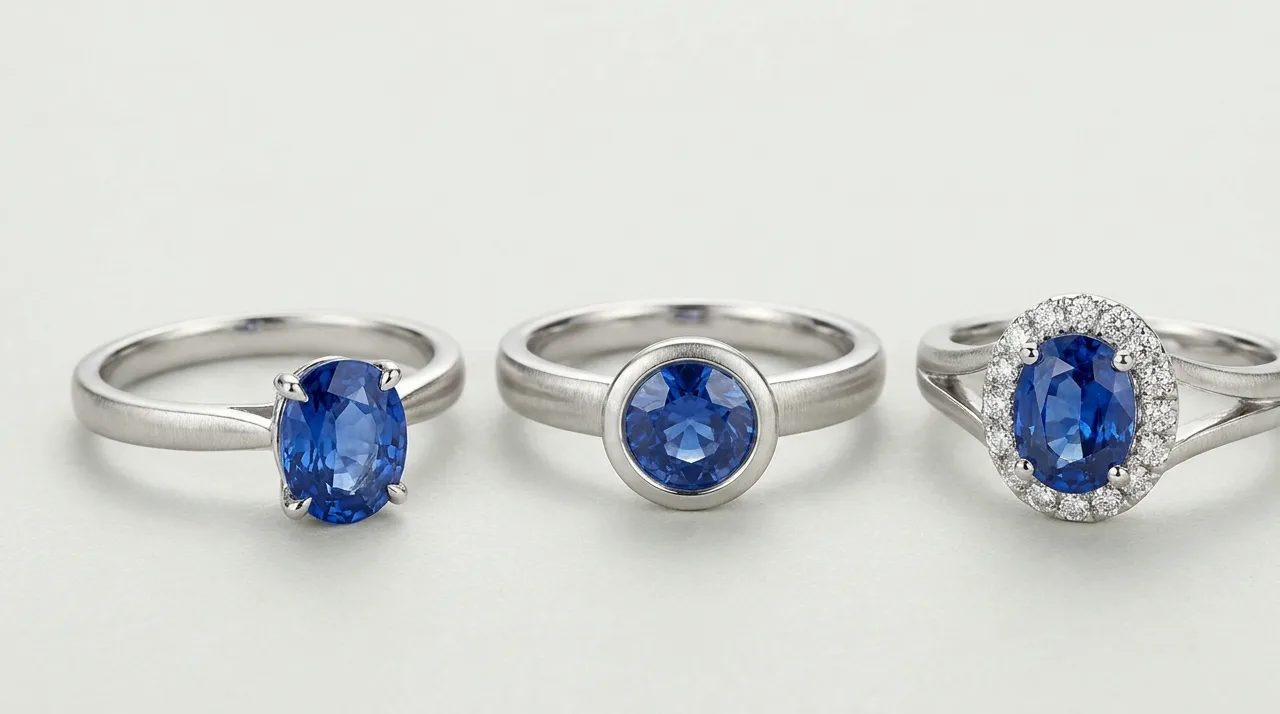
The three-stone setting. A centre sapphire flanked by two side stones, traditionally read as past, present, and future. The sides can be diamonds for contrast or a matched pair of smaller sapphires for a tonal, all-colour look. It gives more sparkle and width than a solitaire and suits a buyer who wants presence without a halo's maintenance.
The east-west setting. Here the stone is set horizontally across the finger rather than pointing up the hand. It is a modern, slightly fashion-forward choice that works beautifully with elongated cuts: an oval, an emerald cut, or a marquise sapphire laid sideways looks contemporary and shows the length of the stone. Because oval and emerald cuts lead 2026 demand, east-west has quietly become one of the more requested looks for coloured centre stones.
Which Settings Best Suit Sapphire's Hardness?
This is where sapphire's nature should steer the decision. At Mohs 9, sapphire is the hardest gem material after diamond, and it has no cleavage plane, which makes it genuinely tough as well as hard. Day to day, scratching is rarely the concern. The setting's real job is to protect the girdle and the facet edges from a sharp, concentrated knock, the kind that can chip even a Mohs 9 stone if it lands on a corner.
For the most active wearers, nurses, climbers, gardeners, anyone constantly using their hands, a full bezel or a low six-prong basket is the sensible call, because both keep the stone low and guard its edges. A tall, thin, four-prong head looks elegant in photographs but lives a harder life on a busy hand. If you want the full picture on how sapphire holds up to daily knocks, our guide to whether a Ceylon sapphire is hard enough for everyday wear covers hardness versus toughness in detail. The short version: the stone can take it, so let the setting do the protecting and choose a profile that fits your life.
What Metal Is Best for a Sapphire Engagement Ring?
Choosing between sapphire ring metals is not only a question of durability; the metal colour actively changes how the stone reads. The right pairing can deepen a pale stone or cool a warm one, and the wrong one can flatten a beautiful colour.
White metals (platinum and white gold) keep a blue sapphire cool, crisp, and true. They add no colour of their own, so a cornflower or royal blue stays exactly the blue you fell for. Platinum is the most hard-wearing choice for a daily ring and holds prongs securely for decades; white gold gives nearly the same look at a lower price, though it needs occasional rhodium replating.
Yellow gold warms everything it touches. A yellow gold sapphire ring has a vintage, heirloom feel, and the warm metal does something useful to colour: it can make a paler or pastel blue read noticeably deeper and richer by contrast, and it is the natural partner for teal, green, and yellow sapphires. After years of white metal dominance, yellow gold is firmly back in favour for coloured stones.
Rose gold leans warm and pink, which flatters peach, pink, and padparadscha-adjacent sapphires far more than it does a cool blue.
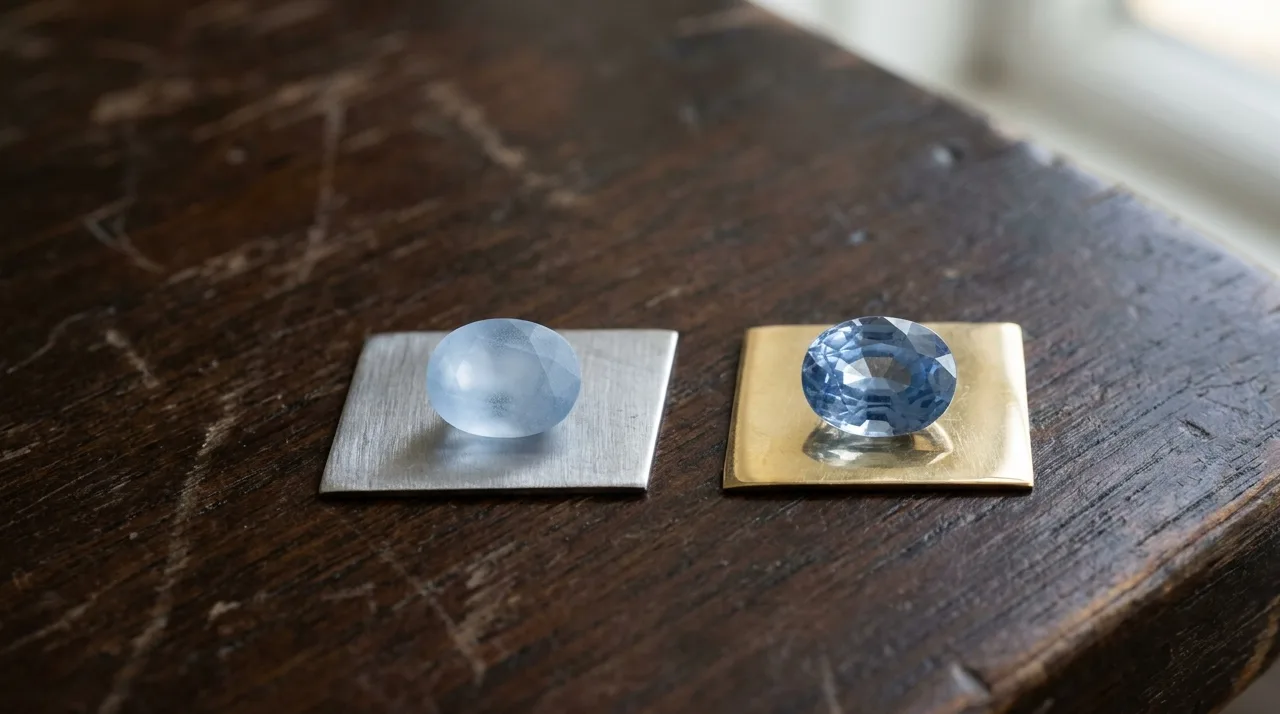
In April a client brought me a 1.8 carat Ceylon blue she already owned and worried was too light, almost pastel, and was set on platinum because that is what she thought an engagement ring should be. We laid the loose stone on a white metal tray first and she saw what she feared: against the cool metal the blue looked even icier and thinner. Then I set it loose against a scrap of yellow gold, and the change was immediate. The warm metal lifted the blue, gave it depth, made a slightly sleepy stone look saturated and alive. She went home with a yellow gold low-bezel ring and the stone she had nearly rejected became the thing everyone now compliments. The metal did not change the sapphire. It changed what the sapphire could show.
How to Choose the Right Setting for Your Stone
Work through it in this order, and the answer usually presents itself.
Start with your lifestyle. If you work with your hands or simply never want to baby a ring, default to a bezel or a low six-prong and build from there. If the ring will live a gentler life and you want maximum sparkle, a raised prong or halo is open to you.
Then look at the stone's shape and size. Elongated ovals and emerald cuts shine in east-west or three-stone designs. A smaller centre stone gains presence from a halo. A large, fine sapphire usually wants a clean solitaire that gets out of its way.
Match the metal to the colour. Cool blues to white metals, warmer and lighter stones to yellow gold, peach and pink tones to rose. This single decision changes the look more than buyers expect, so judge it with the loose stone in hand if you possibly can.
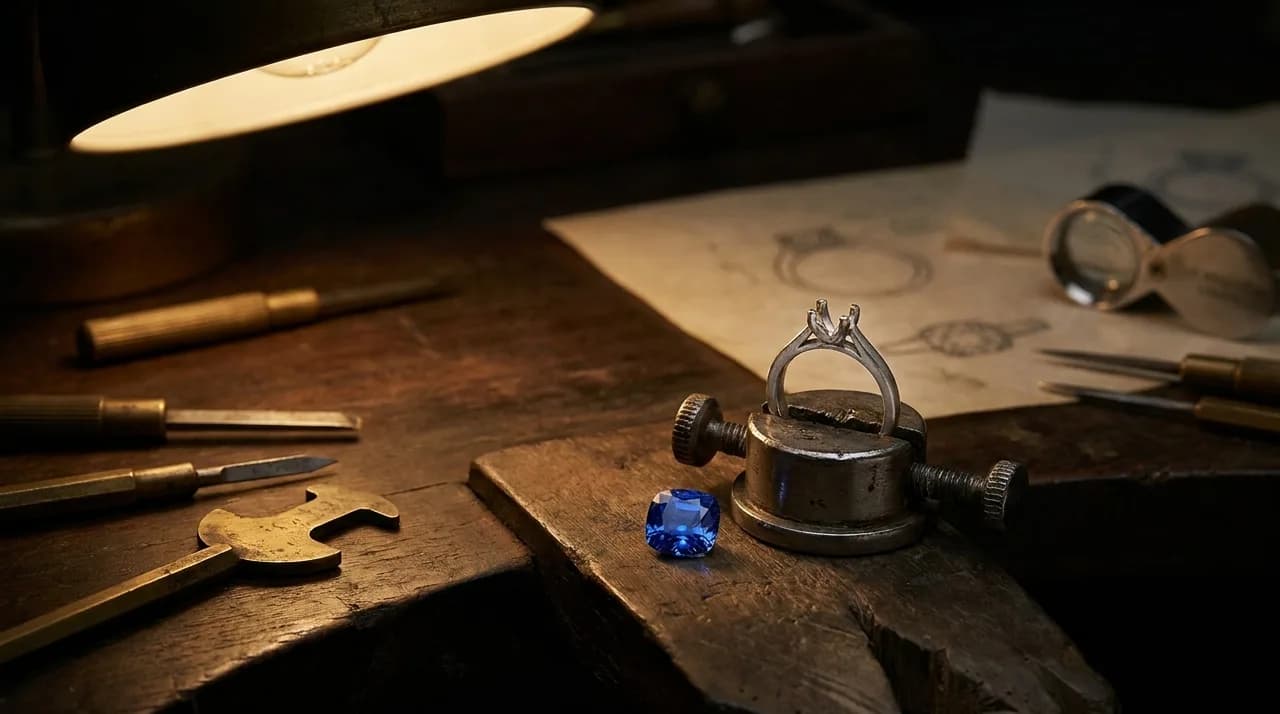
That last point is the strongest argument for choosing your stone before your setting. When you buy the gem loose first, you can test it against different metals and picture it in different mounts before committing, which is the whole logic behind buying a loose sapphire before the ring. From there, a setting can be sourced as a semi-mount or built bespoke around your exact stone, and the custom ring process, cost, and timeline guide walks through how that works end to end. If you are still weighing colour, carat, and cut before you reach the setting stage, the blue sapphire engagement ring buying guide is the place to start.
The best setting for a sapphire engagement ring, in the end, is the one you stop thinking about the day you put it on, because it fits your stone, your hand, and your life. Tell us the sapphire colour, the shape, and the kind of setting you have in mind, and we will source the stone and build the ring to match through our custom ring service, or browse the certified stones in our collection to find the centre your ring will be built around.
Common questions
Frequently Asked Questions
What is the best setting for a sapphire engagement ring?
There is no single best setting, only the best fit for your stone and your hand. For an active lifestyle, a bezel or a low-set prong protects the stone and catches on nothing, which is why bezels are a named 2026 trend. For maximum brilliance and presence, raised prongs or a halo let in the most light. Sapphire makes the decision low-stakes: at Mohs 9 it is hard enough to survive almost any setting, so you can choose on looks and lifestyle rather than fear of damage. Match the setting to how often you knock your hands, the shape of your stone, and the metal colour that flatters its hue.
Is a bezel or prong setting better for a sapphire?
Both work beautifully with sapphire; they trade light for protection. A prong setting lifts the stone and exposes more of it to light, so a sapphire reads brighter and larger, at the cost of a slightly more exposed girdle that can snag. A bezel set sapphire ring wraps a rim of metal fully or partially around the stone, shielding the edges completely and sitting flush against the finger. Bezels are the safer choice for everyday and active wear and have a clean, modern look, while prongs are the classic high-sparkle option. A half-bezel splits the difference.
What metal is best for a sapphire engagement ring?
It depends on your sapphire's colour. White metals like platinum and white gold keep a blue sapphire cool and crisp, which suits cornflower and royal blue stones and is the most neutral choice. Yellow gold warms the stone and can make a paler or pastel blue read deeper by contrast; it is also the natural partner for teal, green, and yellow sapphires and carries a vintage feel. Rose gold flatters peach, pink, and padparadscha-adjacent tones. For pure durability on a daily-wear ring, platinum is the most hard-wearing, with 18k gold close behind.
Does a halo setting work with a sapphire?
Yes, and it does two useful things. A halo of small accent stones, usually diamonds, frames the centre sapphire and makes it look noticeably larger, so it is a smart way to give a smaller or more affordable centre stone real presence. The halo also creates a bright sparkle border that can make a deeply saturated sapphire pop. The trade-offs are more stones to maintain and clean, and a slightly busier look than a solitaire. For coloured stones a halo can be especially flattering because the white border intensifies the central colour.
What is the most durable setting for everyday wear?
A full bezel is the most protective everyday setting because the metal rim guards the entire girdle and the stone sits low and flush, with nothing to snag on clothing or catch on a knock. A low-set or six-prong basket is the next most secure, since six prongs hold a stone even if one is damaged. Sapphire's Mohs 9 hardness means scratches are rarely the worry; the setting's job is to protect the edges from a hard impact and to sit low enough to live an ordinary life. Avoid very high, thin, four-prong heads if you work with your hands.