Crestonne
Our Story
“Every stone tells a story of the earth's patience.”
The Island
Where Gems Are Born
Crestonne is based in Ratnapura, Sri Lanka, the town the trade calls the City of Gems. We sell one thing: natural Ceylon sapphires, loose and certified, heated and unheated, from cornflower blue to the rare padparadscha.
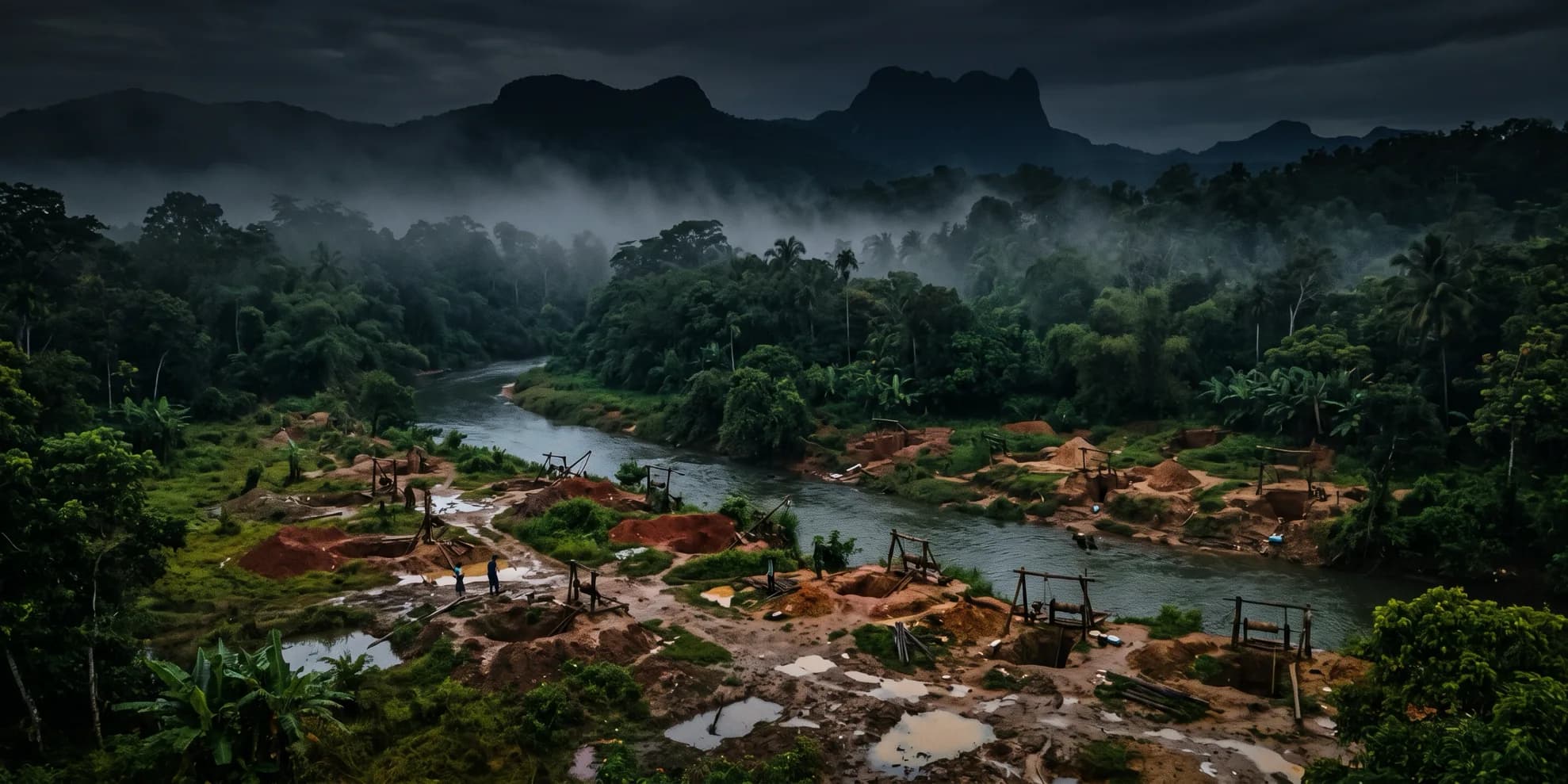
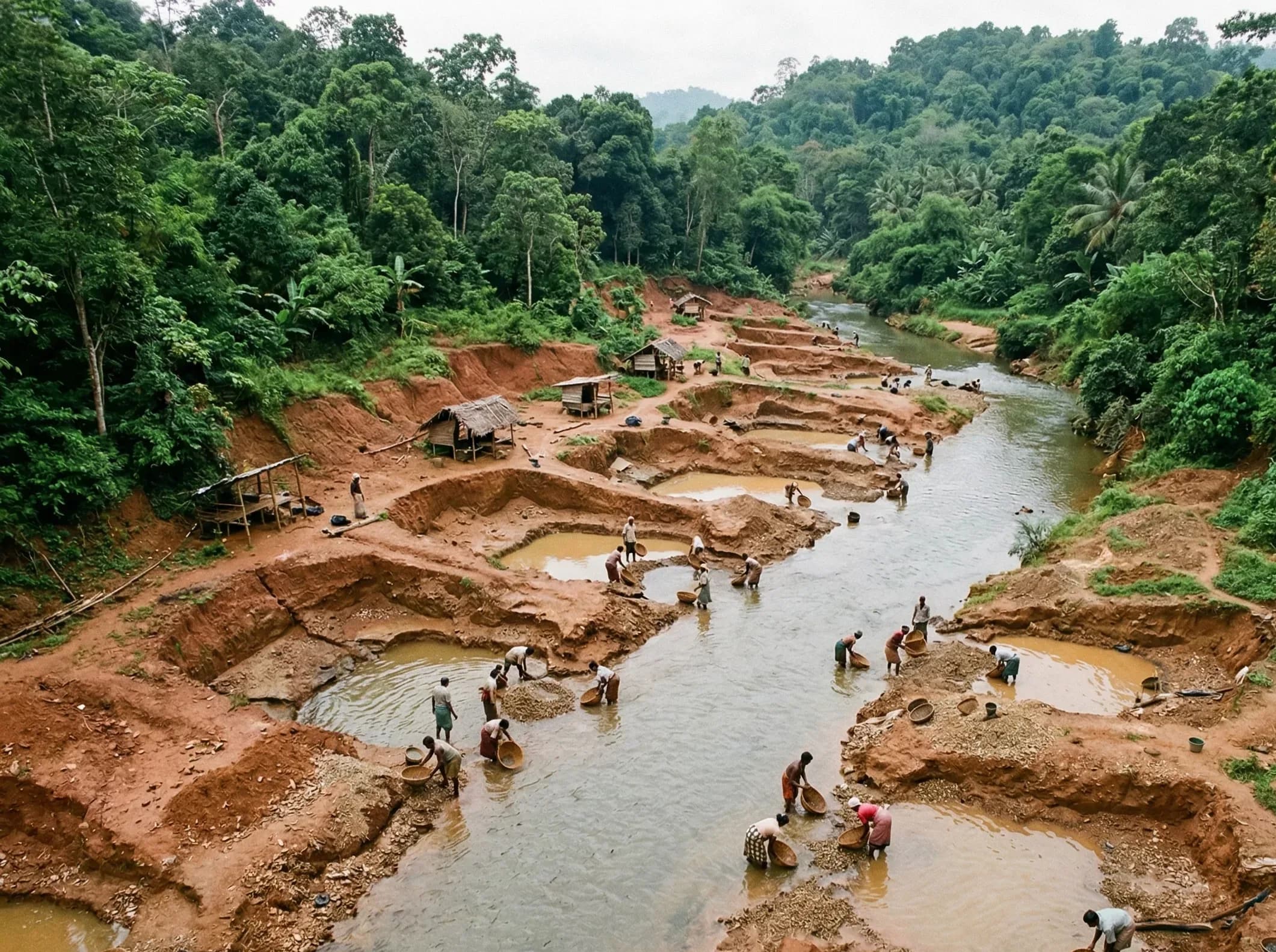
The natural sapphire stones we sell come from the island's alluvial gem gravels, worked by small licensed pits in the districts around us: Ratnapura itself, Elahera, Beruwala. This ground has been giving up sapphires for more than two thousand years. The Romans traded for them, and Marco Polo wrote about them. We simply live where they come from.
The Craft
From Rough to Finished Stone
Our sourcing is done on foot and in person. We buy rough and cut stones at the pits and the morning markets, from miners and dealers we know by name, and we pay them directly. No brokers in between, and no parcels bought unseen.
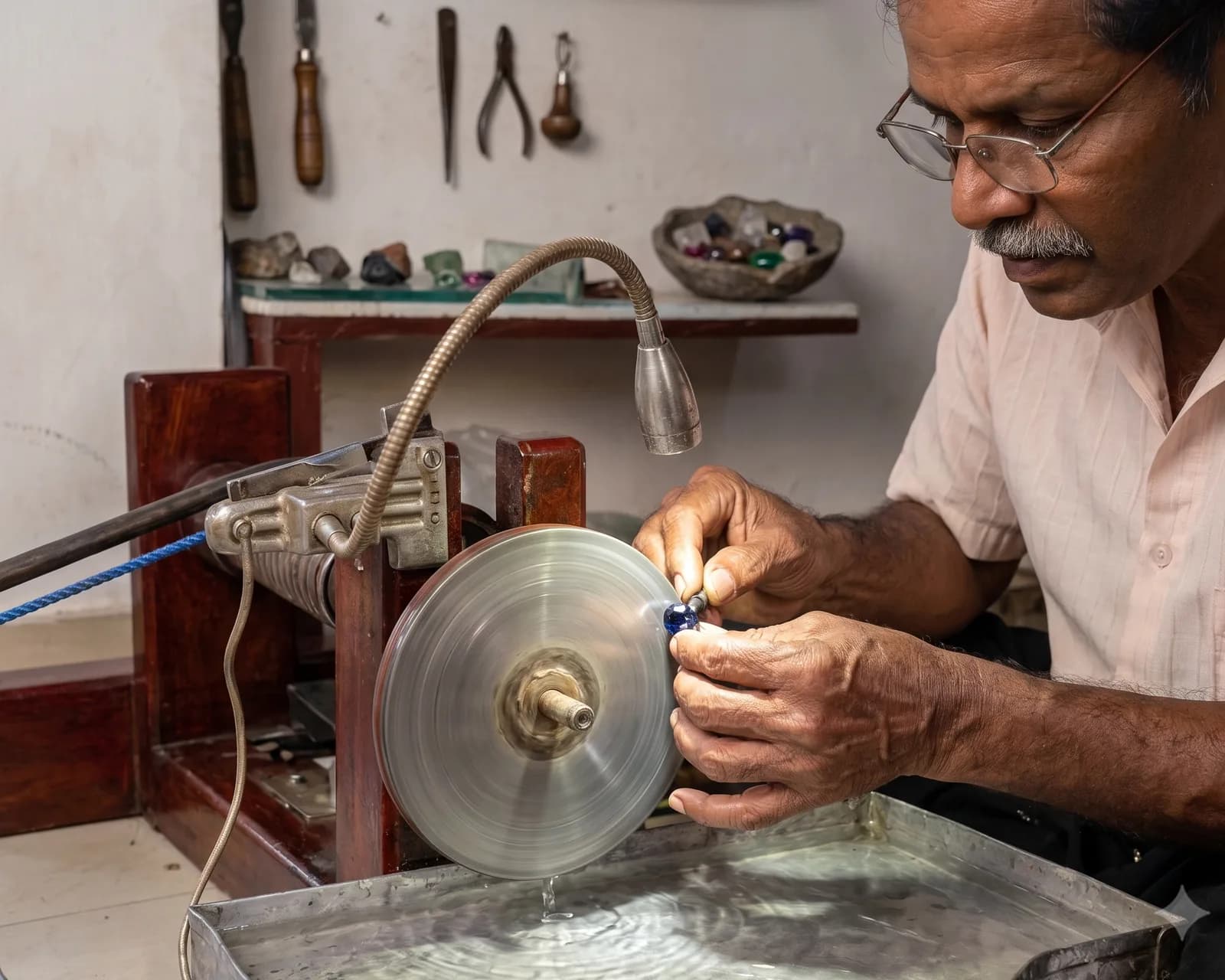
The cutting happens in Ratnapura too. We work with a partner workshop and a small circle of trusted cutters we have worked with for the last few years. Good rough is oriented for colour and cut by hand, and a sapphire stone that loses light to save weight does not pass.
Mining here is hand-dug and small-scale, the way it has been for generations. No heavy machinery, no scarred land. And because we buy at the source, more of the price stays with the people who actually found and cut the stone. That is what ethical sourcing means to us in practice.
The Standard
Why Crestonne Exists
What makes Crestonne different is simple discipline. Every natural sapphire stone is picked and graded by the founder, in daylight. Most stones we see are turned away. Each listing carries one plain price, and the flaws are described as clearly as the strengths.
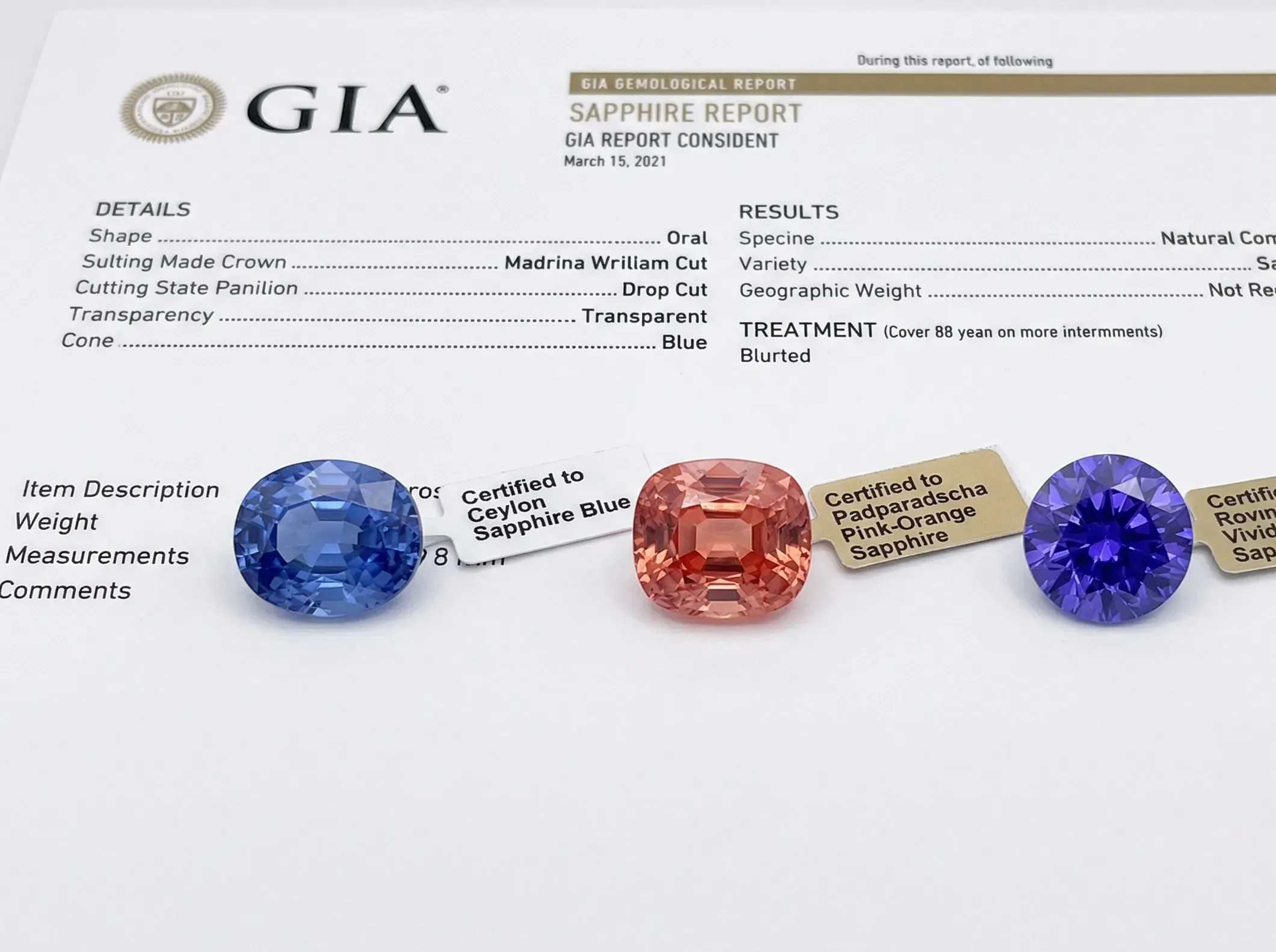
Every stone we list is certified by an independent laboratory: TGL (GIA alumni), Guild or GIC. The report states what the stone is, whether it was heated and where it came from, and its number is printed on the listing so you can check it yourself.
We ship worldwide. Every parcel travels insured and tracked with its certificate inside, and it usually reaches you within two weeks. If something is unclear at any point, you talk to the person who graded the stone.
Founder
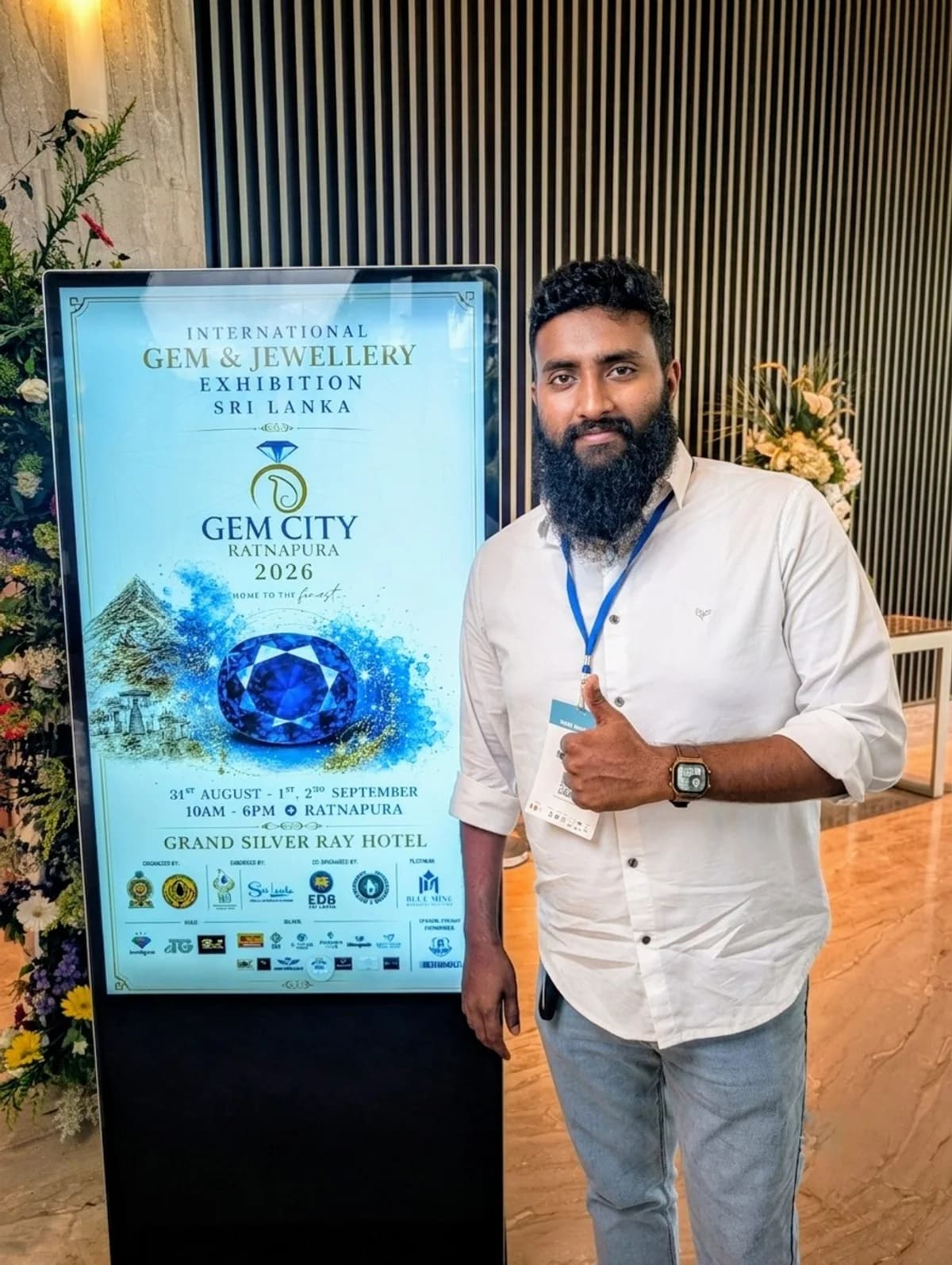
Founded by Naseef AR
Crestonne began in Ratnapura, in the middle of the trade it now serves. The founder has spent the past few years inside that trade, handling gemstones every day: buying rough at the pits, sitting at the market tables, and learning stones the only way they can really be learned, in the hand.
That daily work is now being matched with formal study in gemology. The training sharpens the grading; the years in the market are what the grading rests on.
That first-hand buying is the product: knowing which pit a parcel came from, which cutters can be trusted with fine rough, and what a stone should cost before it leaves the island.
Hold the Story in Your Hand
Browse the certified stones in the collection, or tell us what you are looking for and we will source it from the same pits and cutters you just read about.