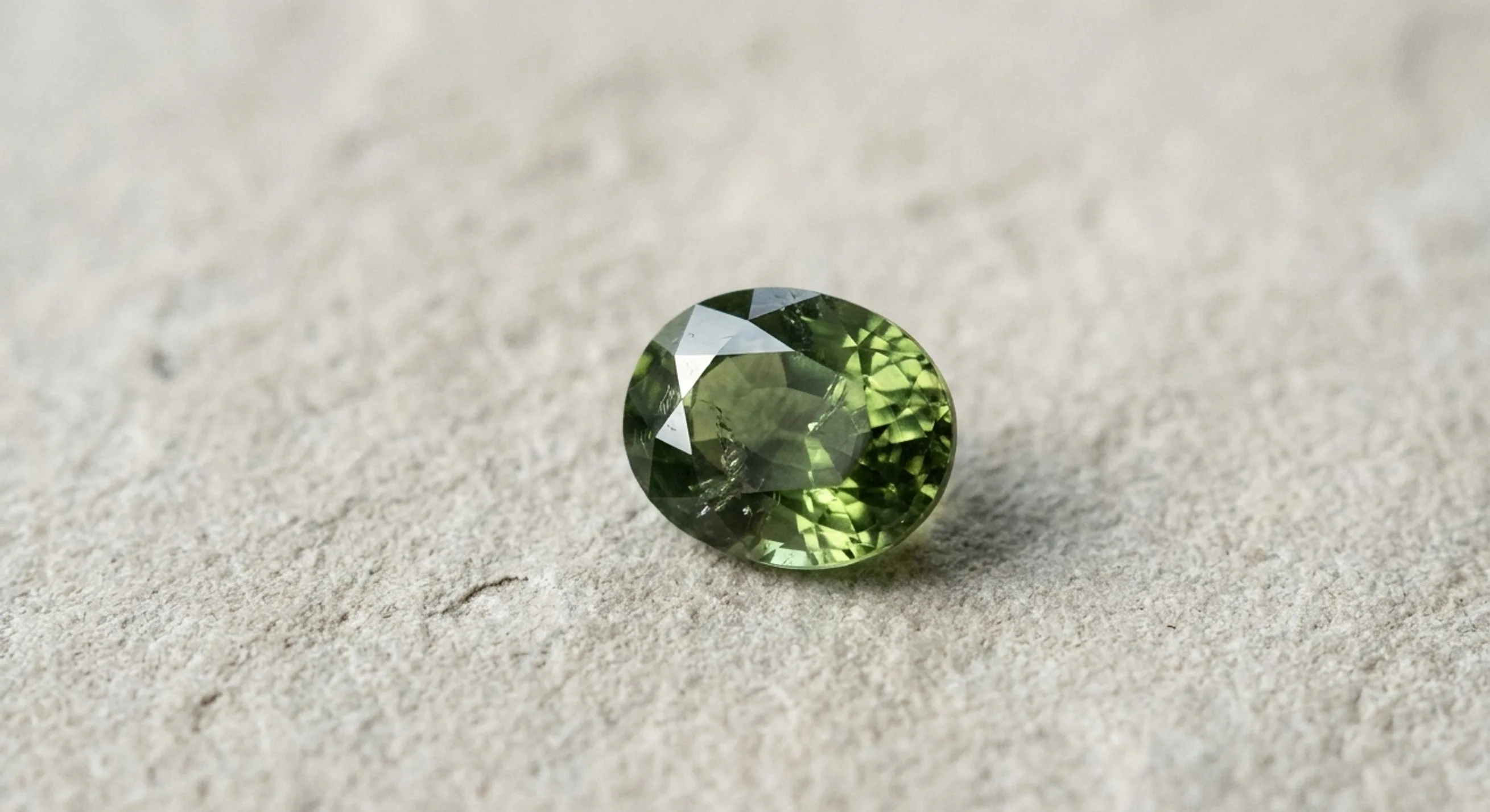
Natural green Ceylon sapphire runs from forest to mint, colored by iron rather than the usual chromium and titanium. Here is how to read the tone and spot a stone that stays alive under any light.
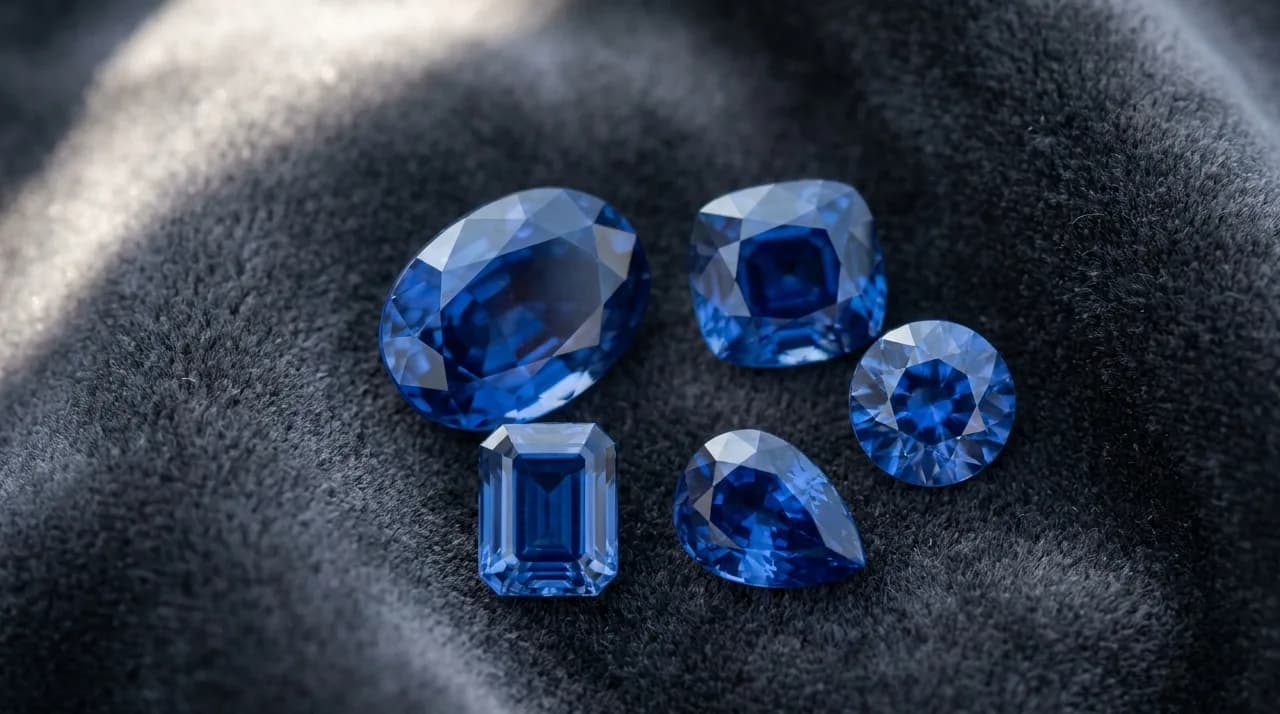
Oval and cushion lead 2026 demand, but the best sapphire cut is the one that shows your stone's colour at its best. A shape-by-shape guide to face-up size, colour retention, price, and the difference between a native cut and a precision recut.
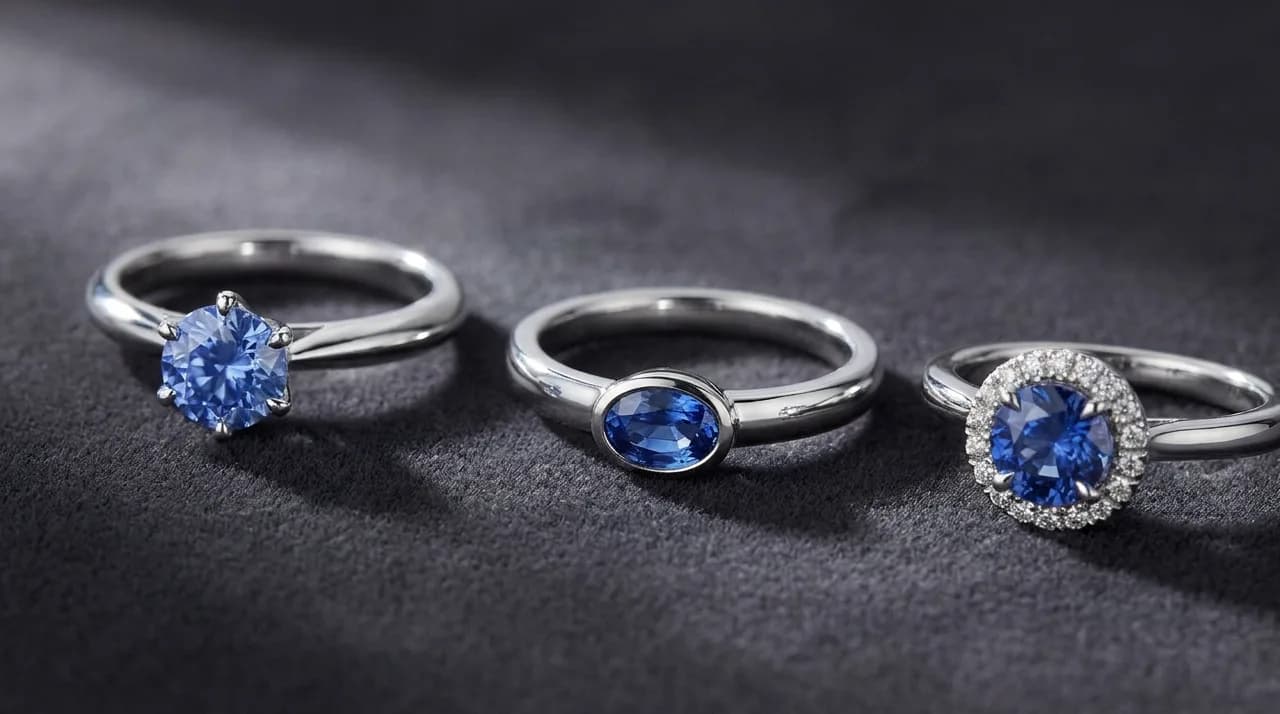
Bezel, prong, or halo? The best setting for a sapphire engagement ring is the one that matches how you live, not the one that photographs best. Here is how the settings compare, which metals flatter which colours, and what holds up to everyday wear.
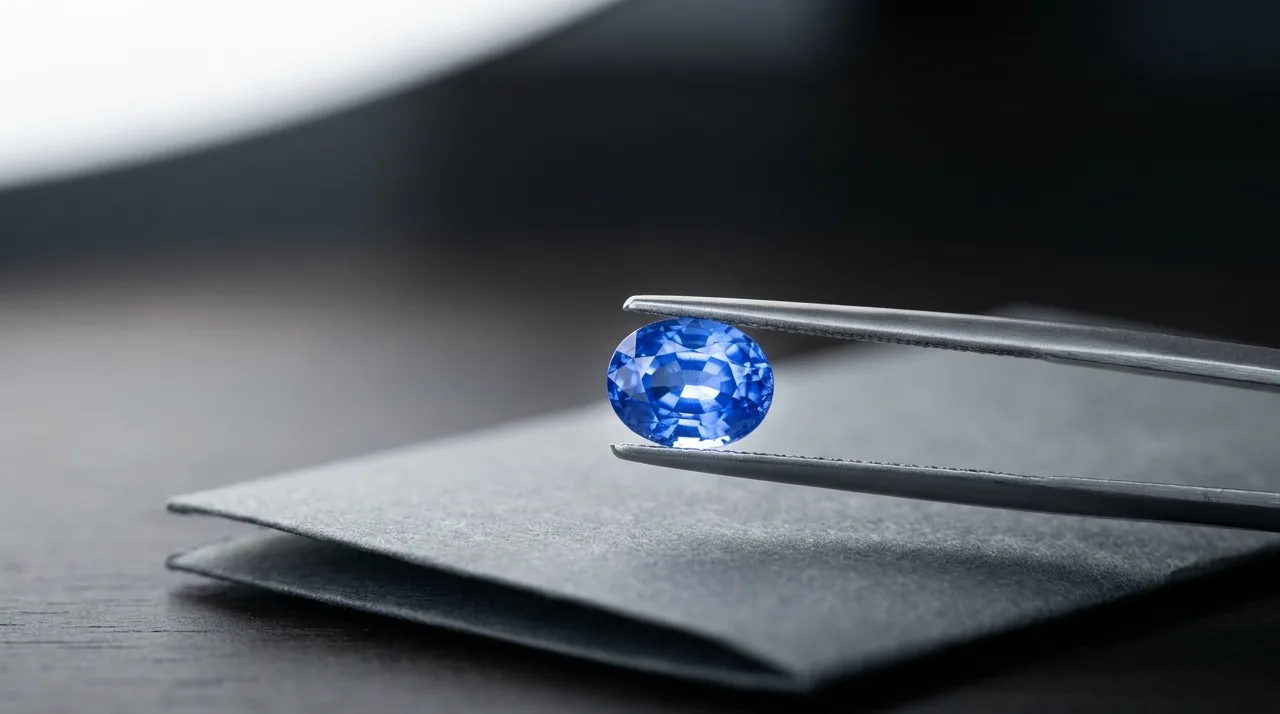
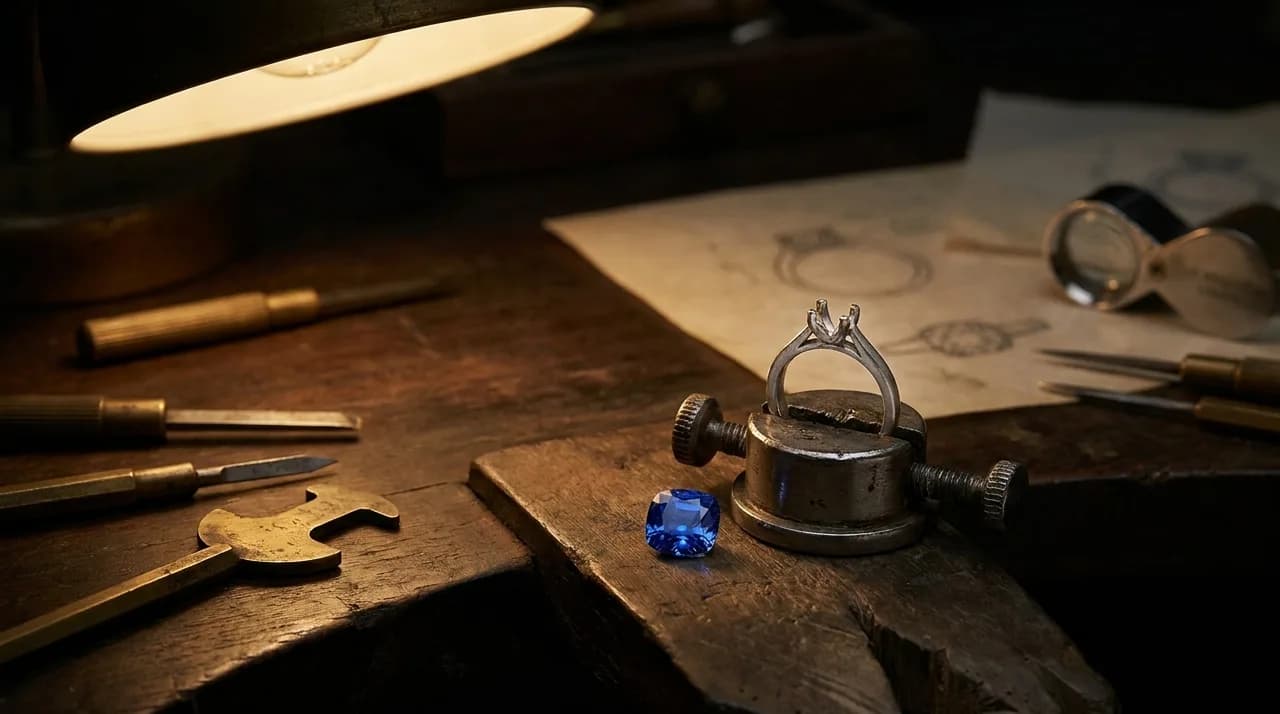
Buy the stone first, the ring second. A loose sapphire has nowhere to hide, which is exactly why it is the smarter way to build an engagement ring. Here is how to inspect, set, and size one, and what it saves against retail.
A custom sapphire engagement ring usually costs less than its retail equivalent, not more. Here is the four-stage commission process, a realistic cost breakdown, and the timeline to plan backwards from a proposal date.
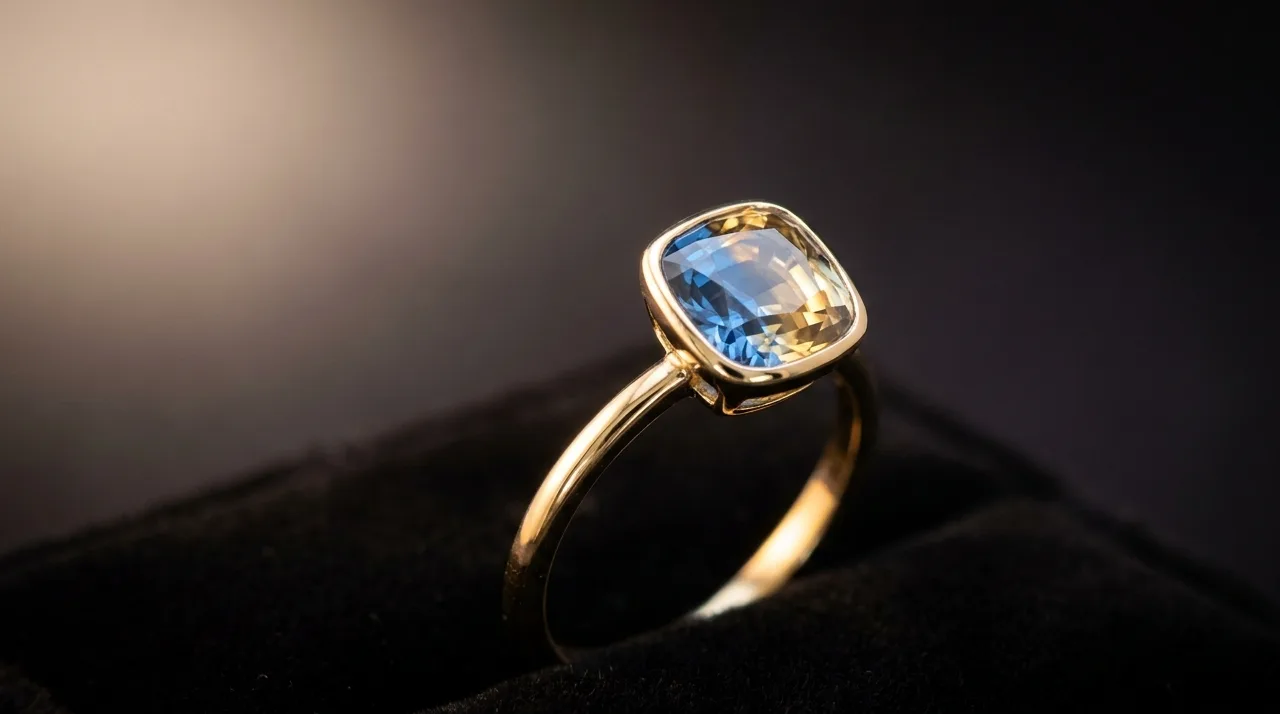
A parti sapphire holds two or more distinct colours in a single crystal, split by a visible boundary no two stones share. Here is how the zoning forms, how Ceylon parti compares to Australian, how it differs from a teal, and what to look for when buying one.
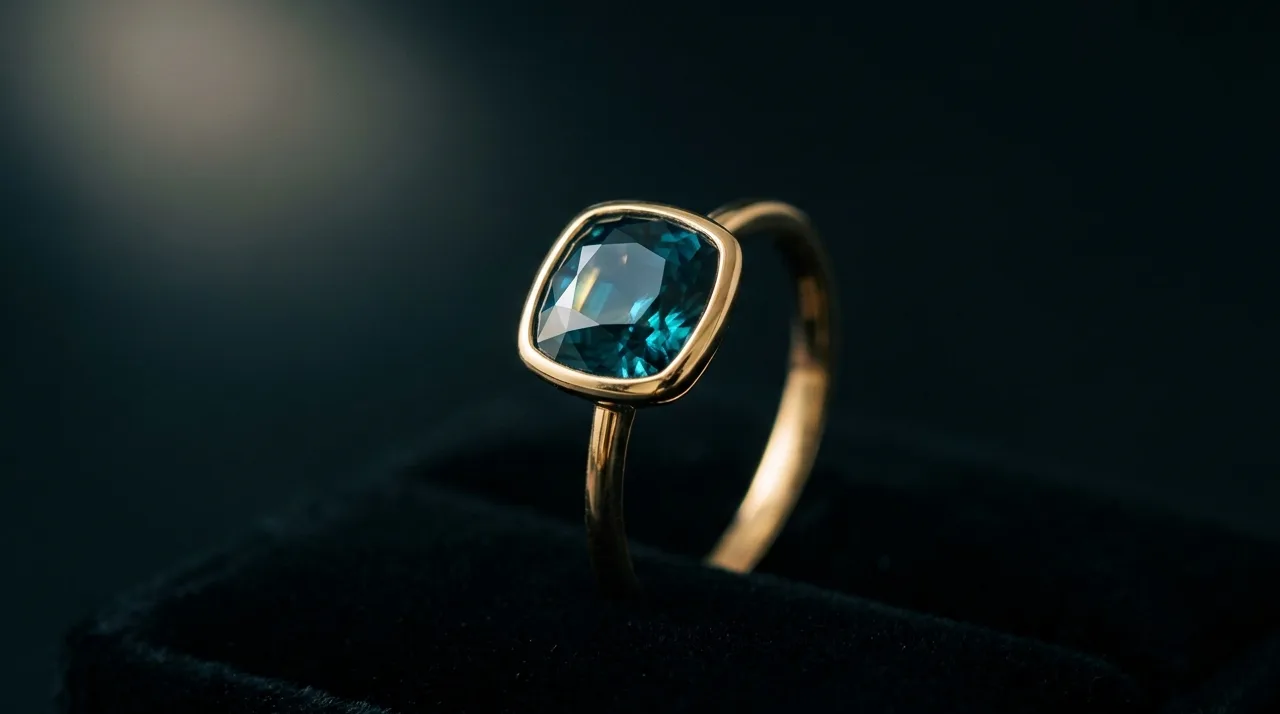
Teal sapphires sit between blue and green, the colour of deep water, and most are sold unheated. Here is how to judge the blue-to-green ratio, weigh Ceylon against Montana and Australian stones, and choose the setting, metal, and certification for a teal sapphire engagement ring.
Blue sapphire engagement rings balance romance, heritage, and genuine everyday durability. Here is how to pick the color, carat, cut, setting, and certification that will still look right decades from now.
First Look at New Ceylon Sapphires
New stones and guides, straight from the source. Written rarely, and only when there is something worth saying.