Skip to content

Ceylon Sapphires Worldwide

Ceylon Sapphires in the USA

Natural Ceylon sapphires, bought at the pits and markets of Ratnapura and sent to American buyers with the laboratory report in the parcel. One plain price in US dollars, insured delivery included.

  • Natural Ceylon sapphires, bought at source in Sri Lanka
  • An independent laboratory report with every stone
  • Free insured, tracked delivery to the United States
  • 14 days to return it, from any country
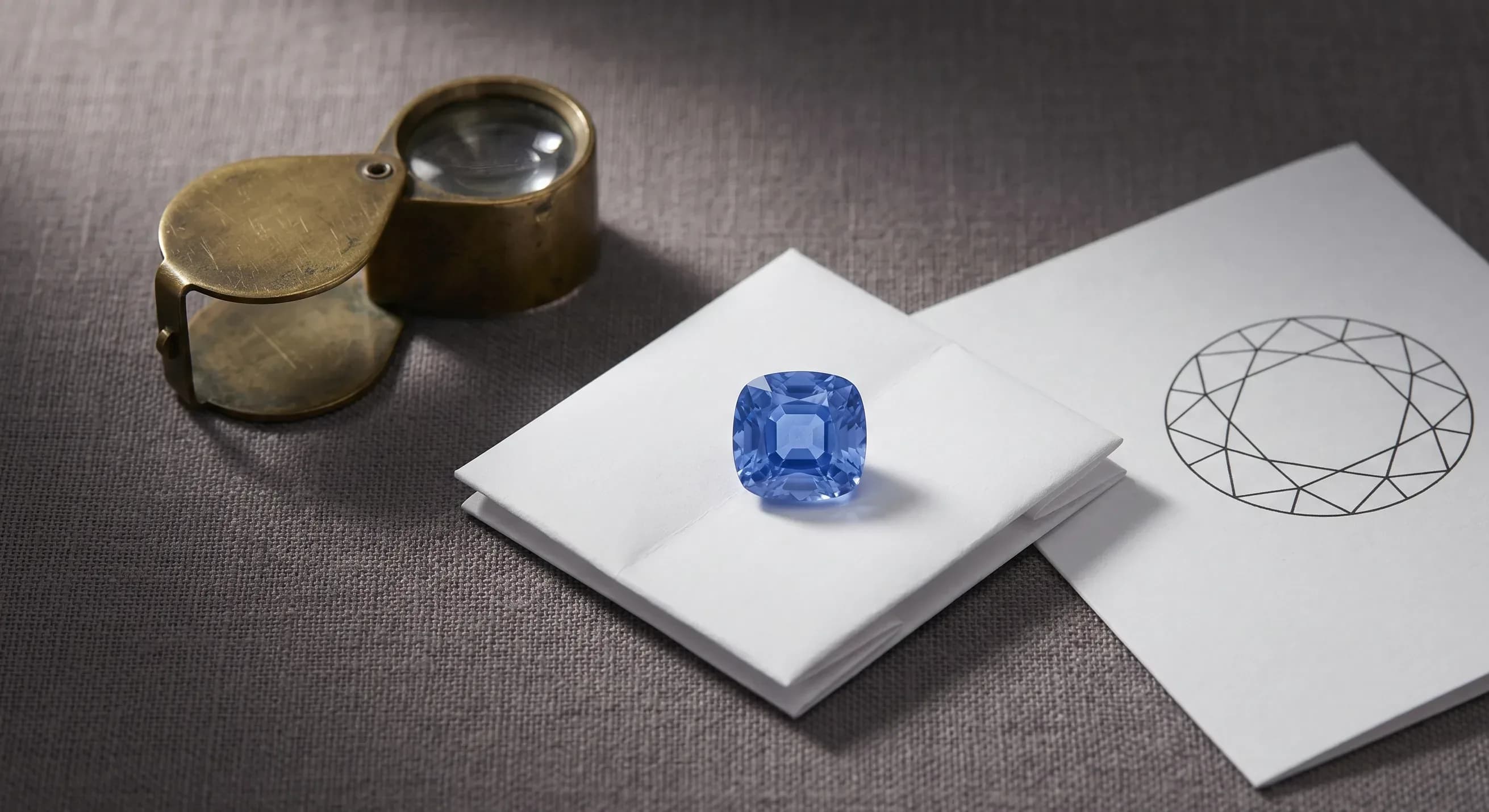
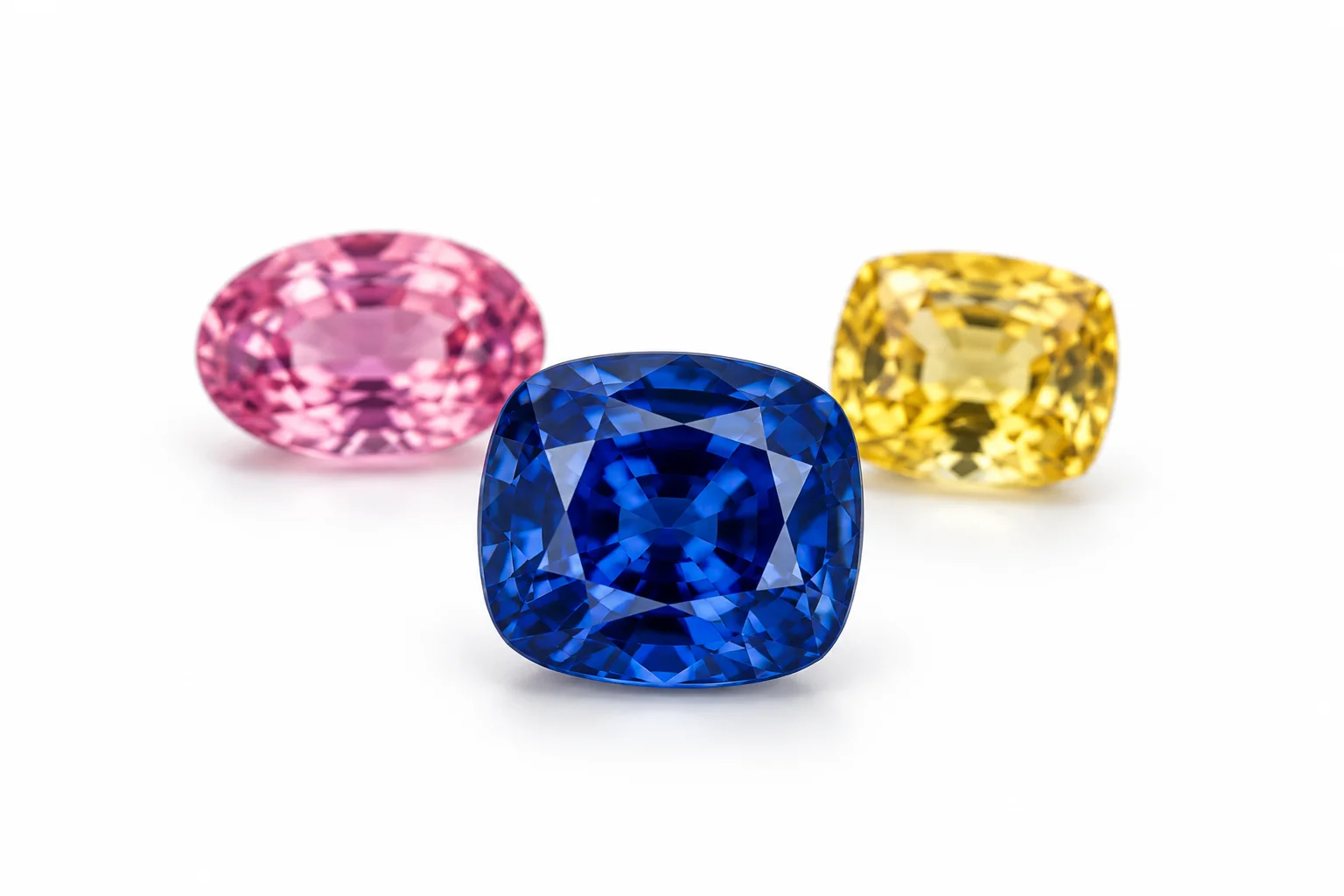
Natural Ceylon sapphires from Sri Lanka in blue, pink, yellow, white and padparadscha, loose on a gem paper

The United States is the largest market in the world for coloured gemstones, and the Ceylon sapphire sits at the top of it. When an American jeweller says sapphire, the picture in their head is usually a Ceylon blue: the medium, bright, slightly violet blue that Sri Lanka’s gravels produce and that no other origin quite matches. Sri Lanka has supplied the American trade with that stone for more than a century, and a Sri Lankan sapphire in the USA is still sold under the island’s old name, Ceylon.

Crestonne sells it from the source. We live and buy in Sri Lanka, select each sapphire in person, have it certified by an independent laboratory, and send it to you anywhere in the USA with free insured delivery. There is no American showroom in the chain and no showroom markup either: you pay the price a dealer would, in US dollars. Premium sapphires in the USA are usually priced for the showroom they sit in. Ours are priced at the source.

The market

Who Buys Ceylon Sapphires in America

Engagement rings come first. A blue sapphire has been the serious alternative to a diamond for a long time, and the Ceylon blue in particular ever since the ring Diana, Princess of Wales chose in 1981, widely described as a Ceylon stone, made that colour the most recognised sapphire in the world. Someone setting out to buy a Ceylon sapphire in the USA for a ring, whether in New York, Los Angeles, Chicago, Houston or Miami, tends to arrive knowing what they want: a one to three carat stone, a specific blue, and a report that proves where it came from.

Jewellers and designers are the second group. They want a loose stone for a client’s commission, and they buy from us the way they would buy from a cutter in Sri Lanka, because that is what they are doing, only with the paperwork handled and the parcel insured to their bench. Each listing carries the measurements to a tenth of a millimetre and 360 footage, so a setting can be planned before the stone lands.

The third is the collector, often someone who walks the Tucson shows every February and has learned to read a report. For them the interesting stones are unheated, or padparadscha, or simply large and clean, and those rarely reach an American show at source prices. That is the whole point of buying from Sri Lanka directly.

Buyers in the USA are also protected by clear rules. The Federal Trade Commission’s Jewelry Guides require a seller to say when a stone is laboratory-grown and to disclose any treatment that has a significant effect on its value, and heating is one. A natural Ceylon sapphire in the USA therefore has to be sold as exactly that: natural, and heated or unheated. We state both on every listing and the laboratory confirms them on the report, so what you are told and what you can check are the same thing.
What we sell

The Ceylon Stones We Send to the United States

Blue sapphire

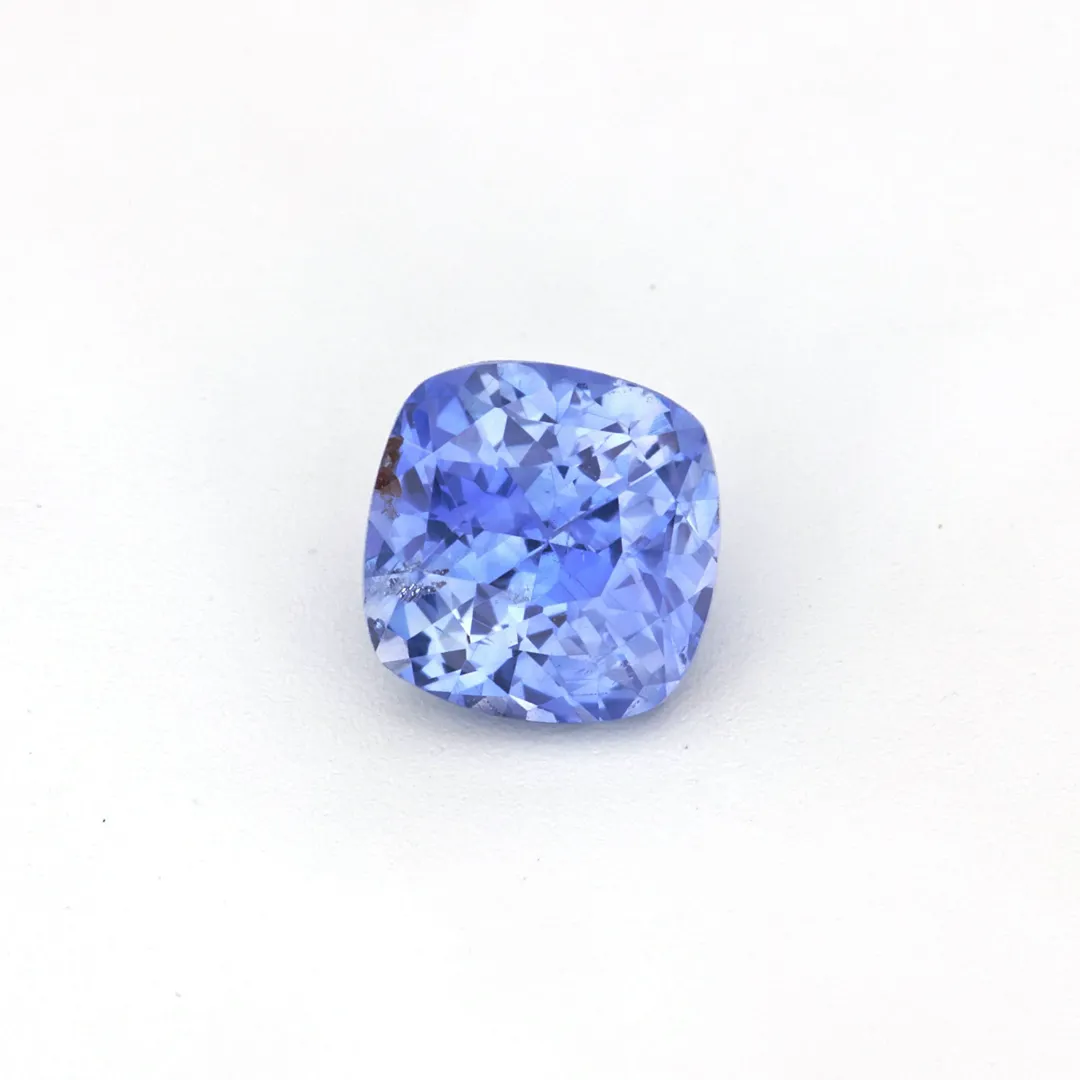
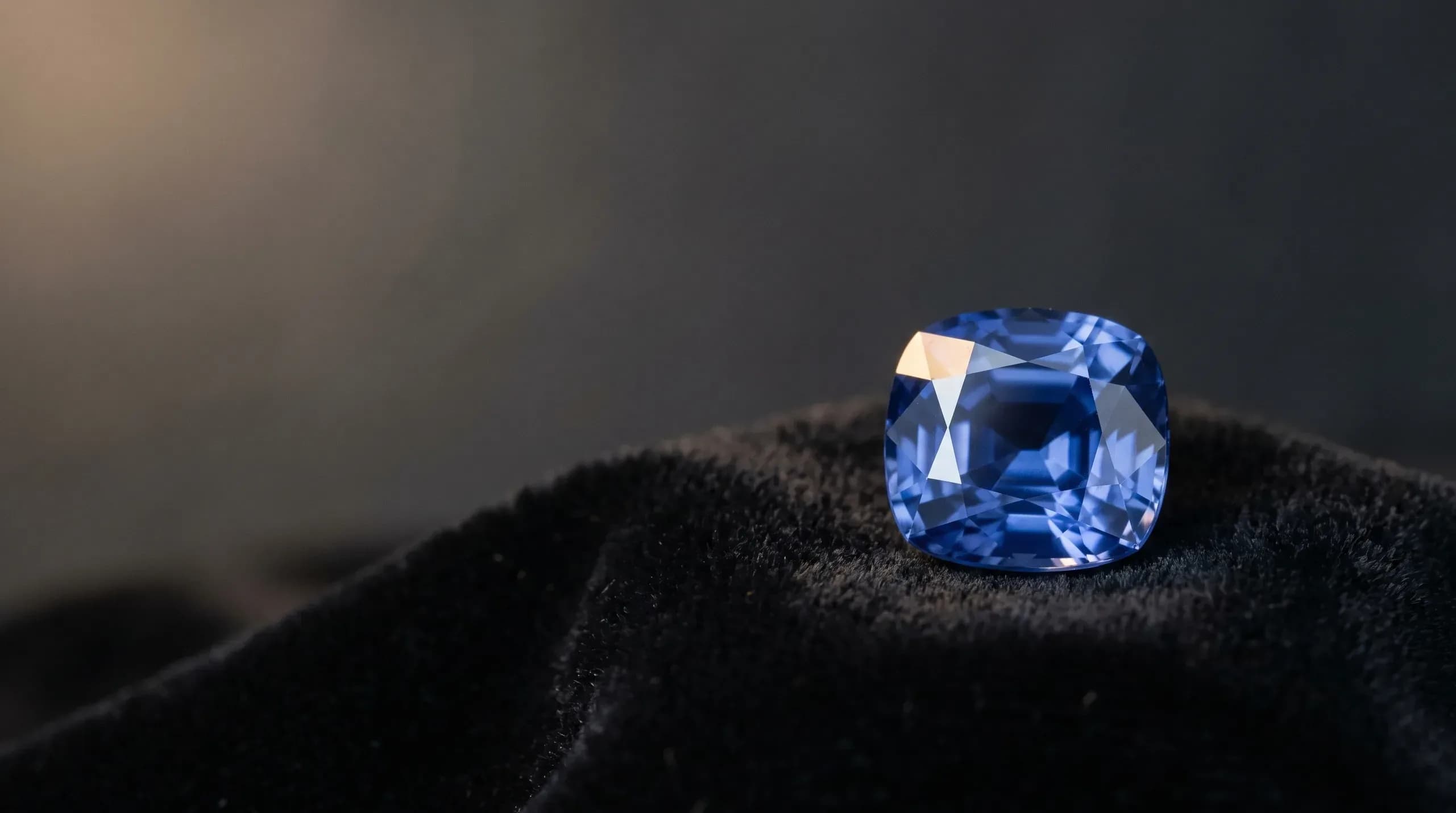
The stone Sri Lanka is known for: a medium, bright blue with a hint of violet, from soft cornflower to a saturated royal blue. Most of what we sell is this stone, in sizes from under a carat upwards.

Padparadscha

The pink-orange sapphire found almost nowhere but Sri Lanka, and the rarest colour we handle. Genuine, certified stones are scarce; we list one when we have one and source to order when we do not.

Pink, yellow and white sapphire

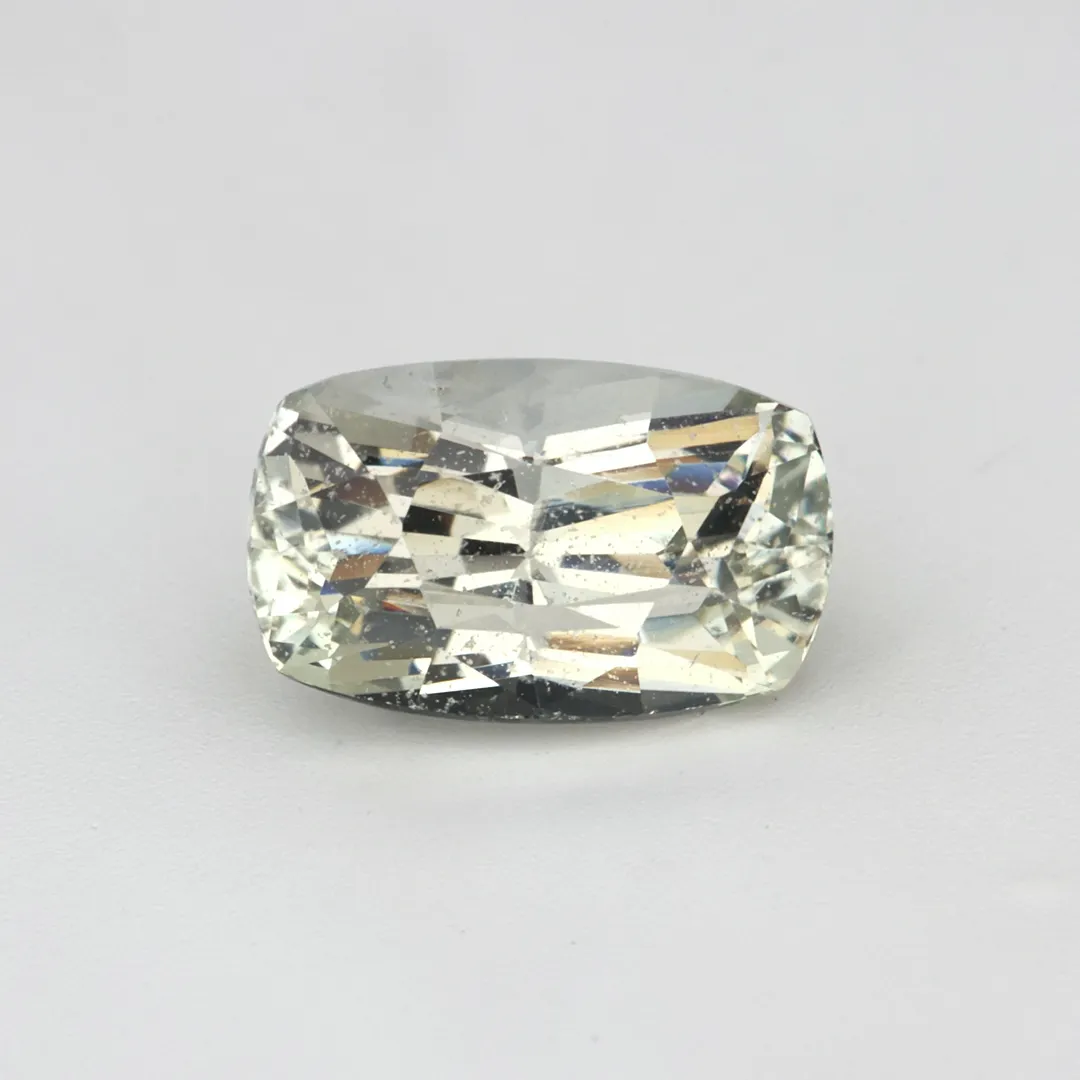
The same gravels give pink, yellow, white and the occasional teal. Yellow Ceylon sapphire in particular is bought both for jewellery and, in many South Asian families, for tradition.

Unheated stones

Heating is the trade’s normal finish, and a heated Ceylon sapphire is a fine, legitimate stone. An unheated one is scarcer and costs roughly two to five times as much. We sell both and state which is which on every listing, confirmed on the report.

Ceylon spinel

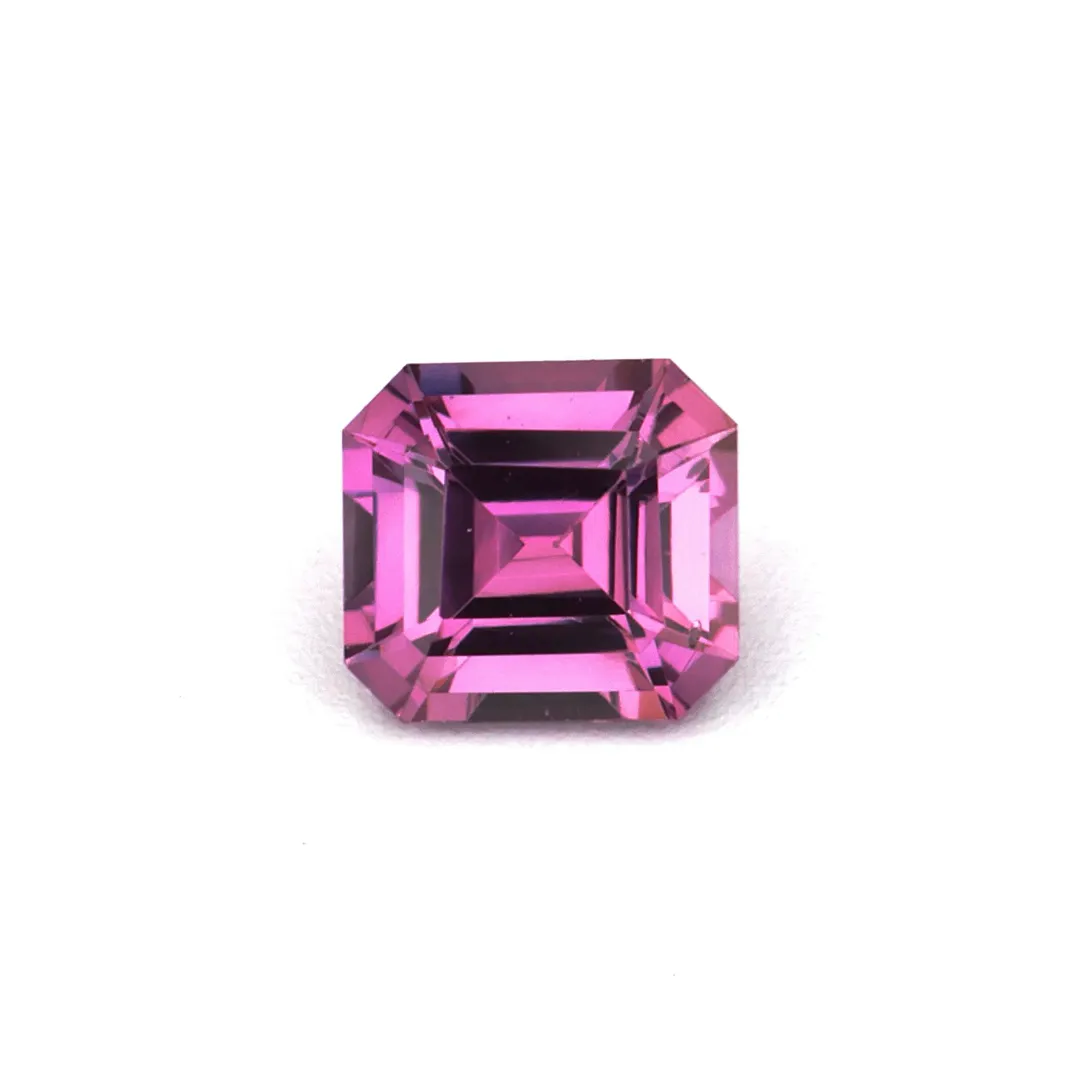
From the same pits as the sapphires: cobalt blue, hot pink, red, lavender and grey. Rarely treated at all, and still quietly undervalued.

Stones sourced to your brief

If nothing listed is right, tell us the colour, carat, cut and budget. We search our network in Sri Lanka and bring back certified options, with no fee and no obligation.

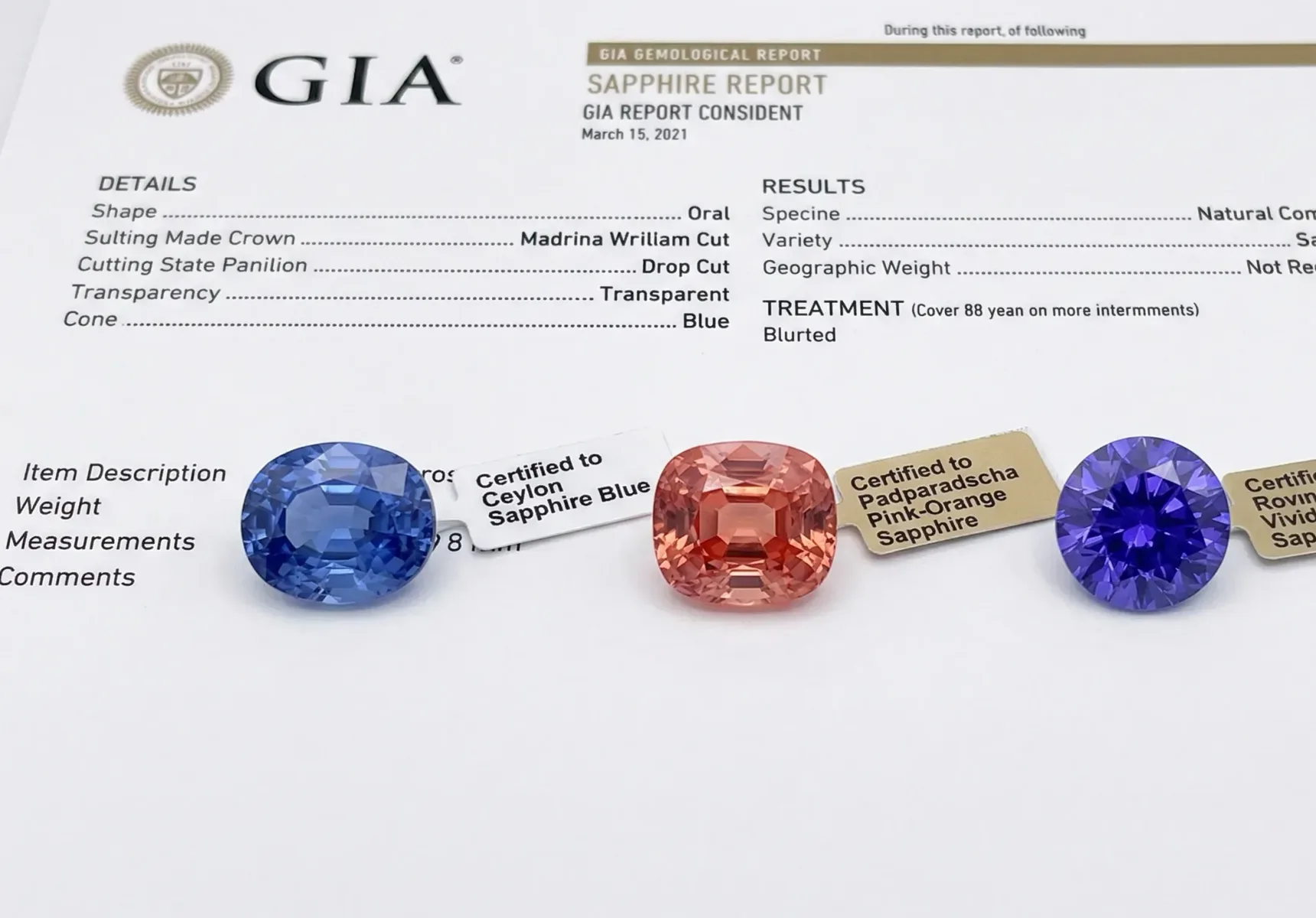
Three certified sapphires, blue, padparadscha and violet, laid on a gemological report with their certification tags

Paperwork

What Arrives in the Parcel

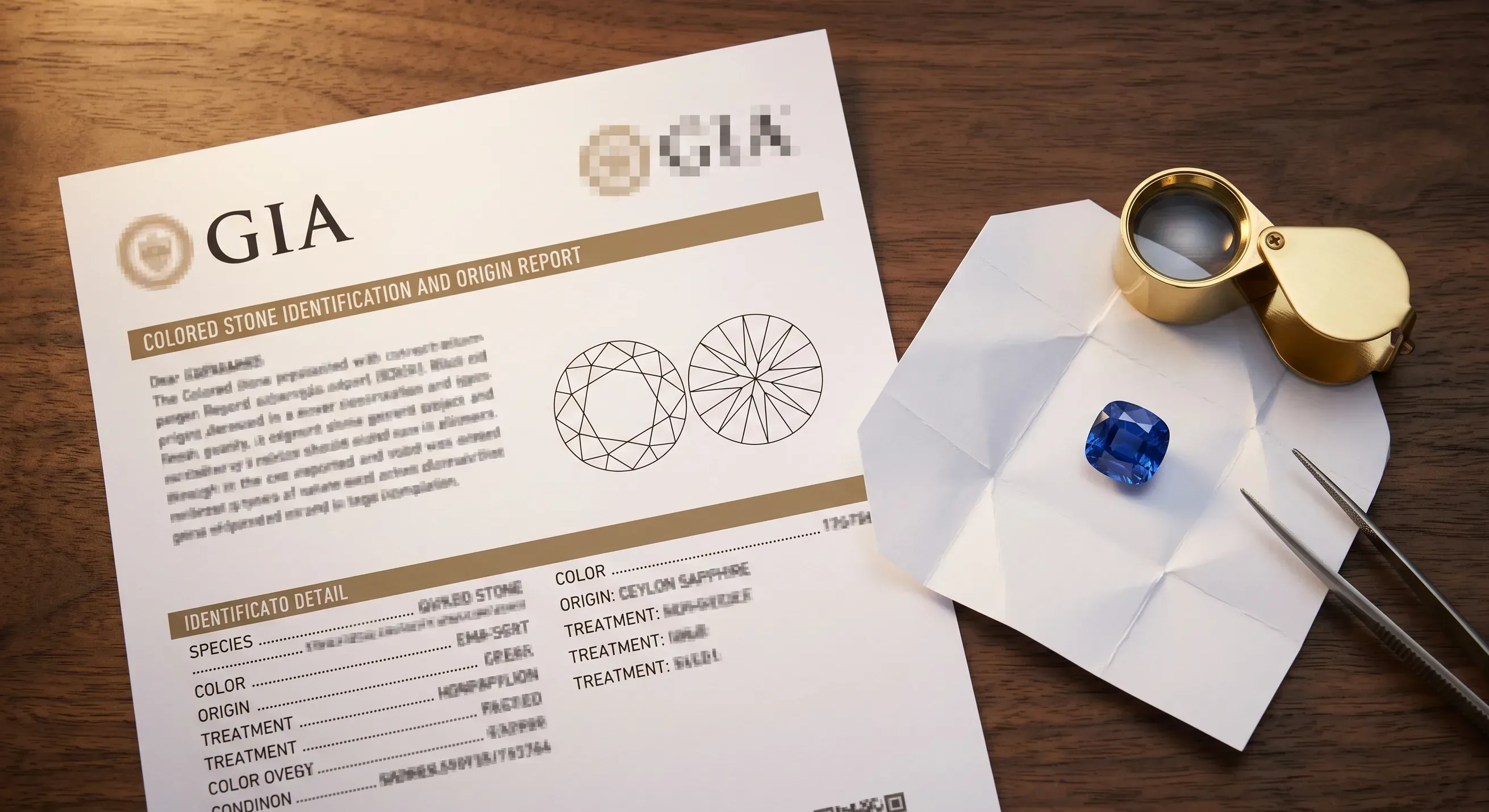
Every stone we sell carries a report from an independent laboratory, TGL (a GIA-alumni laboratory), Guild or GIC, stating what the stone is, whether it has been heated, and where it came from. The report number is published on the listing, so you can check it with the laboratory before you write to us.

Before the parcel leaves Sri Lanka, the National Gem and Jewellery Authority and Sri Lanka Customs inspect the stone and seal it, and the export papers carry your name and address. The original report travels inside the parcel, and the export papers are what your own customs will want to see.

How to read a sapphire certificate →

Delivery and duties

Delivery from Sri Lanka to the United States

Shipping is free, and every parcel is insured and tracked from Colombo to your door. A stone normally arrives seven to ten business days after we dispatch it, so allow about two weeks from confirming the order. Before it leaves, the National Gem and Jewellery Authority and Sri Lanka Customs inspect the stone and seal the parcel, and the original laboratory report travels inside it.

You are the importer. Loose, unset gemstones enter the United States under their own customs heading, and any duty, together with any state sales or use tax, is yours to pay. The duty rules for goods from Sri Lanka have changed more than once recently, so check the current rate with U.S. Customs and Border Protection or a customs broker before you buy. The courier usually collects whatever is due before delivery.

Prices are in US dollars, which keeps things simple for American buyers: the figure on the listing is the figure you pay, by bank transfer or another method we agree with you in writing. We dispatch once the payment has cleared. If the stone is not right when it arrives, tell us within 14 days and send it back insured and tracked for a full refund of the price.

Sri Lanka is nine and a half to ten and a half hours ahead of New York, so your evening is our morning. We reply personally, within two business days.

Why Crestonne

Buying From Sri Lanka, Without the Guesswork

Bought at source

We buy at the pits and markets of Sri Lanka, in person, from the small-scale miners and cutters we know. No middlemen between Ratnapura and your door, so you pay for the sapphire, not its journey.

One grader, one name

The founder picks and grades every stone himself, and rejects far more than ever get listed. If it is on the site, it earned its place.

Insured to your door

Shipping is free. Every parcel is insured and tracked from Colombo until it is in your hands, and the laboratory report travels inside it.

Fourteen days to change your mind

Tell us within 14 days of delivery, from any country, and send the stone back insured and tracked for a full refund of the price. No reason needed.

Questions

Buying From the United States

The practical questions: delivery, duties, payment and what arrives in the parcel. Everything about the stones themselves is answered on the FAQ page.

All questions, answered →

Can I buy a Ceylon sapphire from Sri Lanka and have it shipped to the United States?

Yes. Pick a stone from the collection or send us a brief, and we confirm it is available and settle the details with you personally. It leaves Sri Lanka insured and tracked, with its laboratory report, and reaches any address in the United States in about two weeks.

Do I pay import duty on a loose sapphire entering the United States?

Possibly. You are the importer, so any duty and any state sales or use tax are yours. Loose, unset gemstones have their own customs heading, and the rate for goods from Sri Lanka has changed more than once recently, so check the current figure with U.S. Customs and Border Protection or a broker before you buy. The courier usually collects what is due before delivery.

How long does delivery to the United States take?

Seven to ten business days after dispatch, as a rule, and we dispatch once your payment has cleared and the export inspection in Sri Lanka is done. Allow about two weeks from confirming the order. You get the tracking number as soon as the parcel leaves.

Will an American jeweller or appraiser accept the laboratory report?

The report comes from an independent laboratory, TGL, Guild or GIC, and any gemmologist can read it. The report number is on the listing so it can be checked with the laboratory. If your jeweller or insurer wants a report from a particular American laboratory, have the stone examined after it arrives; the return window runs 14 days from delivery, so book early.

How does a Ceylon sapphire compare with a Montana sapphire?

Montana produces mostly smaller stones in lighter, often greenish or teal blues; Yogo Gulch gives a fine blue but rarely above a carat. A Ceylon sapphire is the classic bright, medium blue, available clean in larger sizes, and it is the origin most engagement-ring buyers mean when they ask for a blue sapphire. Both are natural; they are simply different stones.

How origins compare →

Can I have the stone set by a jeweller in the United States?

Yes, and most buyers do. We sell the loose stone; the listing gives its measurements to a tenth of a millimetre, so your jeweller can plan the setting before it arrives. The journal has a guide to choosing a setting.

Choosing the setting →

Before you buy

Three Guides Worth Reading First

The complete guide →
Ceylon Sapphire Price Per Carat: A Realistic 2026 Guide

Buying Guides14 min read

Ceylon Sapphire Price Per Carat: A Realistic 2026 Guide

Ceylon sapphire prices span a wide range in 2026. Here is the realistic price per carat by size, treatment, and certification, plus the red flags that signal a stone is priced too low to be genuine.

How to Read a GIA Sapphire Certificate (With Examples)

Understanding9 min read

How to Read a GIA Sapphire Certificate (With Examples)

A GIA sapphire report confirms what a stone is, how it has been treated, and in many cases where it came from. Here is a field-by-field walkthrough, plus the red flags to watch for when a report arrives with a stone.

Looking for a Particular Stone?

Tell us the colour, carat and budget, and where in the United States it is going. We search our network in Sri Lanka and bring you certified options, with no obligation to buy.

Request a Custom Stone

First Look at New Ceylon Sapphires

New stones and guides, straight from the source. Written rarely, and only when there is something worth saying.

Unsubscribe at any time. Read our privacy policy.