Buying Guides
Best Sapphire Cuts & Shapes for Engagement Rings
Oval and cushion lead 2026 demand, but the best sapphire cut is the one that shows your stone's colour at its best. A shape-by-shape guide to face-up size, colour retention, price, and the difference between a native cut and a precision recut.
Published Updated 10 min read
By Naseef AR
The best sapphire cuts for engagement rings are the oval and the cushion, with emerald cut, round, and radiant close behind. Oval and cushion lead 2026 demand because they hold colour beautifully, look large for their weight, and flatter almost every hand. The real point, though, is that with a coloured stone the cut is judged on colour first and brilliance second, which is the opposite of how you judge a diamond. So the right shape for your ring is not the one with the best light return on paper. It is the one that shows your particular sapphire's colour at its best while giving you the face-up size and durability you want.
Why Does Cut Matter More in a Sapphire Than a Diamond?
With a diamond, cut is an engineering problem. The material is colourless, so the only job is to return as much white light as possible, and there are mathematically ideal angles that labs grade against. Hit the proportions and the stone sparkles. Miss them and it goes dull.
A sapphire is a colour problem instead. The cutter is not chasing maximum sparkle; they are managing the way the stone holds and shows its colour. Two things drive the decision. The first is windowing, the pale, see-through patch you get in the centre when the pavilion is cut too shallow and light passes straight through instead of bouncing colour back at you. The second is extinction, the dark, lifeless patches you get when it is cut too deep. A good sapphire cut threads between the two so the colour reads even and saturated from edge to edge.
There is a third factor that has no diamond equivalent: pleochroism. Sapphire shows different colours along different crystal axes, so the same piece of rough can look greyish-blue one way and a clean royal blue the other. Orienting the table toward the best axis is half the cutter's job, and it is invisible in the finished stone unless you know to look for it. This is why a slightly asymmetric sapphire cut that keeps colour even will beat a textbook-symmetrical one that washes out in the middle. The good news is that shape barely affects durability. At Mohs 9 with no cleavage plane, a Ceylon sapphire survives any cut, so you get to choose on looks and colour rather than fear.
Which Sapphire Cuts Are Best for Engagement Rings?
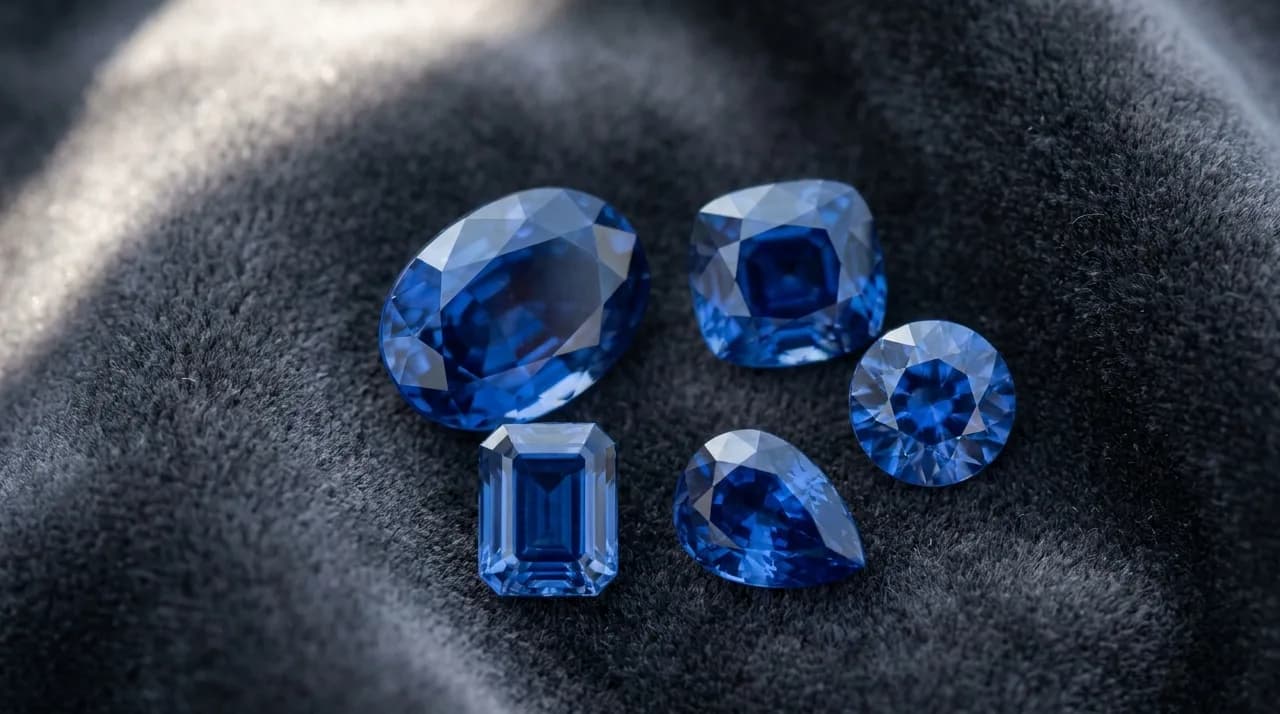
Think of this as a quick sapphire shapes guide, ranked roughly by how often they work well as a coloured centre stone. Each shape trades colour retention, face-up size, and price differently.
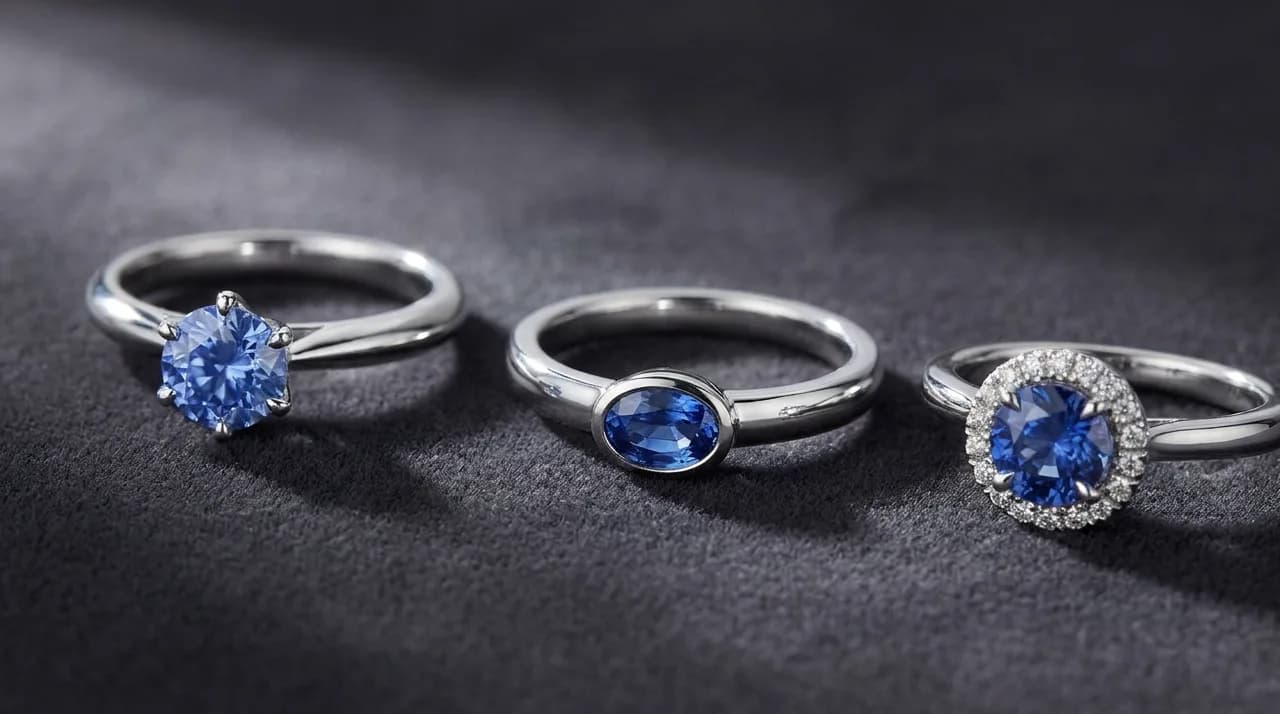
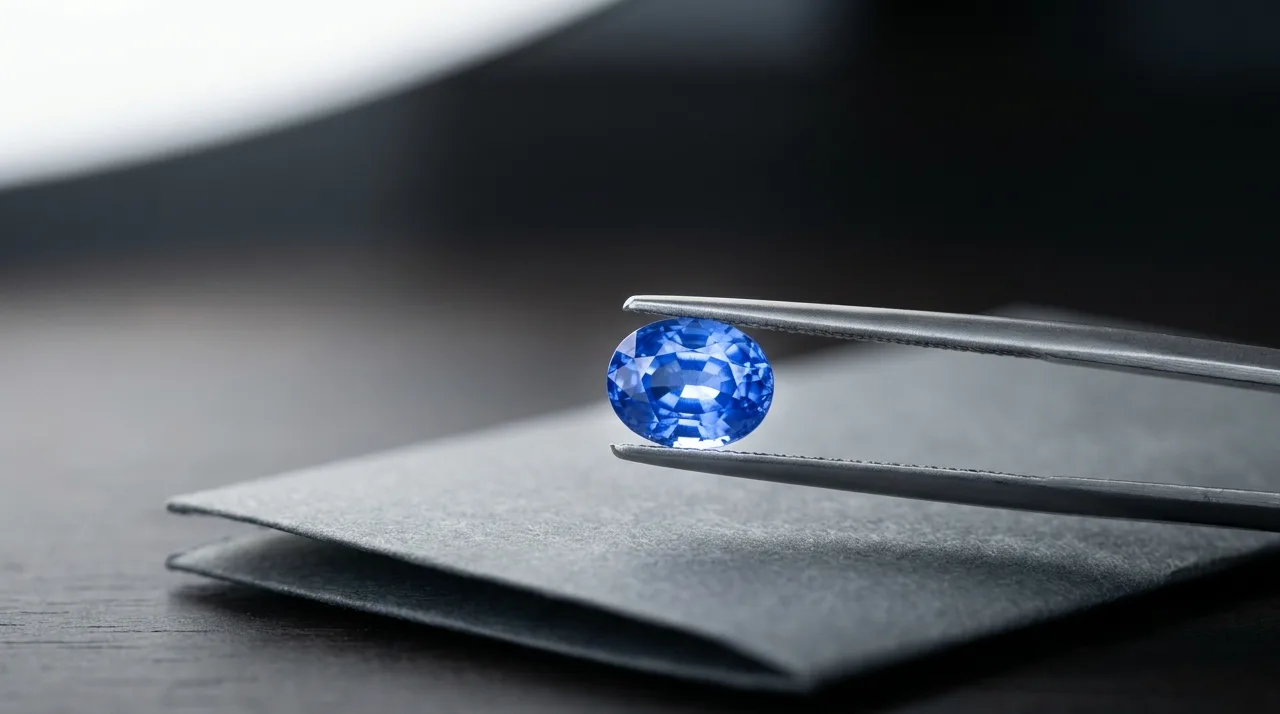
Oval. The most-requested shape for a sapphire engagement ring, and for good reason. The elongated outline flatters the finger, the brilliant faceting keeps the stone lively, and an oval reads larger face-up than a round of the same weight. It also hides colour zoning well. Moderate price, broad appeal, hard to get wrong.
Cushion. A rounded square or rounded rectangle with a soft, vintage character. The deeper pavilion on a classic cushion concentrates colour, which makes it the smart pick for a lighter or pastel stone that needs a little help looking saturated. It is the traditional shape for old Ceylon blue and still one of the most romantic.
Emerald cut. A rectangular step cut with an open table and long, straight facets. Instead of sparkle you get broad flashes of colour, a calm, architectural look that has become a named 2026 favourite. An emerald cut sapphire demands cleaner material because the open table shows everything, so a clean unheated stone is where it earns its keep. It can read slightly smaller than an oval of equal weight.
Round. Maximum brilliance and perfect symmetry, but the most expensive choice per carat, because cutting a round from sapphire rough wastes the most weight. Colour is less concentrated than in a cushion. Choose it if you want a classic, lively centre and the stone has colour to spare.
Radiant. Brilliant faceting inside a rectangular or square outline. It is lively, modern, and forgiving of small inclusions, a good middle ground between the sparkle of a round and the shape of an emerald cut.
Pear and marquise. Elongated and dramatic, both lengthen the finger and look striking set east-west. Watch for the bow-tie, a dark band across the middle of a poorly cut pear or marquise. A well-cut one avoids it.
Oval vs Cushion Sapphire: The Two That Matter Most
Most buyers end up choosing between these two, so it is worth slowing down on the oval vs cushion sapphire question. They look similar in a thumbnail and behave quite differently in the hand.
An oval is shallower and brilliant-faceted. It spreads its weight across a wider face, so it reads largest per carat of any shape on this list, and its lively faceting brightens a deeply saturated or slightly inky blue that might otherwise look heavy. It feels modern-classic and elongates the finger.
A cushion is deeper and rounder, and that depth concentrates colour. On a pale or pastel sapphire, a cushion will pull the colour together and make the stone look richer than the same material cut as an oval. It feels softer and more vintage.
The practical rule is simple. If your sapphire is on the lighter side, lean cushion to deepen it. If it is very dark or inky, lean oval to open it up and let light in. Face-up size goes to the oval; character and colour concentration go to the cushion; price is roughly even between them. There is no wrong answer here, only a better fit for your specific stone.
Native Cut vs Precision Cut: What You're Actually Paying For
Once you have a shape in mind, there is a second decision hiding underneath it: how the stone was cut, and by whom.
A native cut is faceted in Sri Lanka to retain weight and colour. The cutter, working from rough they often saw come out of the ground, prioritises carats and face-up colour over symmetry. That can mean a deep or lopsided belly, an off-centre culet, and occasionally a small window. It also means you keep more of the original crystal, so a native-cut stone gives you more carat and more colour for your money. The trade-off is that the make is not always tidy, and a very deep belly can be awkward to set.
A precision cut, usually a Western recut, re-facets the stone to ideal angles for perfect symmetry and maximum brilliance. It looks immaculate and sparkles harder, but it sacrifices 15 to 40 percent of the weight to get there, which is why precision stones cost noticeably more per carat. You are paying for the make and for the weight that ended up as polishing dust.
Neither is "better." The sweet spot is a skilled native cut from a Beruwala or Ratnapura lapidary who balances weight against beauty by eye, which is exactly the tradition we cover in why Sri Lankan gem cutters are still the best in the world. A good Sri Lankan cut keeps the colour and the weight without the windowing, and that is what we look for before a stone ever reaches a listing.
When Does Recutting a Sapphire Make Sense?
Recutting is worth raising because it quietly fixes a lot of stones that look like bad buys. If a sapphire has lovely colour but windows in the centre, sits on a belly too deep to set cleanly, or has an off-centre culet that throws the colour off balance, a careful recut can transform it. You lose weight, but you gain a stone that finally shows what its colour was always capable of.
It is not always the right call. A well-cut stone should be left alone, and recutting a small stone rarely pays for itself. But on a larger, colour-rich sapphire with a poor make, the maths often works: the jump in beauty more than justifies the lost carats. When a promising stone comes to us with a flawed cut, we will sometimes send it back to a cutter before listing rather than pass a windowed centre on to a buyer. The colour was the reason we wanted it; the make is fixable.
How a Sri Lankan Cutter Decides a Rough's Fate
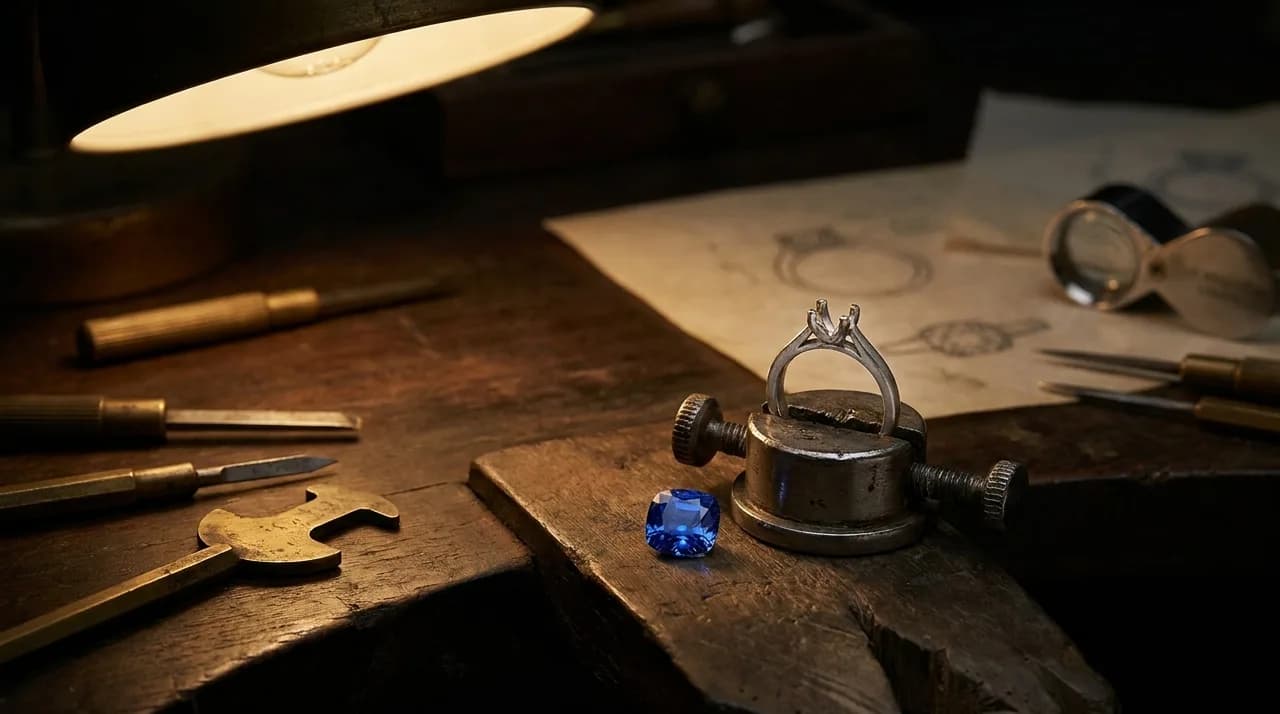
Last year I watched a cutter in Ratnapura spend the better part of an hour just looking at a single piece of blue rough before he touched a wheel. It was a stubby, slightly tabular crystal, and the obvious move was an oval, which would have given the biggest face-up stone. He held it to the window light, turned it slowly, and showed me why he wasn't going to. The best, most even blue sat in the deeper part of the crystal, and the top inch was greyish and slightly included. An oval would have spread the table across the grey. A cushion, cut a touch deeper, would sink the table into the good blue and hide the included zone in the pavilion where no one looks.
He cut the cushion. It came back nearly half a carat heavier than my oval idea would have allowed, with a saturated, even colour that an oval would have washed out. That is the whole craft in one decision: the rough tells the cutter what shape it wants to be, and a good cutter listens. The shape on the certificate is the last step in a much longer conversation between the stone and the person reading it.
How to Choose the Right Cut for Your Ring
Work through it in this order and the answer usually appears on its own.
Start with the stone's colour. A pale or pastel sapphire wants a deeper shape that concentrates colour, so think cushion, emerald cut, or radiant. A very saturated or dark stone wants a livelier, shallower shape that opens it up, so think oval or round.
Then weigh face-up size against character. If you want the biggest look for your carat, oval and pear spread the widest. If you want presence with a vintage feel, cushion and emerald cut deliver it in a slightly smaller footprint.
Then think about the setting. Elongated cuts like oval, emerald, marquise, and pear look wonderful set east-west or in a three-stone design, which is one reason those settings are trending; our sapphire ring settings guide covers which mounts flatter which shapes. If you are still deciding colour, carat, and budget before you reach the cut, start with the blue sapphire engagement ring buying guide, and the Ceylon sapphire price per carat guide explains how cut and weight interact with price.
The strongest move is to choose the stone before the ring, so you can judge the cut, the colour, and the face-up size in your own hand rather than in someone else's photograph. Tell us the colour and shape you have in mind and we will source the stone to match through our custom sourcing service, or browse the certified sapphires in our collection to find the cut your ring will be built around.
Common questions
Frequently Asked Questions
What is the best cut for a sapphire engagement ring?
Oval and cushion are the two most popular and most forgiving cuts for a sapphire engagement ring, which is why they lead 2026 demand. Oval reads large for its weight, elongates the finger, and stays lively; cushion is deeper and rounder and concentrates colour, so it flatters a slightly paler stone. Emerald cut, round, and radiant are strong alternatives. The honest answer is that there is no single best cut, only the cut that shows your particular sapphire's colour at its best while giving you the face-up size and durability you want. Unlike a diamond, a sapphire is judged on colour first and brilliance second.
Is an oval or cushion sapphire better for an engagement ring?
It depends on your stone's colour. In the oval vs cushion sapphire decision, an oval's shallower, brilliant-faceted spread reads largest per carat and brightens a deeply saturated or inky blue, while a cushion's deeper pavilion and rounded outline concentrate colour and deepen a lighter, pastel stone. Oval looks modern-classic and elongates the finger; cushion looks vintage and soft. If your sapphire is on the pale side, lean cushion. If it is very dark, lean oval. Both wear beautifully and cost roughly the same per carat.
What is an emerald cut sapphire and is it good for an engagement ring?
An emerald cut sapphire is a rectangular step cut with an open table and long, straight facets that produce broad flashes of colour rather than diamond-style sparkle. It looks architectural and elegant and is a named 2026 favourite. The trade-off is that the open table shows everything, so it demands cleaner material than a brilliant cut, and a clean unheated Ceylon stone is where it shines. It can also read slightly smaller face-up than an oval of the same weight, so buy a touch larger if size matters to you.
Does the cut affect a sapphire's price?
Yes, in two ways. First, brilliant rounds and precise recuts cost more per carat because they sacrifice more weight from the rough to hit ideal angles, while native cuts retain more weight and cost less. Second, cut quality changes how much colour the stone shows face-up, and colour is the single biggest driver of a sapphire's value. A well-cut stone with even, saturated colour and no window can be worth far more than a poorly cut stone of the same weight and origin. Cut is where weight, colour, and price all meet.
What is the difference between a native cut and a precision cut sapphire?
A native cut is faceted in Sri Lanka to retain maximum weight and colour, often with a deep or asymmetric pavilion and an off-centre culet, because the cutter prioritises carats and face-up colour over textbook symmetry. A precision cut, usually a Western recut, re-facets the stone to ideal angles for perfect symmetry and maximum brilliance, at the cost of 15 to 40 percent of the weight. Native cuts give you more stone for the money but can window; precision cuts give you more sparkle in a smaller, pricier stone. A skilled Beruwala or Ratnapura cutter often lands between the two.