Specialty Stones
Alexandrite: Ceylon vs Russian & the 1 Carat Question
Russian alexandrite built the reputation, but Sri Lankan chrysoberyl now carries much of the market. Here is how the two compare, and why a full carat is the number that matters.
8 min read
By Naseef AR
Russian alexandrites are the reference point every dealer measures against. Almost none reach the market anymore. The historic Ural Mountain deposits that made the stone famous were largely worked out more than a century ago, so what circulates today is mostly antique material or the newer finds out of Sri Lanka, Brazil and East Africa. For a buyer weighing colour-change quality against what is actually available, Ceylon chrysoberyl is where the serious conversation happens. It shows a real shift from green in daylight to red or purplish-red under incandescent light, it comes with clean provenance, and it can be bought in sizes Russian goods rarely offer. The one carat mark is where all of this comes into focus.
What is alexandrite and why is it so rare?
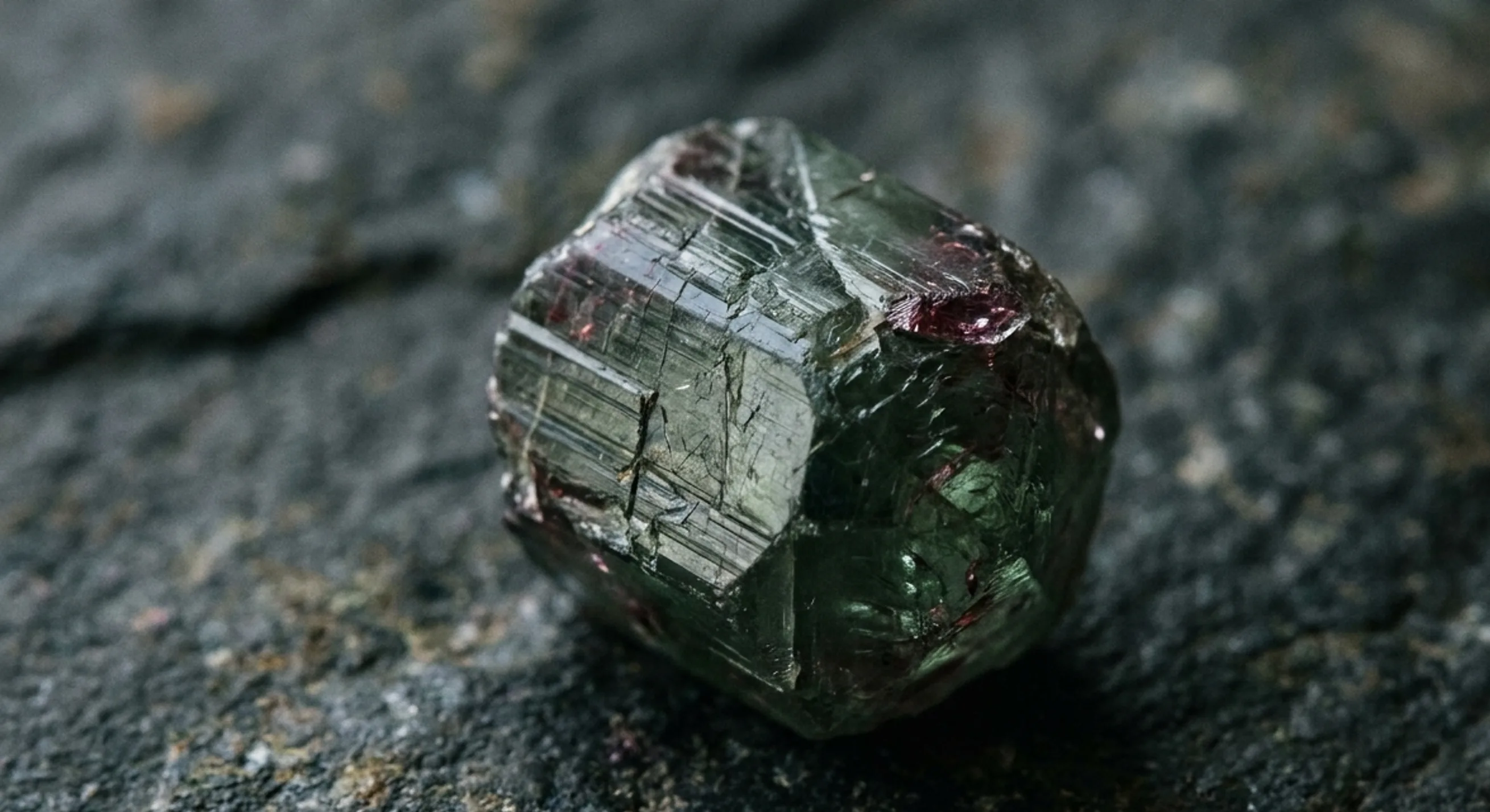
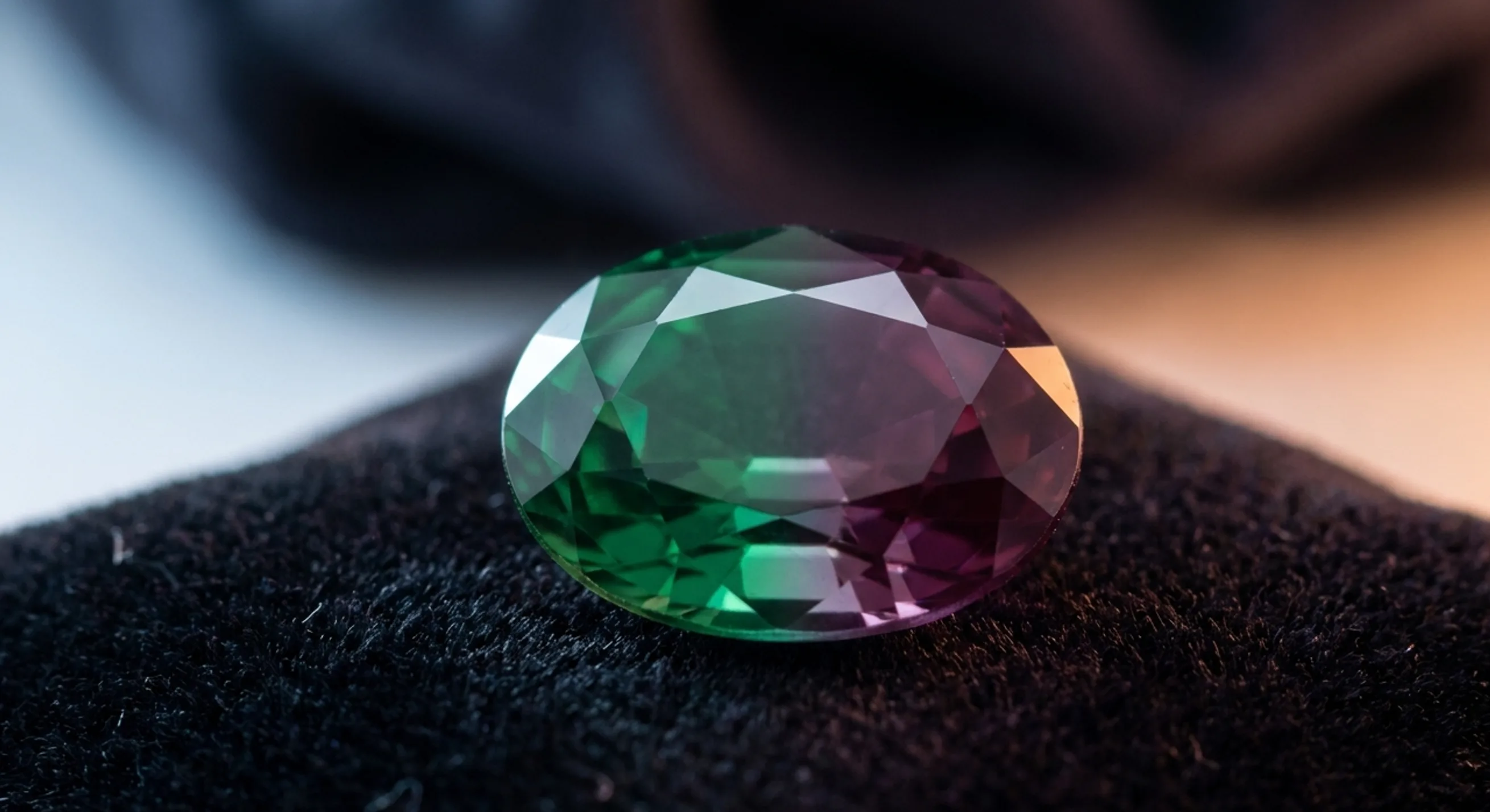
Alexandrite is the colour-change variety of chrysoberyl, the same mineral behind the more familiar honey-toned cat's eye stones. It sits at Mohs 8.5, hard enough for daily wear in a ring, and it owes its personality to trace chromium. That chromium is what makes the stone flip colour depending on the light source. In daylight or fluorescent light it reads green to bluish-green. Under a lamp or candlelight it turns raspberry red, purple or brownish-red. Gemmologists call this the alexandrite effect, and getting chromium into the right concentration is a demanding thing for nature to pull off, which is a large part of why fine alexandrite is scarcer than fine ruby or sapphire.
For the wider picture on the mineral group, chrysoberyl, alexandrite's mineral family covers how the cat's eye and colour-change forms relate.
What is the difference between Russian and Ceylon alexandrite?
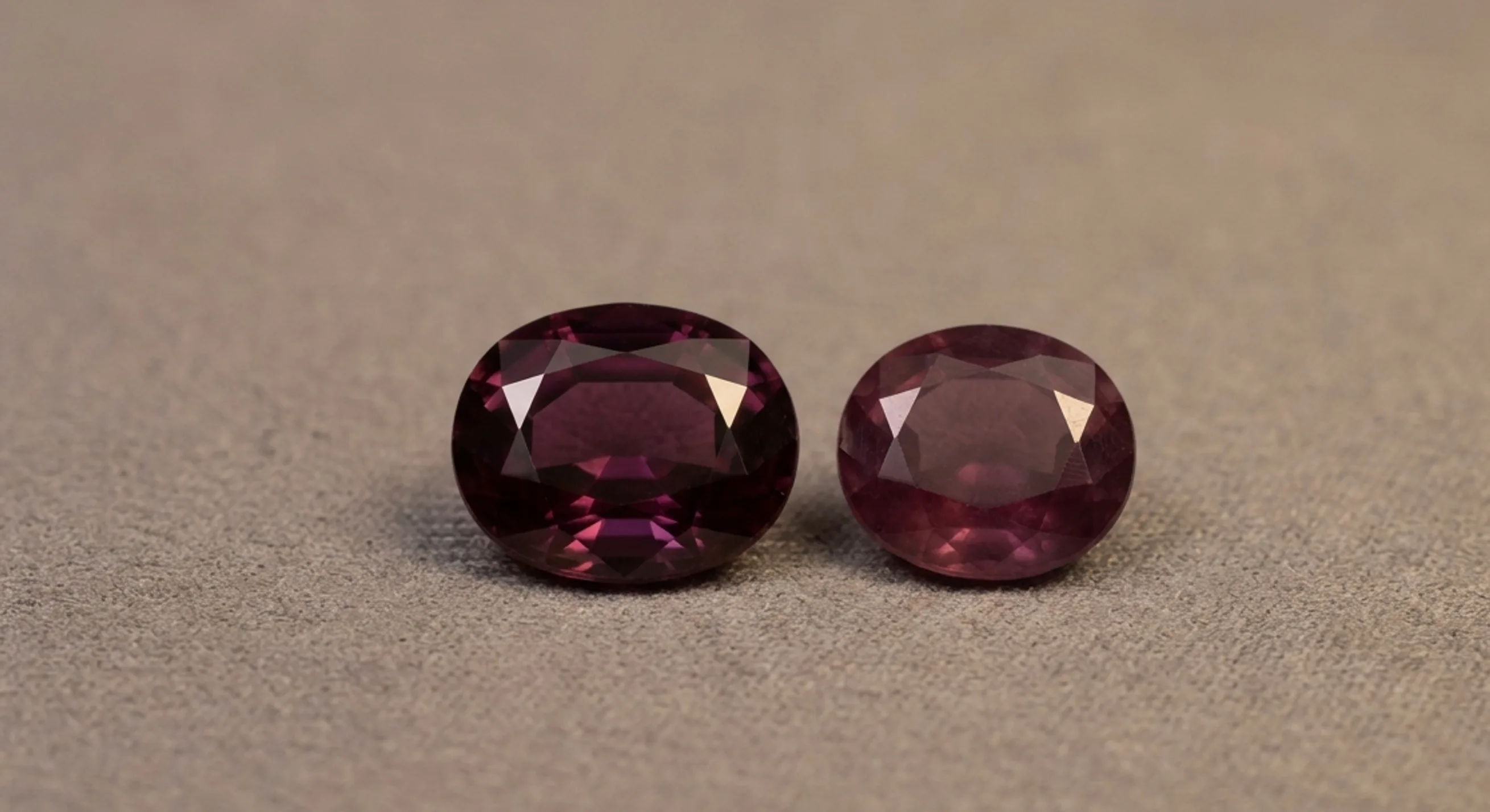
The distinction is partly geological and partly reputational. Russian stones from the Urals are prized for a crisp, saturated green-to-red change, and their tie to imperial Russia gave them a mystique nothing else quite matches. The catch is supply. The classic mines are effectively finished, so genuine Russian goods are collector antiques and command collector premiums when they surface at all.
Ceylon alexandrite sits a little differently on the colour wheel. The daylight colour often leans bluish or yellowish green, and the incandescent colour toward purplish-red rather than a pure Ural red. In the best Sri Lankan stones the change is strong and unambiguous. In more common material it reads as a softer shift, which the trade grades as a partial or moderate change. Ceylon carries three practical advantages: the stones are being mined now, they arrive with transparent provenance, and larger clean crystals turn up more often than they do in Russian production. That combination is why so much of the fine colour-change alexandrite Crestonne represents comes out of Sri Lankan chrysoberyl.
Is Russian alexandrite better than Sri Lankan?
Better is the wrong frame. Russian material holds the top of the market on rarity and historical value, and a documented antique Ural stone will always carry a premium tied to its origin story. But origin alone does not make a stone perform. Colour-change strength, the cleanliness of both colours, clarity and cut all matter more to how a stone actually looks on the hand.
A well-chosen Ceylon stone with a strong change can outperform a mediocre Russian one on every visual measure while costing a fraction of what the Ural provenance demands. Buyers chasing the label sometimes overpay for a weak change simply because the paperwork says Russia. Crestonne grades on what the stone does under both light sources first, then treats origin as context rather than the headline. That is the honest way to buy colour-change, and it is why examining the actual change beats chasing a country name.
Alexandrite rewards the same collector instinct that draws people to another underrated Ceylon collector's gem: scarcity, character, and a market that has not yet priced in everything.
Why does 1 carat matter for alexandrite?
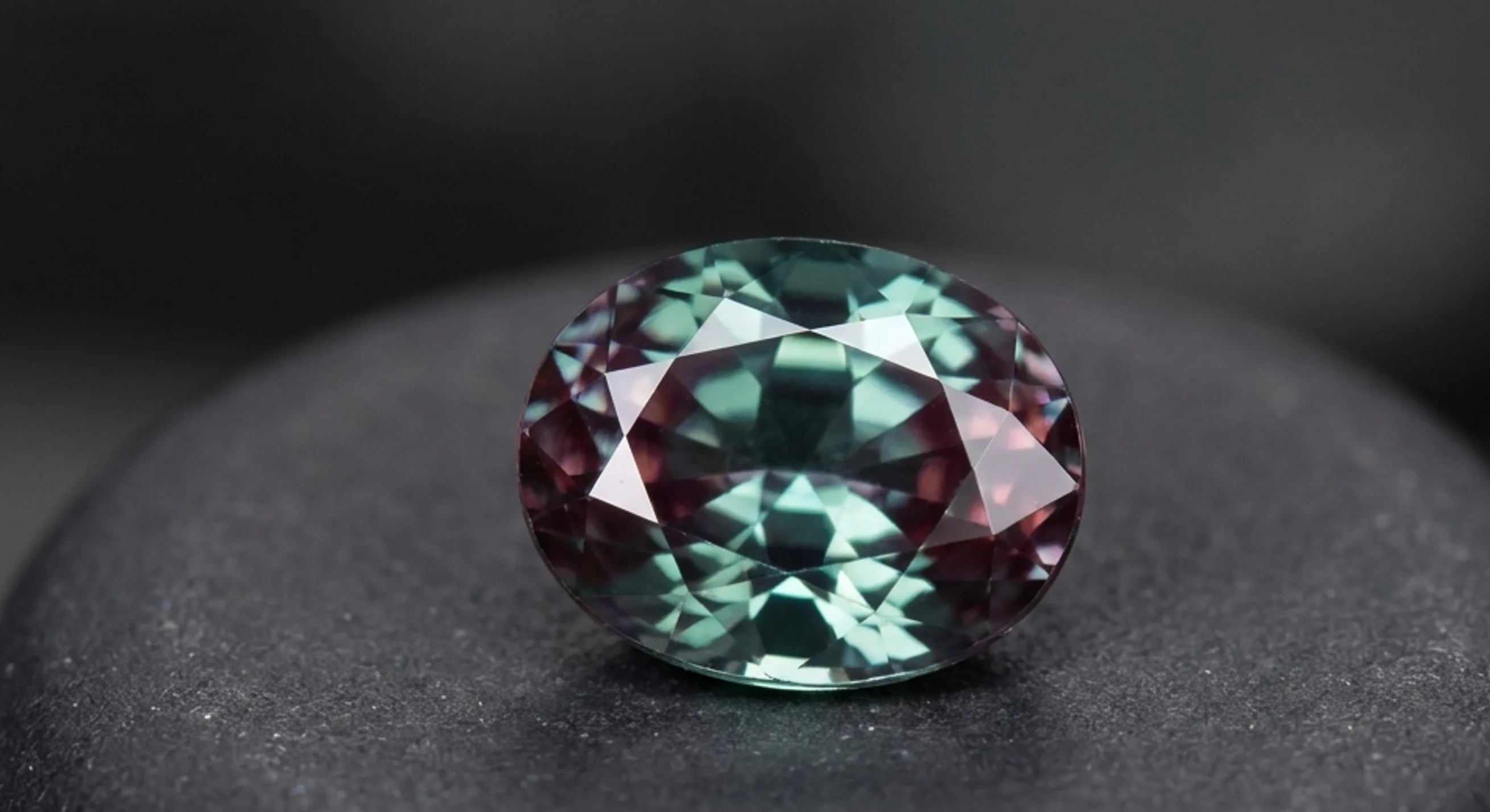
Size is the quiet dividing line in this stone. Alexandrite crystals with good colour and clarity are small far more often than they are large, so a clean stone that crosses a full carat becomes genuinely uncommon. Below that weight the market is relatively deep. Above it, availability drops sharply and price per carat climbs faster than it does in most other gems.
That is why the 1 carat alexandrite is treated as a threshold rather than just a size. A well-cut, strongly changing 1 carat alexandrite is a serious stone, not an entry piece, and it reads on the hand as a real centre gem. Buyers who want an alexandrite 1 carat and up should expect to wait for the right one rather than pick from a tray, because faceted goods at that size with a genuine change are simply not sitting in volume anywhere. The step from a fraction of a carat to a full carat is not linear on price, and it is not linear on scarcity either.
How much is a 1 carat alexandrite worth?
Alexandrite is one of the most expensive coloured stones by weight, and colour-change strength is the single biggest driver of value. A stone with a dramatic, complete shift between a clean green and a clean red sits at the top. A partial or muted change sits well below it, even at the same size.
Precise per-carat figures move constantly and depend heavily on origin, so ranges are more useful than a single number. Fine alexandrite in the 1 carat class often trades at several thousand dollars per carat and can run considerably higher for top colour-change and clean clarity. Documented Russian antique material sits above that again, carrying a provenance premium. Ceylon stones offer the strongest value proposition: comparable visual performance at a more reasonable multiple, with current-production provenance you can actually verify. In practice, a Sri Lankan stone frequently delivers more visible colour change per dollar than a certificate-driven Russian purchase.
Are Russian alexandrites ever treated or heat treated?
Alexandrite is one of the few premium coloured stones that is typically sold untreated. With sapphire and ruby, heat treatment is the legitimate, expected industry norm that makes fine colour widely accessible. Alexandrite rarely responds to heat in a commercially useful way, so the vast majority of stones reach the market in their natural state. That is part of its appeal. What you see under both light sources is what the earth produced.
The real caution with this stone is not treatment but synthesis. Lab-grown alexandrite has existed for decades, and some synthetics show a change so vivid it actually looks too good. This is where a reputable lab report earns its cost. Independent certification from a respected laboratory confirms both natural origin and, where relevant, geographic origin. Every colour-change stone Crestonne handles is assessed on that basis, so a buyer is never relying on a photograph alone. Colour change is notoriously hard to capture in an image, which is exactly why the trade leans on lab documentation and on describing the daylight and incandescent colours honestly rather than flattering a stone with lighting tricks.
How do you tell natural alexandrite from synthetic?
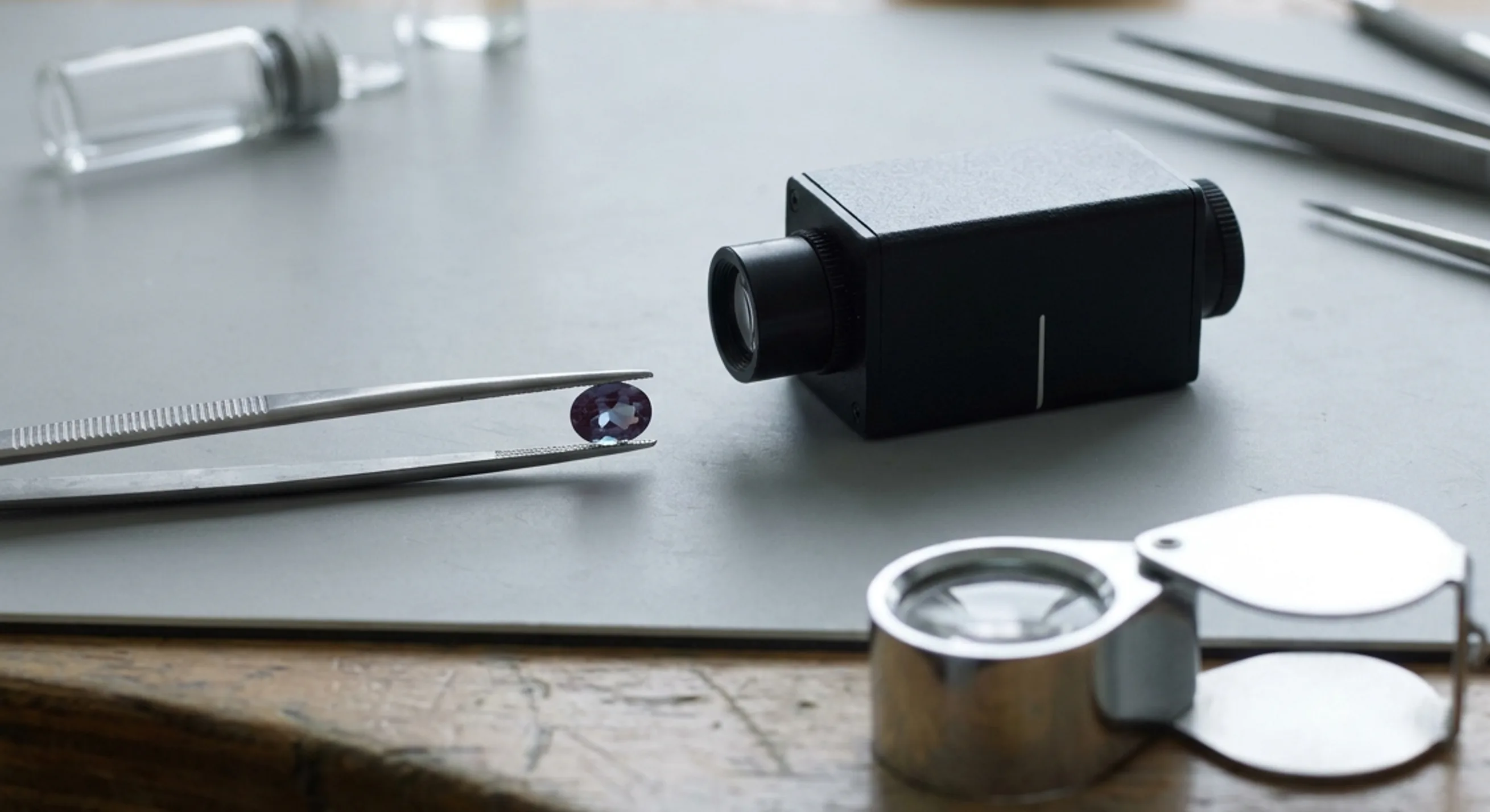
The reliable answer is a laboratory, not the naked eye. Trained gemmologists look at inclusions, the specific nature of the colour change, and spectroscopic signatures that separate natural chrysoberyl from flux-grown or Czochralski-pulled synthetics. Many older synthetics were actually colour-change corundum or spinel sold under the alexandrite name, so the term itself has a history of being applied loosely. A modern report from an established lab settles the question of natural versus synthetic and, for high-value stones, addresses origin as well.
For a private buyer, the takeaway is simple. Judge the stone on the strength and cleanliness of its colour change, insist on independent certification for anything at or above the 1 carat class, and treat any stone with a suspiciously perfect change and a suspiciously low price with scepticism. That discipline is what separates a lasting purchase from an expensive mistake.
Choosing between Ceylon and Russian
For most collectors the decision comes down to what they are actually buying. If the goal is a documented piece of gemmological history and budget is secondary, antique Russian material is the only route. If the goal is a stone that performs, that can be sourced now, and that offers real value at a meaningful size, Ceylon chrysoberyl is the stronger answer. It delivers a genuine colour change, verifiable current provenance, and a better chance of finding a clean stone above a full carat.
To discuss sourcing a specific colour-change alexandrite, from a modest accent stone to a certified 1 carat centre, start a loose stone custom order and Crestonne will work to the colour, size and budget that fit.
Common questions
Frequently Asked Questions
Are Russian alexandrites still mined today?
Not in any meaningful quantity. The historic Ural Mountain deposits that made Russian alexandrite famous were largely exhausted over a century ago, so genuine Russian material now circulates mainly as antique stones. Most alexandrite available today comes from Sri Lanka, Brazil and East Africa.
Is a 1 carat alexandrite considered large?
For alexandrite, yes. Clean stones with a strong colour change are usually small, so a well-cut alexandrite 1 carat and up is genuinely uncommon and reads as a serious centre stone. Availability drops sharply above a full carat, and price per carat climbs faster than in most other gems.
Why is a 1 carat alexandrite so expensive?
Alexandrite is scarce because it needs trace chromium in a narrow concentration to produce its colour change, and clean crystals at a full carat are rare. Fine 1 carat alexandrite often trades at several thousand dollars per carat and higher for top colour change, with documented Russian material carrying an additional provenance premium.
Is Ceylon alexandrite as good as Russian?
It can be. Russian stones hold the top of the market on rarity and history, but colour-change strength, clarity and cut matter more to how a stone looks. A strong Ceylon stone can outperform a mediocre Russian one visually while costing far less, with verifiable current-production provenance.
Is alexandrite heat treated like sapphire?
Rarely. Unlike sapphire, where heat treatment is the accepted industry norm, alexandrite does not respond usefully to heat and is typically sold untreated. The main concern with alexandrite is distinguishing natural stones from lab-grown synthetics, which is why independent certification matters.