Specialty Stones
Cat's Eye Chrysoberyl from Sri Lanka: A 2026 Buyer's Guide
Ceylon cat's eye chrysoberyl is the international benchmark for chatoyancy. Here is how the eye forms, what separates a top stone from a commercial one, and what Sri Lankan material is really worth.
Published Updated 8 min read
By Naseef AR
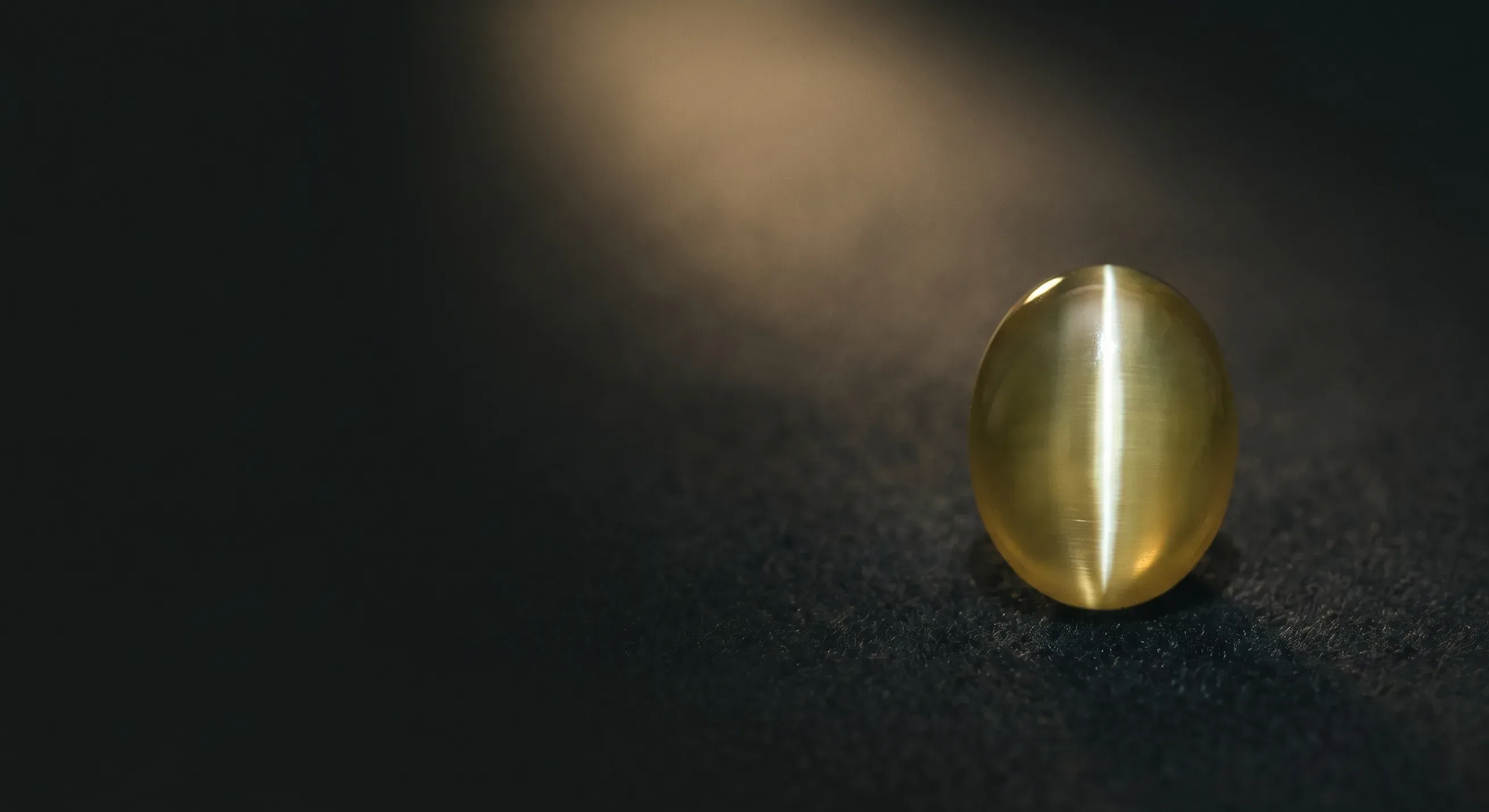
Cat's eye chrysoberyl is the gemstone most people picture when they hear "cat's eye," and Sri Lanka is the source responsible for that association. Ceylon cat's eye chrysoberyl, formally called cymophane, produces the sharpest and most tightly focused eye of any chatoyant stone on earth. The finest examples come from the alluvial deposits around Ratnapura and Balangoda, and they have set the trade's quality benchmark for more than a century.
This guide covers what chrysoberyl is, what causes chatoyancy, why Sri Lankan stones lead the market, how to grade quality, and what Ceylon cat's eye value looks like in 2026.
What Is Cat's Eye Chrysoberyl?
Chrysoberyl is a beryllium aluminum oxide. It sits at Mohs 8.5, one full step below sapphire but well above quartz, which makes it one of the hardest natural gem materials in regular use. It is entirely unrelated to the beryl family (emerald, aquamarine, morganite), despite the similar name. The mineralogy is different, the crystal system is different, and the durability is higher.
Three varieties of chrysoberyl matter in the gem trade:
- Ordinary chrysoberyl, transparent yellow to greenish-yellow, faceted.
- Alexandrite, color-change chrysoberyl that shifts green in daylight to reddish under incandescent light.
- Cat's eye chrysoberyl (cymophane), the chatoyant variety cut as a cabochon, which is what this guide covers.
The name cymophane comes from the Greek for "waving light." When jewellers say "cat's eye" with no qualifier, they mean chrysoberyl. Other stones can show chatoyancy (tourmaline, quartz, moonstone, aquamarine), but chrysoberyl is the gem that earned the name.
What Causes Chatoyancy?
Chatoyancy is the optical effect that produces the moving line of light across the dome of a cabochon. It requires three conditions to exist inside the stone:
- Dense, parallel inclusions. Usually fine needle-like channels or silk, all aligned in the same direction.
- A high-dome cabochon cut, oriented correctly. The inclusions must run perpendicular to the long axis of the cab.
- A strong direct light source. The eye sharpens under a single point light and diffuses under soft lighting.
When light hits the stone, it reflects off the aligned inclusions and returns as one concentrated band. Tilt the stone and the band slides across the dome. In the best examples, the band is narrow, sharply defined, and perfectly centred. This is the same optical principle as a star sapphire, except the needles in chrysoberyl run in a single direction rather than three, so the result is one line rather than a six-rayed star. For the star version, see our guide to star sapphires from Sri Lanka.
Why Sri Lankan Cat's Eye Sets the Standard
Ceylon cat's eye chrysoberyl is the industry reference for three measurable reasons, not romantic ones.
Inclusion density. The needle silk in Sri Lankan material is unusually fine and unusually dense. Fine needles plus tight alignment produce a sharp eye. Coarser needles, common in Brazilian and Indian material, produce a wider, softer band.
Body colour. The most prized Ceylon stones show a honey-gold to greenish-yellow body. Under a strong side light, one half of the stone looks milky white and the other half honey gold, with the eye running cleanly between them. This is the classic "milk and honey" effect, and it is specific to chrysoberyl with the right trace chromium and iron content. Sri Lankan deposits deliver it more consistently than any other source.
Alluvial weathering. The stones come out of river gravels rather than hard rock, so the material is naturally sorted for durability. Weaker stones fracture and wash away over geological time. What reaches the miner has already survived millions of years of tumbling, which means better clarity and fewer hidden fractures at the cabbing stage.
How to Grade a Ceylon Cat's Eye
Four factors drive quality.
Eye sharpness. The single most important factor. A top stone shows a narrow, bright, perfectly straight band that stays crisp as you tilt the cabochon. Commercial material shows a broad, soft band that splits or fades off-centre.
Body colour. Honey-gold, golden-green, and apple-green are the most valuable. Pure yellow is attractive but less distinctive. Brownish or grey-toned stones drop quickly in value. The colour should be saturated without being dark.
Milk and honey behaviour. This is what separates collector-grade from commercial. Under a single light, you want a clean visual split between milky and honey tones on either side of the eye. Not every fine stone shows it, but the ones that do command a significant premium.
Clarity and cut. Eye-clean bodies are rare in cymophane because the same needle silk that produces the eye also limits transparency. What you want is enough silk to make the eye sharp without visible inclusions breaking the cab surface. A well-proportioned oval dome with the eye centred down the long axis is standard. A tilted or off-centre eye, even in a fine stone, cuts value substantially.
Ceylon Cat's Eye Value in 2026
Ceylon cat's eye chrysoberyl is one of the few gems where price climbs near-exponentially with size and quality. Rough per-carat numbers for 2026:
- Under 2 ct, commercial grade: 200 to 600 dollars per carat. Softer eye, paler body.
- 2 to 5 ct, good quality: 800 to 2,500 per carat. Sharp eye, clear honey or golden-green body.
- 5 to 10 ct, fine with milk and honey: 3,000 to 8,000 per carat.
- 10 ct and above, top quality: 10,000 per carat and up. Genuinely rare, and auction territory.
Chatoyancy quality outweighs everything else. A clean 8 ct stone with a soft, diffuse eye is worth less than a 4 ct stone with a razor-sharp centred eye. This is the opposite of how diamond pricing works and it trips up new buyers regularly.
Certification from GIA or a major Sri Lankan lab (GIC Colombo, CGLab) should confirm species, variety, and treatment status. Unheated is effectively the default for this material, but a report should state it explicitly.
Sourcing: What Happens in Ratnapura
A few years ago I sat in a second-floor office in Ratnapura with a dealer who spread fourteen cat's eye chrysoberyls on a grey cloth, each between 3 and 6 carats. He turned off the ceiling light and used a single desk lamp. Eleven stones showed a perfectly centred, sharp eye. Three did not. He pushed the three aside without a word. Those three would go to a wholesaler in Colombo and sell by weight. The eleven would leave Ratnapura one at a time, to specific buyers who had asked for specific stones. That sorting step, performed by eye and by lamp, is why Ceylon cat's eye still means what it means. The material is the best in the world, but the system that funnels the finest stones to the finest buyers is what keeps the reputation intact.
Red Flags When Buying
- Photos only taken under diffuse studio lighting. A broad eye can look sharp under soft light and collapse under a single bulb. This is a real problem in the trade. At Crestonne we film every chatoyant stone under a single point source so the eye behaviour is visible before you buy, and we publish both the diffuse-light and direct-light footage side by side.
- "Cat's eye" with no species stated. Could be tourmaline, quartz, or fibrolite. Genuine cymophane is always disclosed as chrysoberyl.
- Eye that splits or doubles. Indicates misaligned inclusions or an incorrectly oriented cabochon. A top stone shows one band, full stop.
- Prices that seem low for size. A sharp-eyed 5 ct Ceylon cat's eye at a few hundred dollars per carat is almost certainly a different species being sold with the trade name.
How to Buy One
Decide on budget and carat size, then prioritise eye sharpness above everything else. Request video under direct single-source lighting before committing. Require a lab report naming the species as chrysoberyl and the variety as cat's eye. Compare stones side by side when possible: the difference between a good eye and a great one only becomes obvious in direct comparison.
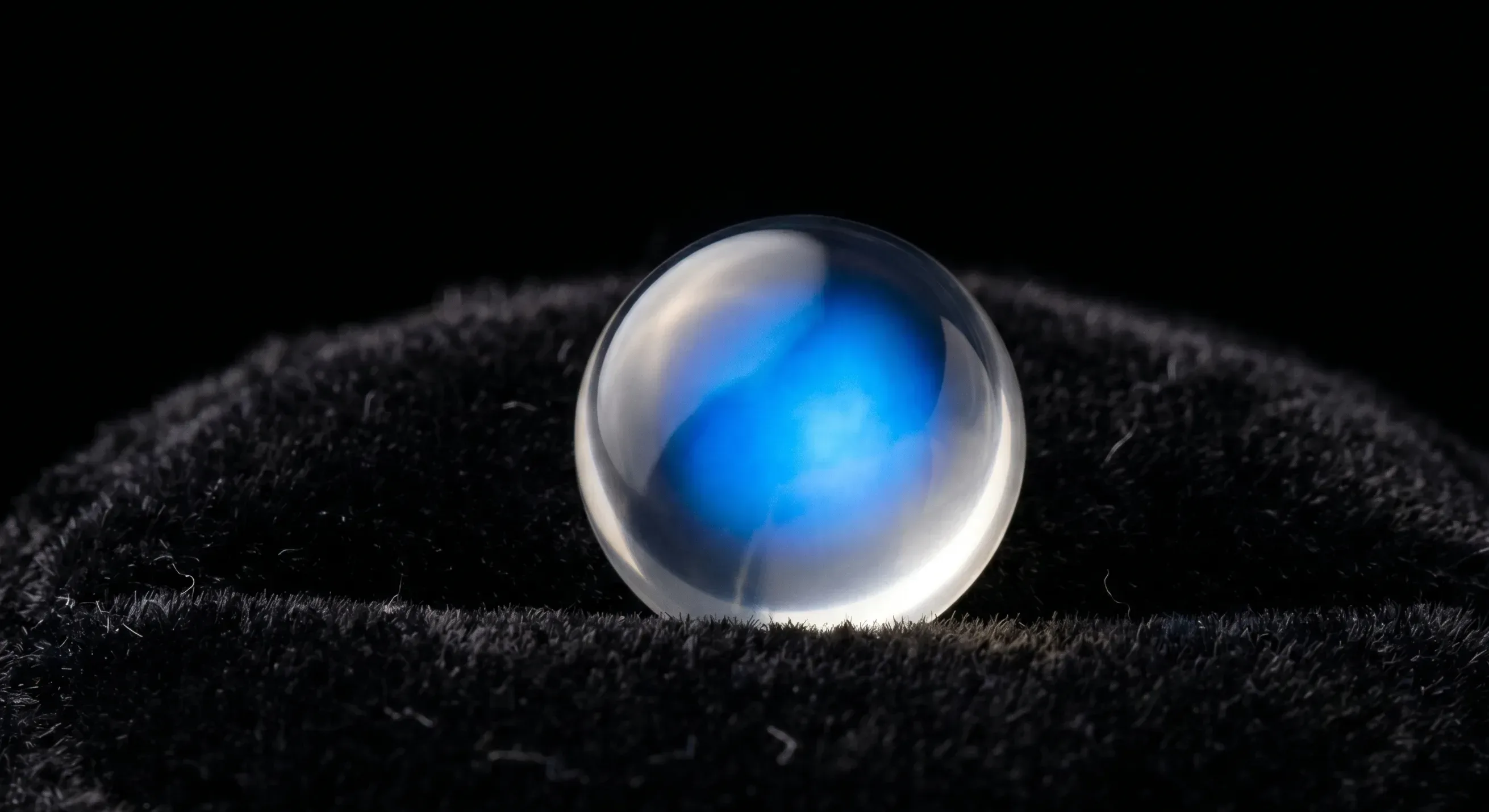
For a sense of what the finest Ceylon material looks like in practice, browse the Crestonne collection, which features cat's eye chrysoberyl alongside sapphires and other Sri Lankan gems. If you want a stone sourced to specific carat, colour, or eye-sharpness criteria, our custom sourcing service works directly through the Ratnapura dealer network, including the sorting step described above. For related optical-phenomenon stones, see our Sri Lankan moonstone guide for blue-sheen adularescence.
Common questions
Frequently Asked Questions
What is the difference between cat's eye chrysoberyl and other cat's eye stones?
In the gem trade, 'cat's eye' with no qualifier means chrysoberyl, specifically the cymophane variety. Other stones can show chatoyancy, including tourmaline, quartz, aquamarine, and moonstone, but they are always disclosed by species (cat's eye tourmaline, cat's eye quartz). Chrysoberyl produces the sharpest and most tightly focused eye of any chatoyant gem and sits at Mohs 8.5, making it far more durable than quartz or tourmaline.
What does 'milk and honey' mean in Ceylon cat's eye?
Milk and honey is a quality signal specific to fine cat's eye chrysoberyl. Under a single direct light, one side of the stone appears milky white and the other side appears honey gold, with the bright eye running cleanly between them. The effect depends on the right balance of chromium, iron, and inclusion density. Sri Lankan stones produce it more consistently than material from any other source.
How much does Ceylon cat's eye chrysoberyl cost?
Commercial stones under 2 carats run 200 to 600 dollars per carat. Good 2 to 5 carat stones with a sharp eye sit in the 800 to 2,500 per carat range. Fine 5 to 10 carat stones with strong milk-and-honey behaviour reach 3,000 to 8,000 per carat. Exceptional stones over 10 carats can exceed 10,000 per carat and are auction-grade. Eye sharpness outweighs size at every tier.
Is cat's eye chrysoberyl heated or treated?
Unheated is the default for this material. Heat treatment does not reliably improve chatoyancy the way it improves sapphire color, so it is rarely applied. Reports from GIA or a major Sri Lankan lab will confirm species, variety, and treatment status. Any disclosed heating should be reflected in the price.
Is cat's eye chrysoberyl durable enough for daily wear?
Yes. At Mohs 8.5, chrysoberyl is one of the hardest natural gems in regular jewellery use, second only to corundum and diamond. It resists scratching well and holds a polish. The cabochon shape has no sharp angles to chip, which suits everyday rings. Avoid ultrasonic cleaners if the stone has visible fractures, otherwise soap and water is safe.