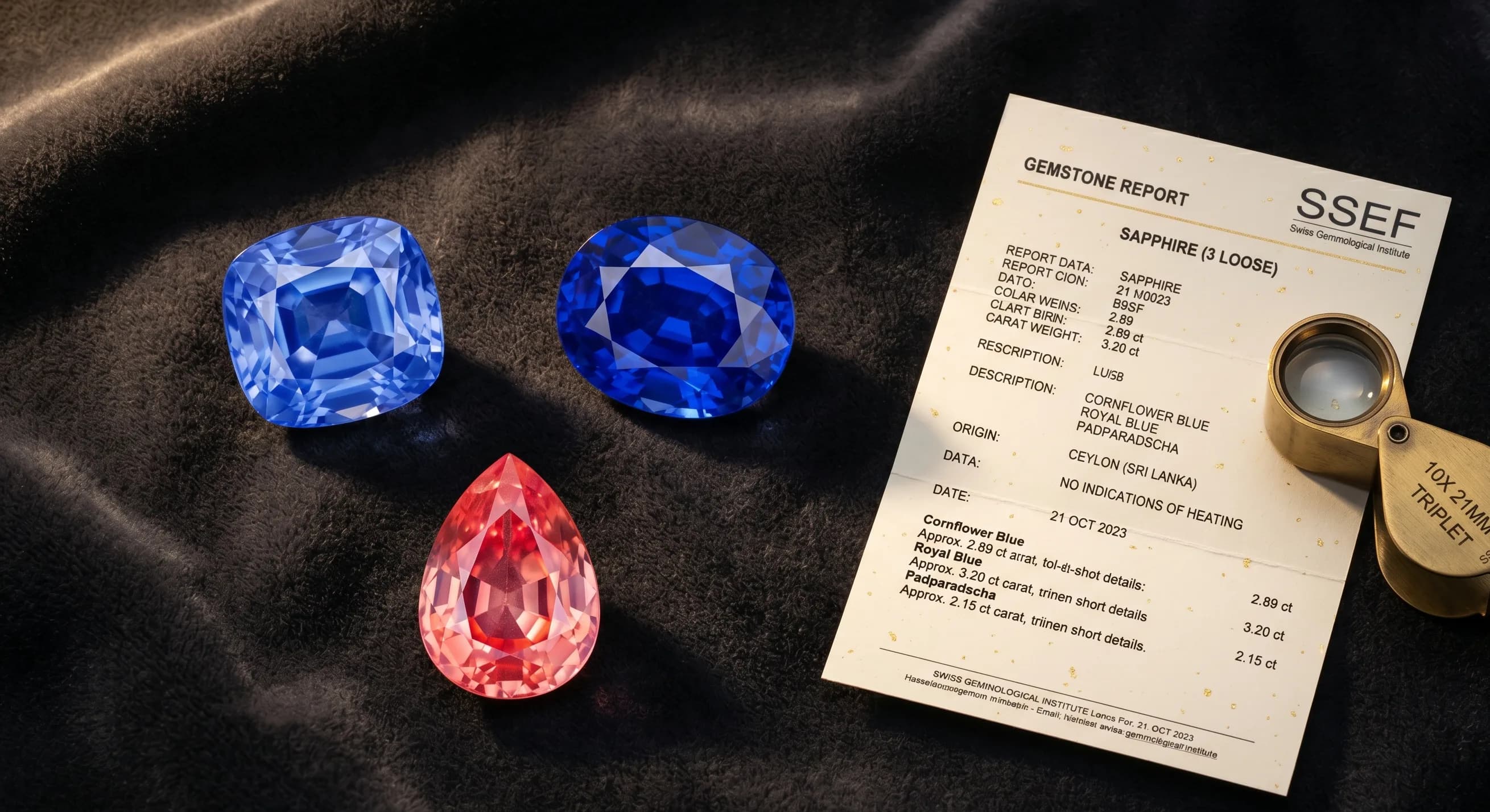
Plain guides written at the source: how sapphire quality is judged, how to read a lab report, what a fair price per carat looks like, and how a stone gets from Ratnapura to you.
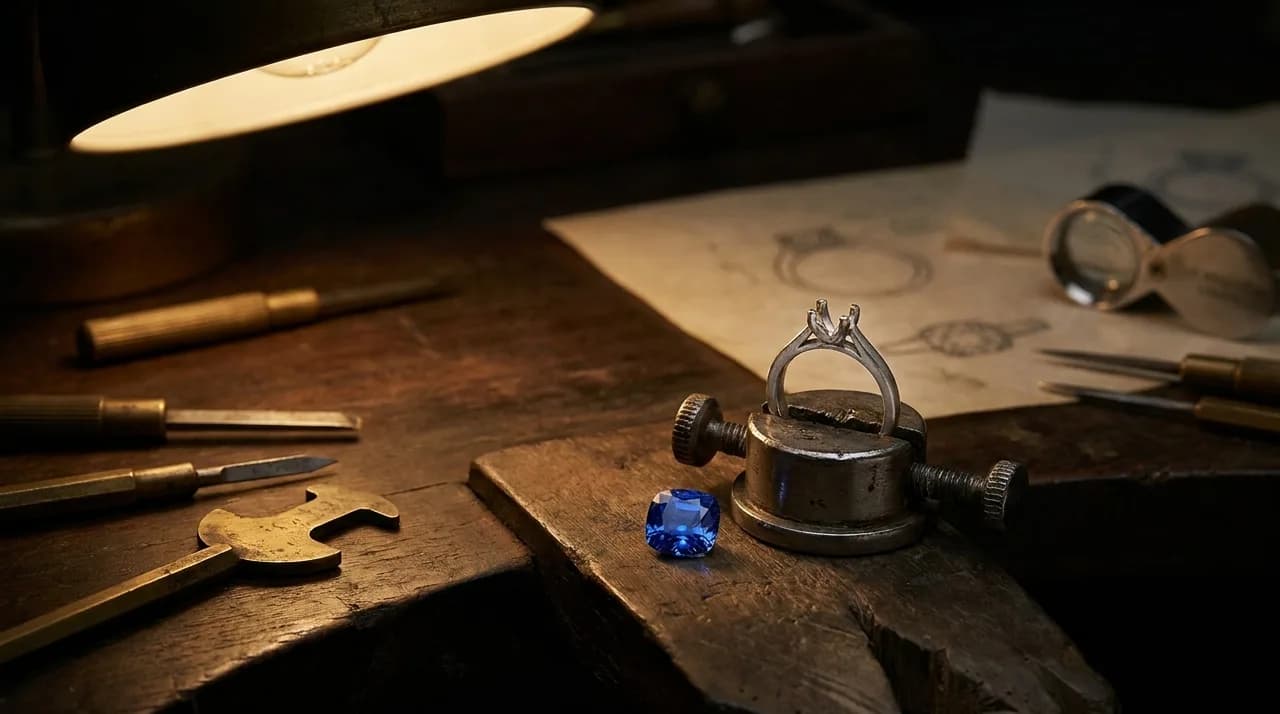
A custom sapphire engagement ring usually costs less than its retail equivalent, not more. Here is the four-stage commission process, a realistic cost breakdown, and the timeline to plan backwards from a proposal date.
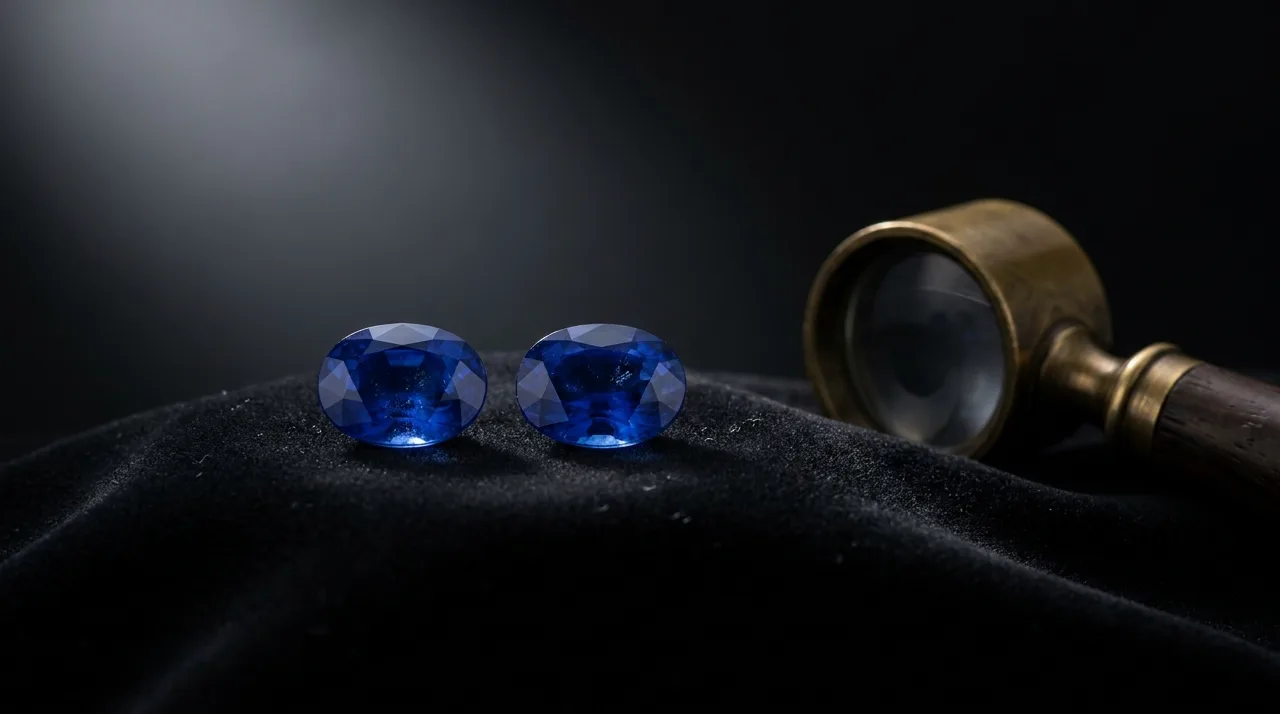
Lab-grown and natural Ceylon sapphires share the same chemistry, hardness, and sparkle, but not the same inclusions, price, or resale value. Here is how synthetic corundum is grown, how to tell it from a natural stone, and which one is the right buy for you.
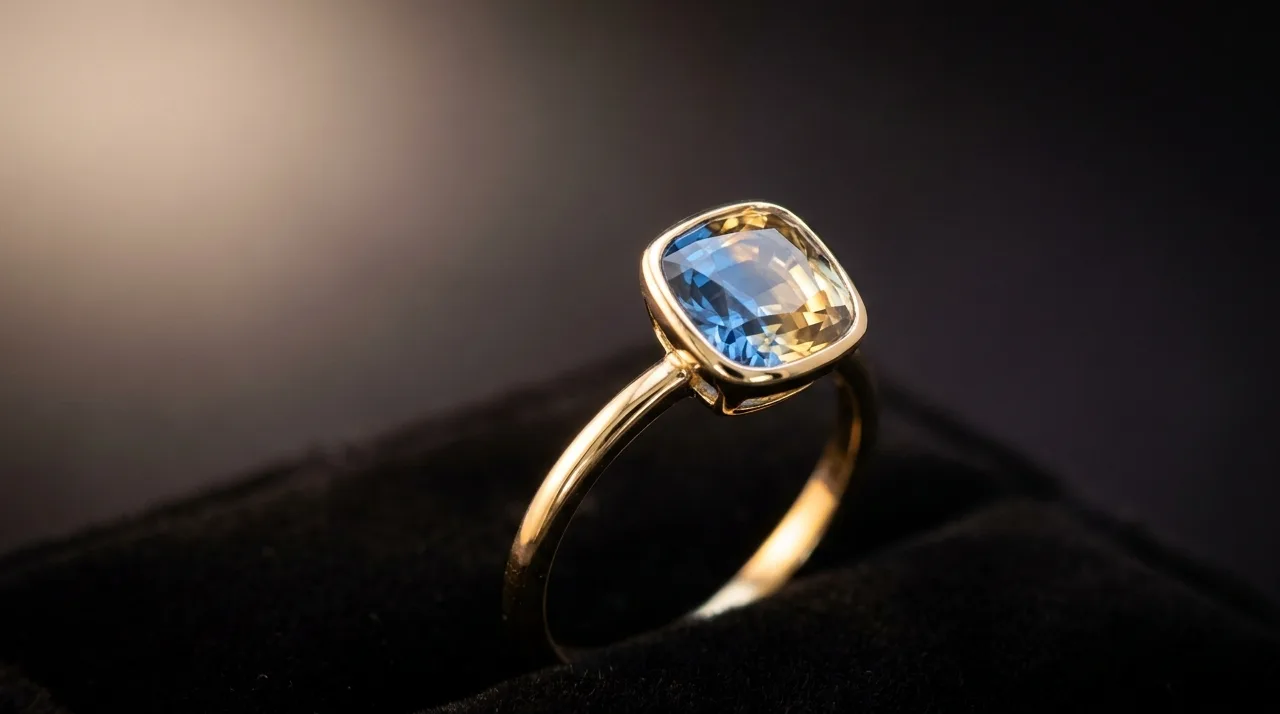
A parti sapphire holds two or more distinct colours in a single crystal, split by a visible boundary no two stones share. Here is how the zoning forms, how Ceylon parti compares to Australian, how it differs from a teal, and what to look for when buying one.
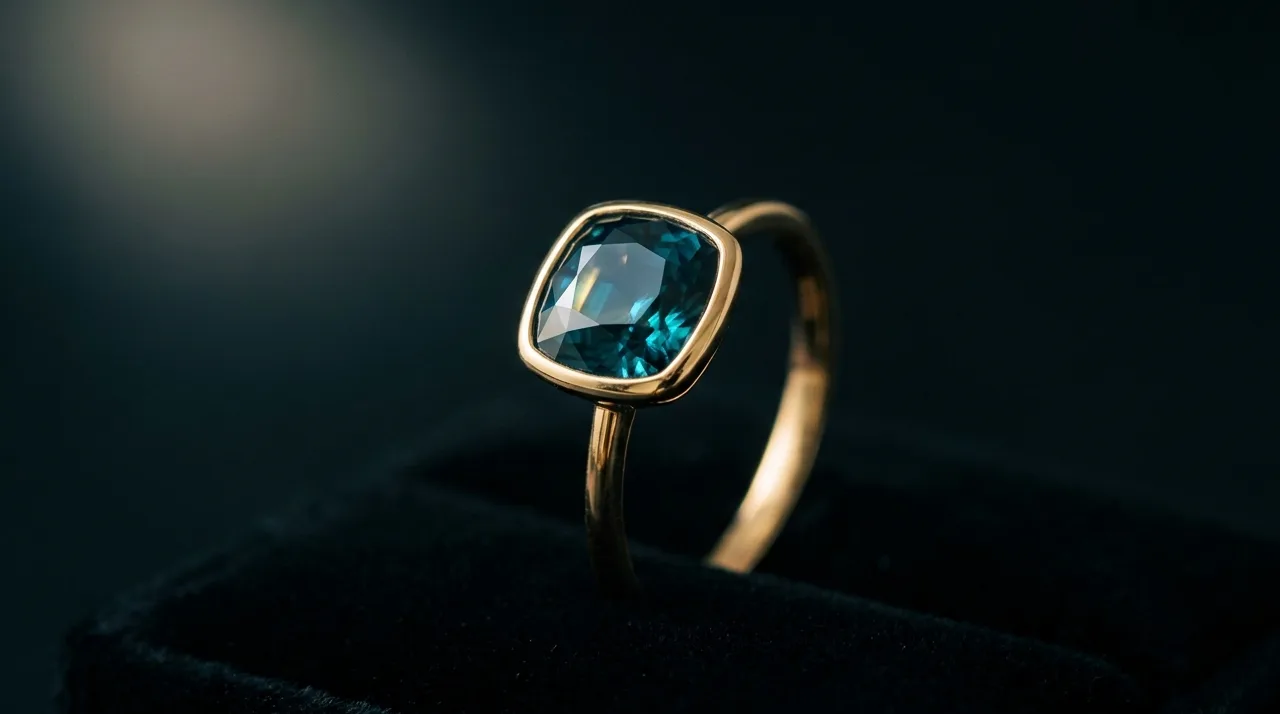
Teal sapphires sit between blue and green, the colour of deep water, and most are sold unheated. Here is how to judge the blue-to-green ratio, weigh Ceylon against Montana and Australian stones, and choose the setting, metal, and certification for a teal sapphire engagement ring.
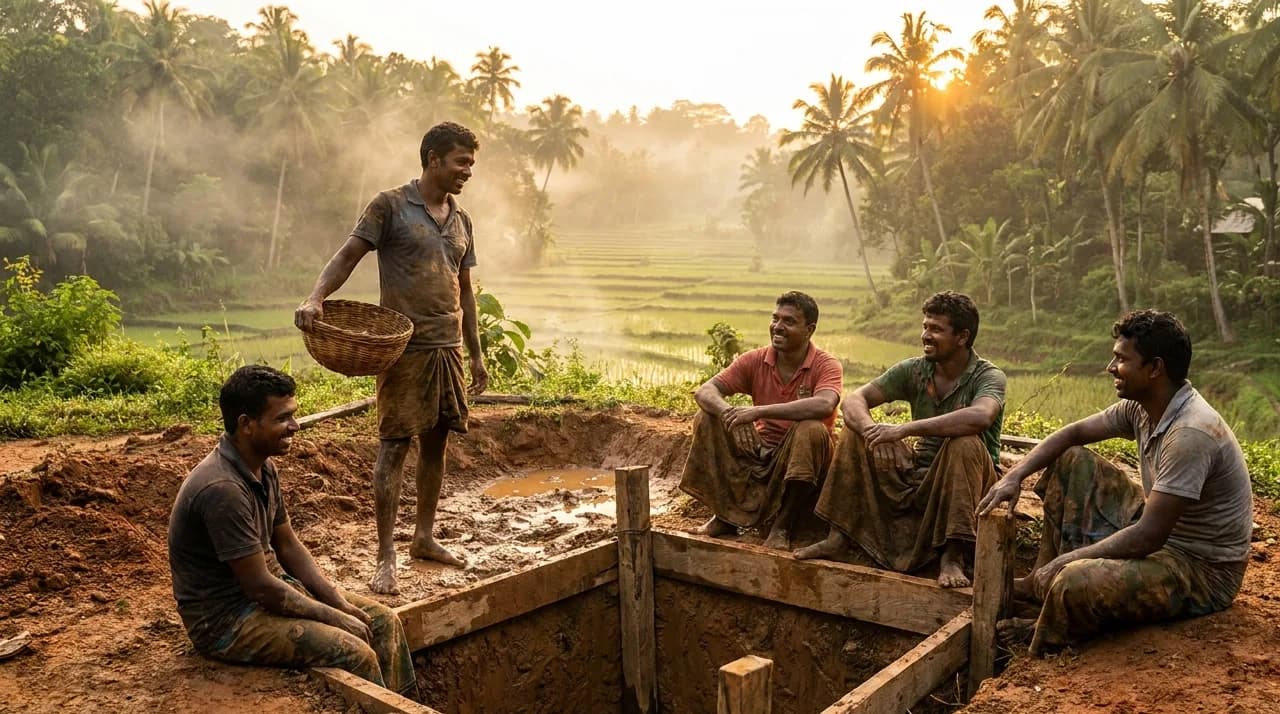
Small-scale gem mining sustains entire villages in Sri Lanka through a profit-sharing model that splits the value of a found stone across landowner, financier, and digger. Here is its real community impact, told honestly.
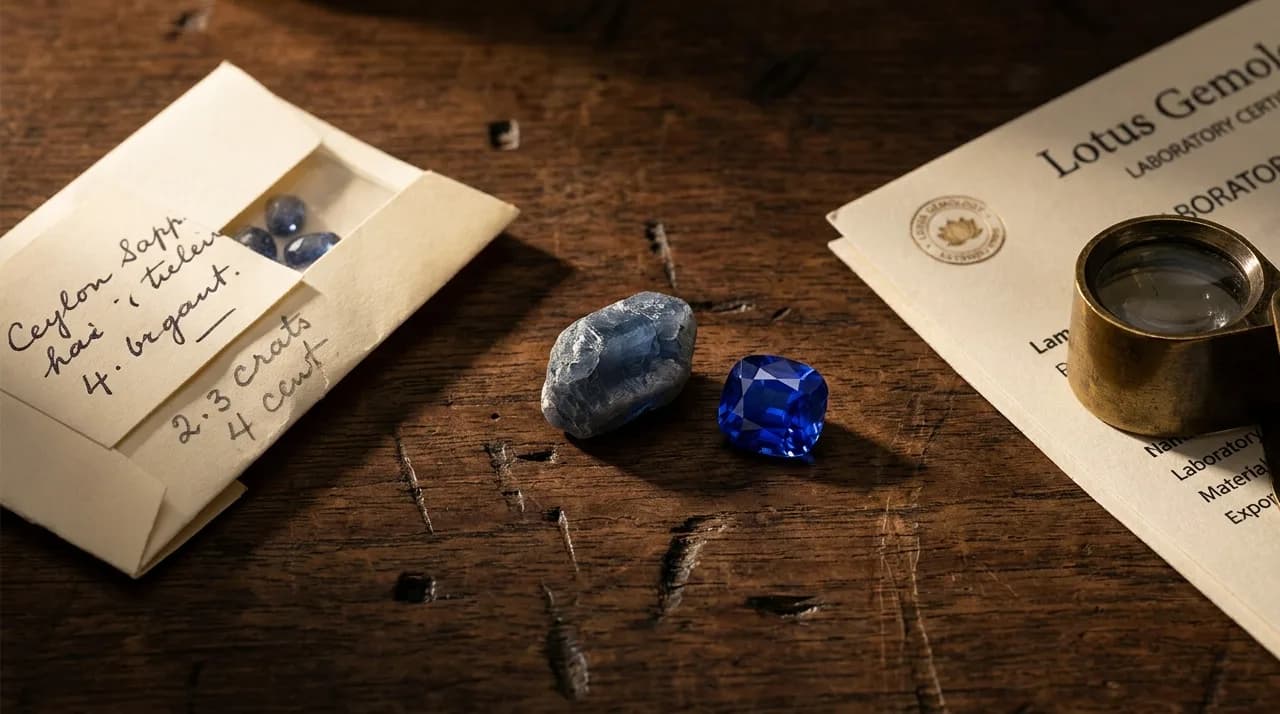
A Ceylon sapphire passes through six to nine hands between the pit and a buyer's finger. Here is the real supply chain, traced through one stone we currently sell, and how Crestonne shortens it.
Sapphires can be an asset class, but only a narrow slice of the market actually appreciates. Here is what holds value over time, what does not, and how to approach a sapphire investment without getting burned by the trade's worst habits.
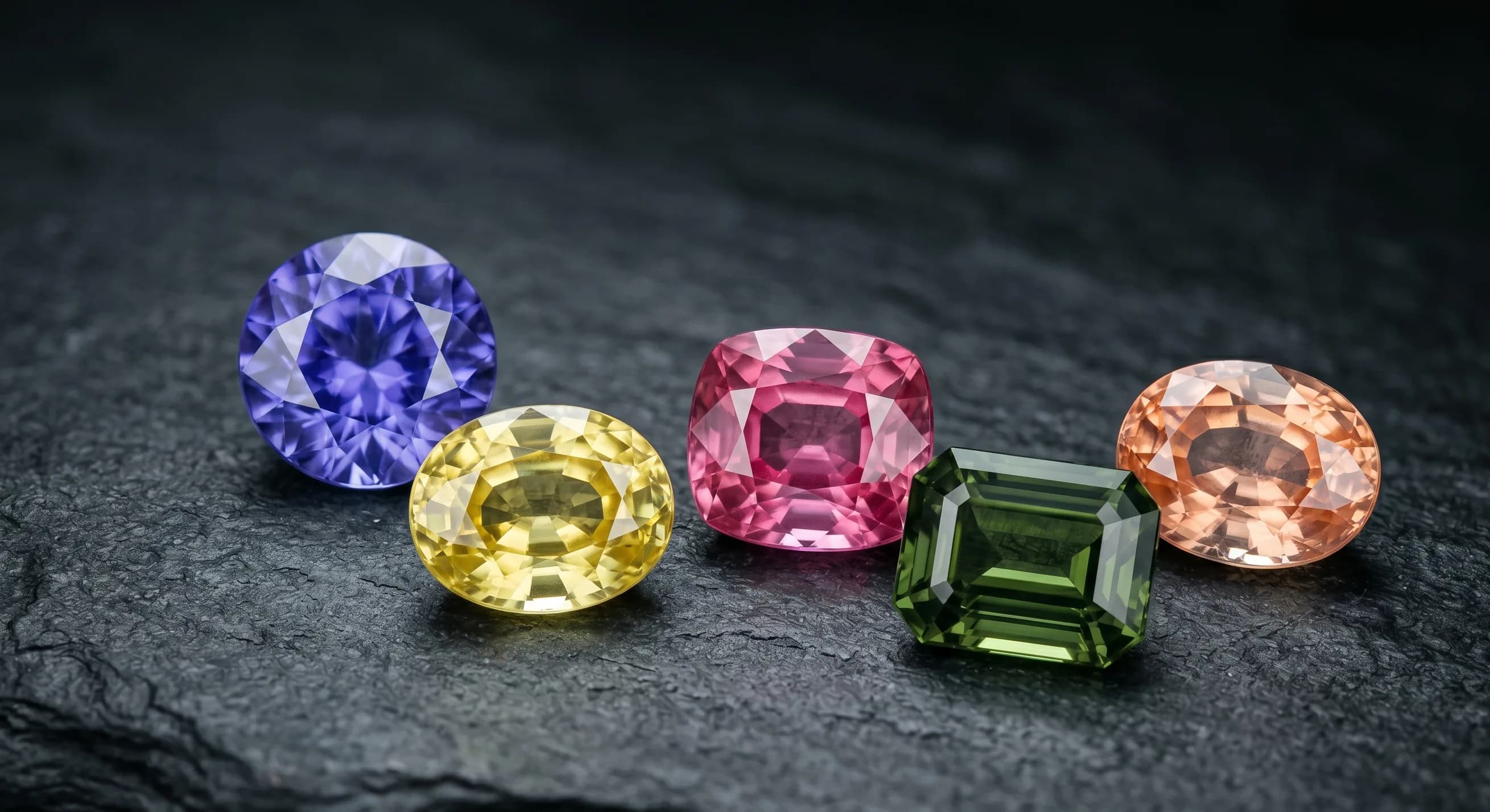
September's birthstone is sapphire, but sapphire is not only blue. Fancy sapphires in yellow, pink, violet, and green, parti-coloured sapphires that split between two hues, and rare non-corundum Sri Lankan stones all qualify. Here is how to pick the right one.
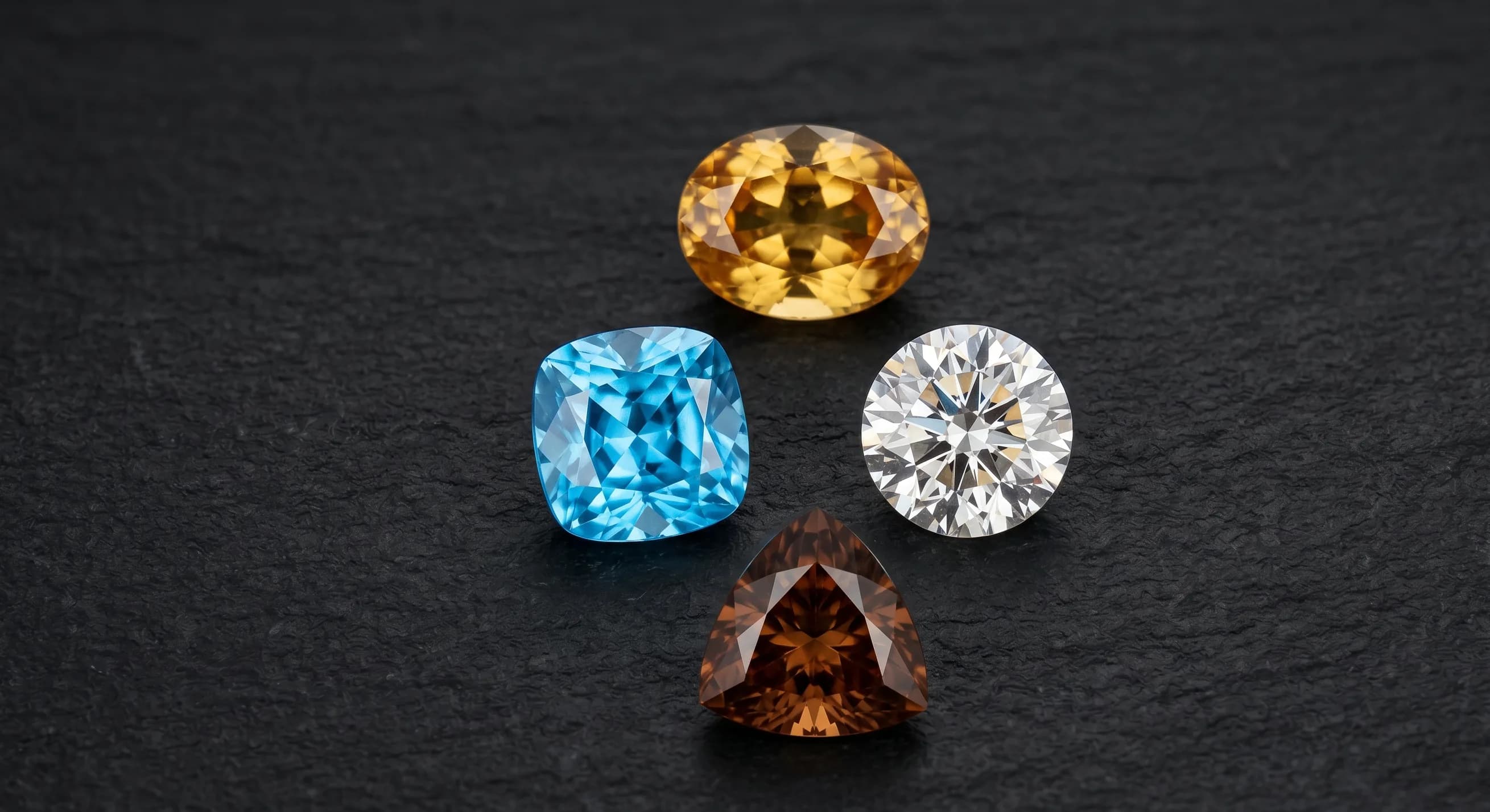
Ceylon zircon is a natural gemstone, completely different from synthetic cubic zirconia. Sri Lanka, especially Matara, has supplied colourless 'Matura diamond' zircon and bright blue zircon for centuries. Here is what Ceylon material is, what it costs, and how to buy it.
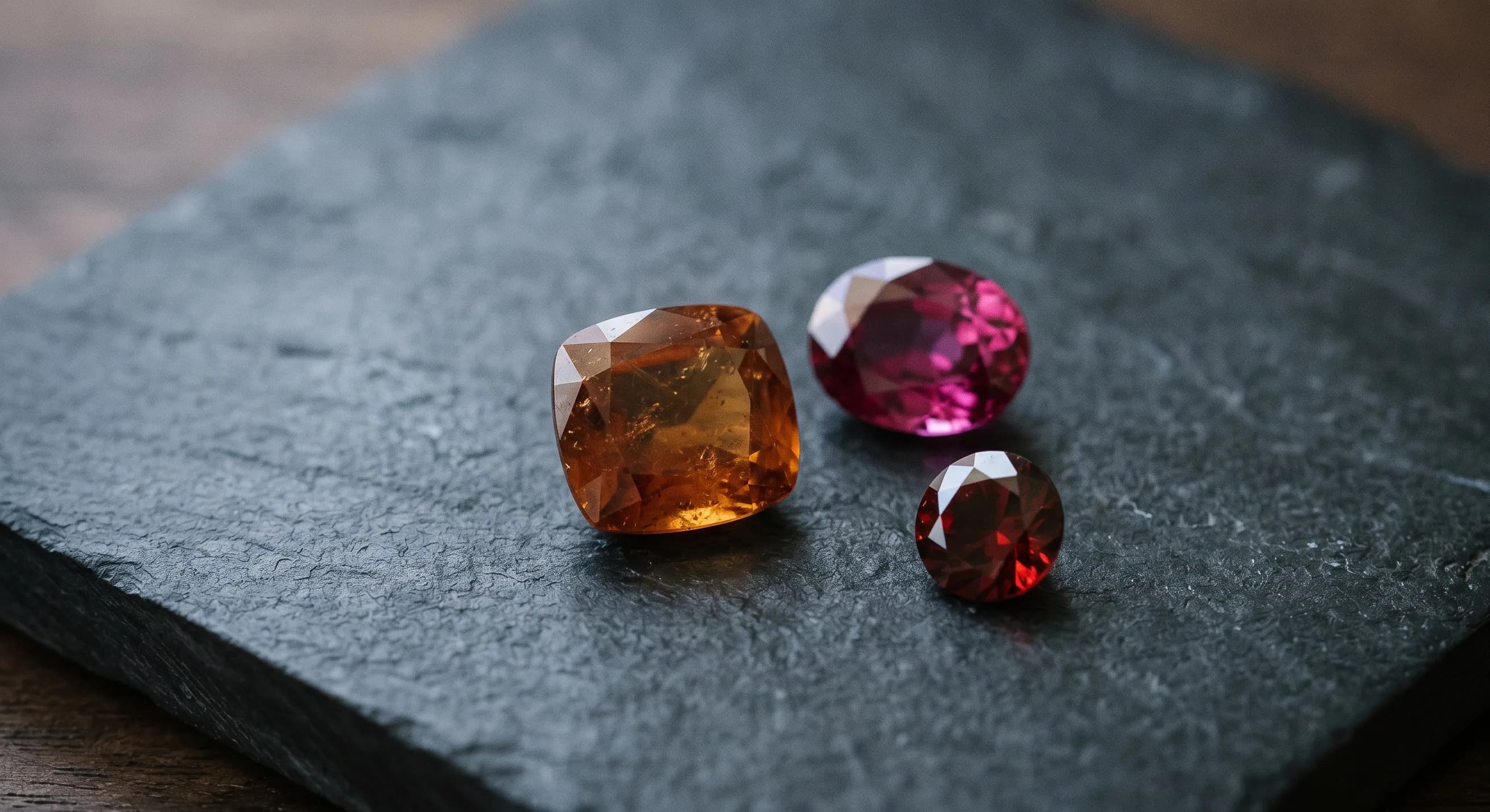
Sri Lankan garnet covers four serious varieties: honey-toned hessonite (gomed), raspberry rhodolite, deep almandine, and warm pyrope-almandine. Here is what Ceylon material is really worth and how to tell it apart from African production.
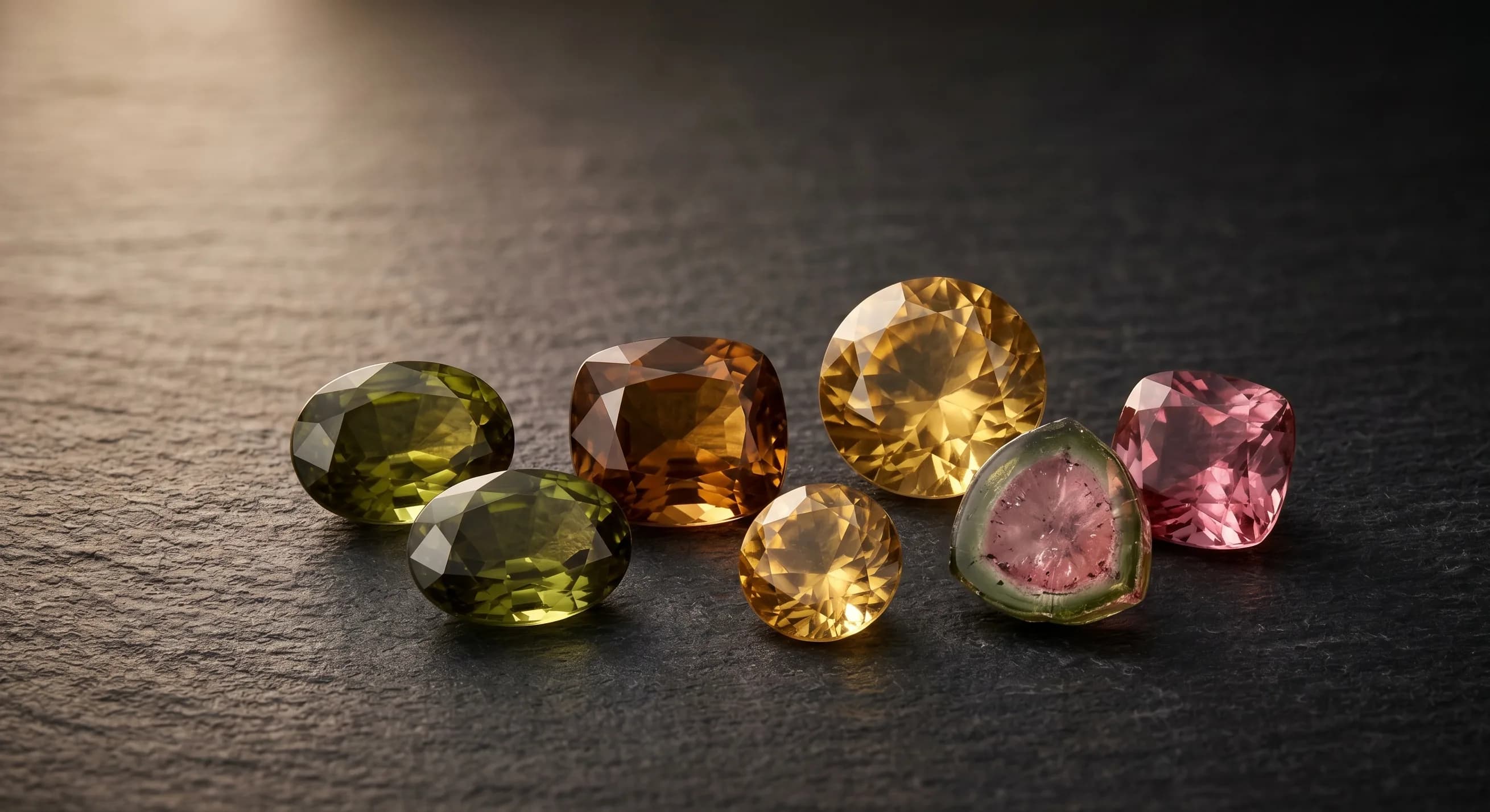
Sri Lankan tourmaline runs across olive green, honey brown, golden yellow, and rare chrome and rubellite material, all at 70 to 90 percent below Ceylon sapphire pricing. Here is what is actually worth collecting from Ratnapura's pegmatite gravels.
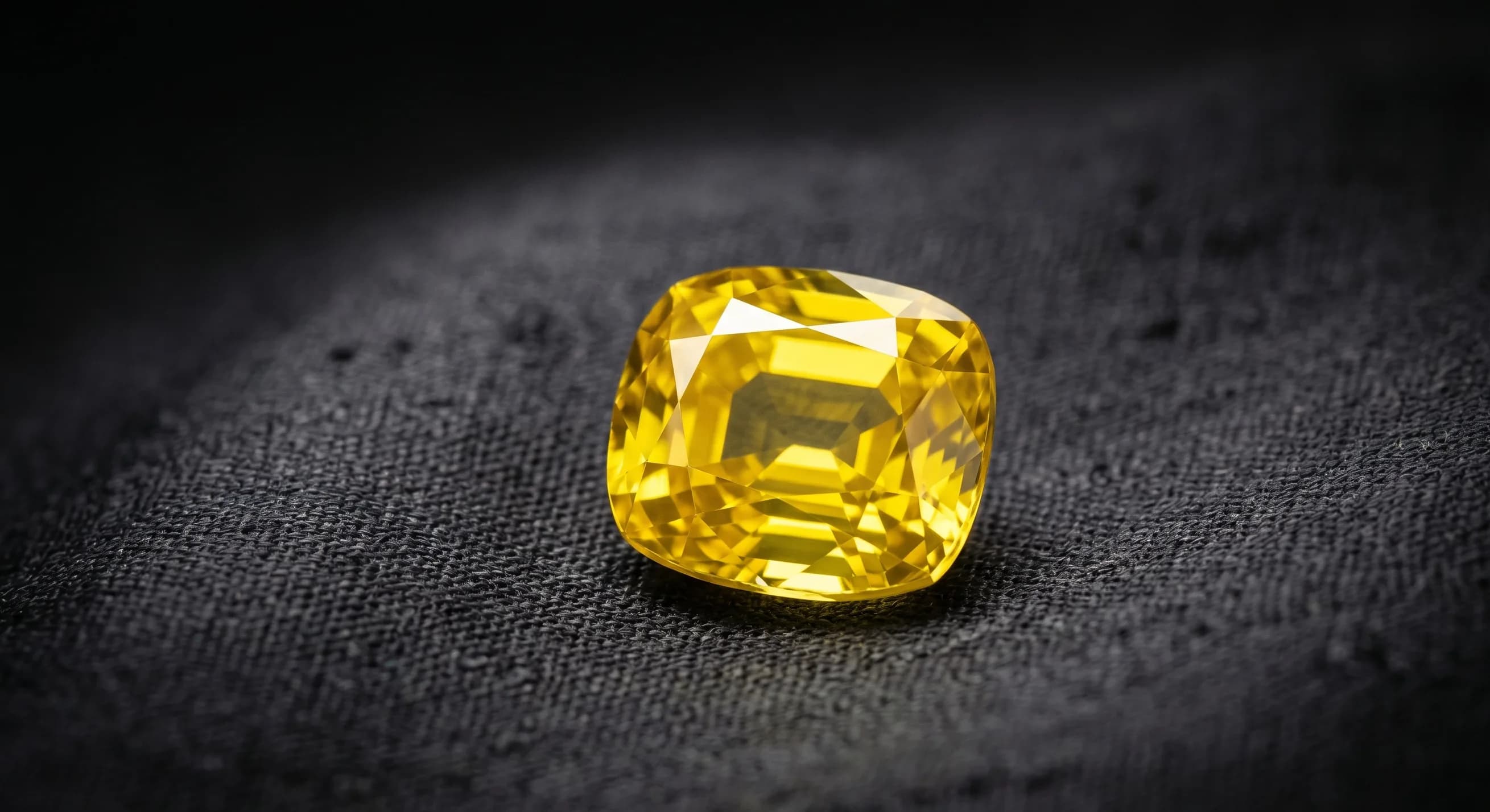
Yellow Ceylon sapphire runs cleaner than any other yellow sapphire on earth, prices below blue Ceylon at every weight, and carries deep meaning in Vedic astrology as the pukhraj stone. Here is what to know.
First Look at New Ceylon Sapphires
New stones and guides, straight from the source. Written rarely, and only when there is something worth saying.