Understanding
Natural Blue Sapphire vs Imitations & Treatments
A dealer's checklist for separating a genuine natural blue sapphire from synthetics, diffusion-treated stones, and glass-filled composites, and knowing what "natural" should actually guarantee at your price point.
7 min read
By Naseef AR
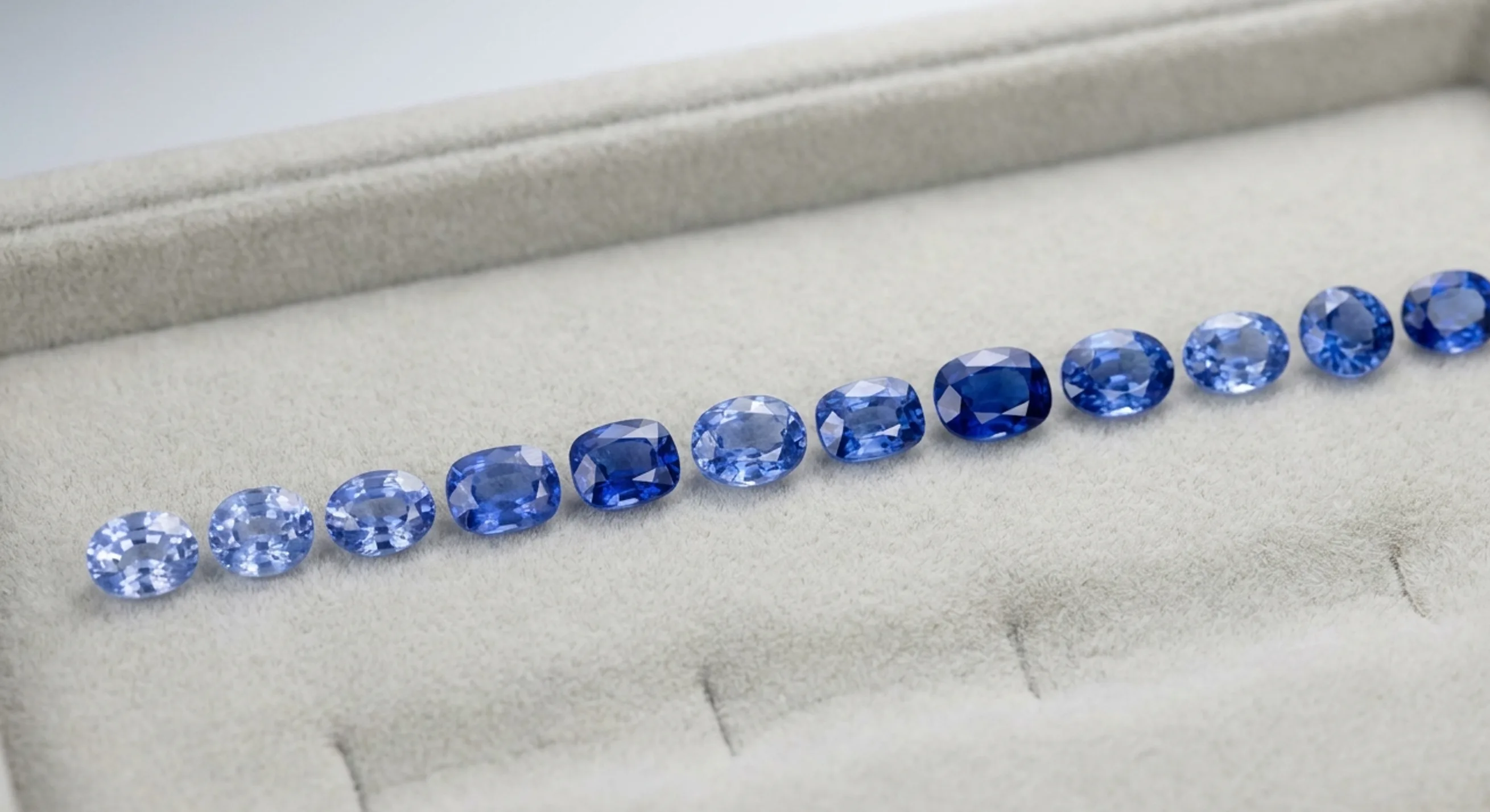
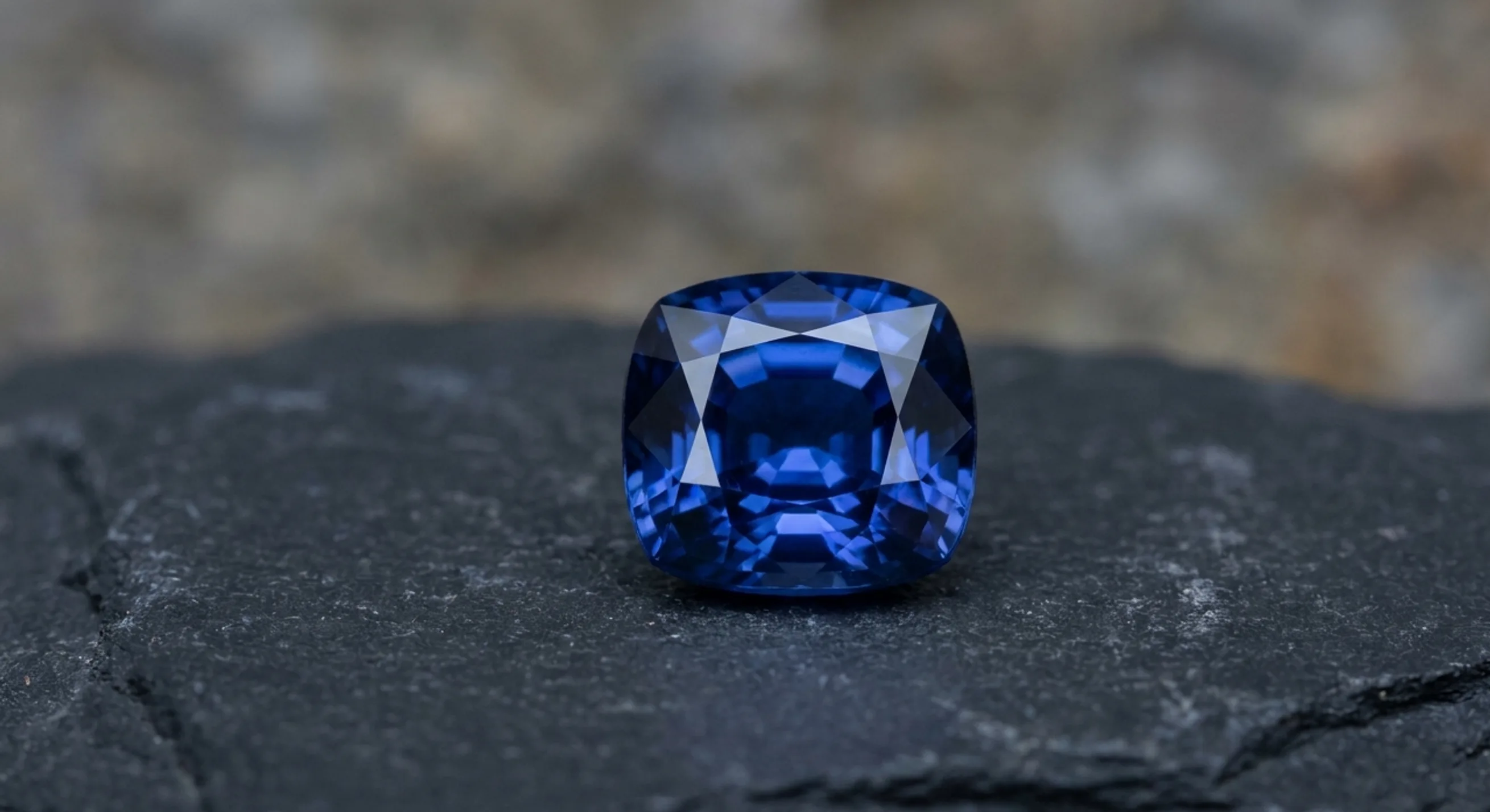
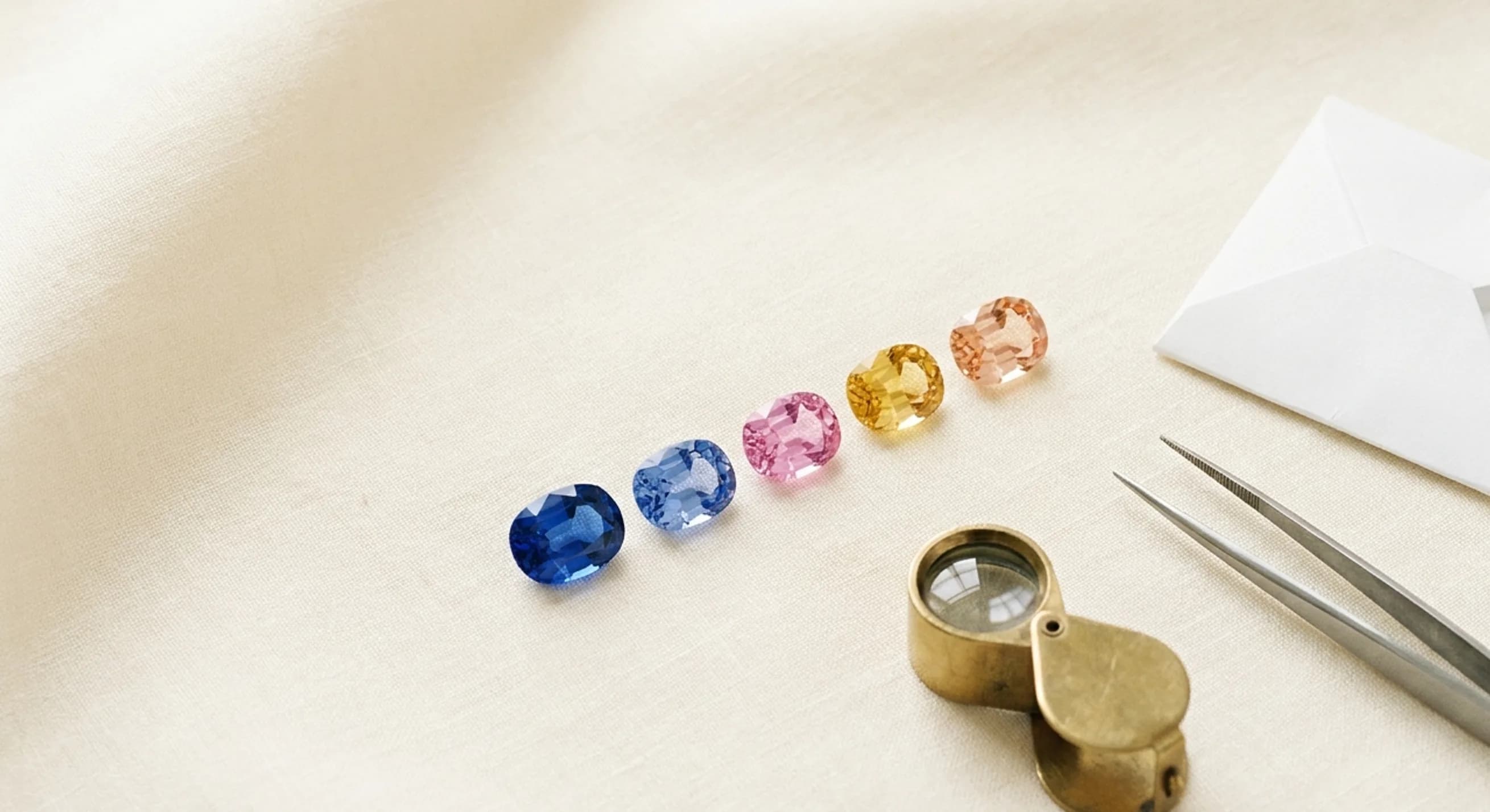
A natural blue sapphire is a corundum crystal (Mohs 9) that formed in the earth, not a lab. That single fact separates it from most of what circulates online at suspiciously low prices. The confusion buyers run into is rarely about color. It is about origin and treatment: is the stone earth-grown or flame-fused, lightly heated or diffusion-doctored, solid corundum or a fractured shell glued together with lead glass? Get those three questions answered in writing and you have bought well. Skip them and price becomes meaningless.
This is a comparison piece, not a sales pitch. Here is how Crestonne separates the real thing from its impostors, and what "natural" should actually guarantee before money changes hands.
What does natural blue sapphire actually mean?
"Natural" means the crystal grew geologically. It does not, on its own, tell you whether the stone was heated. That distinction trips up more buyers than any other.
The industry recognises three broad tiers. First, synthetic sapphire, grown by the flame-fusion (Verneuil) or flux methods. It is chemically identical corundum, but it was made in a factory in weeks, not underground over millions of years. Second, natural but treated stones, where heat or other processes improve color and clarity. Third, unheated natural stones, the premium tier, where the color you see is entirely nature's work.
A genuine natural blue sapphire in Crestonne's catalogue comes from the classic Ceylon deposits around Ratnapura, Elahera, and Balangoda. The word "natural" on the paperwork should always be paired with a treatment disclosure. If a seller uses "natural" to imply "untreated" without saying so explicitly, that is the gap to close before you buy. For a fuller breakdown of the lab-versus-earth question, see Crestonne's guide to lab-grown vs natural sapphire.
How can you tell a natural sapphire from a synthetic?
To the naked eye, you often cannot. That is the uncomfortable truth. A well-cut flux synthetic can look cleaner and bluer than most natural stones, which is exactly why it exists. The distinctions live under magnification and, definitively, in a lab report.
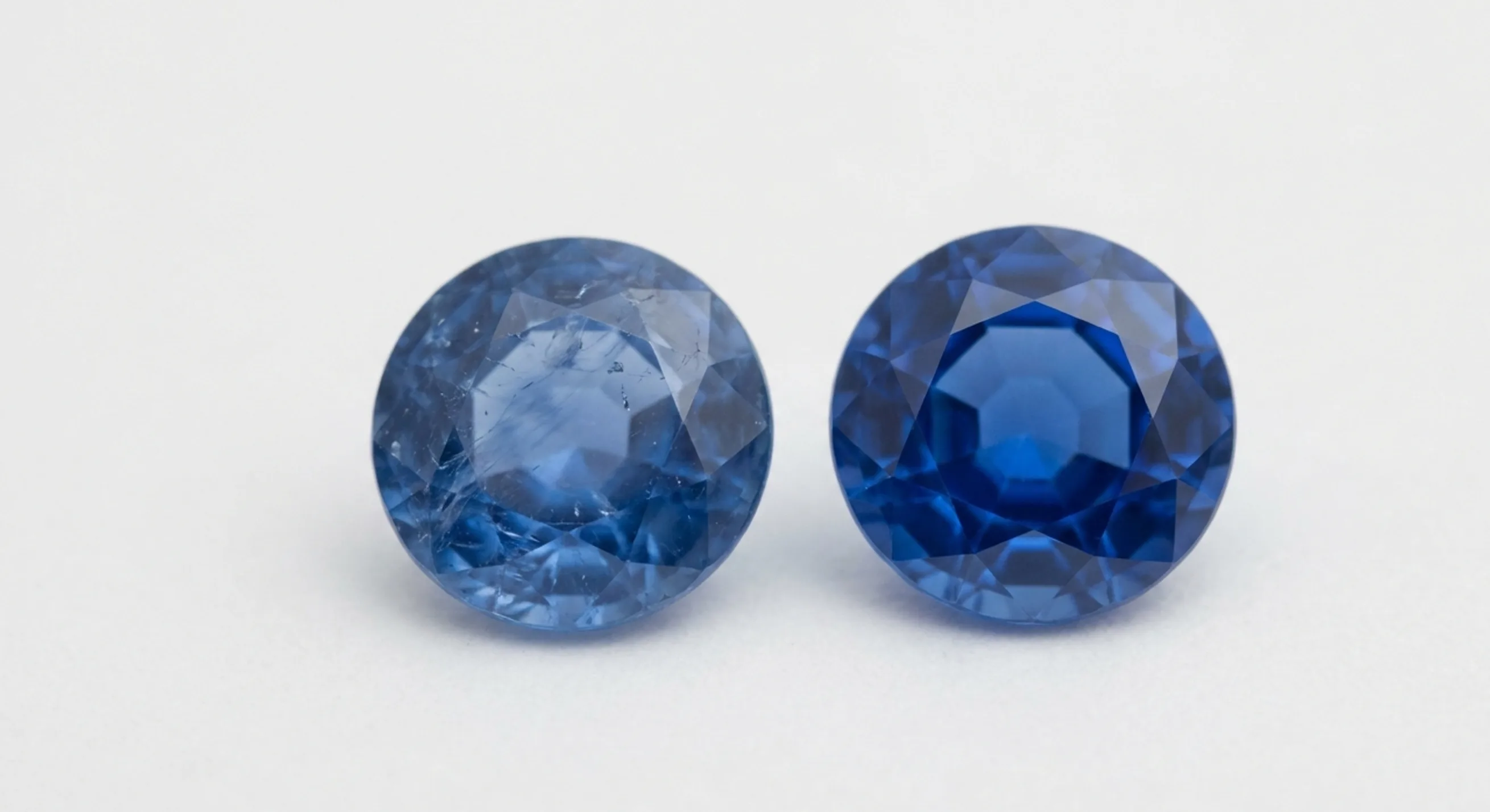
Under a loupe, natural stones tend to show inclusions that formed in the ground: fine rutile "silk," fingerprint-like healed fractures, angular color zoning, and mineral crystals. Flame-fusion synthetics betray themselves with curved growth lines and gas bubbles, features that never occur in earth-grown corundum. Flux synthetics are trickier, sometimes carrying flux residue or platelet inclusions that can mimic natural fingerprints to an untrained eye.
The honest answer for a buyer is this: do not rely on your own eye for a stone of any real value. A report from GIA, SSEF, or Gubelin states plainly whether the stone is natural or synthetic. Every meaningful natural blue sapphire Crestonne sells is documented, so the origin question is settled on paper, not by trust.
What treatments are used on blue sapphire?
Heat treatment is the legitimate backbone of the sapphire trade. Applying controlled high temperature dissolves silk and improves color and clarity. It is stable, permanent, and has been standard practice for decades. The vast majority of blue sapphire on the market worldwide is heated, and there is nothing wrong with a well-heated stone. It is disclosed, accepted, and priced accordingly.
The problems start with the treatments that go further and are too often hidden:
- Diffusion treatment. Elements such as beryllium or titanium are diffused into the surface at high heat to force or deepen color. On lattice-diffused material the color can sit in a shallow skin, which a lab detects and which should be disclosed and priced far below untreated goods.
- Glass filling (lead-glass composite). Heavily fractured, low-grade corundum is impregnated with lead glass to fill cavities and fake clarity. These are composite stones, not solid sapphires. They chip and dissolve on contact with everyday chemicals, and they should cost a tiny fraction of a genuine stone.
- Fracture and cavity filling with other substances. Similar principle, same disclosure requirement.
The tier that commands the top of the market is the unheated natural stone: color and clarity achieved with no human intervention at all, confirmed by a lab. That is the premium end, and it is priced there for good reason. Heated stones remain excellent value and the sensible choice for most buyers. The point is simply that the label has to match the stone.
Worth noting: some stones sold as sapphire are not corundum at all. Blue spinel, tanzanite, and blue topaz all get confused with it in the market. Crestonne covers those look-alikes in its guide to stones mistaken for sapphire.
What is a fair natural blue sapphire price?
Price follows a stack of variables, so treat any single number with suspicion. The natural blue sapphire price is driven by color first (a vivid, even, medium-to-deep blue with no grey or over-dark zones), then clarity, cut, carat weight, origin, and above all treatment status.
Rather than quote figures the market does not support, here is the honest shape of it. Small, commercial-grade heated Ceylon stones sit at the accessible end. As you move up in size and color saturation, natural blue sapphire prices climb steeply, and fine unheated Ceylon material of a few carats can reach many thousands per carat. The jump between a heated and an equivalent unheated stone is often substantial, sometimes several multiples, because unheated fine goods are genuinely scarce.
What should worry you is the opposite: a "natural blue sapphire" priced far below that range. A two-carat, eye-clean, vivid blue stone offered for pocket change is almost never what it claims. It is usually synthetic, glass-filled, or diffused. Price that looks too good is the market telling you what the stone really is.
Crestonne's position is straightforward. A heated Ceylon sapphire, honestly disclosed and fairly priced, is a fine purchase. An unheated one, lab-confirmed, is a collector-grade purchase. Both are legitimate. What Crestonne will not do is sell one as the other.
Your confidence checklist before buying
Before committing to any natural blue sapphire, run through this:
- Ask for a lab report. GIA, SSEF, or Gubelin. It should state natural versus synthetic and the treatment. No report on a stone of real value is a red flag.
- Get treatment in writing. "Heated" is fine and expected. "Unheated" carries a premium and must be lab-confirmed. "Diffusion" or "glass-filled" should be reflected in a much lower price.
- Match price to claim. A vivid, clean, sizeable natural stone at a bargain price is a warning, not a win.
- See true-to-life imagery. Many online listings lean on studio lighting that flatters color. Crestonne shoots stones in consistent, honest conditions and states the treatment alongside every image, so what you see is what arrives.
- Know the origin. Ceylon (Sri Lankan) material has a documented reputation for bright, saturated blues. Crestonne sources directly from Ratnapura and Elahera, so provenance is first-hand, not a supply-chain guess.
A genuine natural blue sapphire is a durable, generational stone. The only thing standing between you and a good one is disclosure. Insist on it.
Ready to buy with the paperwork settled? Browse Crestonne's loose Ceylon sapphires, or commission a specific stone through the custom order service and let the team source it to your spec.
Common questions
Frequently Asked Questions
Is a heated blue sapphire still natural?
Yes. Heat treatment improves color and clarity on an earth-grown crystal, but the stone remains a natural sapphire. Heating is the accepted industry standard and should always be disclosed. Unheated natural stones are the premium tier because their color is entirely nature's work, and they are priced accordingly.
How do I know if my blue sapphire is real or synthetic?
You often cannot tell by eye, since quality synthetics can look cleaner than natural stones. Under magnification, synthetics may show curved growth lines and gas bubbles. The definitive answer comes from a lab report by GIA, SSEF, or Gubelin, which states clearly whether the stone is natural or lab-grown.
Why is one natural blue sapphire so much cheaper than another?
Price tracks color, clarity, cut, carat, origin, and treatment. A suspiciously cheap natural blue sapphire is usually synthetic, diffusion-treated, or glass-filled rather than a bargain. Unheated fine Ceylon stones command the highest prices because they are genuinely scarce.
What is a glass-filled sapphire?
It is heavily fractured, low-grade corundum impregnated with lead glass to fake clarity. These are composite stones, not solid sapphires. They chip easily and can be damaged by common chemicals, and they should cost only a fraction of a genuine natural stone.