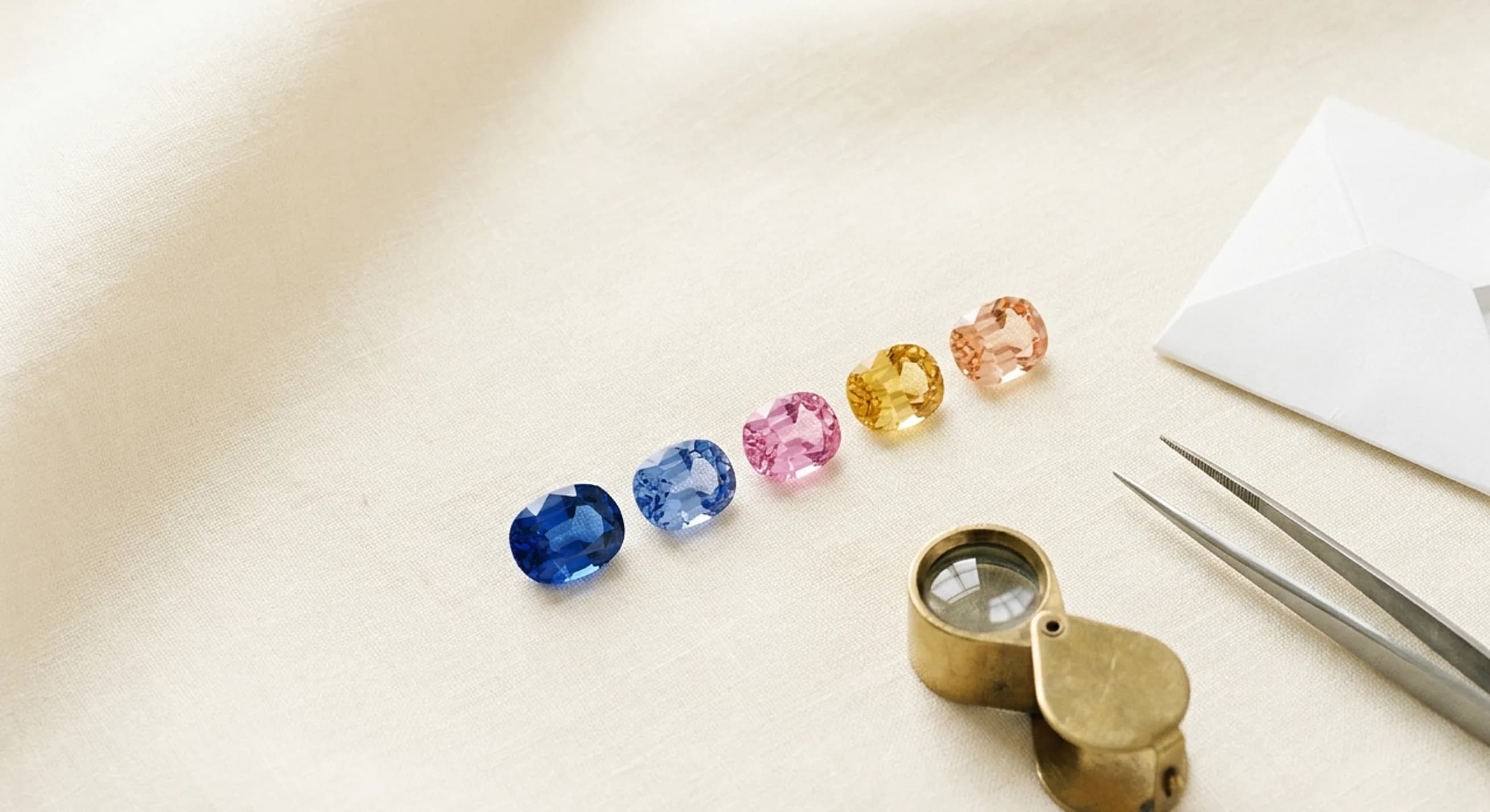
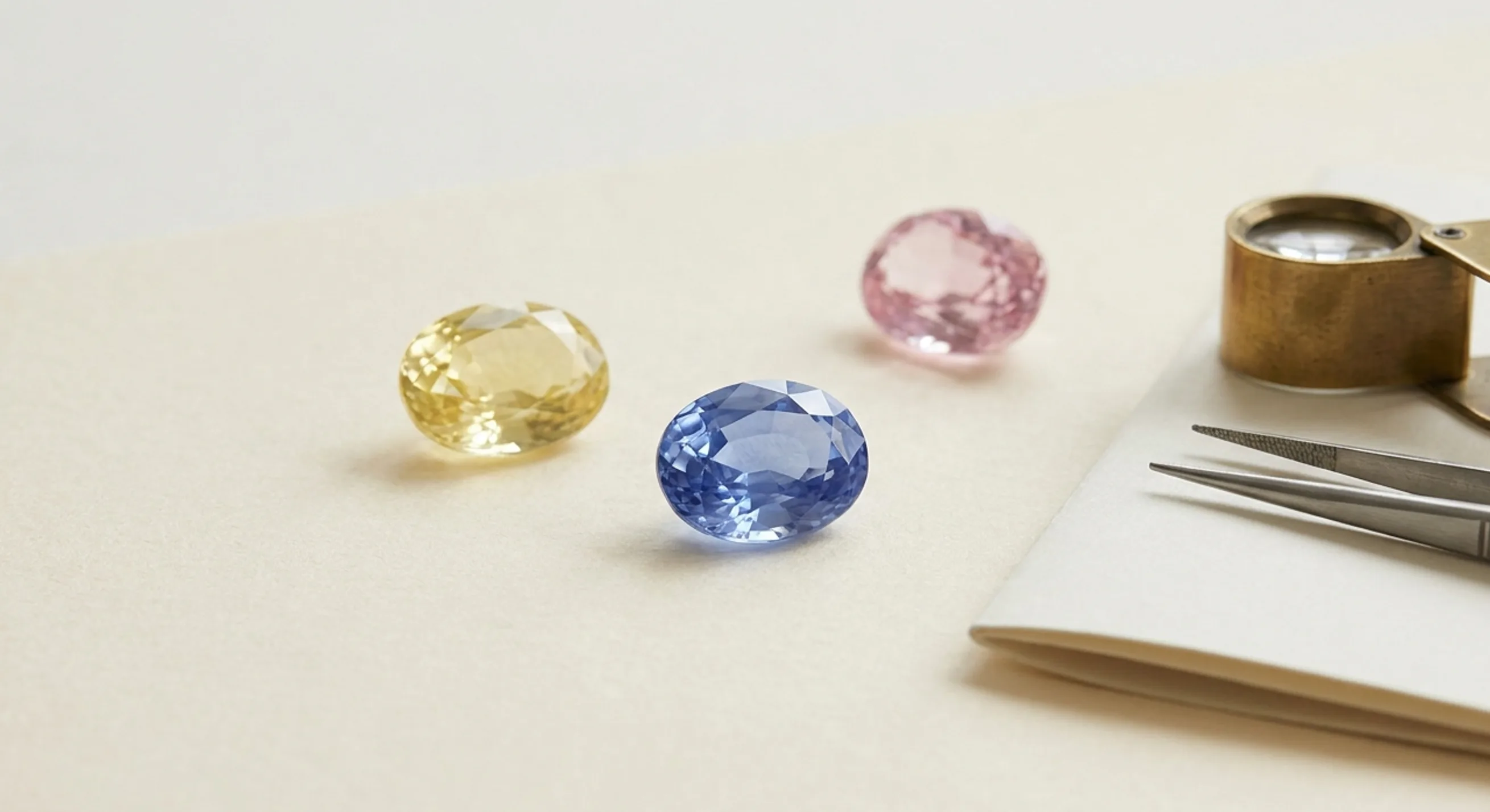
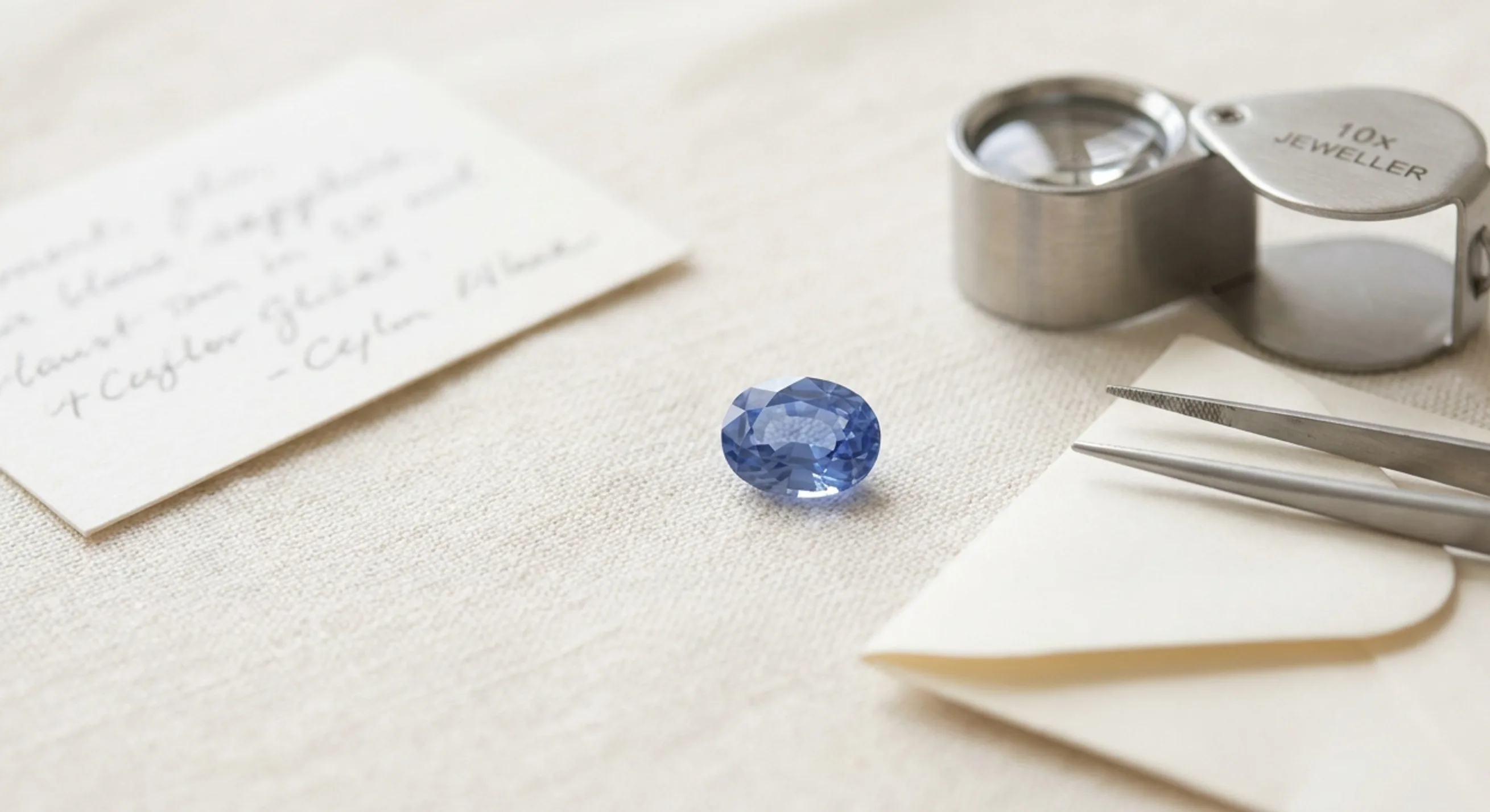
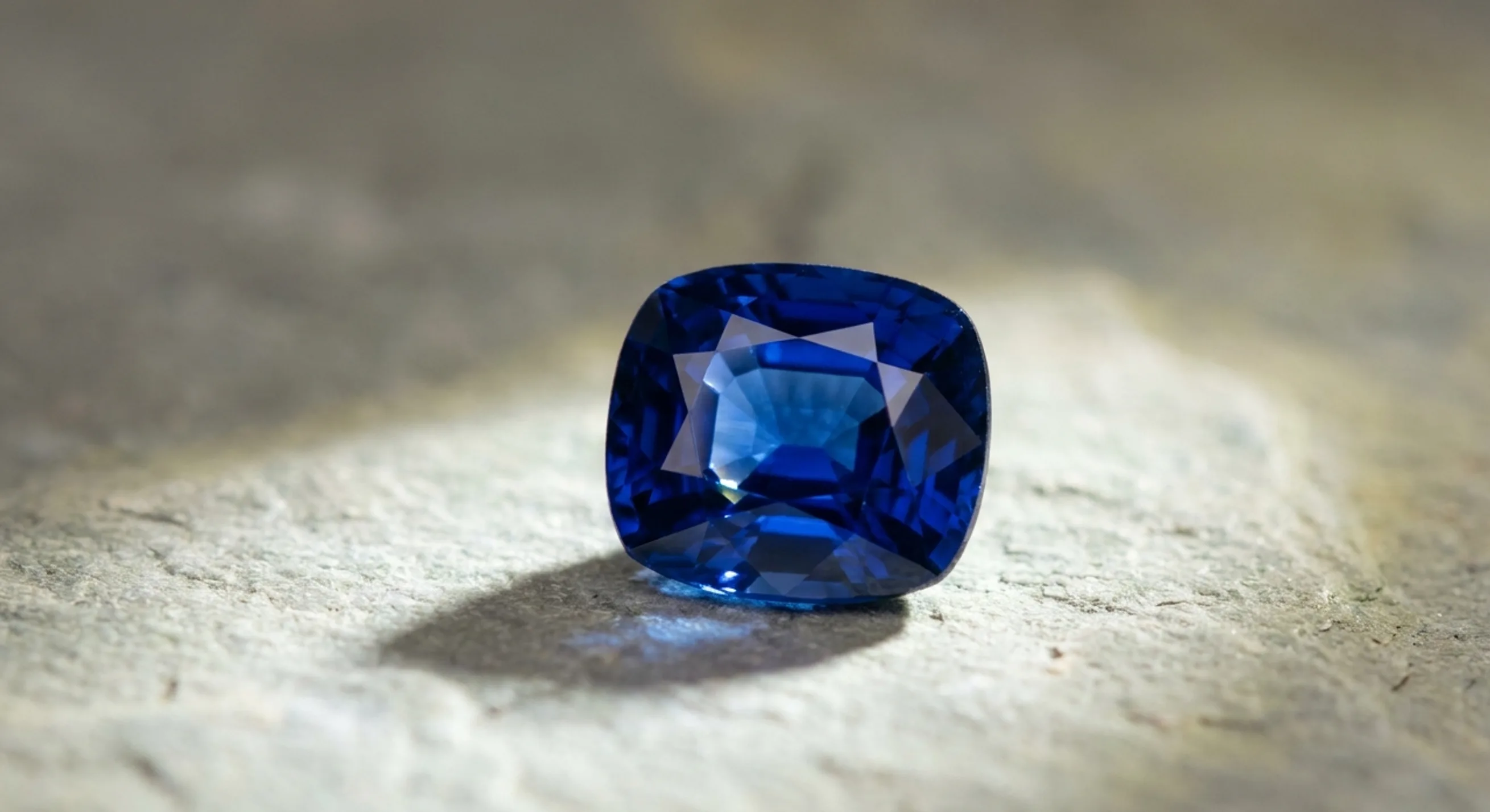
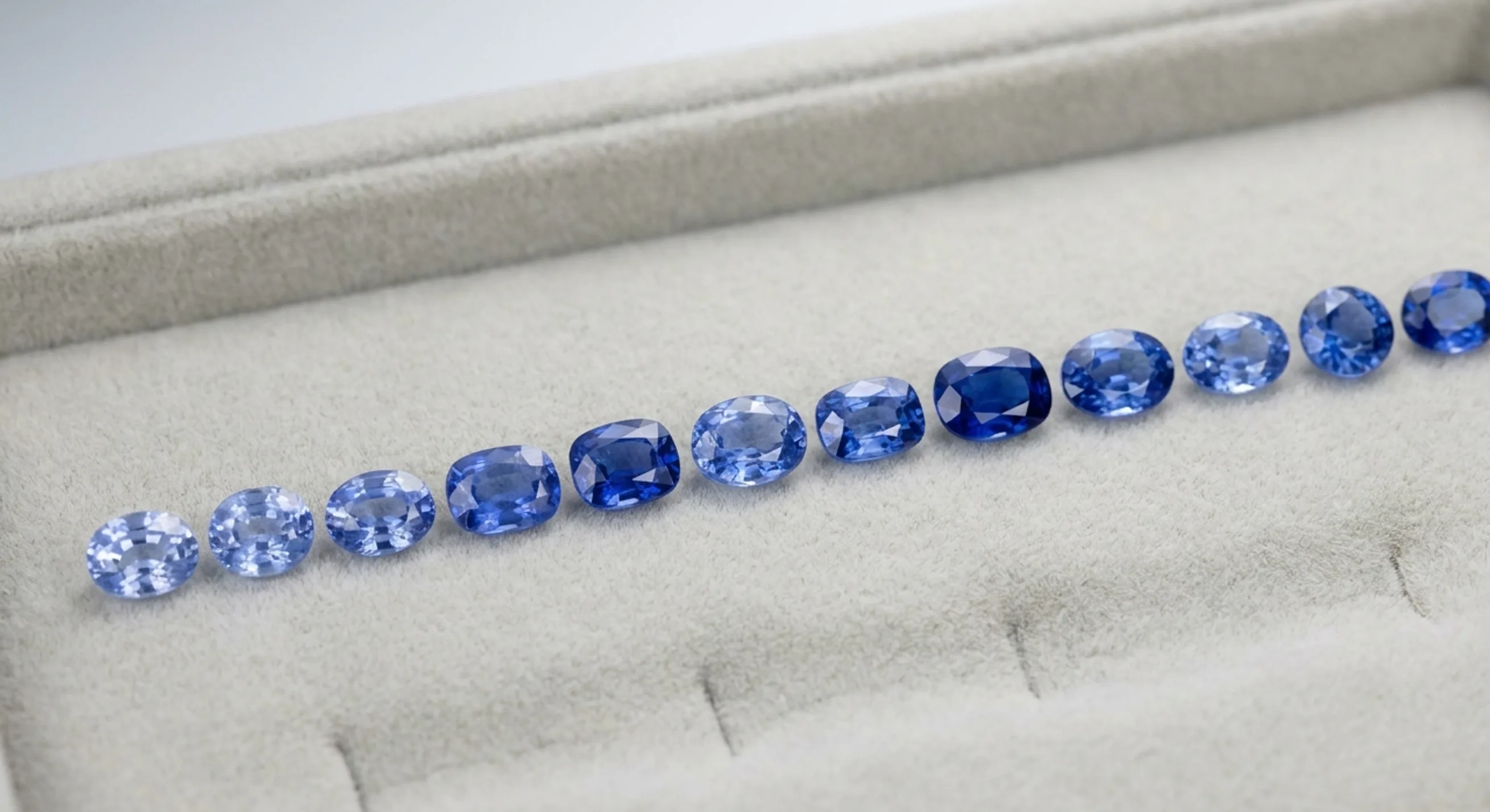
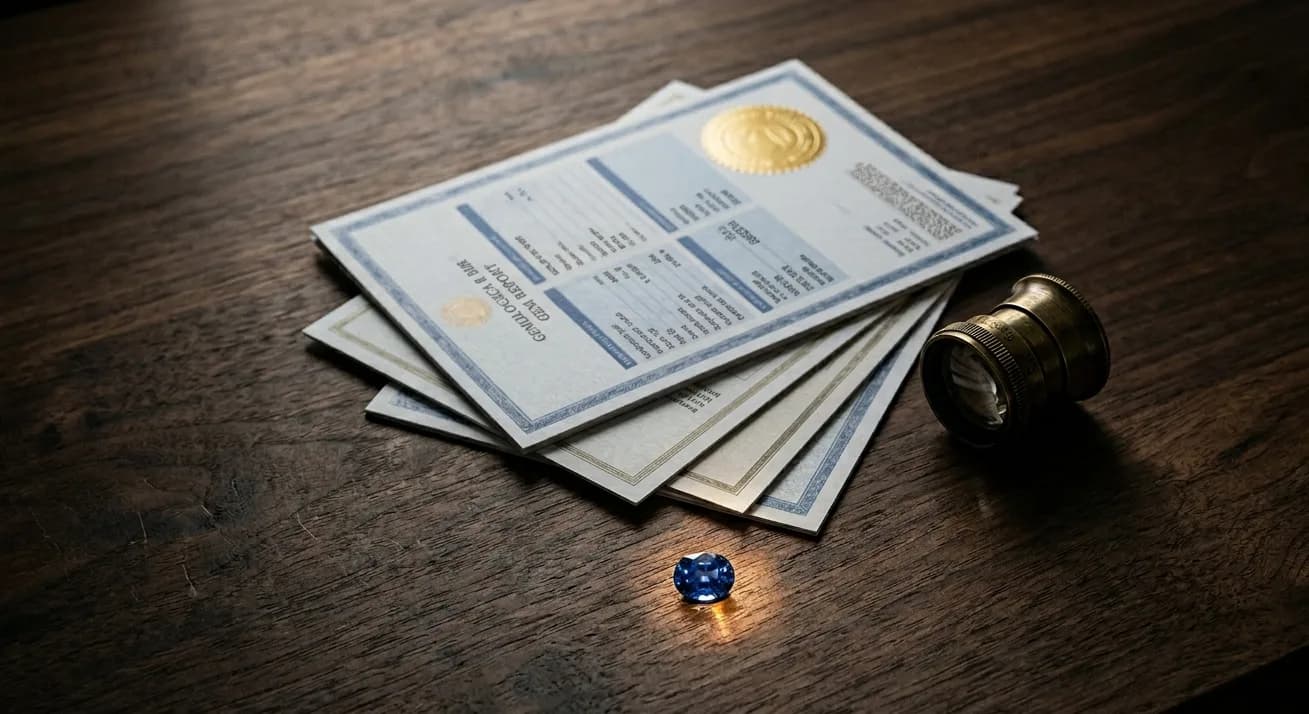
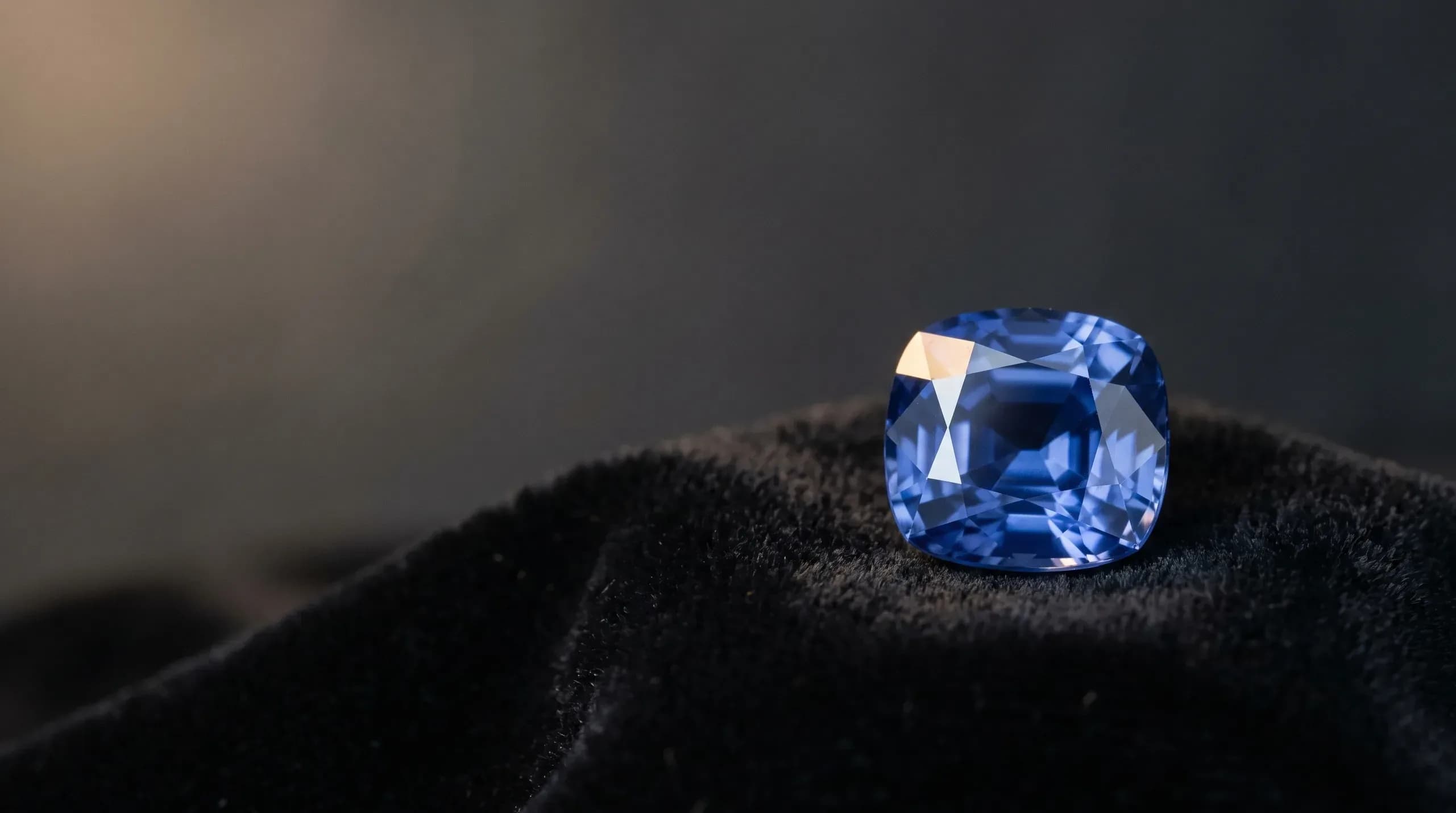
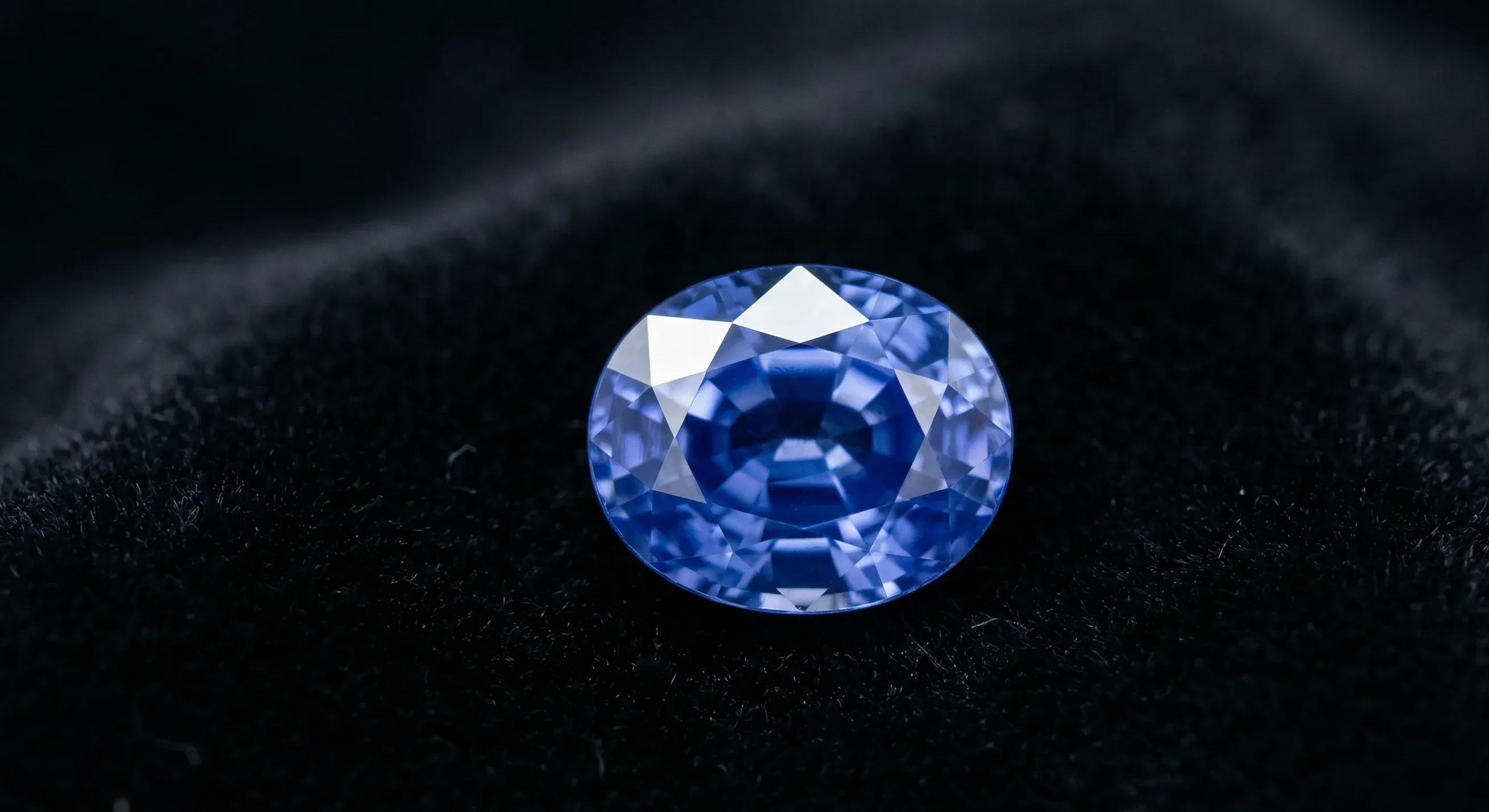
Why does one Ceylon sapphire cost three times as much per carat as another of the same colour? Here is how colour, treatment, carat weight, clarity, cut and lab reports stack up to set the price, with a checklist for testing any quote.
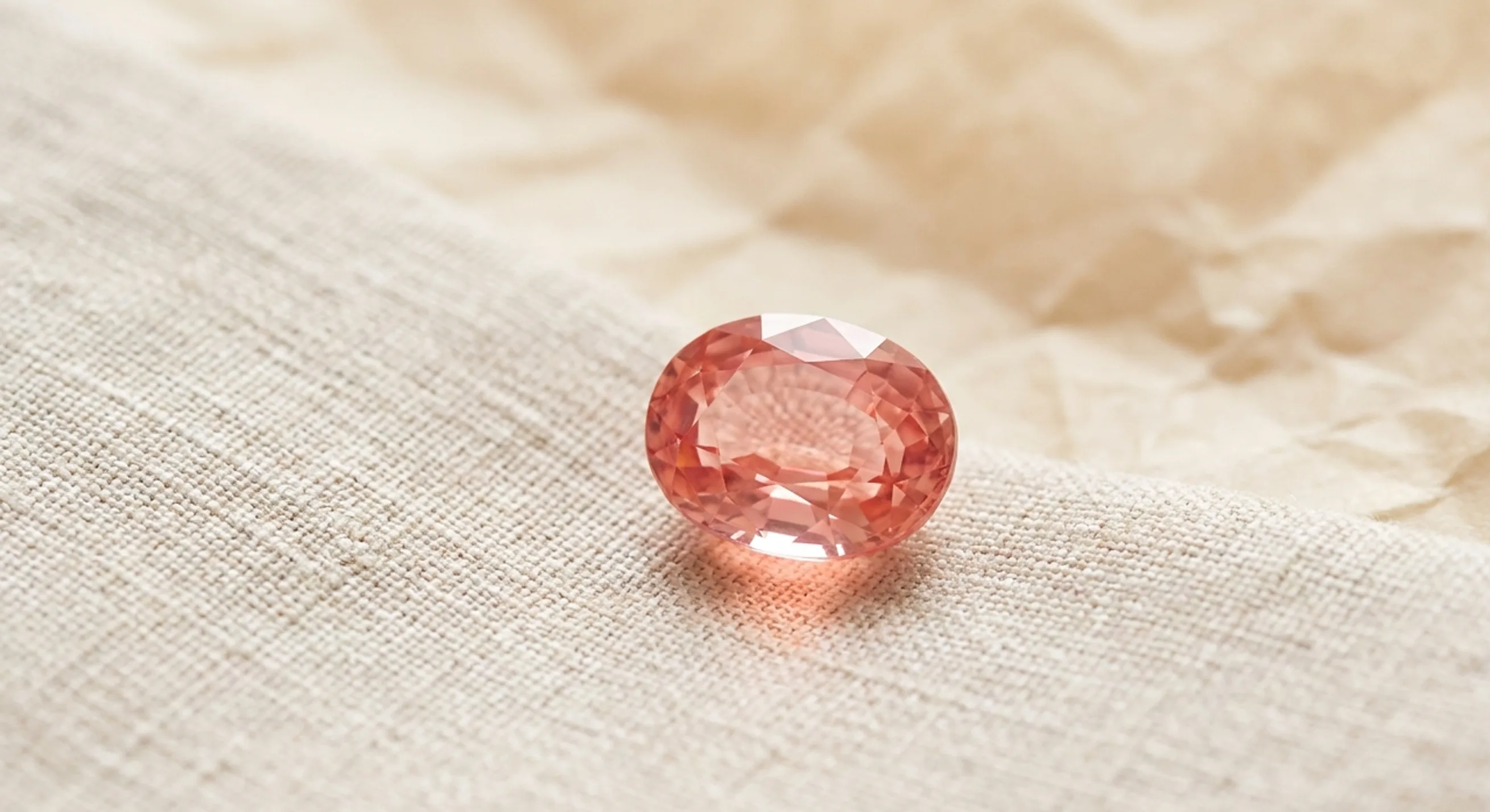
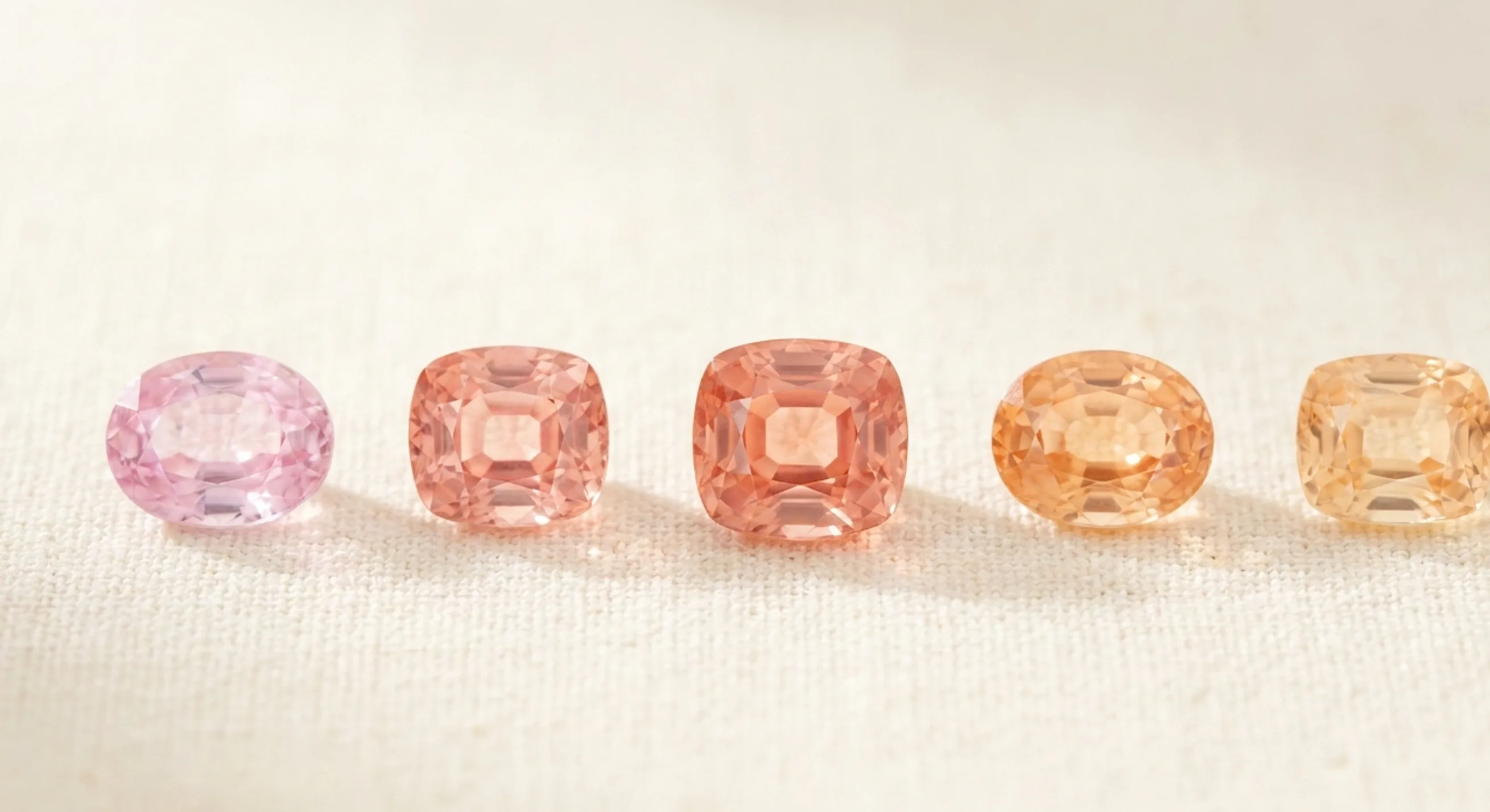
Padparadscha is a narrow band of pinkish orange to orangey pink, light to medium in tone and soft in saturation, judged in daylight. Here is where that glow starts and stops, why labs disagree on it, and the fading and diffusion tests that show whether it is real and permanent.
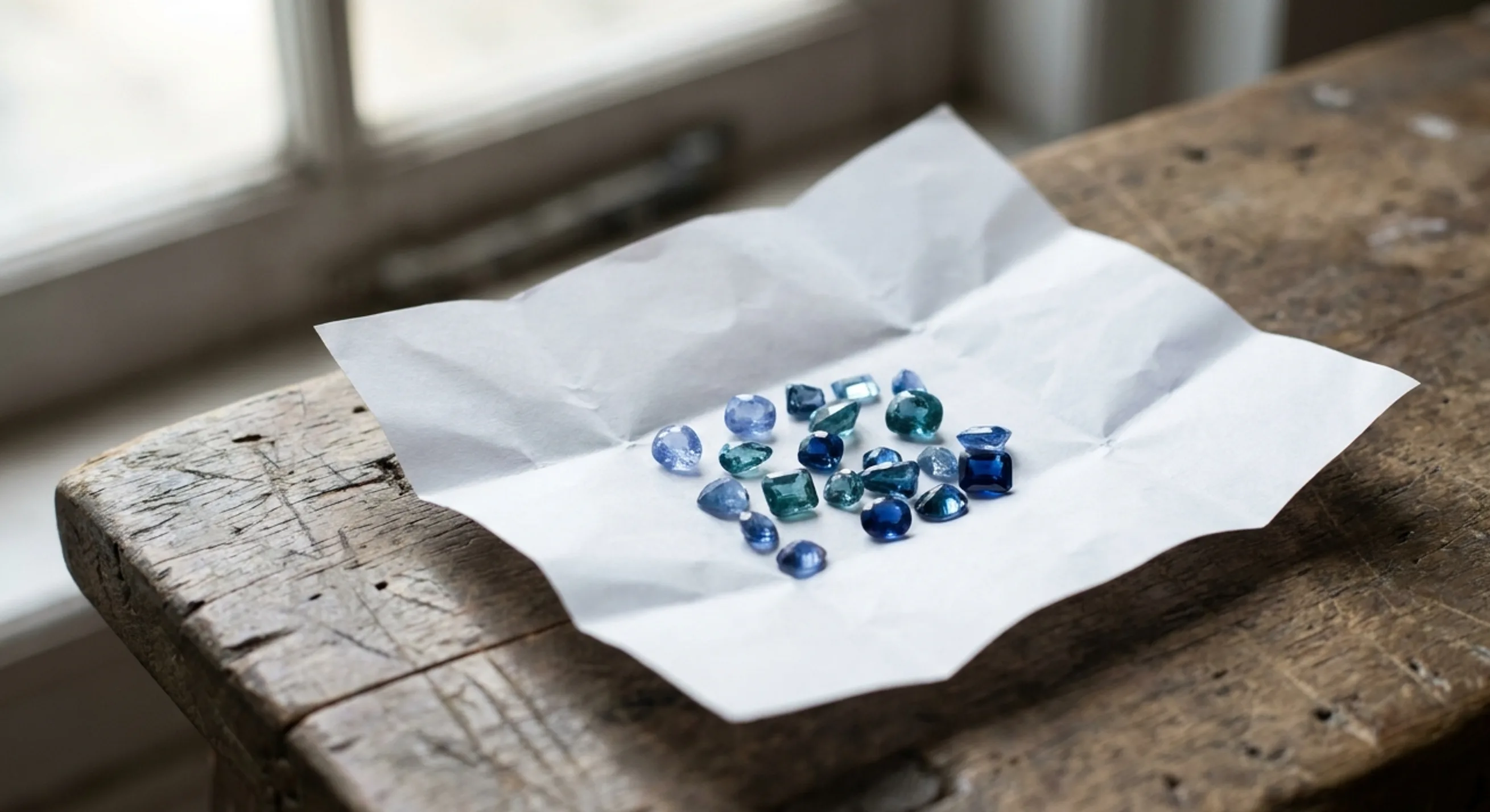
A founder's step-by-step framework for buying a natural Ceylon sapphire in any colour: what to decide first, how to judge a stone on video, which lab reports matter and when a certificate is worth paying for.
Padparadscha covers only a narrow band of pastel pinkish orange to orangey pink. This grading map shows where that band starts and ends, and why a stone just outside it sells for a fraction of the price.
A dealer's five-factor checklist for judging any Ceylon sapphire: colour, clarity, cut, origin and treatment. Each factor comes with a Sri Lankan benchmark and the red flags to check on any listing or certificate.
A practical guide to sourcing genuine Sri Lanka sapphires: where to buy, what paperwork to demand, and why buying loose from an origin brand beats layers of resale markup.
A trust-and-provenance guide to picking a gemstone dealer without getting burned, from certification and return policy to how deep the supply chain actually runs.
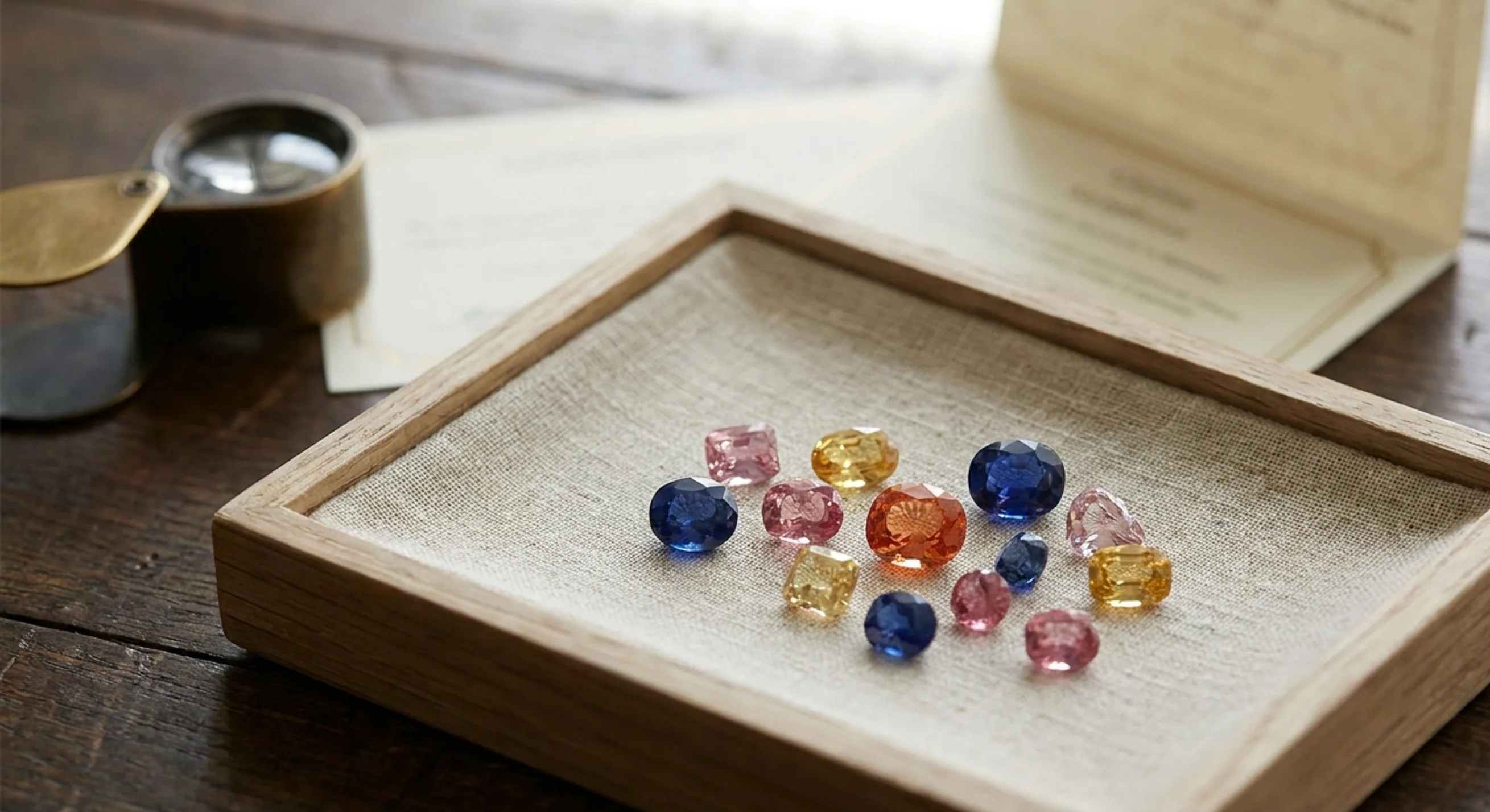
A working guide to building a colored gemstone collection with staying power, from balancing color and origin to why documentation compounds and unheated Ceylon material anchors the whole thing.
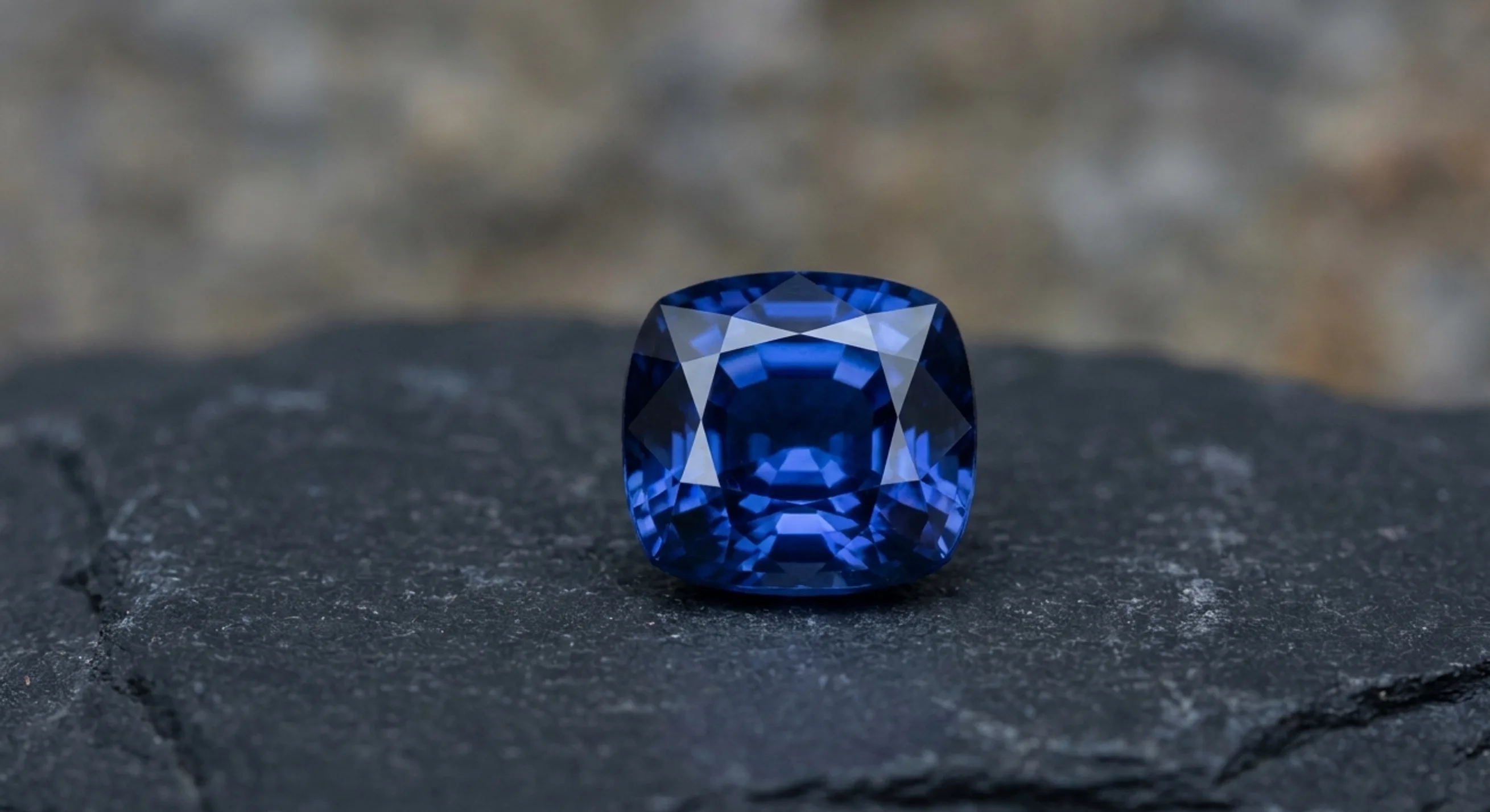
Royal blue is the deep, saturated end of the Ceylon blue spectrum. This guide defines the grade, explains the tone and saturation that drive its premium, and shows how Crestonne separates true royal blue from over-dark stones.
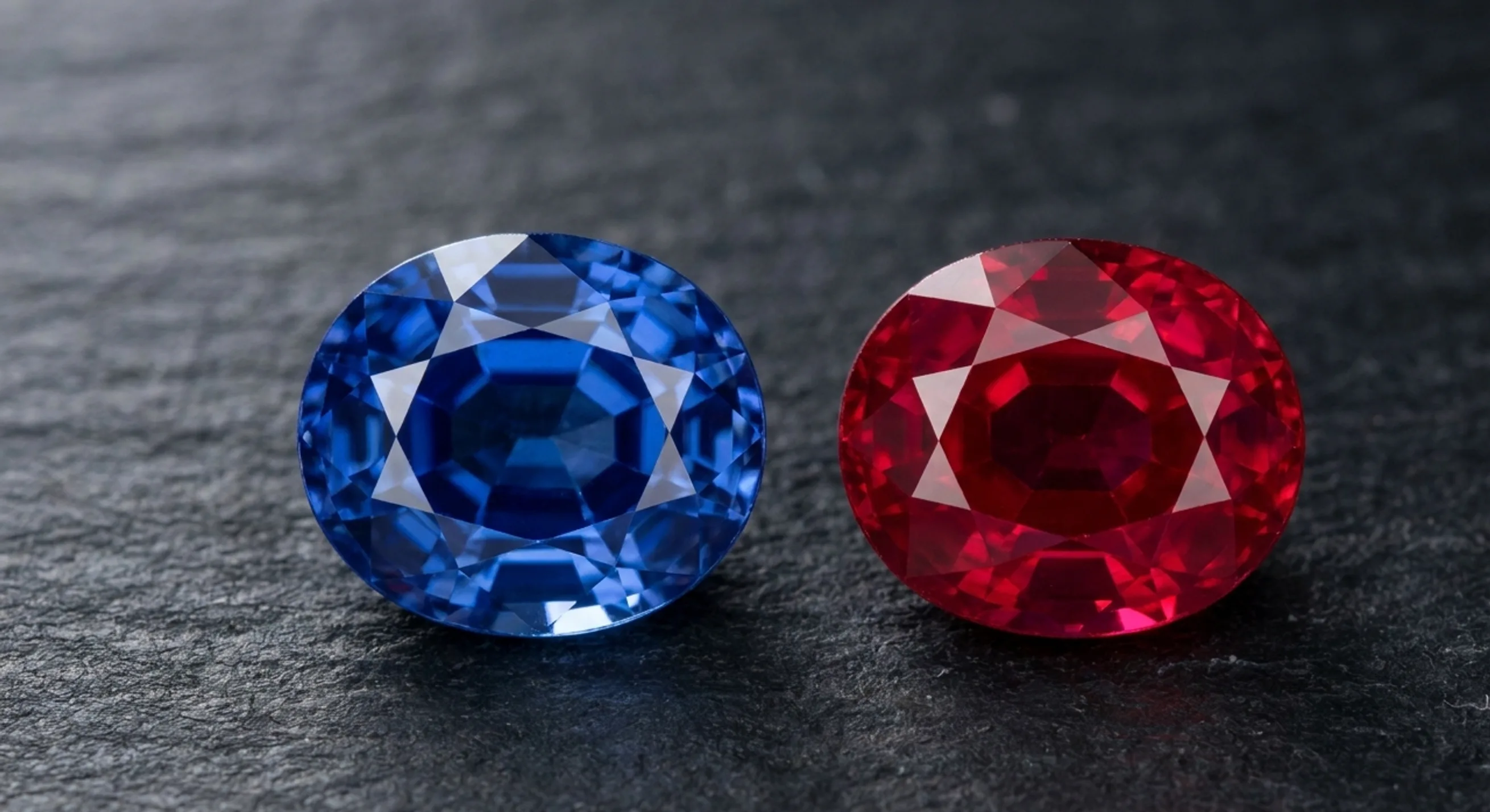
Sapphire and ruby are one mineral wearing two colours. Here is how a trace of chromium turns corundum red, and where the line between pink sapphire and ruby actually sits.
Sri Lanka has produced the world's benchmark sapphires for over two millennia. This is why origin still matters, and what actually separates a Ceylonese stone from the rest.
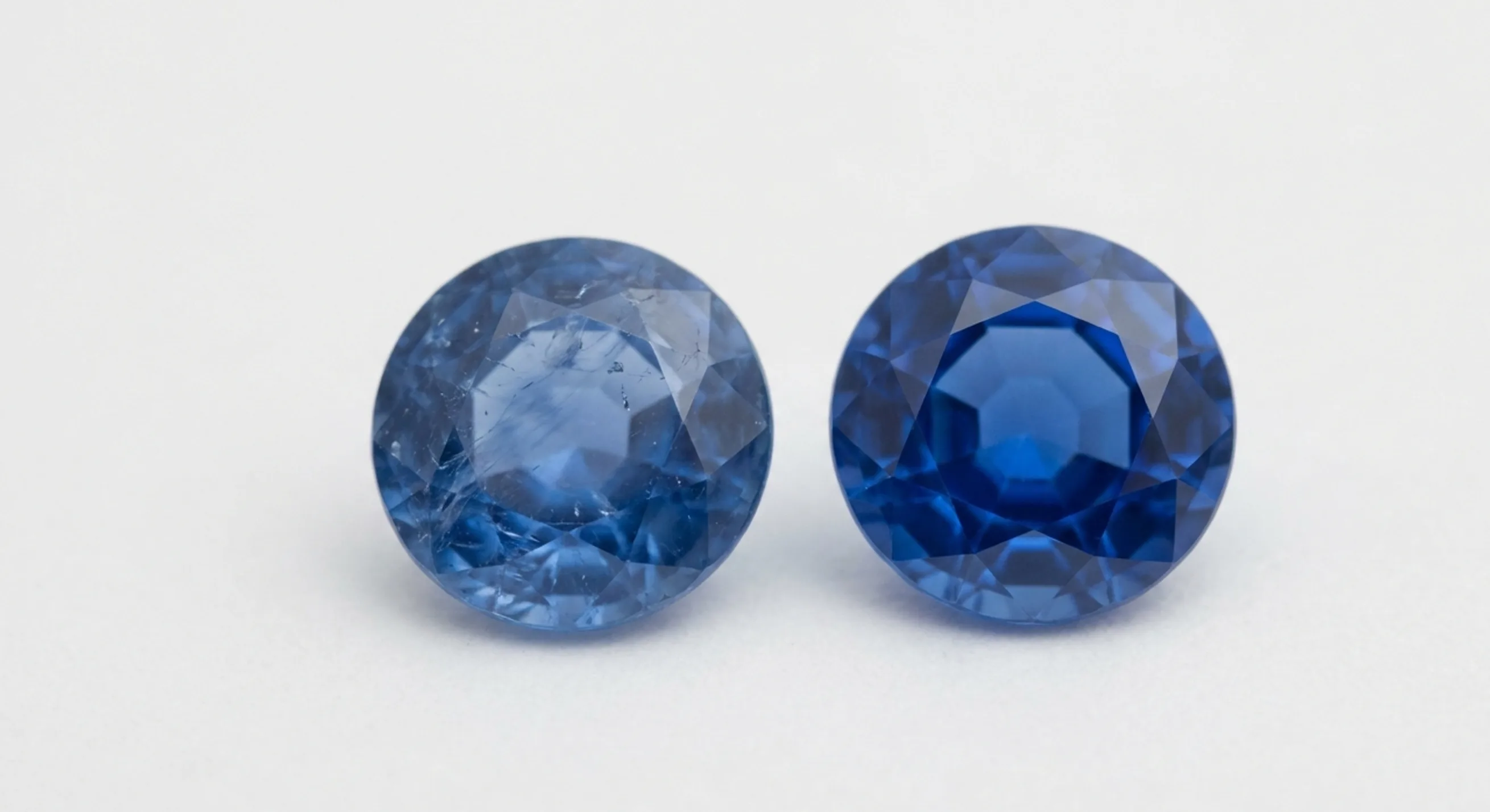
A dealer's checklist for separating a genuine natural blue sapphire from synthetics, diffusion-treated stones, and glass-filled composites, and knowing what "natural" should actually guarantee at your price point.
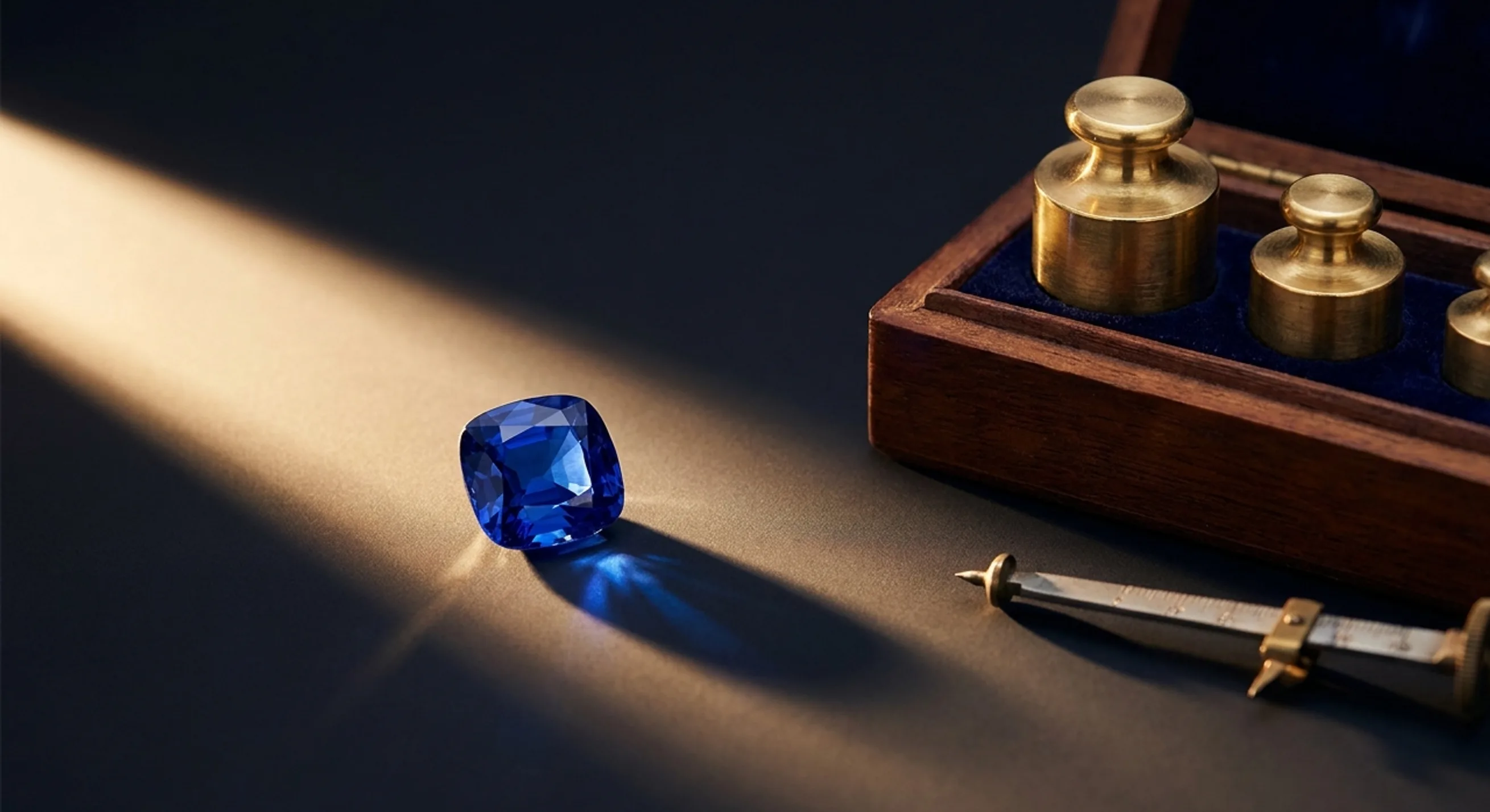
What a blue sapphire actually costs comes down to five factors that compound each other. This is a realistic breakdown of the ranges and the reasons behind them.
Blue sapphire is corundum coloured by trace iron and titanium, and Ceylon origin defines the benchmark blue. Here's how colour, clarity and origin actually shape what a stone is worth.
Most ethical gemstone certifications were built for diamonds and large industrial mines, not Sri Lankan sapphires. Here is what each one actually covers, and what to ask a dealer when no scheme fits.
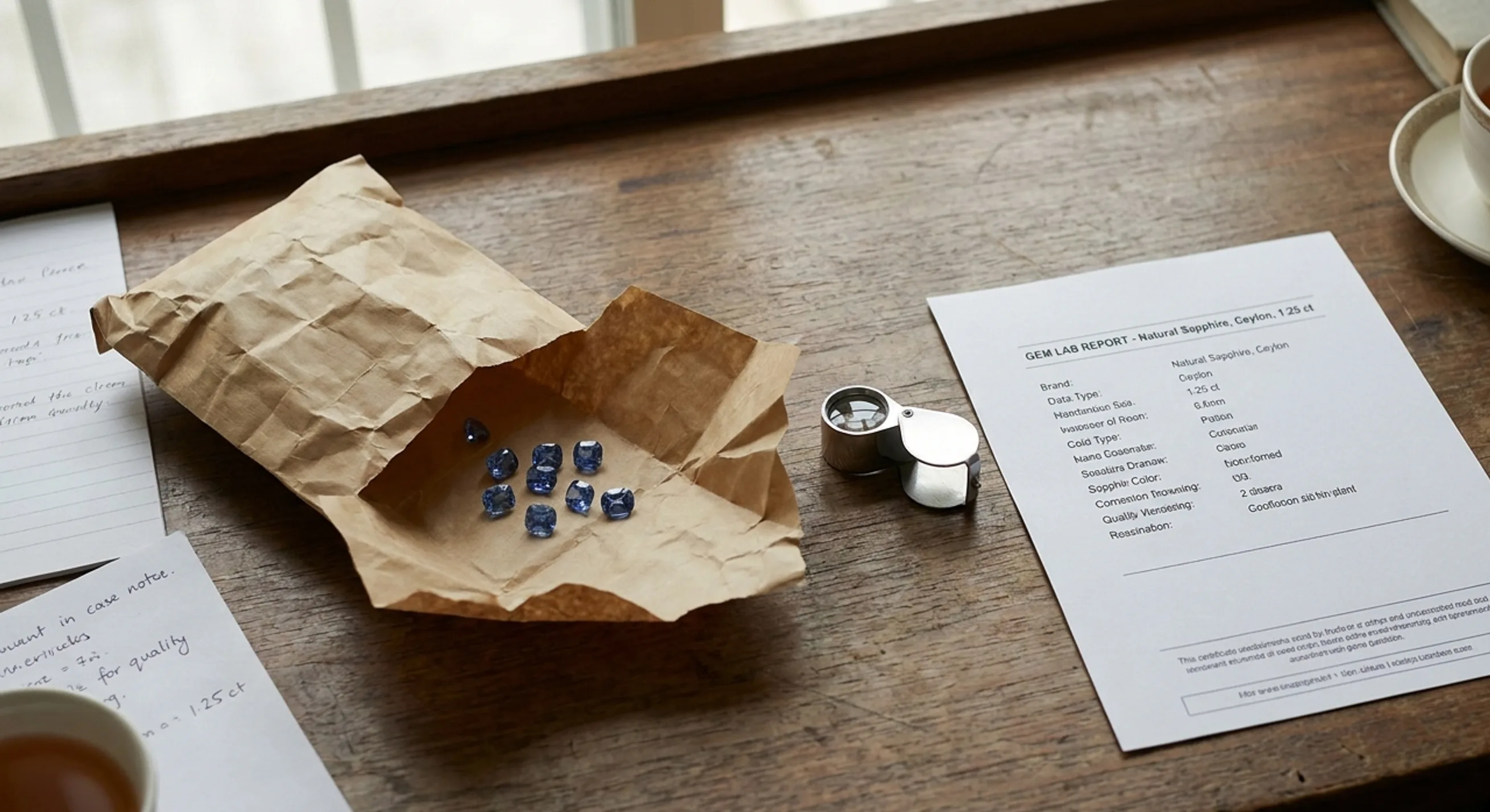
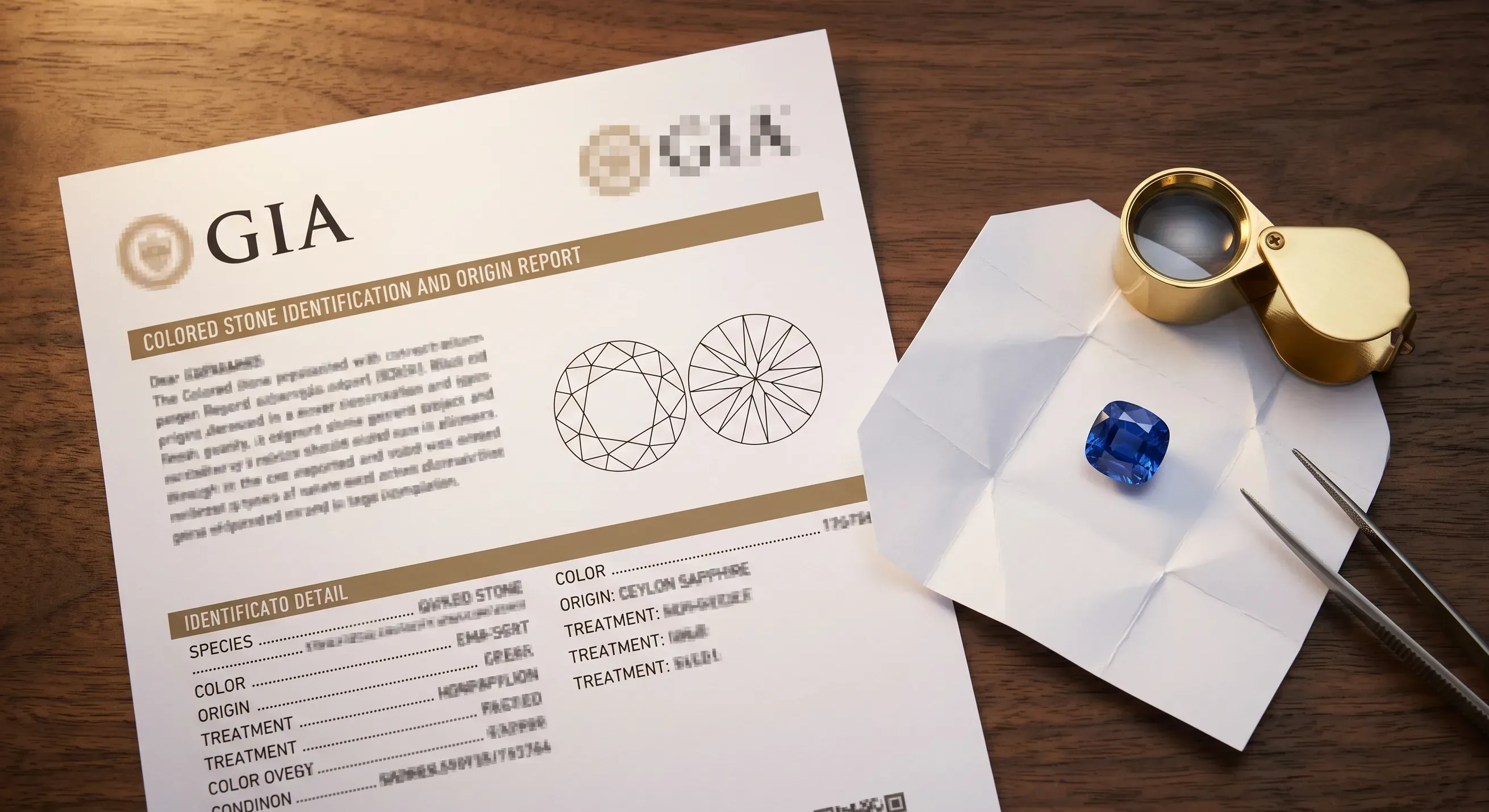
A GIA sapphire report confirms what a stone is, how it has been treated, and in many cases where it came from. Here is a field-by-field walkthrough, plus the red flags to watch for when a report arrives with a stone.
Heat treatment is the single biggest price lever in the sapphire market. Here is exactly what it does to the stone, and when paying the unheated premium is worth it.
Visual checks can point you in the right direction, but the only reliable proof that a sapphire is from Ceylon is a laboratory report. Here is what to look for before you spend.
First Look at New Ceylon Sapphires
New stones and guides, straight from the source. Written rarely, and only when there is something worth saying.