Understanding
Blue Sapphire: The Complete Ceylon Guide (2026)
Blue sapphire is corundum coloured by trace iron and titanium, and Ceylon origin defines the benchmark blue. Here's how colour, clarity and origin actually shape what a stone is worth.
9 min read
By Naseef AR
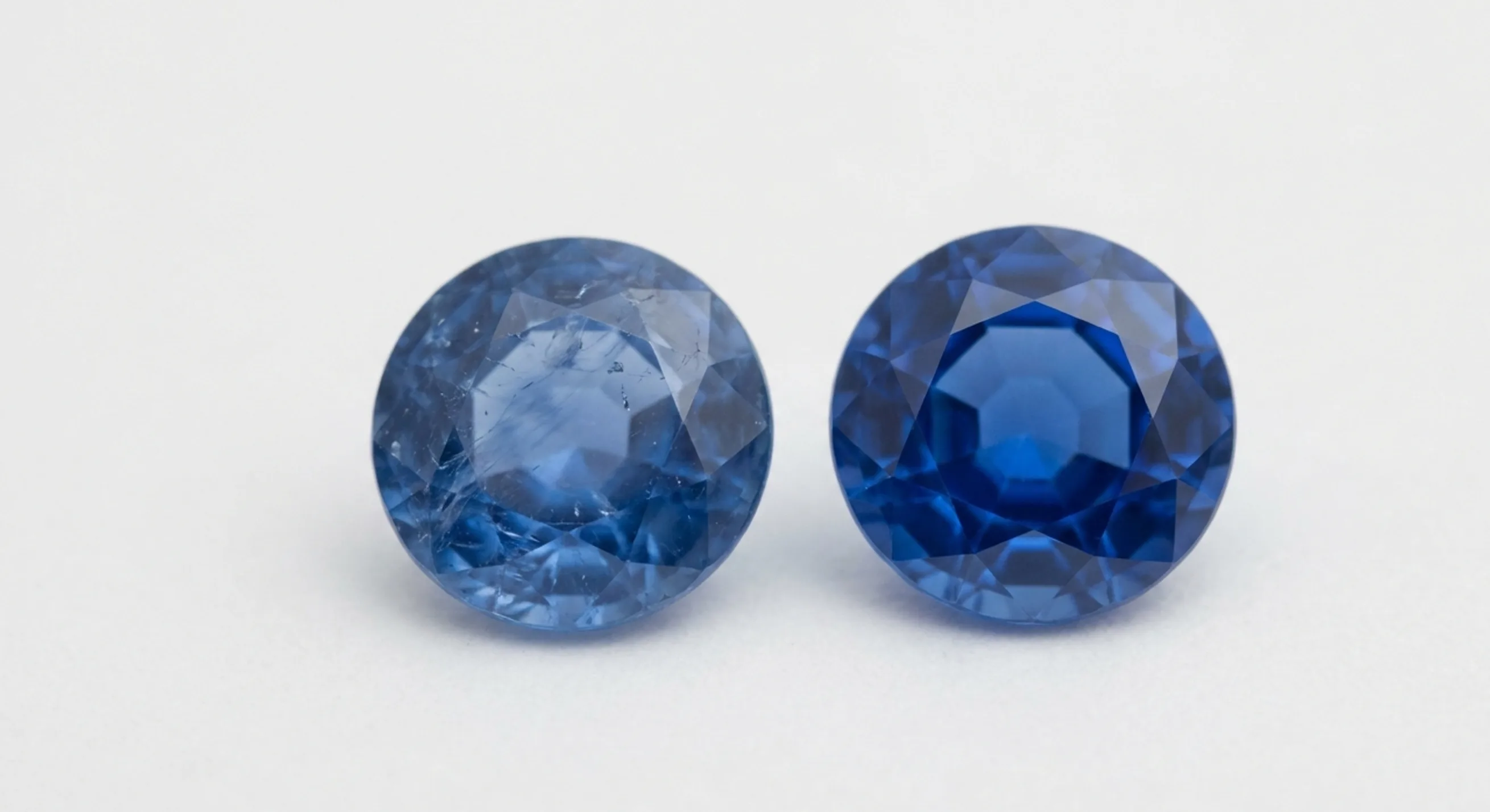
Blue sapphire is gem-quality corundum (aluminium oxide) coloured blue by trace amounts of iron and titanium. It sits at Mohs 9, second only to diamond in hardness, which is why it survives daily wear in rings without sweating it. The blue you picture in your head when someone says "sapphire" is, more often than not, a Ceylon blue: medium to medium-deep, slightly violet, alive under both daylight and lamplight. That benchmark blue is the reason Sri Lankan origin still commands a premium at every level of the trade.
If you only remember one thing: colour drives value first, then clarity, then origin, then size. Treatment status sits underneath all of it as a price multiplier. Below, I'll walk you through each of those the way I'd explain it to a buyer standing at my table in Colombo.
What is a blue sapphire?
A blue sapphire gemstone is the blue variety of the mineral corundum. Pure corundum is colourless. Add a pinch of iron and titanium into the crystal lattice and you get blue. Swap in chromium and you'd get ruby instead, which is the same mineral wearing a different coat. That shared chemistry is why ruby and sapphire are siblings, not cousins.
Three things make sapphire a serious jewellery stone:
- Hardness. Mohs 9 means it resists scratching from almost everything you'll encounter day to day.
- Toughness. No cleavage planes, so it doesn't chip along a weak direction the way some gems do.
- Stability. Colour doesn't fade in sunlight, and it shrugs off ordinary heat and household chemicals.
That combination is why sapphire shows up in engagement rings far more than softer coloured stones. It's built to be worn, not stored in a drawer.
Why is Ceylon sapphire considered the best?
"Best" is the wrong frame. "Benchmark" is the right one. Ceylon sapphire is the reference point the rest of the market is measured against, and there are concrete reasons for that.
Sri Lankan deposits tend to produce stones with lower iron content than basalt-related sources like Australia or parts of Thailand. Less iron generally means a brighter, more open blue rather than a dark, inky one. The classic Ceylon blue reads vivid in the hand, holds its colour under artificial light, and doesn't go black in shadow. That's the look most buyers are chasing without knowing the geology behind it.
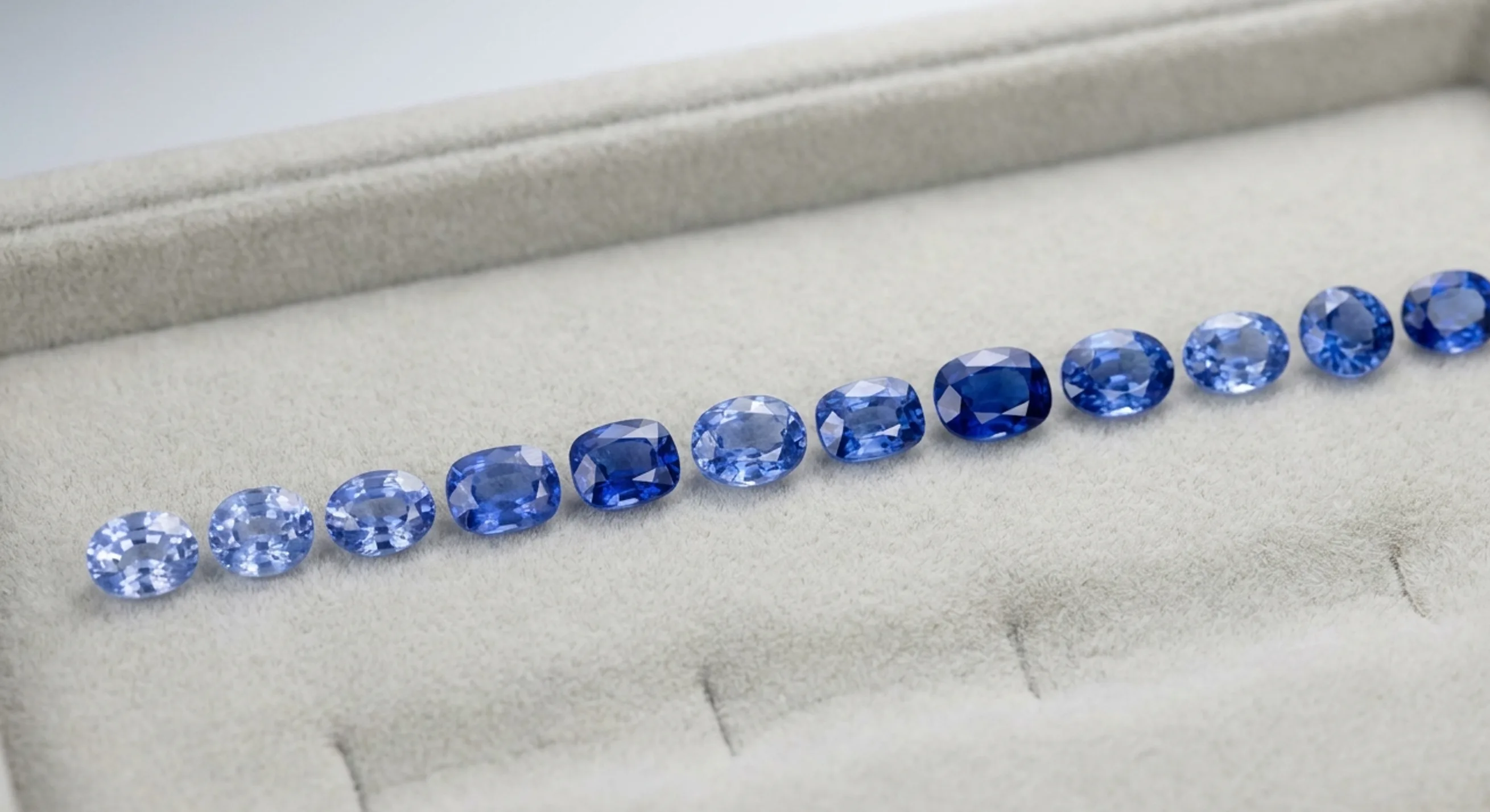
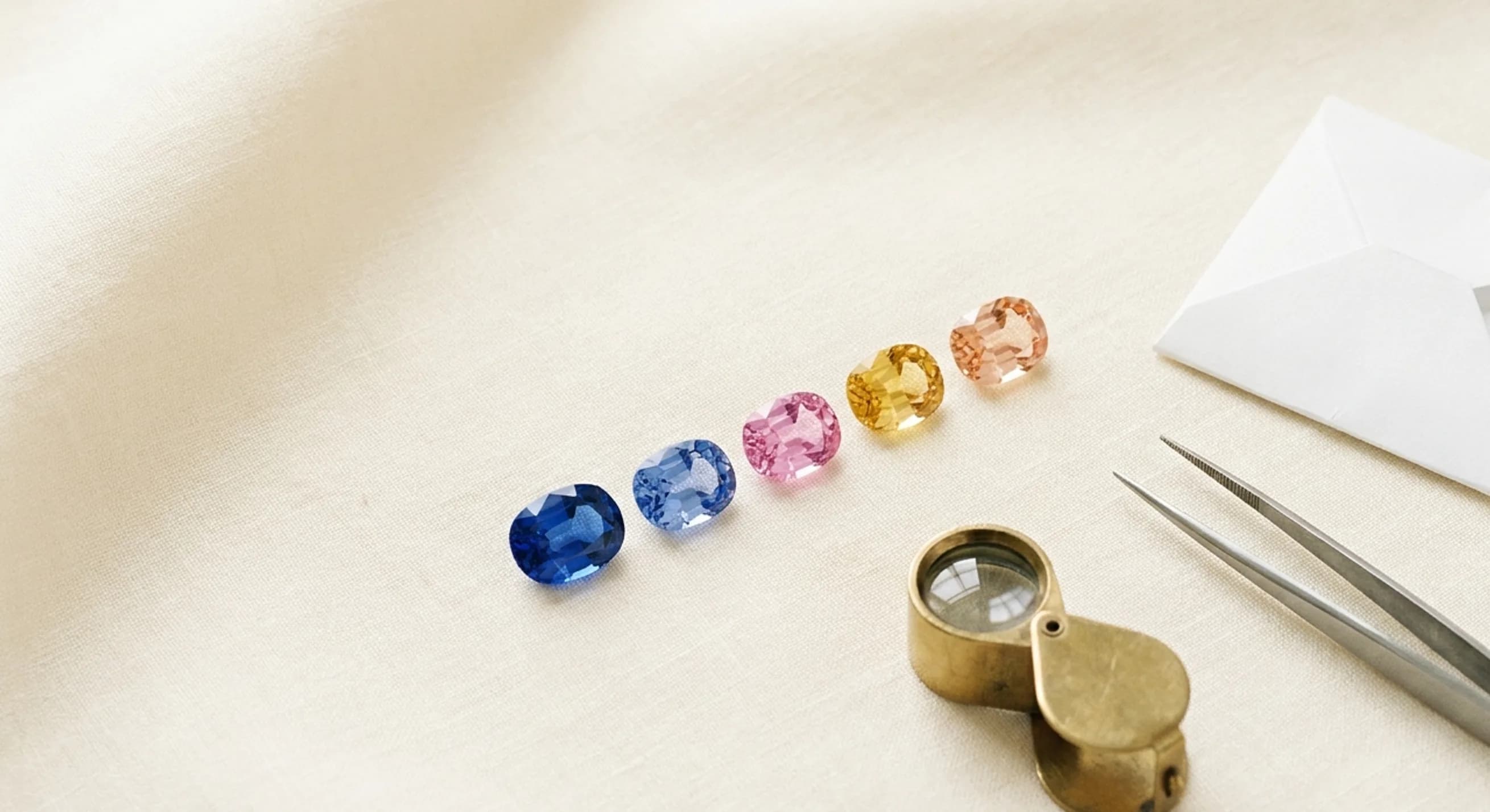
Ceylon also has range. The island produces everything from pale "geuda" material through to deep royal blues and the prized cornflower blue colour grade, the soft, slightly velvety medium blue that collectors hunt for by name. Few origins offer that breadth from a single mining belt.
I'll give you the sensory version. The first time I sorted a fresh parcel at the Ratnapura market at dawn, the dealer tipped maybe forty rough stones onto a worn paper packet in flat morning light. No lamps, no theatrics. Even uncut and dusty, two or three of them held a blue you could pick out across the table. That ability to show colour in poor light, before any cutting or polishing, is the Ceylon signature. You learn to trust your eye in daylight first, because daylight doesn't lie the way a jeweller's spotlight can.
What is a natural blue sapphire?
A blue sapphire natural stone is one that formed in the earth over millions of years, as opposed to a synthetic grown in a lab. Synthetics are real corundum chemically, but they're manufactured, and they trade for a tiny fraction of natural stones. Most blue sapphire on the market is natural. The honest complication is treatment.
Heat treatment is the industry norm
The vast majority of natural blue sapphire sold worldwide has been heat treated. Heating is a standard, permanent, and widely accepted process that improves colour and clarity by finishing what nature started. Ceylon material has been heated for centuries, long before modern furnaces, because the local geuda rough responds beautifully to it. A heated Ceylon sapphire is still a genuine natural sapphire. It is not fake, and it is not inferior. It is the normal product the global trade runs on, and it's what makes good blue colour accessible at sane prices.
Unheated is the premium tier
A natural sapphire that has never been heated, with colour and clarity straight from the ground, sits in the premium tier. These are rarer, and a credible lab report stating "no indications of heating" can multiply the price substantially. When you see a stone described as unheated, the certificate is the whole story. Without lab confirmation from a recognised house, the claim is just a claim.
That's the line I hold at every lab submission. Stones I represent as unheated go to GIA, SSEF, or Gubelin, and I price them on what the report says, not on what I hope it says. If you want the deeper version of spotting genuine material yourself, I wrote a full walk-through on how to tell if a sapphire is real.
What affects the value of a blue sapphire?
Four factors, in roughly this order of impact.
Colour
Colour is king, and it breaks into three parts:
- Hue. Pure blue to slightly violetish blue is most desirable. A green or grey secondary tint pulls value down.
- Tone. How light or dark the stone is. The sweet spot is medium to medium-dark. Too pale looks washed out; too dark goes inky and loses life.
- Saturation. How vivid the colour is. Strong, clean saturation with no grey is what separates a good stone from a great one.
The cornflower and royal blue descriptions both live inside this colour conversation. They're not separate species of sapphire, they're points on the colour map that the trade has named because buyers ask for them.
Clarity
Sapphire is allowed inclusions in a way diamond isn't. Fine silk (microscopic needles) can actually soften and scatter light pleasingly, and certain inclusions are how a lab confirms natural origin and even pinpoints Ceylon. What you're watching for is whether inclusions hurt transparency or sit in a spot that weakens the stone. Eye-clean with good brilliance is the practical target for most buyers. Flawless under magnification is rare and priced accordingly.
Origin
Origin is a value lever because it's a proxy for colour quality and rarity. A lab report naming Sri Lanka (Ceylon) origin adds confidence and, often, price, especially at the top end where collectors pay for provenance. Origin determination is a science the major labs take seriously, reading inclusion scenes and trace-element chemistry.
Carat weight
Price per carat climbs as size goes up, because larger clean stones are disproportionately rarer. A two-carat stone of a given quality costs more than twice a one-carat of the same quality. Fine unheated Ceylon material in larger sizes can reach well into several thousand per carat, while attractive commercial heated stones remain far more affordable. I'm deliberately giving you ranges rather than false precision, because any honest dealer prices each stone on its own merits, not off a chart.
How can you tell a real blue sapphire from a fake?
A few field checks before you ever reach a lab:
- Hardness behaviour. Real sapphire shows no scratches from softer materials. Glass imitations scuff.
- Inclusions. Natural stones usually show some internal character under a loupe. Glass often shows gas bubbles instead. Perfectly "clean" cheap stones are a red flag.
- Colour zoning. Many natural sapphires show uneven colour banding. Synthetics often look too uniform.
- Cool to the touch. Sapphire conducts heat and feels cold; glass warms quickly in the hand.
These narrow the field but don't replace a report. For any meaningful purchase, insist on certification from a recognised lab. The single most reliable signal is a stone that comes with paperwork from a house like GIA or SSEF, photographed honestly.
That last point matters more than people admit. A lot of online sapphire photos are shot under blue-heavy lighting that flatters the stone and oversells the colour. We shoot Crestonne stones in consistent, neutral light and tell you the treatment status and lab status up front, so the blue you see is the blue that arrives. If a stone is heated, we say heated. If it's unheated with a report, we show you the report.
Blue sapphire vs other blue gems
Quick orientation, because buyers conflate these.
- Tanzanite is softer (Mohs 6.5 to 7), more violet, and far less durable for daily rings.
- Blue spinel is a genuinely lovely, often untreated alternative, but trades on its own merits and lacks sapphire's hardness.
- Lab-grown sapphire is real corundum but manufactured, and priced as such.
- Blue topaz is almost always irradiated to that colour and is a budget stone, not a sapphire substitute.
None of these is the benchmark. When colour, durability, and long-term value all matter, natural blue sapphire is the stone the others get compared to.
How to buy a blue sapphire without overpaying
Buy the colour first. Hold any stone in daylight, not just under a shop lamp, and check it stays blue in shadow rather than going black. Decide whether you want the accessibility of a well-cut heated stone or the rarity of certified unheated material, and price your expectations accordingly. Demand a recognised lab report for anything in the serious-money range, and read the treatment line before you read the price. Then trust a seller who states treatment and origin plainly instead of burying it.
That's the whole game. The benchmark blue, an honest report, and a dealer who'd rather lose a sale than misdescribe a stone.
If you want a stone matched to a specific blue, budget, or setting, tell me what you're after and I'll source it from the parcels I work directly. Start with a custom sourcing request, or browse what's currently cut and certified in our Ceylon sapphire collections.
Common questions
Frequently Asked Questions
Is a heated blue sapphire still a real sapphire?
Yes. A heated stone is a genuine natural sapphire that formed in the earth. Heat treatment is a standard, permanent, and accepted process that improves colour and clarity, and it's what the vast majority of the global trade is built on. It is not fake and not inferior to unheated material; unheated simply sits in a rarer, premium tier confirmed by a lab report.
Why is Ceylon blue sapphire more sought after?
Sri Lankan deposits tend to have lower iron content, which generally produces a brighter, more open blue that holds its colour under both daylight and lamplight rather than going dark. Ceylon also produces a wide colour range, from pale geuda to royal and cornflower blue, which is why it remains the benchmark origin the market measures others against.
How can I tell if a blue sapphire is natural and not lab-grown?
Natural stones usually show some inclusions and sometimes colour zoning under a loupe, feel cool to the touch, and resist scratching. Lab-grown sapphire is real corundum but often looks too uniform and may show curved growth lines or gas bubbles. For any meaningful purchase, the reliable answer is a report from a recognised lab such as GIA or SSEF.
What is the most valuable colour for a blue sapphire?
A vivid, pure to slightly violetish blue in medium to medium-dark tone, with strong saturation and no grey, commands the most. The cornflower and royal blue descriptions both live inside this colour range. Origin, clarity, and carat weight then layer on top, with certified unheated Ceylon material in larger sizes reaching the highest prices per carat.