Ethics & Sourcing
Ceylonese Sapphire: Why Sri Lanka's Stones Stand Apart
Sri Lanka has produced the world's benchmark sapphires for over two millennia. This is why origin still matters, and what actually separates a Ceylonese stone from the rest.
Published Updated 8 min read
By Naseef AR
A ceylonese sapphire is prized above almost every other origin for one reason: the combination of geology, colour, and clarity that Sri Lanka produces consistently. The island's stones tend toward a brighter, more transparent blue than material from many other deposits, with a lightness that jewellers have chased for centuries. When a serious buyer or auction house sees "Ceylon" on a report, it signals a specific look and a long provenance. That reputation was not marketed into existence. It was earned over more than 2,000 years of mining the same gem-bearing gravels.
Below is what actually stands behind that name, and why origin still moves price and desirability at the top of the market.
What is a Ceylonese sapphire?
Ceylon is the historical name for Sri Lanka, and the term stuck to the gemstones long after the country changed its name in 1972. A ceylon sapphire, sri lanka stone is simply corundum mined on the island, most of it from the alluvial deposits around Ratnapura, Elahera, and Balangoda. Corundum sits at 9 on the Mohs hardness scale, second only to diamond, which is part of why sapphire has survived millennia of river tumbling to reach the gravels where it is mined today.
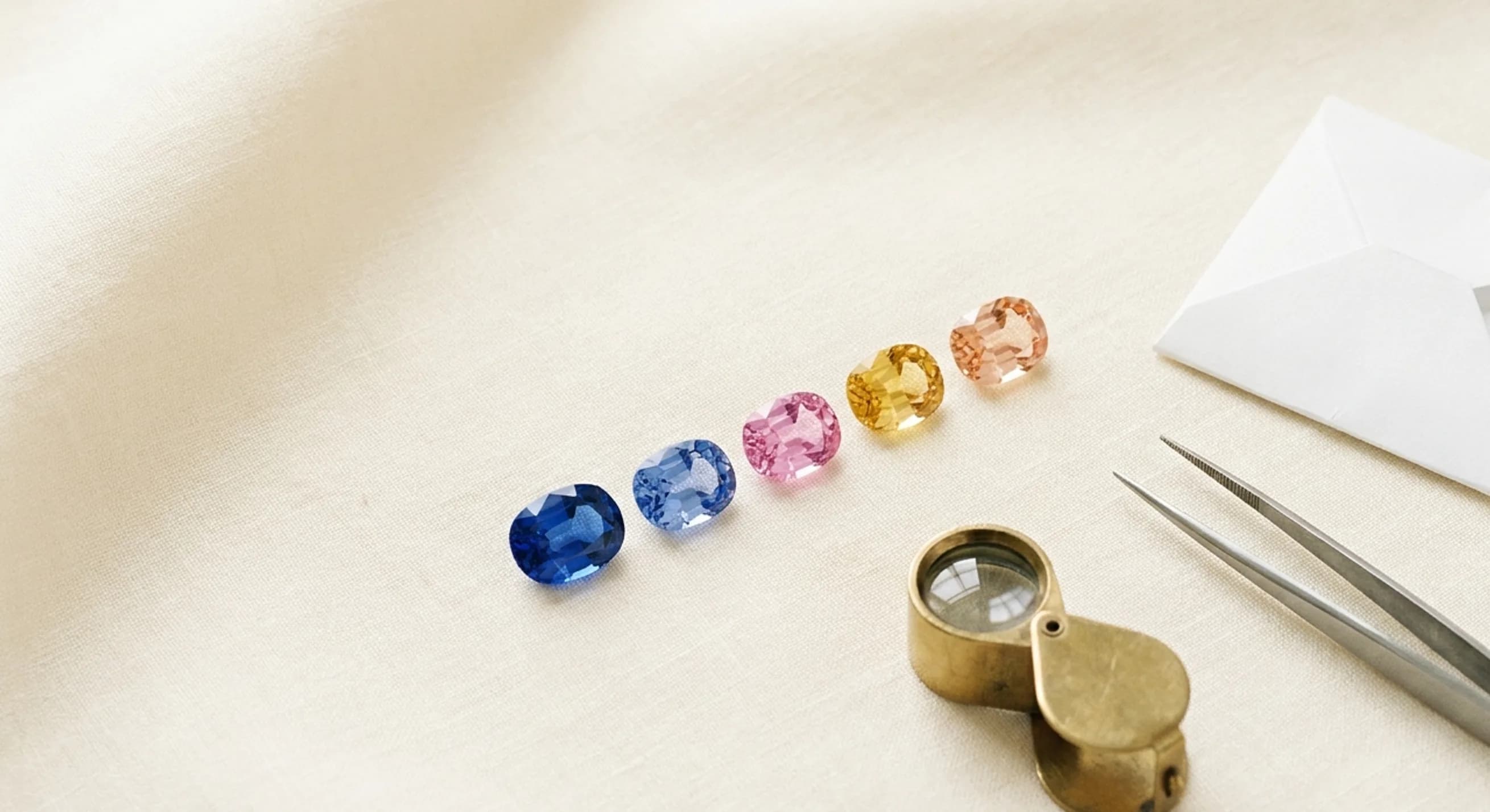
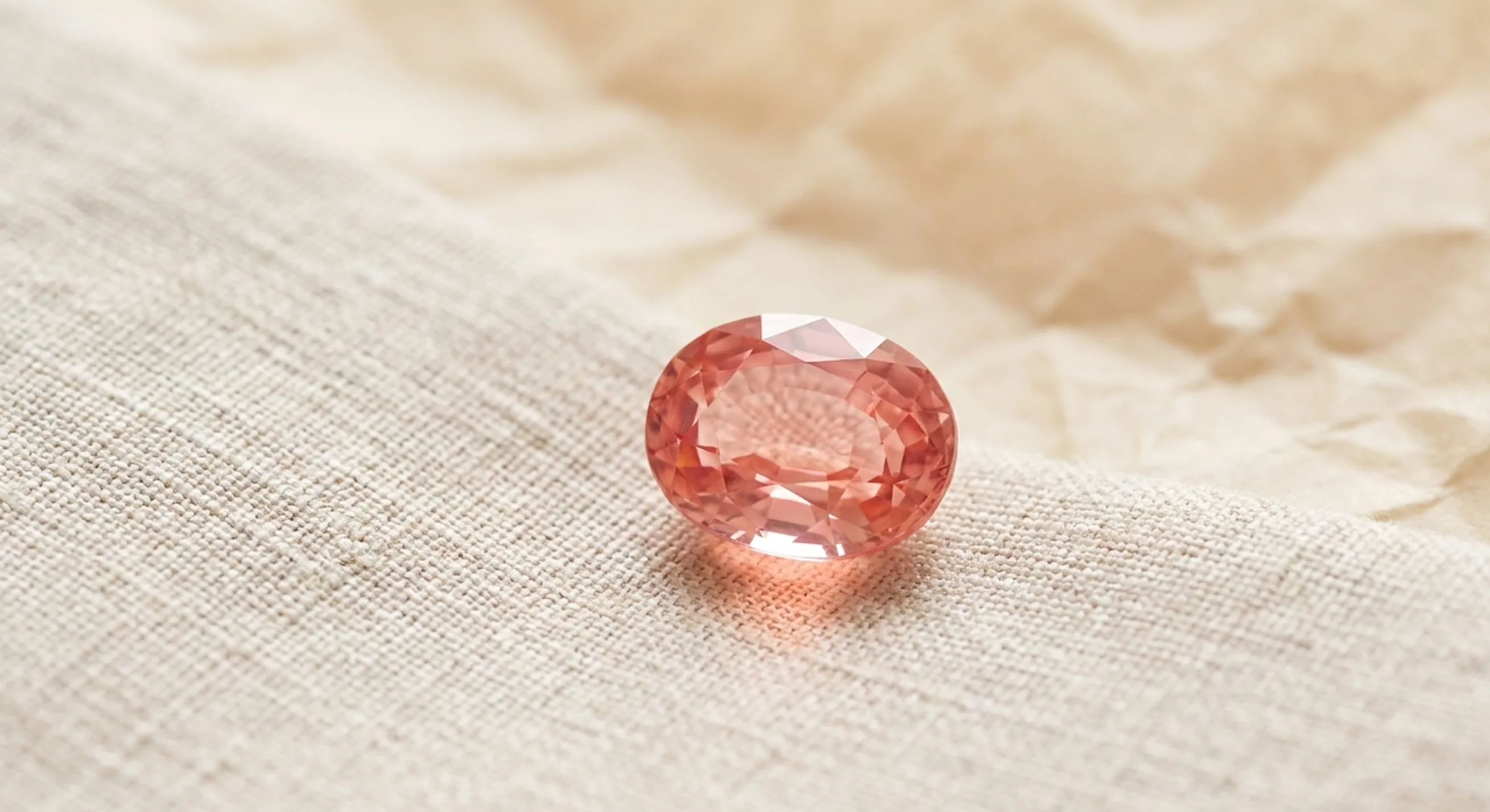
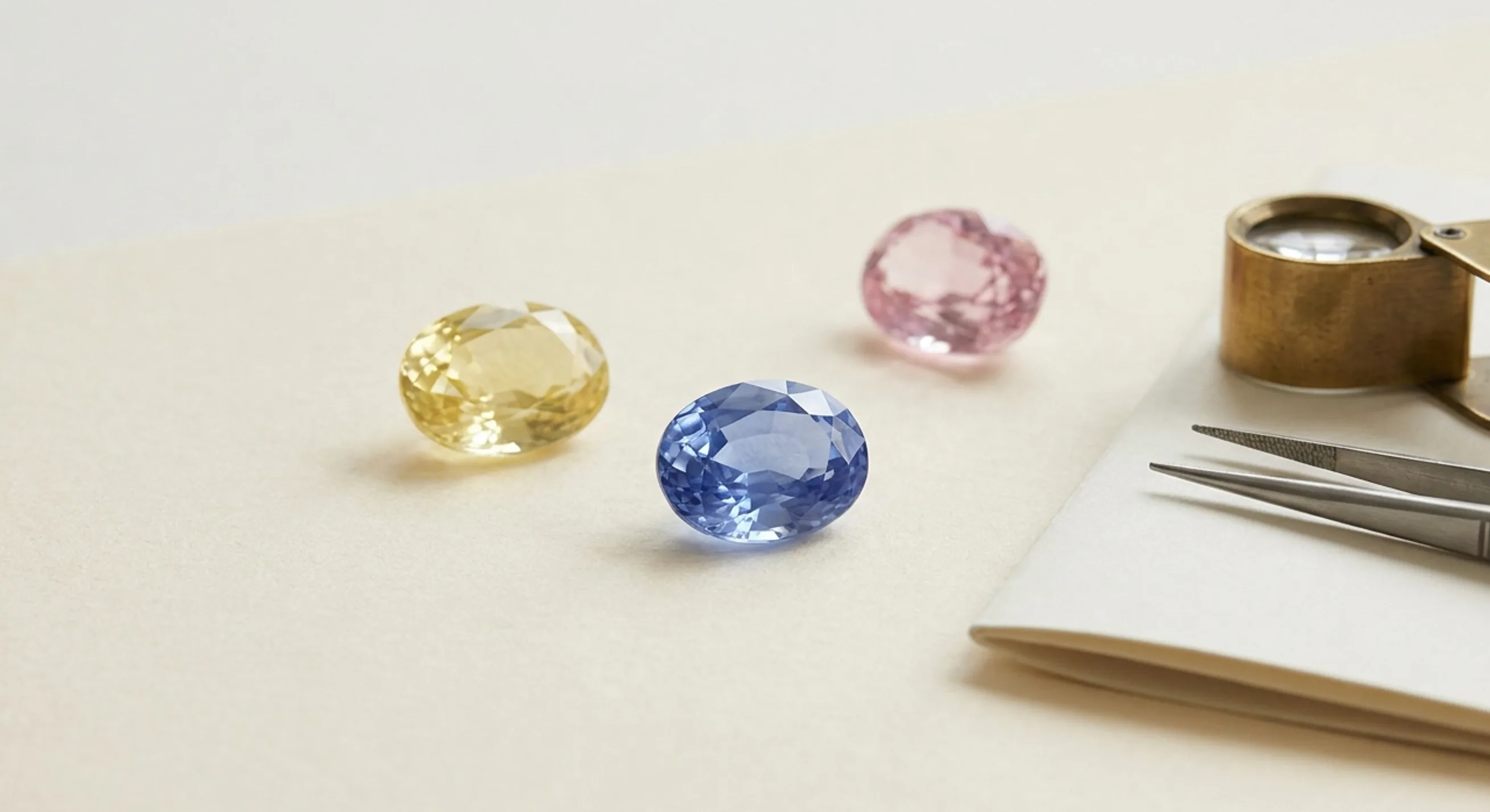
Sapphire comes in every colour except red, since red corundum is classified as ruby. Sri Lanka produces the full range: blue, of course, but also the pink-orange padparadscha the island is famous for, plus yellow, pink, violet, white, and colour-change material. When most people say sapphire, they mean the classic ceylon blue sapphire, and that is where the origin's reputation is strongest.
Where does sapphire in Sri Lanka come from?
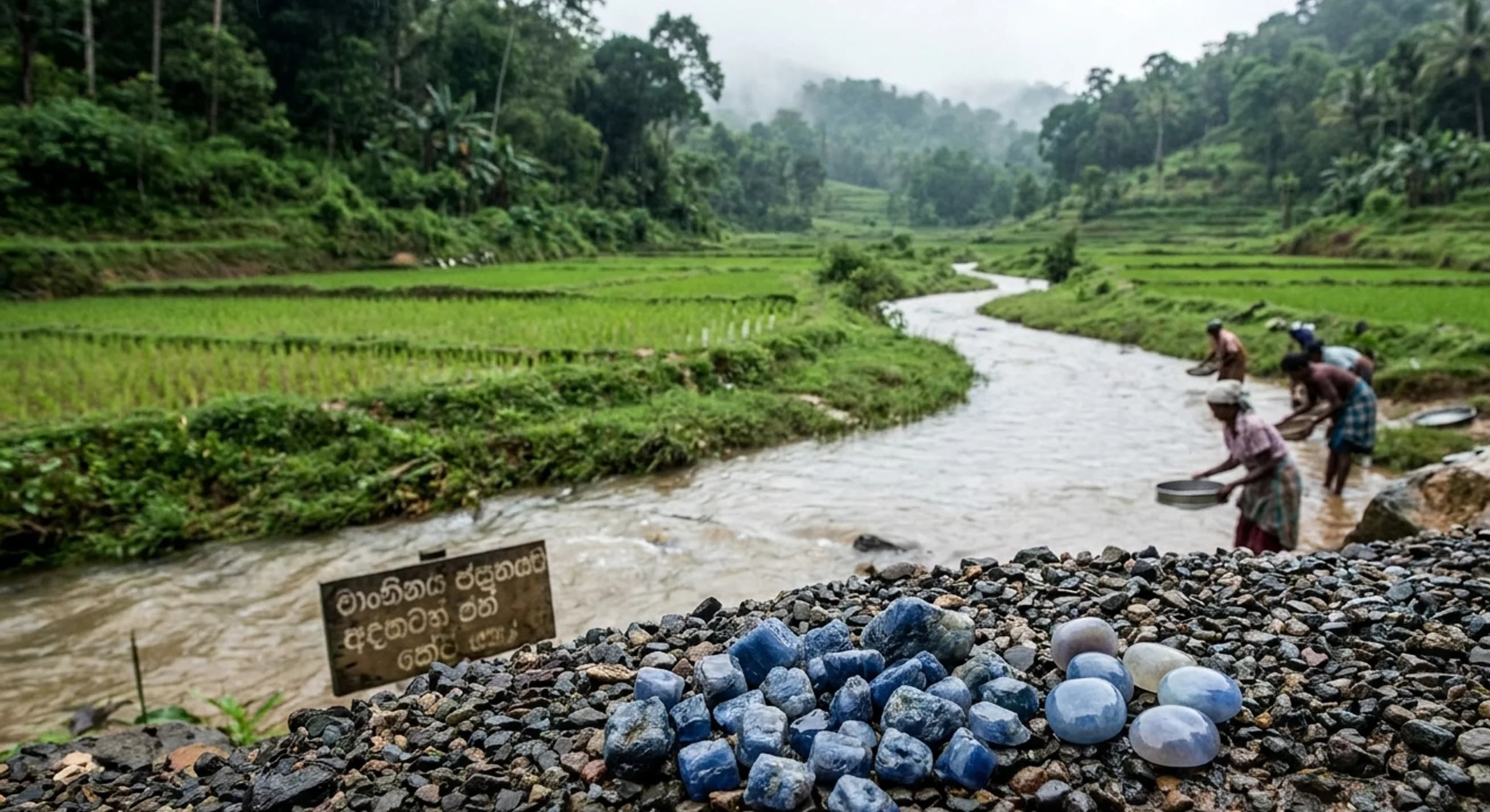
Most sapphire in Sri Lanka is not dug from hard rock. It is recovered from secondary alluvial deposits, layers of gem-bearing gravel called illam that sit beneath the topsoil in river valleys. Over geological time, sapphire crystals eroded out of their host rock, tumbled downstream, and settled into these gravels alongside other gem minerals. The heavy, durable stones concentrated where the water slowed.
This matters for a practical reason. Alluvial transport is a natural sorting process. Fragile or fractured crystals tend to break apart on the journey. What survives to reach the illam is often cleaner and more durable, which is one reason Sri Lankan rough has a reputation for good clarity. The Ratnapura basin, whose name translates roughly to "city of gems," has been worked this way for centuries, with miners sinking pits and washing gravel by hand.
The scale is intimate. Much of the mining is small, licensed, and traditional rather than industrial. That structure shapes how the stones move from the ground to a finished piece. We traced exactly how in one sapphire's journey through Crestonne, from a Ratnapura pit to a cut, certified stone.
Why is Ceylon sapphire so prized?
Origin authority in gemstones is real, and Ceylon sits at the top of the blue sapphire hierarchy alongside Kashmir and Burma. Each has a signature. Kashmir is legendary for a velvety, sleepy blue but has been effectively mined out for over a century, so those stones trade as rarities. Burmese sapphire leans toward a deep, saturated royal blue.
Ceylon occupies a different and arguably more versatile position. A Sri lankan Sapphire typically shows a brighter, more open blue with high transparency, often described as cornflower at its finest. The lighter tone reads as lively rather than inky, and the strong clarity lets light return through the stone cleanly. For anyone commissioning an engagement ring or a piece meant to be worn in daylight, that liveliness is the whole point.
A few factors compound the desirability:
-
Consistency. The island reliably produces gem-quality material across a range of sizes and colours, which few origins can match.
-
Colour range. Beyond blue, Sri Lanka is the classic source for padparadscha, one of the rarest and most valuable sapphire colours.
-
Provenance depth. A documented sri lanka ceylon sapphire carries a lineage that collectors and auction houses recognise instantly.
Fine unheated Ceylon blue material commands a significant premium and can reach well into the thousands per carat at the top end, with exceptional stones going considerably higher. Because published pricing swings so widely with colour, size, and treatment, treat any single figure with caution and judge each stone on its own report and its own face-up appearance.
Heated vs unheated: what the terms actually mean
Heat treatment is the legitimate industry norm, not a shortcut or a defect. Controlled heating has been used for generations to improve colour and clarity, and the overwhelming majority of sapphire on the market worldwide, including fine Ceylon material, is heated. A well-heated stone is a real, natural sapphire whose colour has been developed through a stable, permanent process. There is nothing misleading about it when it is disclosed, and a heated Ceylon sapphire can be a superb stone at a more accessible price.
Unheated sapphire sits at the premium tier for a simple reason: rarity. A stone that emerged from the ground already showing fine colour and clarity, with no thermal enhancement needed, is uncommon. That scarcity is what the premium reflects. The distinction is verified by a gemmological laboratory, not by eye. Reports from GIA, SSEF, or Gübelin will state whether a stone shows evidence of heat, and the leading Swiss labs in particular are the standard reference for high-value unheated material.
The honest summary: heated stones offer the Ceylon look at strong value, and unheated stones offer the same look with the added rarity of no treatment. Both are legitimate. Which one is right depends on the budget and the buyer.
How can you tell a real Sri Lankan Sapphire?
Origin is one of the harder things to prove, which is precisely why documentation matters. A few markers separate a credible sri lankan ceylon sapphire from a vague claim:
-
A laboratory report. An origin opinion from a respected lab (GIA, SSEF, Gübelin) is the strongest evidence. These labs analyse trace-element chemistry and inclusion patterns to form an origin conclusion.
-
Characteristic inclusions. Ceylon stones often show fine "silk" (rutile needles), healed fissures, and specific mineral inclusions consistent with the island's geology. These are read under magnification by a gemmologist.
-
Colour and tone. The brighter, more transparent blue typical of the origin is a soft signal, not proof, but it is part of the picture.
-
A traceable chain of custody. Knowing which region, which dealer, and which cutting house handled the stone closes the gap that a report alone cannot.
One industry frustration is that online photos can be lit to flatter, making tone and saturation hard to judge from a screen. Crestonne's answer is to photograph and describe stones consistently and to back the important pieces with independent lab documentation, so the stone in hand matches the stone on the page. Provenance is only worth something if it is verifiable, which is also why what ethically sourced really means is inseparable from origin for the stones Crestonne represents.
Does the cut matter as much as the origin?
It does, and it is often overlooked. Traditional Sri Lankan cutting prioritises colour and weight retention, and local cutters have a deep, inherited feel for how to bring out the blue in island rough. A well-cut sapphire returns light evenly across the face-up view without a dark window in the centre or washed-out zones near the edges.
Because sapphire colour is not always evenly distributed in the rough, the cutter's job is partly to orient the stone so the best colour presents face-up. A skilled cut on a fine ceylon blue sapphire can make the difference between a good stone and a great one. When evaluating any Sri lankan sapphire, look at how evenly it lights up, not just the colour grade on paper.
Is a Ceylon sapphire a good investment?
Fine sapphire has held and grown in value over the long term, and top-origin stones with strong colour, good size, and no treatment are the ones that appreciate most. That said, gemstones are not a liquid asset. They should be bought first because you want to own and wear them, with any appreciation treated as a bonus rather than the plan.
If value retention matters to you, the levers are the familiar ones: origin (Ceylon carries recognition), treatment (unheated commands the premium), colour (a clean, bright blue), size, and independent certification. A documented, unheated ceylon sapphire sri lankan stone with a lab origin report is about as strong a combination as the category offers. A beautifully heated stone, meanwhile, delivers the look and the wearability for far less, which is its own kind of value.
The short version
Sri Lanka earned its place at the top of the sapphire world the slow way, through geology no one can replicate and a cutting tradition passed down over generations. The gem gravels of Ratnapura and Elahera produce a brighter, cleaner blue than most origins, in a colour range no rival matches. Whether heated for value or unheated for rarity, a Ceylon stone carries a provenance that still means something at every level of the market.
If you want to build a piece around a specific stone, tell us what you're looking for and Crestonne will source a Ceylon sapphire to match your colour, budget, and certification requirements.
Common questions
Frequently Asked Questions
Is Ceylon sapphire the same as Sri Lankan sapphire?
Yes. Ceylon is the historical name for Sri Lanka, and the term carried over to the gemstones after the country was renamed in 1972. A Ceylon sapphire and a Sri Lankan sapphire are the same thing: corundum mined on the island, mostly from the alluvial gravels around Ratnapura, Elahera, and Balangoda.
Are Ceylon sapphires heated or unheated?
Both exist. Heat treatment is the legitimate industry norm, and most sapphire on the market, including fine Ceylon material, is heated to develop colour and clarity permanently. Unheated stones are rarer and sit at the premium tier. A laboratory report from GIA, SSEF, or Gübelin will state whether a stone shows evidence of heat.
Why is Ceylon sapphire more expensive than other sapphires?
Ceylon sits at the top of the blue sapphire hierarchy alongside Kashmir and Burma. Sri Lankan stones are prized for a brighter, more transparent blue, strong clarity from natural alluvial sorting, and a documented provenance that collectors and auction houses recognise. Unheated stones with a lab origin report command the highest premiums.
How can I verify a sapphire is genuinely from Sri Lanka?
The strongest evidence is an origin opinion from a respected lab such as GIA, SSEF, or Gübelin, which analyse trace-element chemistry and inclusion patterns. Characteristic inclusions, the origin's typical bright blue tone, and a traceable chain of custody from mine to cutter all support the claim, but a lab report is the benchmark.