Understanding
How to Clean a Sapphire Ring at Home (Safely)
Cleaning a Ceylon sapphire ring at home takes three minutes and a soft toothbrush. Here is the safe method, when ultrasonic cleaners are fine, and what to actually avoid.
Published Updated 6 min read
By Naseef AR
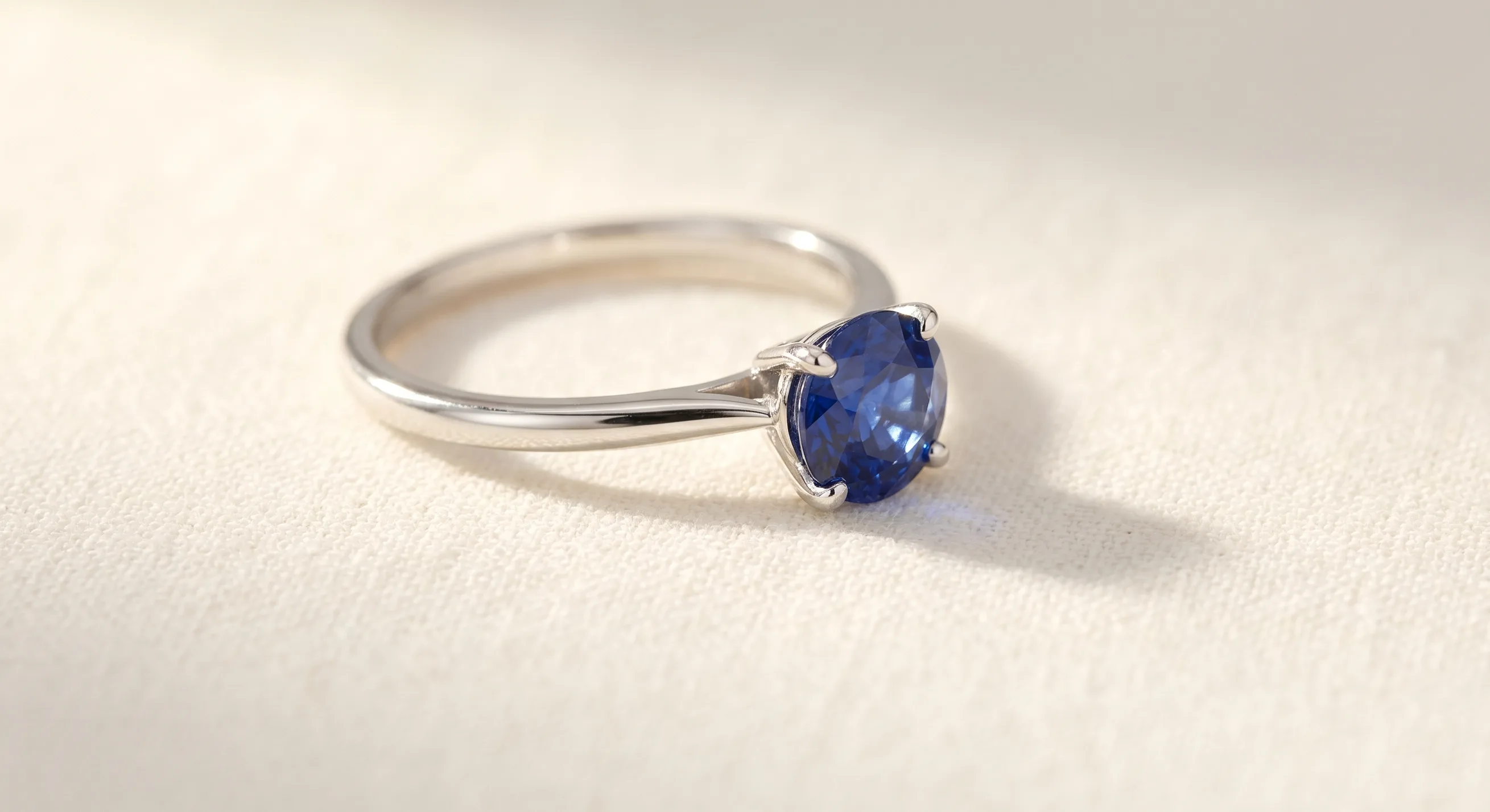
A Ceylon sapphire ring needs nothing more than warm water, a drop of dish soap, and a soft toothbrush. Three minutes of work, every two to four weeks, keeps the stone at full brilliance for life. Sapphires sit at Mohs 9 on the hardness scale, second only to diamond, so they survive almost everything except poor handling. The real risks are not to the gem itself but to the metal setting and the build-up of skin oils and product film that dulls the surface over time. This guide covers the home cleaning method, when an ultrasonic is safe, and what actually damages a sapphire ring.
The Three-Minute Method
What you need: a small glass or ceramic bowl, a few drops of mild dish soap (Dawn, Fairy, or any standard washing-up liquid), warm water, and a soft baby toothbrush.
Steps:
- Fill the bowl with warm water and two or three drops of dish soap.
- Lower the ring in. Soak for ten minutes. The warm soapy water dissolves skin oils, lotion, sunscreen, and product film, which is what dulls a stone over time.
- Lift the ring out and brush gently around the setting, paying close attention to the underside of the gem and the inside of the prongs. This is where dirt actually hides.
- Rinse under clean warm water. Hold it over a closed drain or a second bowl, never an open sink.
- Pat dry with a soft lint-free cloth (microfibre or muslin works).
That is the entire routine. Once the ring has soaked, the active work takes three minutes.
When to Use an Ultrasonic Cleaner on a Sapphire (And When Not To)
An ultrasonic cleaner sapphire setting can handle is sometimes the right tool, and sometimes a quick way to lose a stone. Ultrasonic units use high-frequency vibrations to dislodge dirt from places a brush cannot reach. For a clean, untreated, eye-clean Ceylon sapphire in a solid modern setting, this works very well.
Skip the ultrasonic if any of the following apply.
- The stone has visible inclusions or surface-reaching fractures. Vibration can extend a fracture.
- The sapphire is fracture-filled or fissure-treated. Standard heat treatment is fine, but lead-glass-filled stones (sometimes sold as "composite ruby" or "composite sapphire") can crack or cloud in an ultrasonic. Your lab report states treatment status explicitly.
- The setting has loose prongs or a stone that already moves slightly. Vibration shakes loose stones free.
- The ring is antique, or has soft accent stones such as emerald, opal, pearl, or turquoise. None of these survive ultrasonic cleaning.
For a standard heated or unheated Ceylon sapphire in a modern, well-built setting, an ultrasonic at low setting for 60 to 90 seconds is fine. A steam cleaner is even safer, and is what most bench jewellers use. If you have any doubt, skip it. The soap-and-brush method removes about 95 percent of what an ultrasonic does, and carries none of the risk.
What Actually Damages a Sapphire Ring
The sapphire itself is almost indestructible. The risks are everything around it.
Chlorinated water. Pool chlorine attacks gold alloys, especially white gold. Take the ring off before swimming. Saltwater is less aggressive but still erodes prong tips over years. This is the single most common cause of stones falling out.
Hot tubs and saunas. Same chlorine problem, plus rapid temperature changes that stress the setting. Avoid both with the ring on.
Cleaning products. Bleach, drain cleaner, oven cleaner, and acetone (nail polish remover) corrode metal settings and dull the polish on softer accent stones. Take the ring off for any household chemistry.
Sunscreen and hand cream. These do not damage the stone, but they build up under the gem and create the dull, hazy look that owners often mistake for a problem with the sapphire itself. Cleaning Ceylon sapphire jewellery every two to four weeks prevents this entirely.
Hard knocks. Sapphire is hard but brittle. A direct hit on a hard surface can chip a girdle edge, particularly on cushion or emerald cuts where the corners are exposed. Bezel and halo settings protect against this. Plain four-prong solitaires do not.
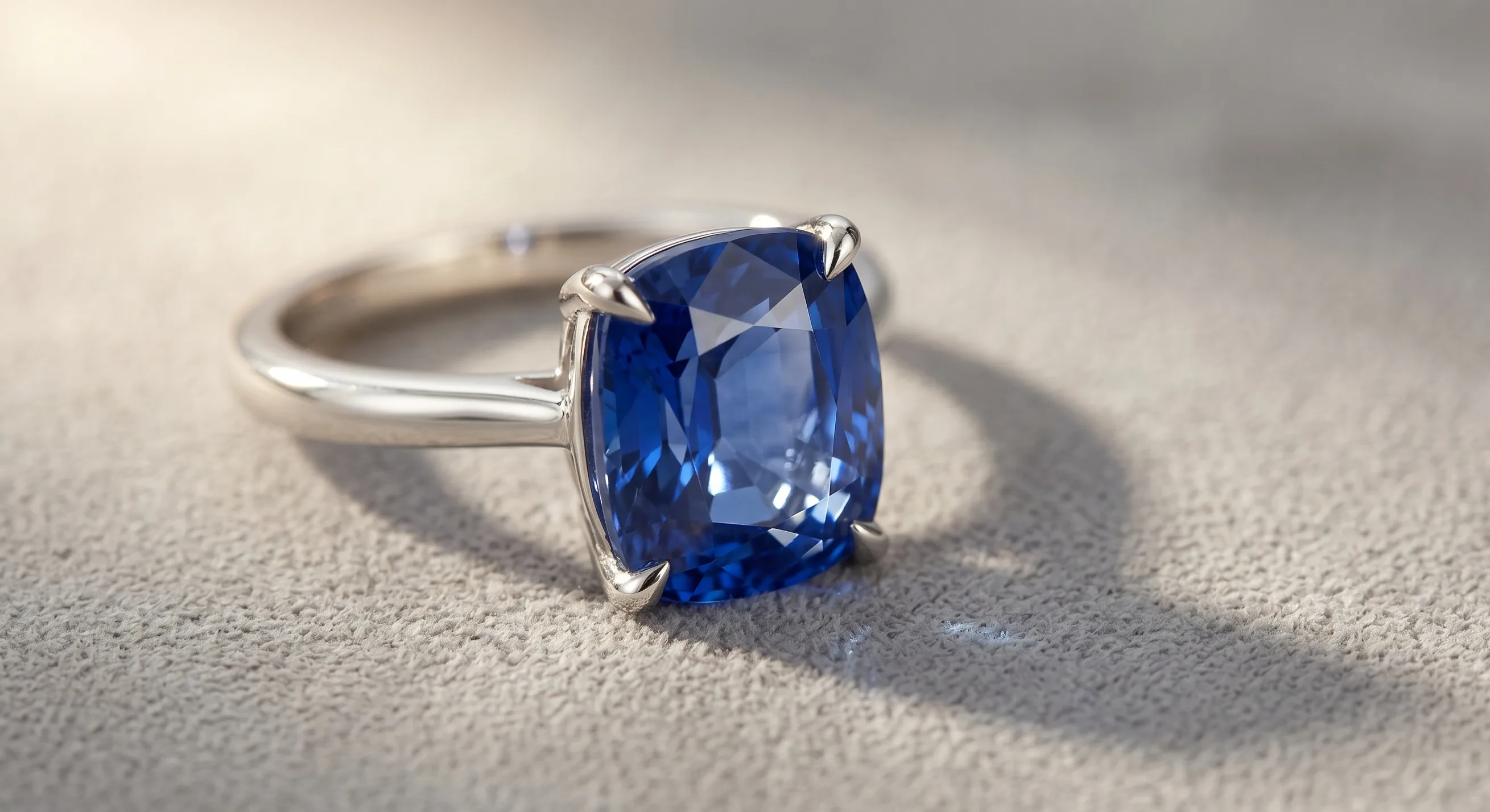
A few weeks after we delivered a 3.4 ct cushion-cut Ceylon sapphire ring to a customer in London, she emailed asking whether the stone had "gone dead" and whether she should send it back. We asked her to soak it for ten minutes in warm soapy water first. Twenty minutes later she wrote back: it was sunscreen and moisturiser film, layered up over six weeks of summer wear. The stone underneath was perfect. This is the most common false alarm we see, and it is always solved at the kitchen sink.
How Often Should You Clean It
Sapphire jewelry care is about consistency, not intensity.
- Every two to four weeks: warm soap and a soft brush. Five minutes total.
- Every three to six months: a more careful clean. Use a wooden toothpick to dislodge anything stubborn under the head of the ring before brushing.
- Once a year: a professional clean and a prong check from a bench jeweller. Ninety seconds with a loupe catches loose settings before a stone falls out.
That last step is the one most owners skip, and the one that matters most. A sapphire never wears out. The setting does. A jeweller looking at the prongs through a 10x loupe takes under two minutes and prevents a five-figure loss.
When to Send It to a Jeweller
Take the ring in, do not clean it at home, if any of the following are true.
- A stone moves when you press the prongs gently with a fingernail.
- A prong is bent, missing a tip, or visibly shorter than the others.
- The shank is thinning or shows a hairline.
- The sapphire itself looks cloudy after a proper soap-and-brush clean. This is rare with Ceylon material but can indicate damage to a treated stone, in which case you want a gemmologist to look at it before doing anything else.
A reputable jeweller will inspect, tighten prongs, polish the shank, and steam-clean the ring for somewhere between £30 and £80 in the UK or 50 to 120 dollars in the US. It is the cheapest insurance you will ever buy on a sapphire ring.
Putting It Together
A Ceylon sapphire ring is one of the lowest-maintenance pieces of fine jewellery you can own. Three minutes with soap and a soft brush every fortnight, an annual jeweller check, and the stone will outlive you. Avoid pools, harsh chemicals, and hard knocks. That is genuinely the entire care routine.
If you are still choosing the ring rather than caring for one, our blue sapphire engagement ring buying guide covers what to look for in colour, cut, and setting. For the durability question more broadly, see our guide on sapphire hardness and everyday wear. To see the Ceylon stones we have on hand, browse the Crestonne collection, or for a stone sourced to your specs, our custom sourcing service works directly with the Ratnapura dealer network.
Common questions
Frequently Asked Questions
Is it safe to use an ultrasonic cleaner on a Ceylon sapphire?
Usually yes, but not always. A clean, untreated or standard heat-treated Ceylon sapphire in a solid modern setting handles a 60 to 90 second ultrasonic cycle well. Skip it if the stone has visible fractures, has been fracture-filled or fissure-treated, sits in an antique mount, or has loose prongs. The vibration can extend a fracture or shake a loose stone free. When in doubt, soap and a soft brush remove almost everything an ultrasonic does.
Can I clean a sapphire ring with toothpaste or baking soda?
No. Toothpaste and baking soda are abrasives, and while sapphire at Mohs 9 will not scratch, the metal setting will. Repeated use dulls the polish on the band, scratches softer accent stones (diamond melee aside), and leaves white residue trapped under the head of the ring. Mild dish soap and warm water is the only abrasive-free home method that actually works.
How often should I clean a sapphire engagement ring?
Quick clean every two to four weeks for daily-wear rings. A deeper clean every three to six months. An annual professional inspection by a bench jeweller to check the prongs and tighten anything loose. The stone never wears out, but the setting does, and most lost stones are caused by loose prongs nobody noticed.
Will hot water damage my sapphire ring?
Warm water is fine, hot water is risky. Sapphire itself handles temperature well, but rapid changes can stress the metal setting and any oil-treated or fracture-filled stones. Use comfortably warm water, the same temperature you would wash your hands in. Never run the ring under boiling water or place it on a stove.
Should I take my sapphire ring off when washing my hands?
Not for soap, but yes for chlorine, bleach, acetone, and harsh cleaning products. Standard hand soap and the warm water that goes with it is genuinely good for the ring. The risk is everything else: pool chlorine, drain cleaner, nail polish remover, and the friction of taking the ring off and on at every sink, which is how most rings get dropped.