Understanding
Sapphire Colors: The Complete Ceylon Spectrum Guide
Sapphire is not just blue. Ceylon corundum spans nearly every color of the spectrum, and understanding those hues is the key to buying well.
7 min read
By Naseef AR
Sapphire colors run far wider than most buyers expect. In Sri Lanka, the same mineral (corundum, Mohs 9) comes out of the ground as royal blue, cornflower, pink, yellow, green, violet, and the pink-orange padparadscha that Ceylon is famous for. Only red corundum gets a different name entirely: ruby. Everything else is a sapphire, defined by hue, saturation, and tone. This guide walks the full Ceylon spectrum, explains why one mineral produces so many sapphire colours, and shows what actually separates one grade from the next.
What color is sapphire?
Ask most people what color is sapphire and they will say blue. That answer is only partly right. Pure corundum is colorless. The color arrives from trace elements sitting inside the crystal lattice. Iron and titanium together produce blue. Chromium pushes toward pink and red. Iron alone tends toward yellow and green. Vanadium can produce color-change stones that shift under different light.
Because the coloring agent is a trace impurity, sapphire appears in almost every hue. The trade calls anything that is not blue a "fancy" sapphire. So the honest answer to what color is sapphire is: whichever color the geology delivered. Ceylon's gravels happen to deliver an unusually broad and clean palette, which is why the island has been a reference point for sapphire color for centuries.
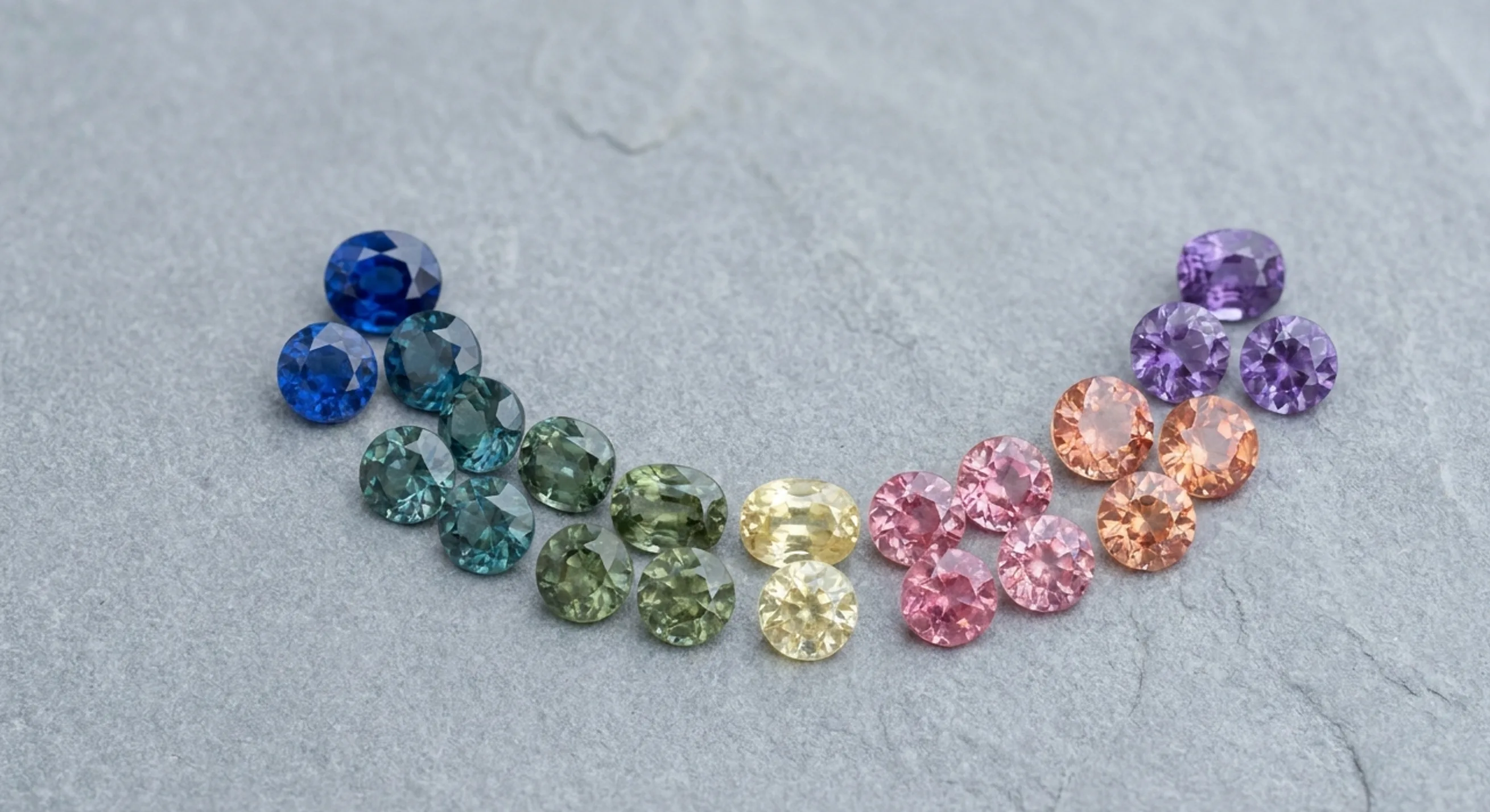
The full Ceylon sapphire color spectrum
Here is the practical range a buyer encounters when sourcing from Sri Lanka.
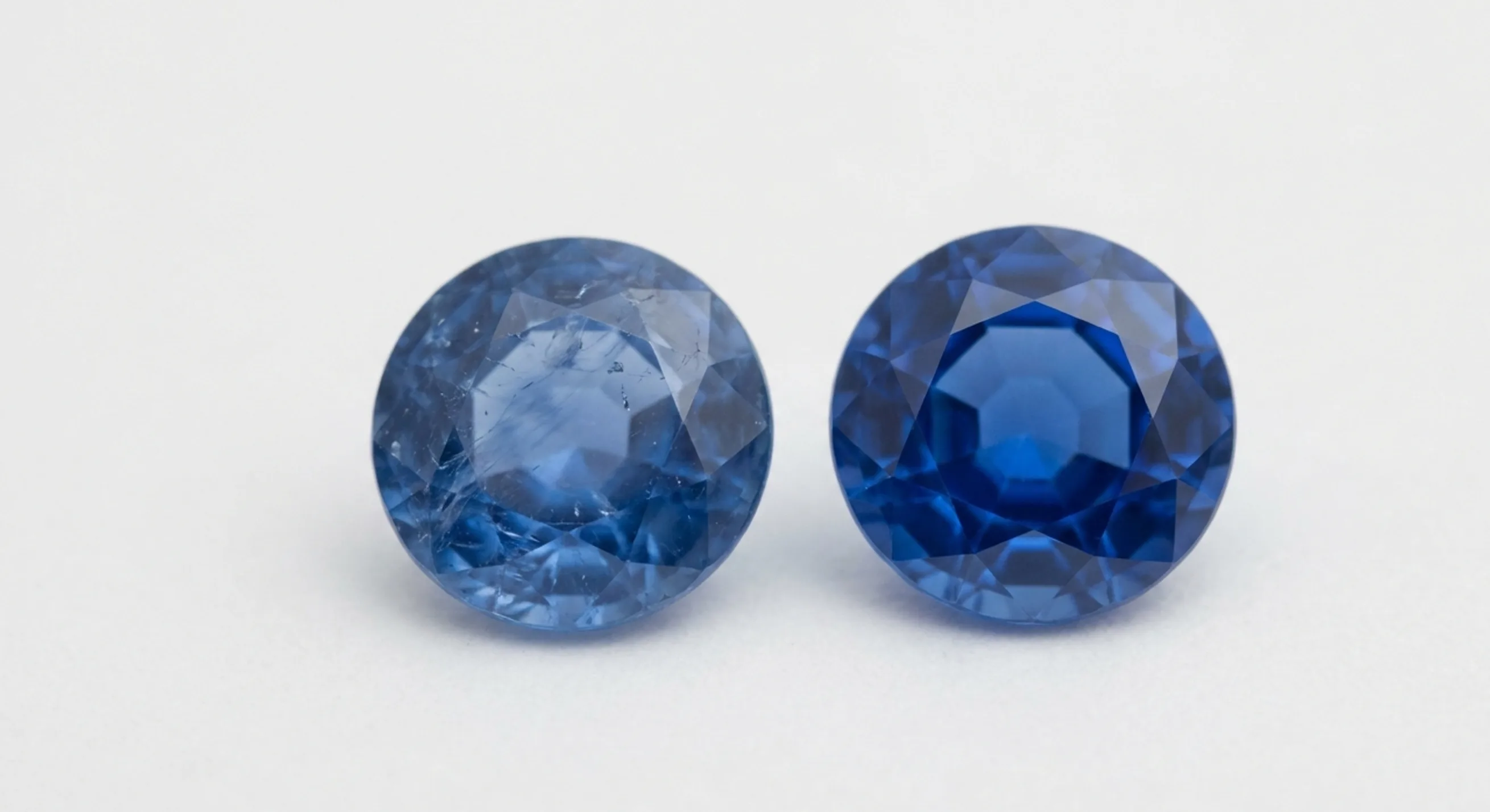
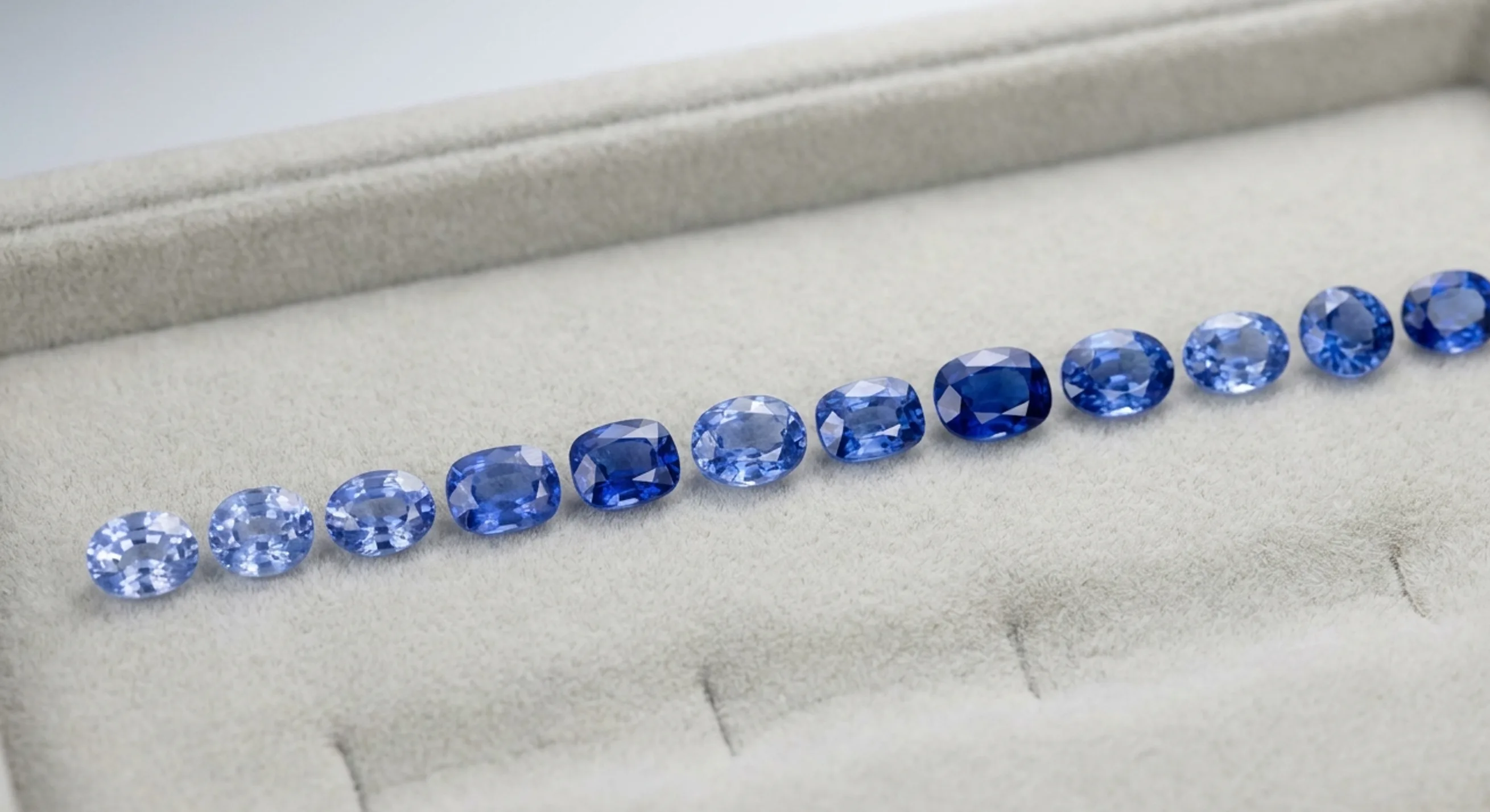
Blue. The classic and the largest category. Ceylon blues run from pale sky blue to deep, saturated tones. The grading vocabulary matters here, and it is where a lot of confusing color-terminology gets thrown around online. Crestonne prefers to show the actual stone under controlled lighting rather than lean on names alone. For the full breakdown of tone, saturation, and origin, see the complete Ceylon blue sapphire guide.
Pink. Chromium-colored, ranging from soft baby pink to vivid hot pink. Ceylon produces some of the cleanest pink material on the market. Where pink and orange meet, you approach padparadscha territory.
Padparadscha. The pink-orange sapphire named after the lotus blossom. Ceylon is the classical source, and genuine padparadscha commands premium prices, often several thousand per carat for fine unheated examples. The color window is narrow, and reputable labs like the SSEF and Gübelin apply strict criteria before granting the name.
Yellow. From lemon to rich canary and golden. Iron-driven color. Ceylon yellows are prized for brightness and are frequently a strong value relative to blue.
Green. Iron produces green sapphire, ranging from olive to a cooler mint or teal. Green is underappreciated and often more affordable than comparable blue, which makes it a quietly smart choice for buyers who want a durable colored stone without the blue premium. Teal sapphires, sitting between blue and green, have become popular for engagement rings.
Violet and purple. Vanadium and chromium in combination. These can be striking and are sometimes confused with amethyst by eye, though they are far harder and more brilliant.
White (colorless). Corundum with no significant trace elements. A durable, bright alternative to other colorless stones.
Color-change. Stones that read one hue in daylight and another under incandescent light, typically blue to violet-purple. Ceylon produces notable color-change material.
That range from a single mineral is what makes color sapphire such a rich field. The same mine can yield blue, yellow, and pink in a single day's washing.
Why does sapphire come in so many colors?
The mineralogy is straightforward once you know the mechanism. Corundum is aluminum oxide. When a few aluminum atoms are replaced by iron, titanium, chromium, or vanadium, the crystal absorbs certain wavelengths of light and transmits others. The transmitted wavelengths are the color you see.
- Iron + titanium: blue
- Chromium: pink to red
- Iron only: yellow to green
- Vanadium: purple, and color-change behavior
Because Sri Lankan geology mixes these elements across its gem gravels, the island produces the widest natural spread of sapphire colours of any classical source. This is geology, not marketing. It also explains why two blue sapphires from the same region can look different: the ratio of iron to titanium shifts the exact hue.
Royal blue sapphire and cornflower blue
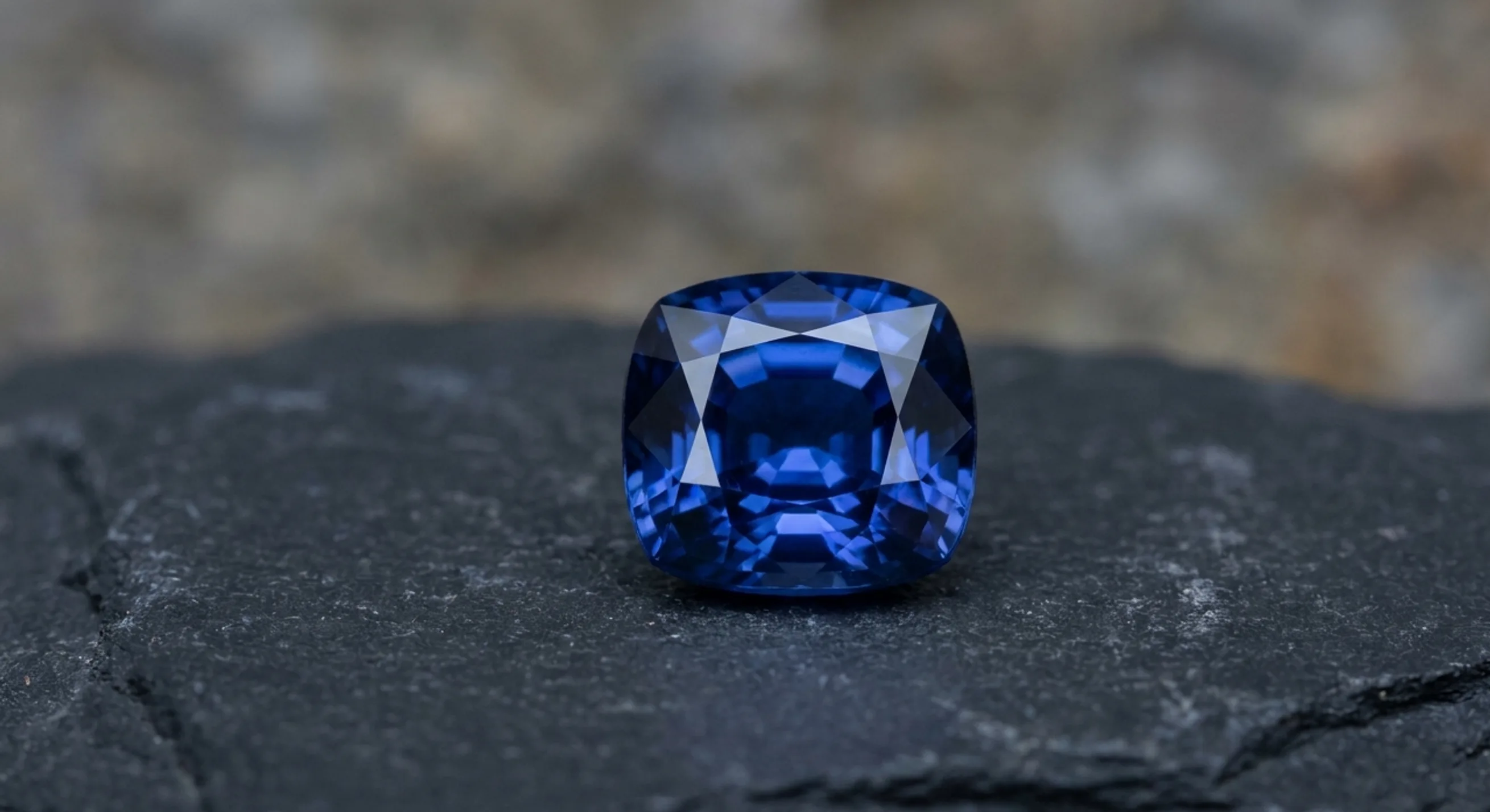
Within blue, two grades sit at the top of the market. A royal blue sapphire shows deep, vivid, slightly violetish blue with strong saturation and medium-dark tone. It is the color most people picture when they imagine a fine sapphire, and it is the grade behind many famous royal jewels. Fine royal blue Ceylon material, especially unheated, sits at the premium end of the market.
The other benchmark is cornflower: a softer, brighter, slightly lighter blue with a velvety quality. Some buyers prefer it precisely because it reads more open and lively in daylight. Both are legitimate top grades; the choice is aesthetic, not hierarchical. For a closer look, read about the coveted cornflower blue grade.
One point worth stating plainly: grade names like royal blue and cornflower describe a color window, not a guarantee. Because screens and lighting distort color badly, the Crestonne approach is to photograph and film stones under consistent, neutral conditions and to describe hue, tone, and saturation directly, so the stone you receive matches what you saw.
Heated versus unheated, and what it means for color
Heat treatment is the industry norm and has been for decades. Controlled heating improves color and clarity in a large share of sapphires on the market, and a properly heated Ceylon sapphire is a legitimate, beautiful stone that most buyers happily wear. It is the standard, not a compromise.
Unheated stones are the premium tier. A sapphire that reached its color naturally, with no thermal enhancement, is rarer and carries a premium, confirmed by a laboratory report from GIA, SSEF, or Gübelin. Both categories are honest as long as the treatment is disclosed. The color grades above apply to both; heating simply widens how many stones reach the top of each color window.
Which sapphire color is most valuable?
For blue, fine unheated royal blue and top cornflower sit at the summit. Across the fancy colors, padparadscha is typically the most valuable, followed by vivid pink and vivid violet. Yellow and green generally offer more color per dollar, which is exactly why experienced buyers gravitate to them when budget matters more than chasing the blue premium.
Value within any color comes down to the same four factors: hue (is the color pure and desirable), saturation (how vivid), tone (not too dark, not too pale), and clarity, followed by cut and carat weight. A clean, well-cut green sapphire can outperform a dark, over-saturated blue in both beauty and price.
How to judge sapphire color when buying online
Color is the hardest thing to convey through a screen, and it is where buyers get burned. A stone can look one hue on a phone and another in daylight. The fix is not to avoid buying online. It is to buy from a seller who controls for it.
The stones Crestonne represents are documented under neutral lighting, described by their real color characteristics rather than flattering names alone, and backed by lab reports for treatment and origin where it matters. That is how a spectrum this wide gets sold honestly: by showing the color as it is, not as a screen wants it to look.
If you know the color you want, or you want guidance across the full Ceylon spectrum, tell us what you're looking for and we'll source it. You can also browse the current range in our sapphire collections.
Common questions
Frequently Asked Questions
What color is a sapphire?
Sapphire is most commonly blue, but the mineral (corundum) occurs in nearly every color: pink, yellow, green, violet, colorless, and the pink-orange padparadscha. Any color except red is a sapphire; red corundum is called ruby. Ceylon produces an especially broad and clean spectrum.
What is the difference between royal blue and cornflower blue sapphire?
Royal blue is a deep, vivid, medium-dark blue with strong saturation. Cornflower blue is softer, brighter, and slightly lighter with a velvety quality. Both are top blue grades; the choice is aesthetic rather than one being better than the other.
Are green sapphires real sapphires?
Yes. Green sapphire is genuine corundum colored by iron, ranging from olive to teal and mint. It is often more affordable than comparable blue, making it a strong value for buyers who want a durable colored stone without the blue premium.
Does heat treatment change a sapphire's color?
Yes. Controlled heating can improve color and clarity and is the accepted industry norm. Heated Ceylon sapphires are legitimate, beautiful stones. Unheated stones, confirmed by a GIA, SSEF, or Gübelin report, are the rarer premium tier.
Which sapphire color is the most valuable?
Among fancy colors, padparadscha is typically the most valuable, followed by vivid pink and violet. In blue, fine unheated royal blue and top cornflower lead. Yellow and green usually offer more color per dollar.