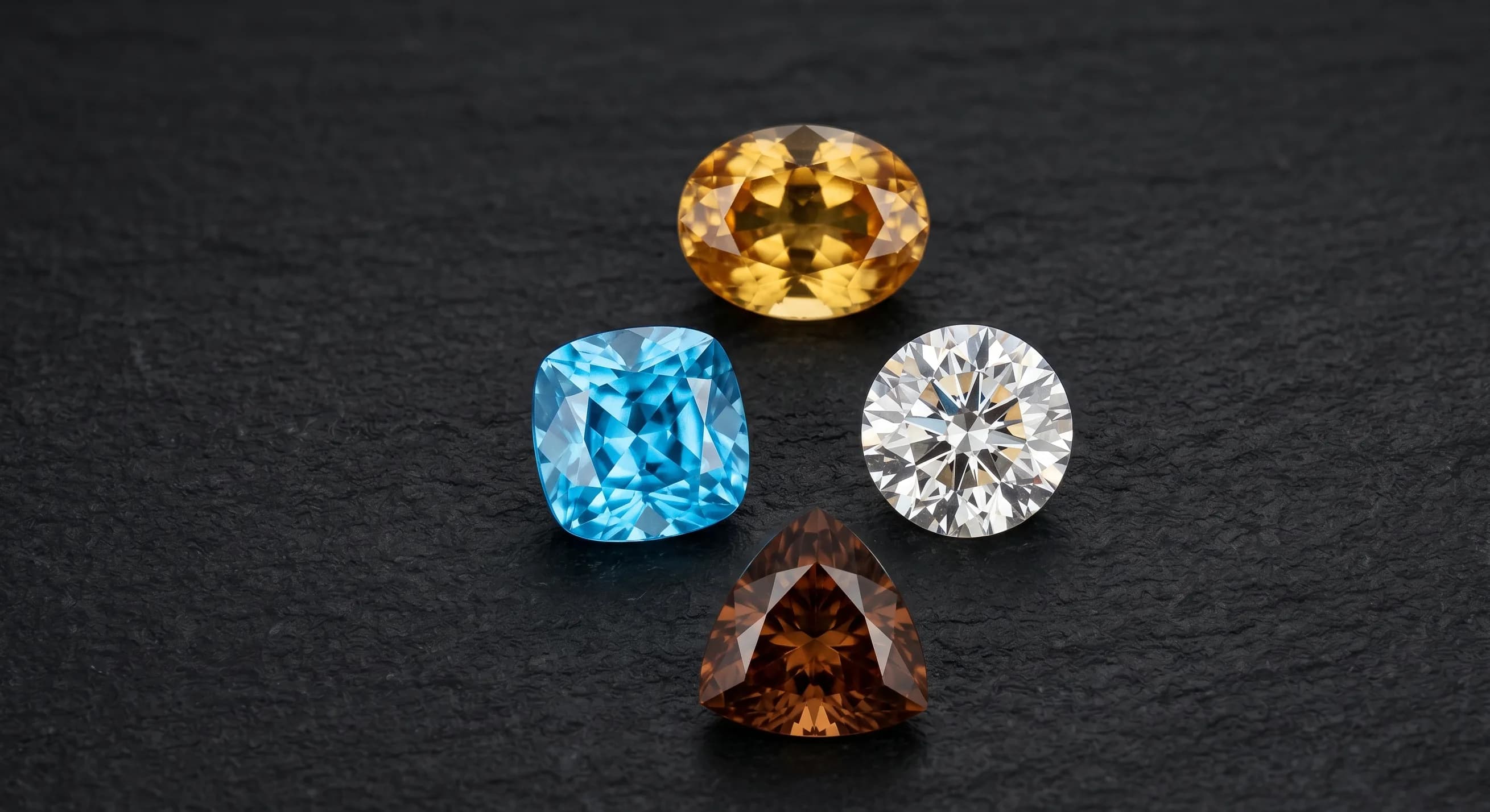
Ceylon zircon is a natural gemstone, completely different from synthetic cubic zirconia. Sri Lanka, especially Matara, has supplied colourless 'Matura diamond' zircon and bright blue zircon for centuries. Here is what Ceylon material is, what it costs, and how to buy it.
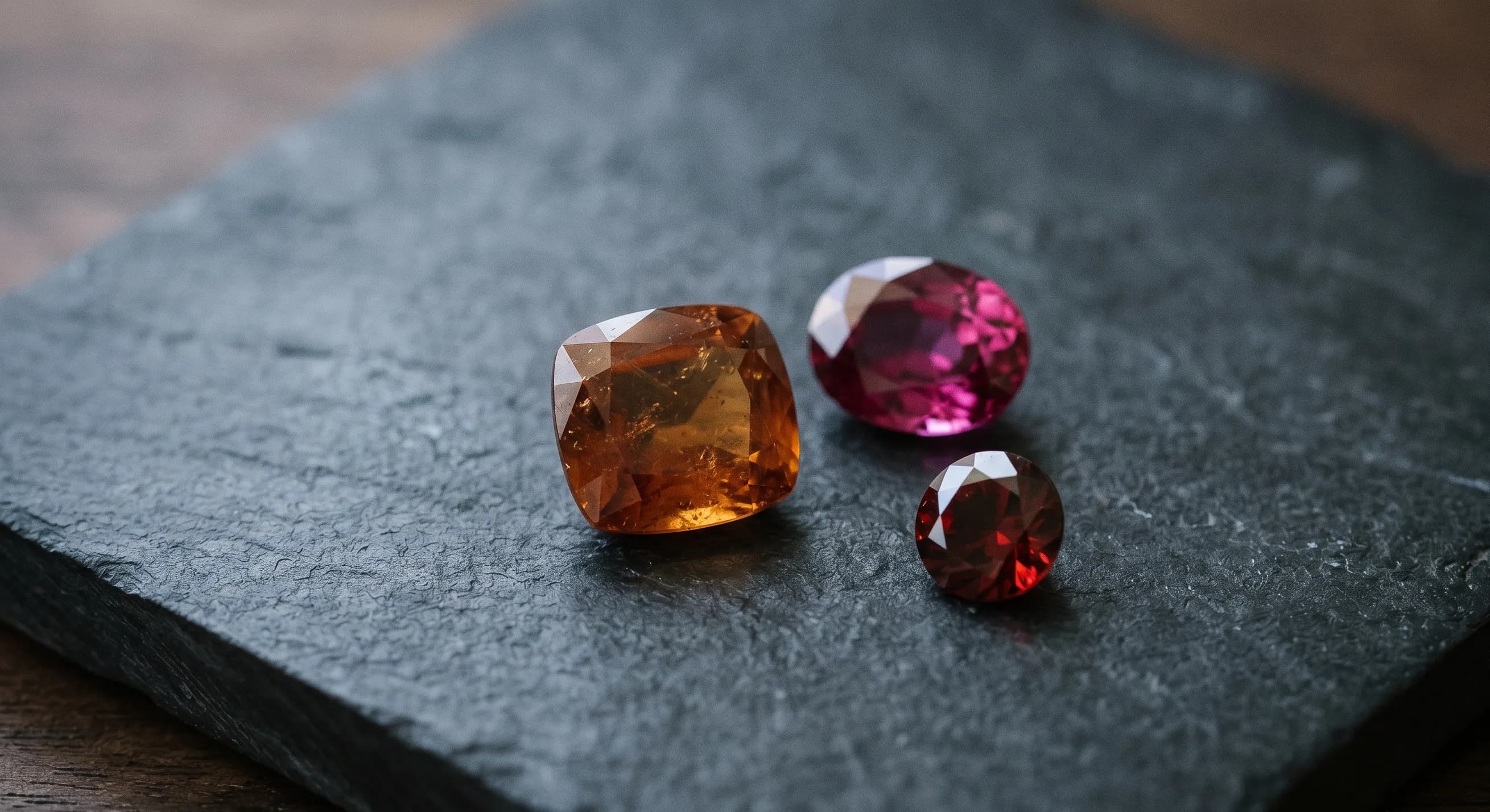
Sri Lankan garnet covers four serious varieties: honey-toned hessonite (gomed), raspberry rhodolite, deep almandine, and warm pyrope-almandine. Here is what Ceylon material is really worth and how to tell it apart from African production.
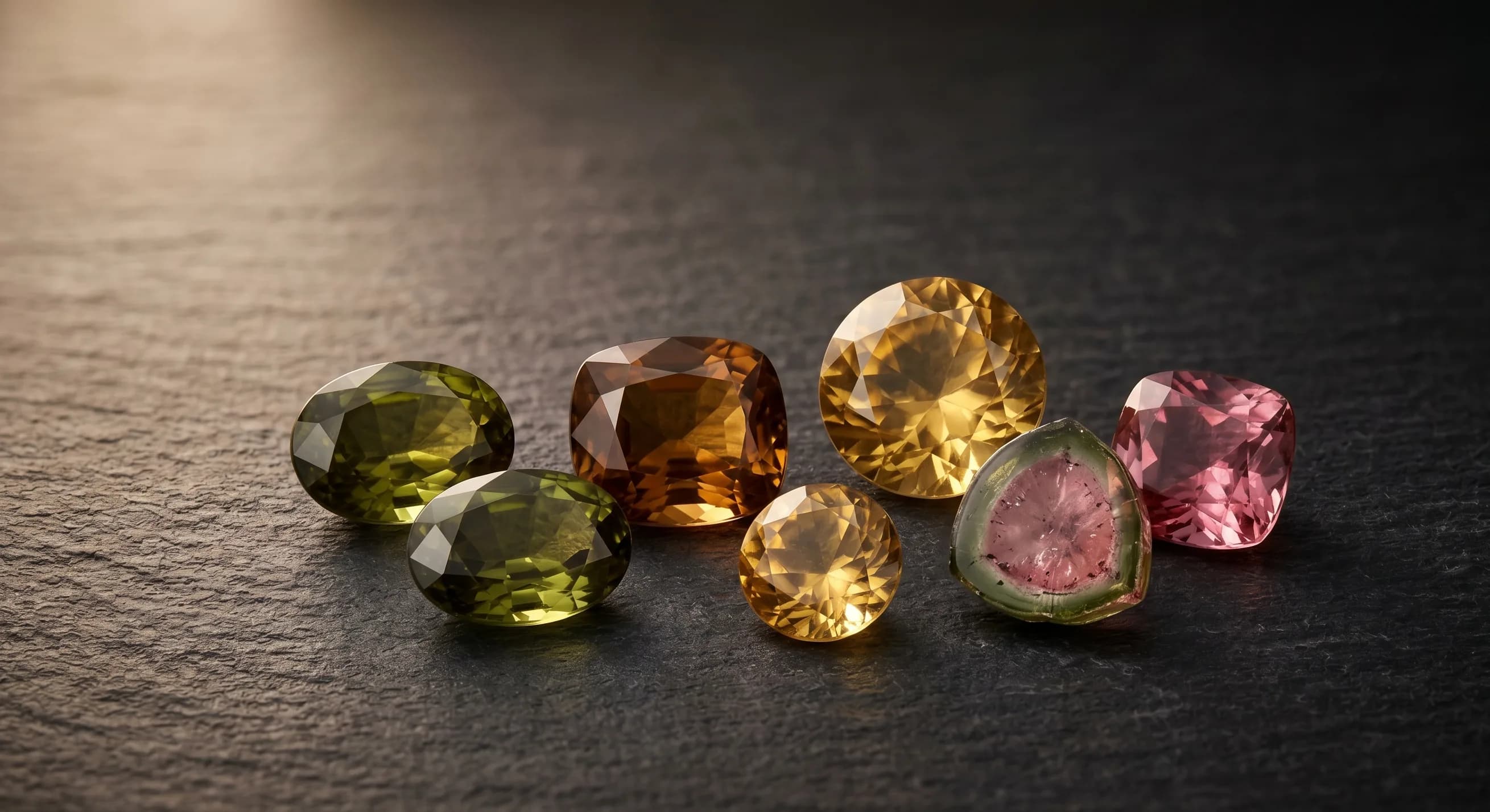
Sri Lankan tourmaline runs across olive green, honey brown, golden yellow, and rare chrome and rubellite material, all at 70 to 90 percent below Ceylon sapphire pricing. Here is what is actually worth collecting from Ratnapura's pegmatite gravels.
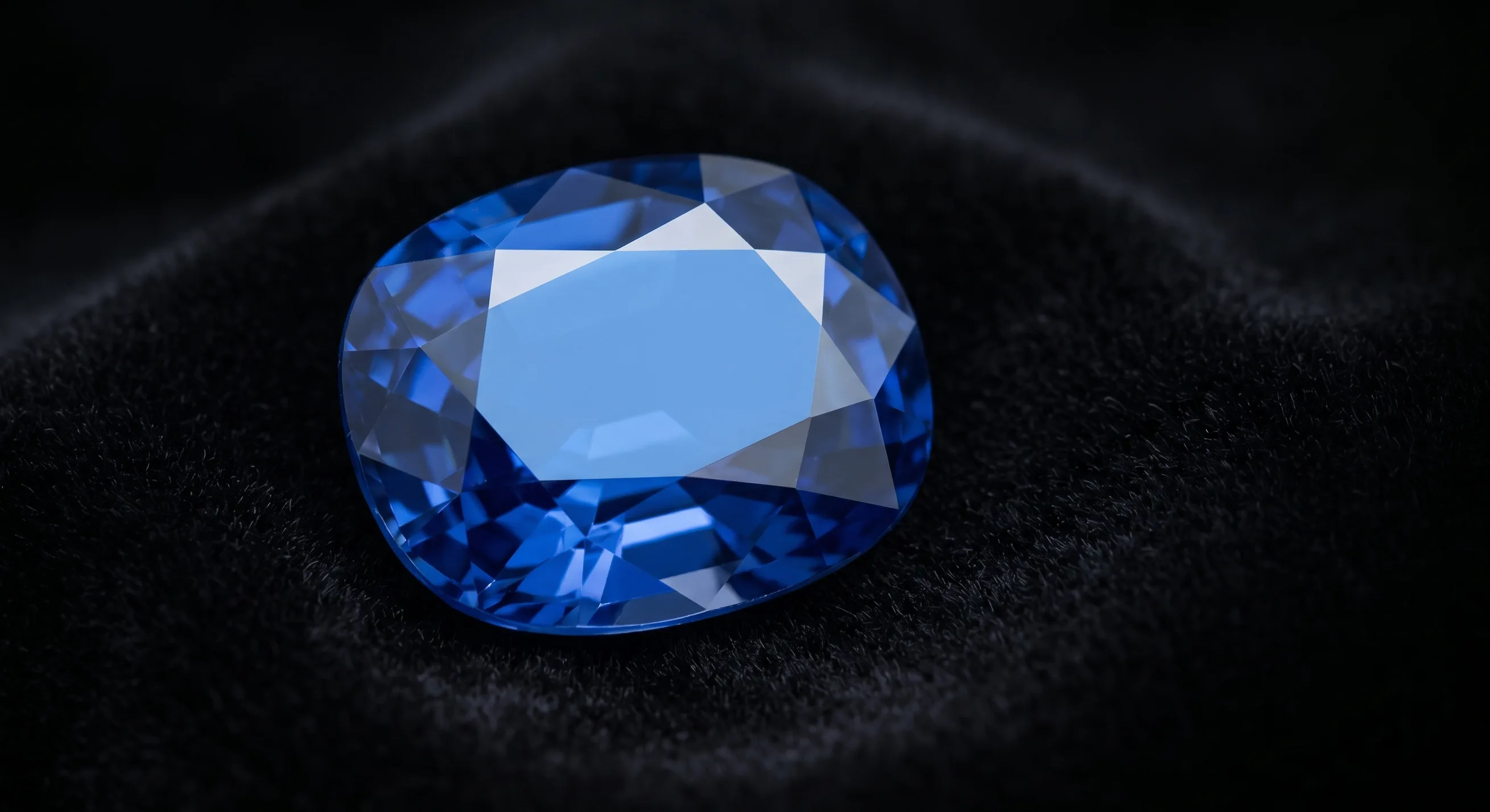
Sri Lankan cutters work by eye, prioritise weight and colour over symmetry, and use slow hand-driven laps. Here is why their finished sapphires still beat any factory cut.
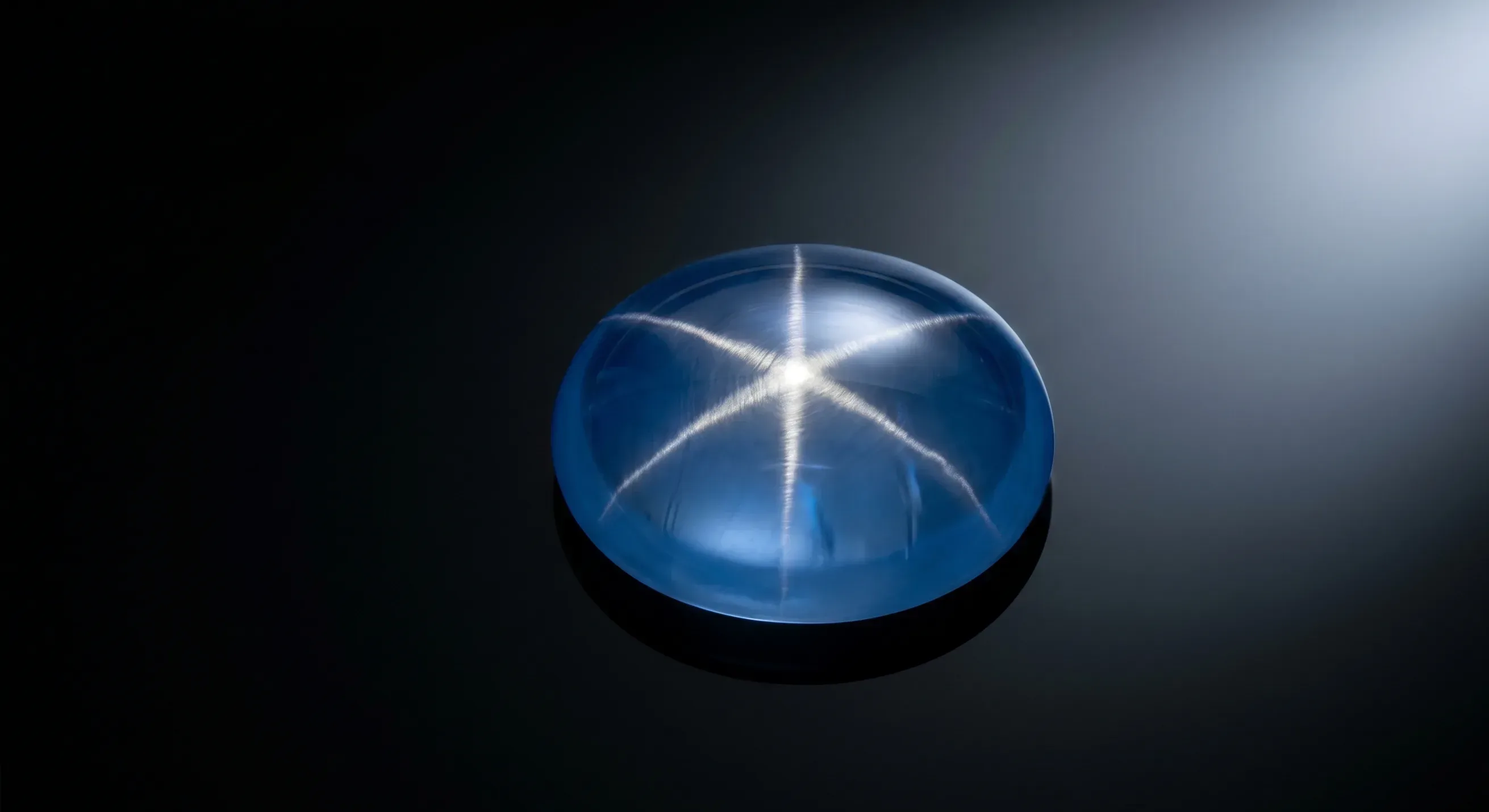
A Sri Lankan star sapphire shows a sharp six-rayed star because microscopic rutile silk inclusions align along three crystal axes. Here is how asterism forms, what separates a great Ceylon star from an average one, and why the Star of India still sits at the top of the category.
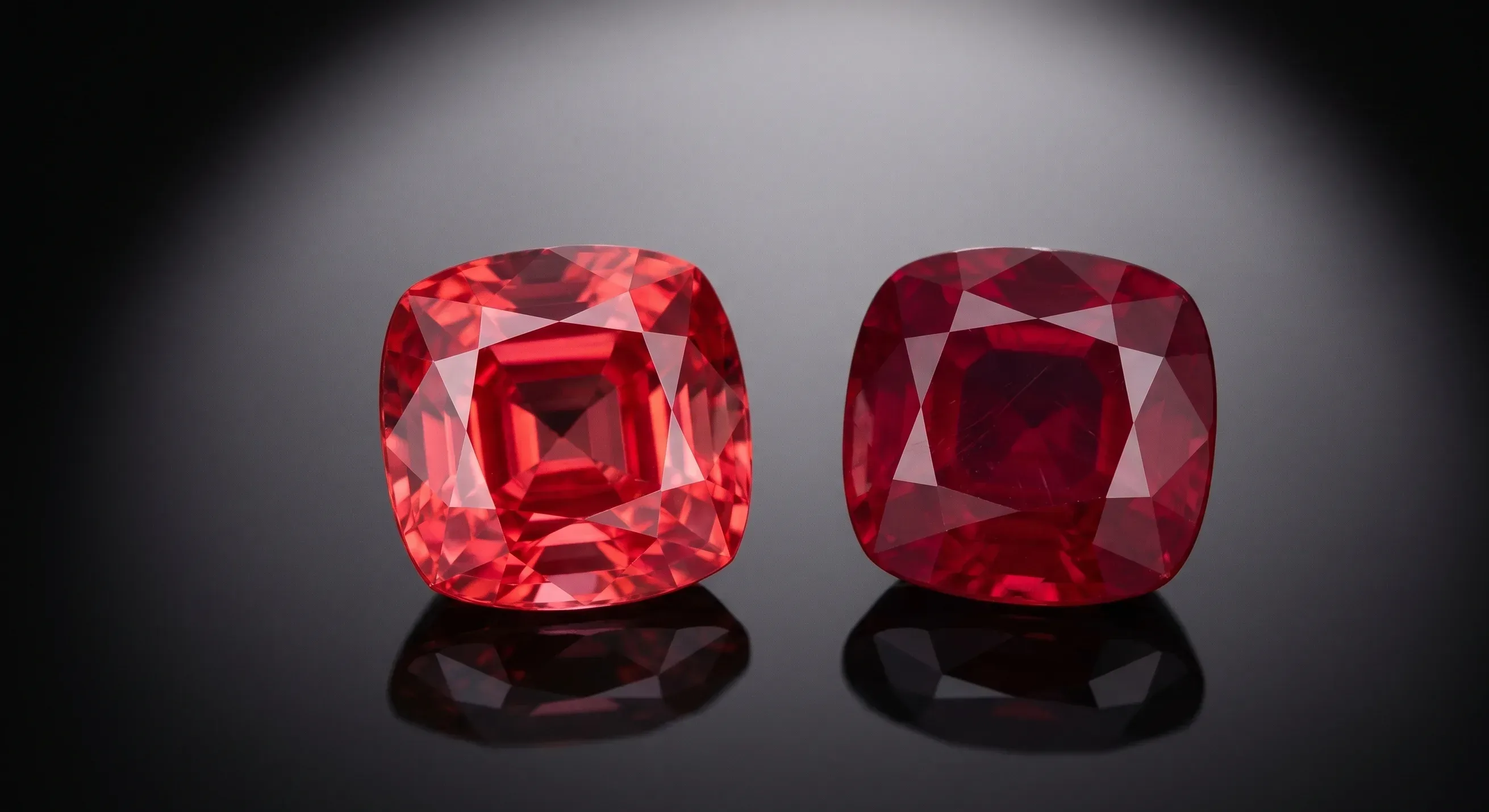
Spinel is a separate mineral from sapphire, but for centuries the two were confused in royal jewelry. Here is how to tell them apart, why spinel commands a fraction of sapphire's price, and why Sri Lankan red spinel is one of the most undervalued natural gemstones today.
First Look at New Ceylon Sapphires
New stones and guides, straight from the source. Written rarely, and only when there is something worth saying.